DOE's $4.5 Billion Grid Modernization Initiative Explained
Advertisements
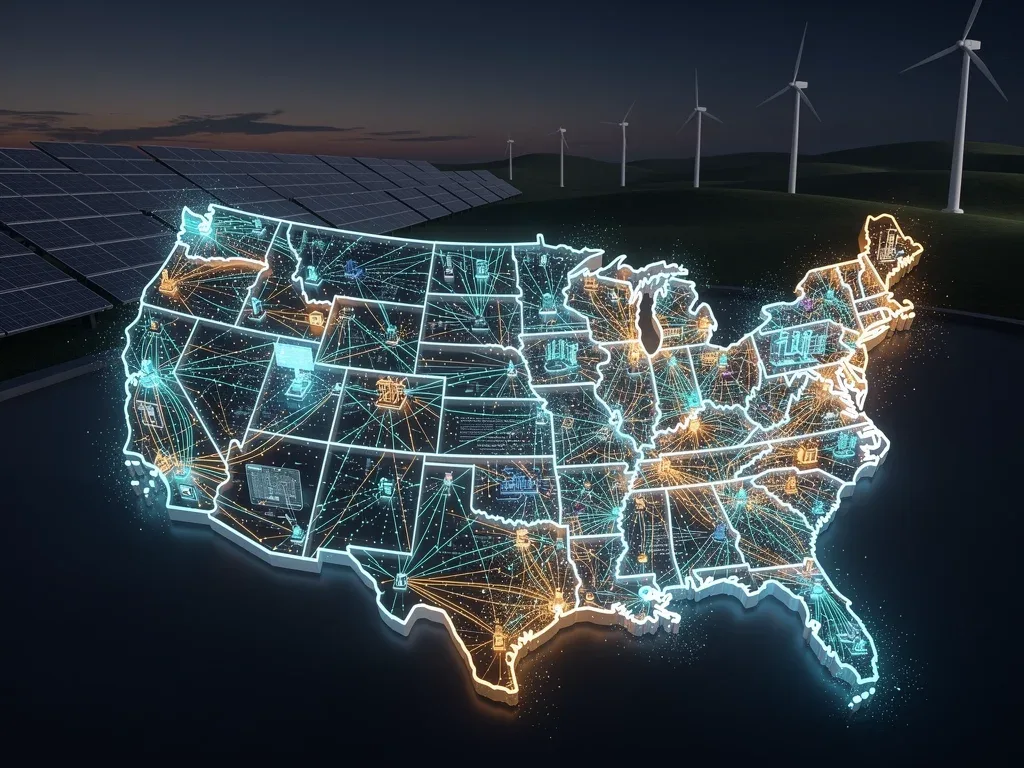
The Department of Energy has unveiled a significant $4.5 billion national grid modernization initiative, a critical investment aimed at fortifying the United States' electrical infrastructure against growing threats and ensuring a reliable, resilient, and secure energy future.
The United States stands on the cusp of a transformative energy era, and at its heart is the crucial need for a robust, resilient, and secure electrical infrastructure. The recent announcement by the Department of Energy regarding a $4.5 billion national grid modernization initiative marks a pivotal moment, signaling a deep commitment to addressing the vulnerabilities and limitations of our current power systems. What does this monumental investment truly entail, and how will it reshape the future of energy for every American?
Understanding the imperative for grid modernization
The existing electrical grid in the United States, largely built in the mid-20th century, faces unprecedented challenges. From aging infrastructure to the increasing frequency and intensity of extreme weather events, and the escalating threat of cyberattacks, the need for a comprehensive overhaul is undeniable. This section delves into the foundational reasons driving the Department of Energy's substantial investment.
Our current grid was not designed to handle the complexities of a 21st-century energy landscape. It struggles with the integration of diverse renewable energy sources, lacks the sophisticated communication systems needed for real-time management, and is often slow to recover from disruptions. These limitations translate into economic losses, public safety concerns, and a hindrance to national security.
Aging infrastructure and growing demand
Many components of the grid, including transmission lines, transformers, and substations, are decades old and nearing the end of their operational lifespan. This aging infrastructure is less efficient and more prone to failures, leading to power outages and increased maintenance costs. Simultaneously, electricity demand continues to rise, driven by population growth, electrification of transportation, and the increasing reliance on digital technologies.
- Outdated equipment: Many parts of the grid are over 50 years old, leading to inefficiencies and higher failure rates.
- Increased energy consumption: Growing population and technological advancements are pushing demand beyond current capacities.
- Maintenance backlog: Decades of underinvestment have resulted in a significant backlog of necessary repairs and upgrades.
The combination of an aging system and surging demand creates a precarious balance. Without significant investment, the risk of widespread blackouts and energy instability grows substantially. The Department of Energy's initiative aims to proactively address these issues, ensuring a more stable and reliable power supply for the nation.
In conclusion, the imperative for grid modernization stems from a confluence of factors: a deteriorating infrastructure, escalating energy demands, and a rapidly evolving threat landscape. The $4.5 billion investment is a strategic response to these challenges, laying the groundwork for a more resilient and future-proof energy system.
Key pillars of the $4.5 billion initiative
The Department of Energy's ambitious $4.5 billion national grid modernization initiative is not a monolithic project but rather a multi-faceted approach targeting several critical areas. This investment is strategically allocated to enhance various aspects of the grid, ensuring a holistic transformation rather than piecemeal improvements. Understanding these key pillars is essential to grasping the full scope and potential impact of the program.
The initiative focuses on bolstering resilience, integrating advanced technologies, and fostering a cleaner energy future. Each pillar is designed to address specific vulnerabilities and leverage emerging opportunities within the energy sector, ensuring that the United States remains at the forefront of energy innovation and security.
Enhancing grid resilience and reliability
A primary goal of the modernization effort is to make the grid more resilient against disruptions, whether from natural disasters or human-made threats. This involves investing in stronger infrastructure, advanced monitoring systems, and decentralized energy resources that can operate independently during emergencies.
- Hardening infrastructure: Upgrading transmission lines, substations, and other critical components to withstand extreme weather.
- Microgrids development: Supporting the creation of localized energy grids that can disconnect from the main grid and operate autonomously.
- Real-time monitoring: Implementing sensors and data analytics to detect and respond to disturbances quickly.
Reliability is equally crucial, ensuring that power is consistently available when and where it is needed. The initiative will fund projects that reduce the frequency and duration of power outages, improving the day-to-day experience for consumers and businesses alike. This includes investments in smart technologies that can automatically reroute power around fault areas, minimizing service interruptions.
The resilience and reliability pillars are foundational, aiming to create a grid that is not only robust but also capable of self-healing and rapid recovery. This proactive approach is vital in an era where energy security is paramount.
Integrating renewable energy and smart technologies
The transition to a clean energy economy is a cornerstone of the Department of Energy's vision, and the national grid modernization initiative plays a crucial role in making this a reality. Integrating a higher percentage of renewable energy sources like solar and wind power into the grid presents unique challenges that require sophisticated solutions. This section explores how the $4.5 billion investment will facilitate this integration and deploy smart grid technologies.
Traditional grids were designed for centralized, one-way power flow from large fossil fuel plants. Renewable energy, however, is often distributed and intermittent, requiring a more dynamic and flexible grid architecture. The modernization effort aims to create a grid capable of seamlessly accommodating these diverse energy inputs.
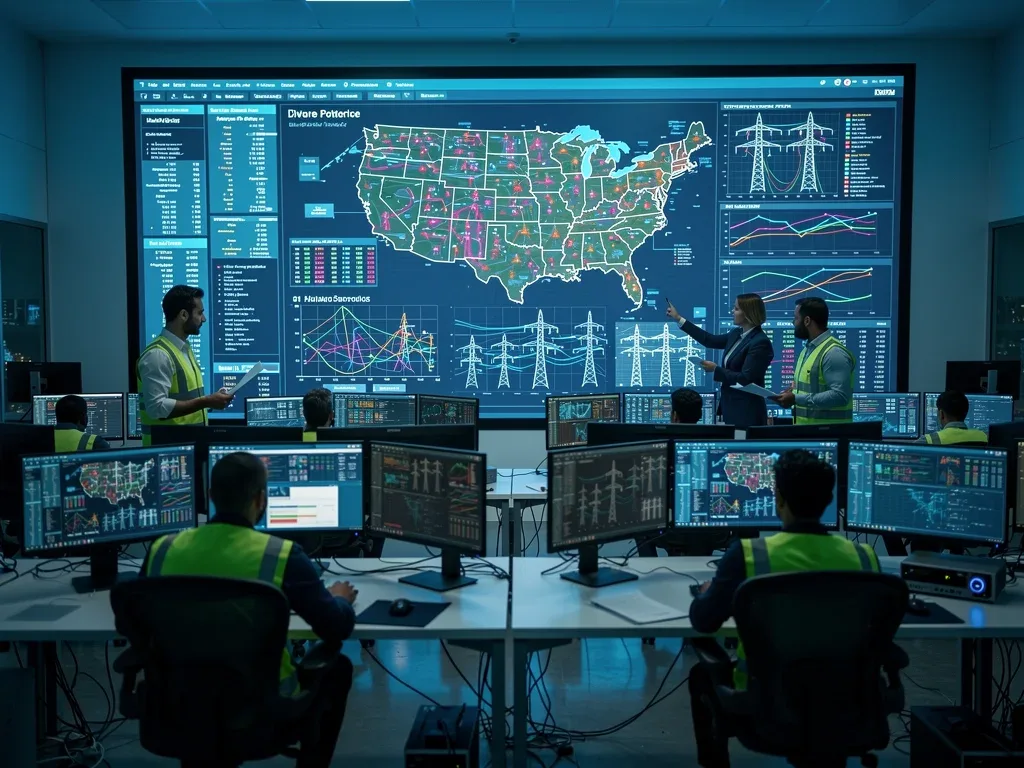
Advanced grid management systems
Smart grid technologies are at the forefront of this transformation. These technologies use digital communications and advanced analytics to monitor, control, and optimize the flow of electricity. This includes everything from smart meters in homes to sophisticated software that predicts energy demand and supply fluctuations.
The initiative will support the deployment of advanced distribution management systems (ADMS) and energy management systems (EMS) that provide grid operators with enhanced visibility and control. These systems enable more efficient dispatch of power, better management of voltage, and faster fault detection and isolation, all of which are critical for integrating intermittent renewables.
Furthermore, the investment will catalyze the development of energy storage solutions, such as large-scale batteries, which can store excess renewable energy and release it when needed, helping to balance supply and demand. This not only enhances grid stability but also maximizes the utilization of clean energy generation.
In essence, the integration of renewable energy and smart technologies is about creating a more intelligent, adaptable, and environmentally friendly grid. The $4.5 billion initiative is a powerful catalyst for accelerating this vital transition, driving innovation and sustainability across the energy sector.
Enhancing cybersecurity for critical infrastructure
In an increasingly interconnected world, the threat of cyberattacks on critical infrastructure, particularly the electrical grid, poses a significant national security concern. The Department of Energy's $4.5 billion national grid modernization initiative places a strong emphasis on fortifying the grid's cybersecurity defenses. This section details the strategies and investments aimed at protecting our energy systems from malicious digital intrusions.
A successful cyberattack on the grid could have catastrophic consequences, leading to widespread power outages, economic disruption, and even threats to public safety. Therefore, a robust cybersecurity framework is not merely an enhancement but an absolute necessity for a modern, resilient grid.
Proactive defense and threat intelligence
The initiative will fund research and development into cutting-edge cybersecurity technologies specifically designed for energy systems. This includes advanced intrusion detection systems, anomaly detection algorithms, and secure communication protocols. The goal is to move beyond reactive measures to a proactive defense posture, anticipating and neutralizing threats before they can cause damage.
- Threat intelligence sharing: Establishing platforms for utilities and government agencies to share real-time threat information and best practices.
- Workforce development: Training a skilled cybersecurity workforce capable of defending complex industrial control systems.
- Supply chain security: Ensuring that all components and software used in the grid are free from vulnerabilities introduced during manufacturing or development.
Beyond technology, the initiative also focuses on human factors, recognizing that human error or negligence can be a significant vulnerability. This involves comprehensive training programs for grid operators and IT personnel, fostering a culture of cybersecurity awareness and vigilance throughout the energy sector.
Ultimately, enhancing cybersecurity for critical infrastructure is about building layers of defense that are resilient to evolving threats. The Department of Energy's investment is a vital step in safeguarding the nation's energy future from the digital battlefield, ensuring that the lights stay on even in the face of sophisticated attacks.
Economic impacts and job creation
Beyond the technical advancements and security enhancements, the Department of Energy's $4.5 billion national grid modernization initiative is poised to deliver significant economic benefits across the United States. This substantial investment is expected to stimulate economic growth, create numerous jobs, and foster innovation within the energy sector. This section explores the ripple effects of this initiative on the American economy and workforce.
Large-scale infrastructure projects historically serve as powerful economic engines, and the modernization of the national grid is no exception. The capital infusion will drive demand for materials, equipment, and skilled labor, creating a virtuous cycle of investment and growth.
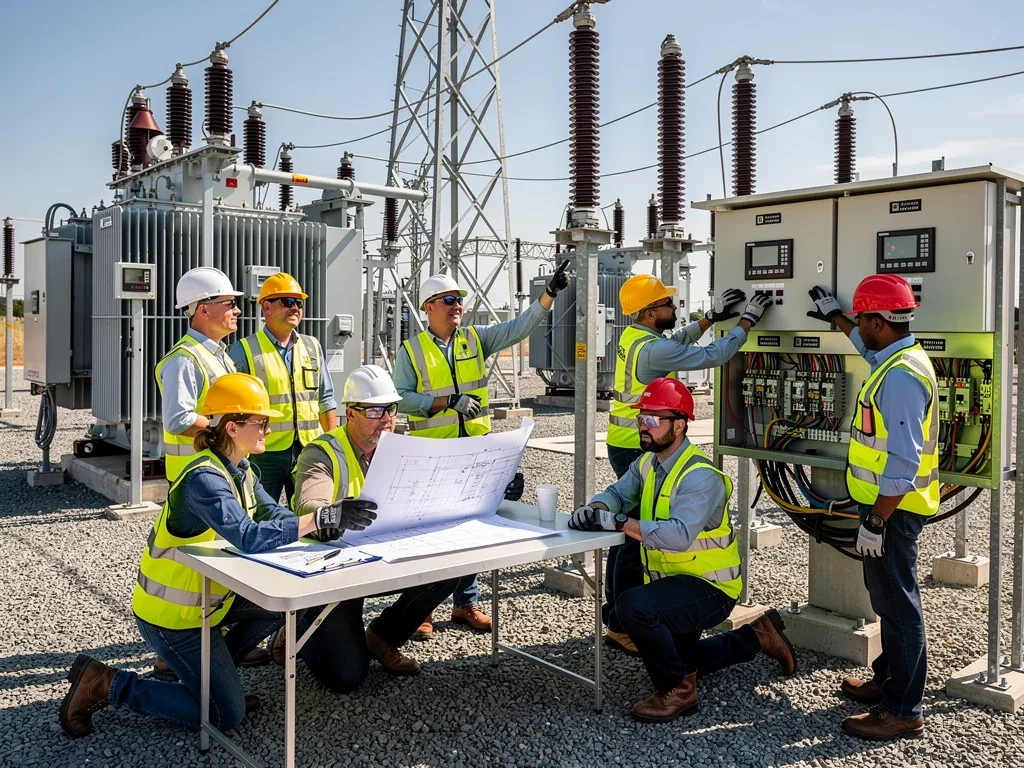
New opportunities in clean energy and technology
The initiative will directly create jobs in construction, engineering, and manufacturing as new grid components are built and installed. Furthermore, the emphasis on smart grid technologies and renewable energy integration will spur demand for specialized skills in areas like data analytics, cybersecurity, and renewable energy system design and maintenance.
- Direct job creation: Thousands of jobs in construction, electrical engineering, project management, and manufacturing.
- Indirect job growth: Increased demand for services and goods from supporting industries, such as logistics and raw material suppliers.
- Skilled workforce development: Investment in training and educational programs to equip workers with the necessary skills for the modern energy sector.
Moreover, a more reliable and efficient grid will reduce energy costs for businesses and consumers, freeing up capital for other investments and stimulating overall economic activity. Enhanced grid resilience will also minimize economic losses associated with power outages, providing greater stability for industries that rely heavily on a consistent power supply.
The long-term economic benefits extend to fostering innovation. The initiative will encourage research and development in new energy technologies, positioning the United States as a leader in the global clean energy market. This will attract further investment and create new industries, ensuring sustained economic prosperity.
In summary, the $4.5 billion investment is not just about upgrading infrastructure; it's about investing in America's economic future. By creating jobs, fostering innovation, and enhancing energy security, the Department of Energy's initiative will deliver widespread and lasting economic benefits.
Challenges and the path forward
While the Department of Energy's $4.5 billion national grid modernization initiative represents a monumental step forward, its implementation will undoubtedly face significant challenges. Addressing these hurdles effectively will be crucial for the success of the program and for realizing the vision of a truly modern and resilient national grid. This section examines the anticipated obstacles and outlines the strategic approaches needed to overcome them.
Transforming an infrastructure as vast and complex as the national electrical grid is an undertaking of epic proportions. It requires not only substantial financial investment but also coordination across multiple stakeholders, technological innovation, and careful regulatory navigation.
Regulatory complexities and stakeholder coordination
One of the primary challenges lies in navigating the complex regulatory landscape that governs the energy sector. Multiple federal, state, and local agencies have jurisdiction over different aspects of the grid, which can lead to bureaucratic delays and conflicting requirements. Effective coordination among these entities is paramount to streamline project approvals and ensure consistent standards.
- Inter-agency collaboration: Fostering strong partnerships between government bodies, utilities, and private sector companies.
- Public acceptance: Educating communities about the benefits of grid upgrades to gain support for new infrastructure projects.
- Workforce training: Addressing the shortage of skilled labor required for advanced grid technologies through targeted educational programs.
Another significant hurdle involves technological integration. The grid comprises a vast array of legacy systems that must be seamlessly integrated with new, advanced technologies. This requires careful planning, rigorous testing, and a standardized approach to ensure interoperability and avoid creating new vulnerabilities.
Furthermore, securing consistent funding beyond the initial $4.5 billion will be essential for sustained progress. Grid modernization is an ongoing process, not a one-time fix. Long-term investment strategies and supportive policies will be necessary to maintain momentum and ensure the grid continues to evolve with future energy needs and technological advancements.
Despite these challenges, the path forward is clear: a concerted, collaborative effort driven by a shared vision for a more secure, reliable, and sustainable energy future. The Department of Energy's initiative provides the critical impetus, but its ultimate success will depend on sustained commitment and adaptive strategies.
The future of energy: a resilient and sustainable grid
The Department of Energy's $4.5 billion national grid modernization initiative is more than just an investment in infrastructure; it's a profound statement about the future of energy in the United States. This ambitious program lays the groundwork for a grid that is not only resilient and secure but also fundamentally sustainable, capable of supporting a clean energy economy for generations to come. This section explores the long-term vision and transformative potential of these modernization efforts.
Imagine a future where power outages are rare, where your energy comes from diverse, clean sources, and where the grid is smart enough to adapt to changing conditions in real-time. This is the future that the grid modernization initiative aims to build, moving us away from a vulnerable, carbon-intensive system towards one that is robust, efficient, and environmentally responsible.
Empowering communities and fostering innovation
A modernized grid will empower communities by providing greater energy independence and choices. Through microgrids and distributed energy resources, local communities can become more self-sufficient, reducing their reliance on centralized power plants and enhancing their ability to withstand disruptions. This decentralization also fosters local economic development and innovation.
The initiative will accelerate the adoption of cutting-edge technologies, from advanced sensors and artificial intelligence to sophisticated energy storage solutions. This technological leap will not only improve grid performance but also create new opportunities for American businesses and researchers to lead in the global energy transition.
Moreover, a sustainable grid is inherently tied to a cleaner environment. By facilitating the integration of more renewable energy, the initiative will significantly reduce greenhouse gas emissions, contributing to the nation's climate goals and improving public health. This shift towards cleaner energy sources will also reduce our reliance on volatile fossil fuel markets, enhancing national energy security.
The long-term vision for the grid is one of continuous evolution, adapting to new technologies, changing climate patterns, and evolving energy demands. The $4.5 billion investment is the critical first step in this journey, setting a precedent for future investments and collaborations that will solidify the United States' position as a leader in energy innovation and sustainability.
In conclusion, the Department of Energy's initiative is a visionary undertaking that promises to redefine our energy landscape. By focusing on resilience, security, and sustainability, it is building a future where reliable, clean energy is accessible to all, powering a prosperous and secure America.
| Key Aspect | Brief Description |
|---|---|
| Investment Amount | $4.5 billion allocated by the Department of Energy. |
| Primary Goals | Enhance grid resilience, reliability, and cybersecurity; integrate renewables. |
| Key Technologies | Smart grid systems, energy storage, advanced cybersecurity, microgrids. |
| Economic Impact | Job creation, reduced energy costs, fostered innovation in clean energy. |
Frequently asked questions about grid modernization
What is the main objective of the $4.5 billion grid modernization initiative?▼The primary goal is to enhance the resilience, reliability, and security of the United States' electrical grid. This includes protecting against cyberattacks, integrating more renewable energy sources, and improving overall operational efficiency to prevent outages.
How will this initiative impact consumers and businesses?▼Consumers and businesses can expect more reliable power, fewer outages, and potentially lower energy costs in the long term. The initiative aims to create a more stable energy supply, which is crucial for economic stability and daily life.
What role does renewable energy play in the modernized grid?▼Renewable energy integration is a core component. The initiative funds technologies and infrastructure upgrades that allow the grid to seamlessly incorporate solar, wind, and other clean energy sources, moving towards a more sustainable and less carbon-intensive energy future.
How does the initiative address cybersecurity threats?▼A significant portion of the investment is dedicated to strengthening cybersecurity defenses. This includes developing advanced threat detection systems, secure communication protocols, and training a specialized workforce to protect critical energy infrastructure from digital attacks.
What are the expected economic benefits of this modernization?▼The initiative is projected to create thousands of jobs in construction, engineering, and technology. It will also foster innovation in the energy sector, reduce economic losses from outages, and stimulate overall economic growth by providing a more stable and efficient energy supply.
Conclusion
The Department of Energy's unveiling of the $4.5 billion national grid modernization initiative marks a critical juncture for the United States' energy future. This extensive investment is not merely an upgrade; it is a foundational transformation designed to build a power infrastructure capable of meeting the demands and threats of the 21st century. By prioritizing resilience, integrating advanced smart technologies, bolstering cybersecurity, and facilitating the transition to renewable energy, the initiative promises a more reliable, secure, and sustainable energy landscape for all Americans. While challenges in implementation and coordination will undoubtedly arise, the long-term benefits—from economic growth and job creation to enhanced national security and environmental stewardship—underscore the profound importance and visionary scope of this undertaking. The path to a modern, robust, and future-proof grid is now firmly set, paving the way for a new era of energy independence and innovation.
