DOT Launches 60-Day Review of Rail Safety Protocols
Advertisements
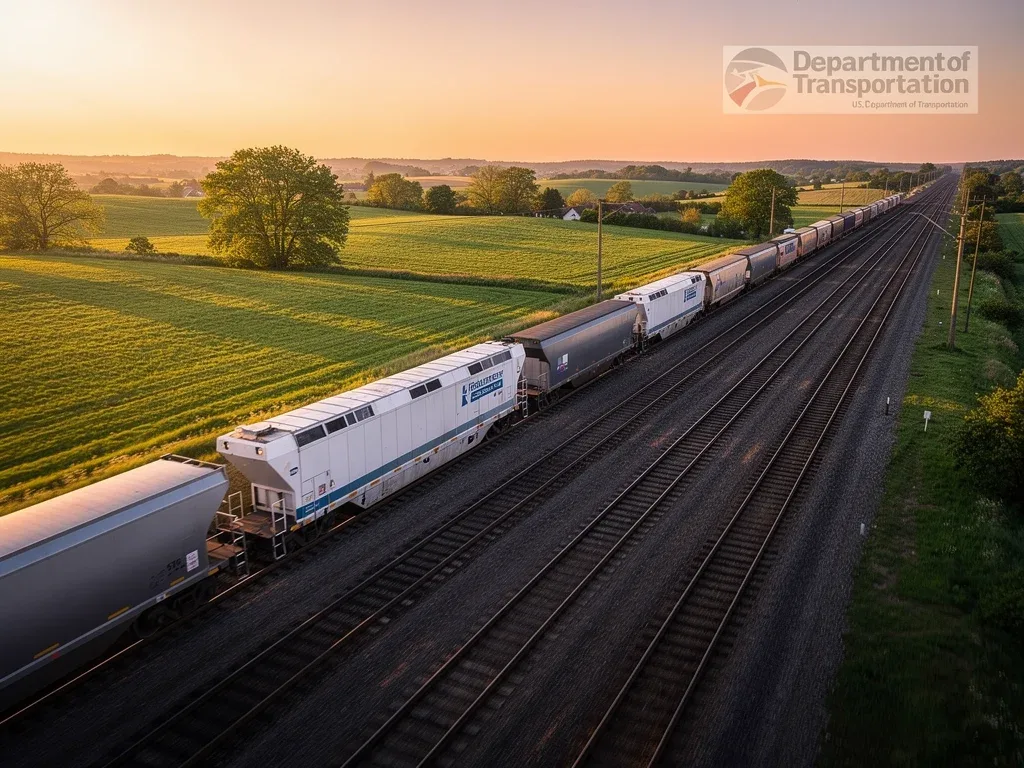
The Department of Transportation has initiated a critical 60-day review of interstate commercial rail safety protocols to enhance operational integrity and mitigate risks across the national network.
The announcement that the Department of Transportation Launches 60-Day Review of Interstate Commercial Rail Safety Protocols marks a pivotal moment for the nation's transportation infrastructure. This comprehensive assessment aims to fortify the safety standards governing commercial rail operations, ensuring the secure movement of goods and people across state lines. The initiative underscores a renewed commitment to public safety and operational excellence within the rail industry.
Understanding the DOT's Mandate for Rail Safety
The Department of Transportation (DOT) is the primary federal agency responsible for overseeing and regulating the nation's transportation systems, including its vast commercial rail network. This recent 60-day review is not merely a procedural exercise; it represents a proactive and intensive effort to scrutinize existing safety frameworks and identify potential vulnerabilities. The review encompasses a wide array of operational aspects, from track maintenance to crew training and hazardous material transportation.
The urgency behind this review stems from a recognition that while rail transport is generally safe, incidents, though rare, can have devastating consequences. The DOT's mandate is to prevent such occurrences by continuously evaluating and improving safety measures. This involves collaboration with various stakeholders, including rail companies, labor unions, and local communities, to gather diverse perspectives and insights.
Key Areas of Focus in the Review
The 60-day review is structured to delve into several critical domains within commercial rail operations. These areas have been identified as crucial for maintaining high safety standards and addressing emerging challenges in the industry.
- Infrastructure Integrity: Assessment of track conditions, bridges, and signaling systems.
- Operational Procedures: Examination of speed limits, dispatch protocols, and emergency response plans.
- Technology Integration: Review of advanced safety technologies, such as Positive Train Control (PTC) and automated inspection systems.
- Human Factors: Evaluation of crew fatigue management, training programs, and qualification standards.
By focusing on these interconnected elements, the DOT aims to develop a holistic understanding of the current safety landscape and pinpoint areas requiring immediate attention or long-term strategic improvements. The goal is to create a more resilient and secure rail system for all.
The comprehensive nature of this review is designed to leave no stone unturned, ensuring that every aspect of interstate commercial rail operations is held to the highest safety standards. This proactive approach is essential for preventing incidents and building public trust in the rail system.
Analyzing the Scope of Interstate Commercial Rail Operations
Interstate commercial rail operations are the backbone of the American economy, transporting billions of tons of freight and millions of passengers annually. This extensive network spans thousands of miles, connecting cities, ports, and industrial centers across the country. The sheer scale and complexity of these operations necessitate rigorous safety protocols to ensure efficiency and security.
The review will consider the unique challenges posed by interstate travel, including varying state regulations, diverse geographical terrains, and the coordination required between multiple rail carriers. Understanding these complexities is vital for crafting effective and harmonized safety measures that can be applied consistently across the entire network.
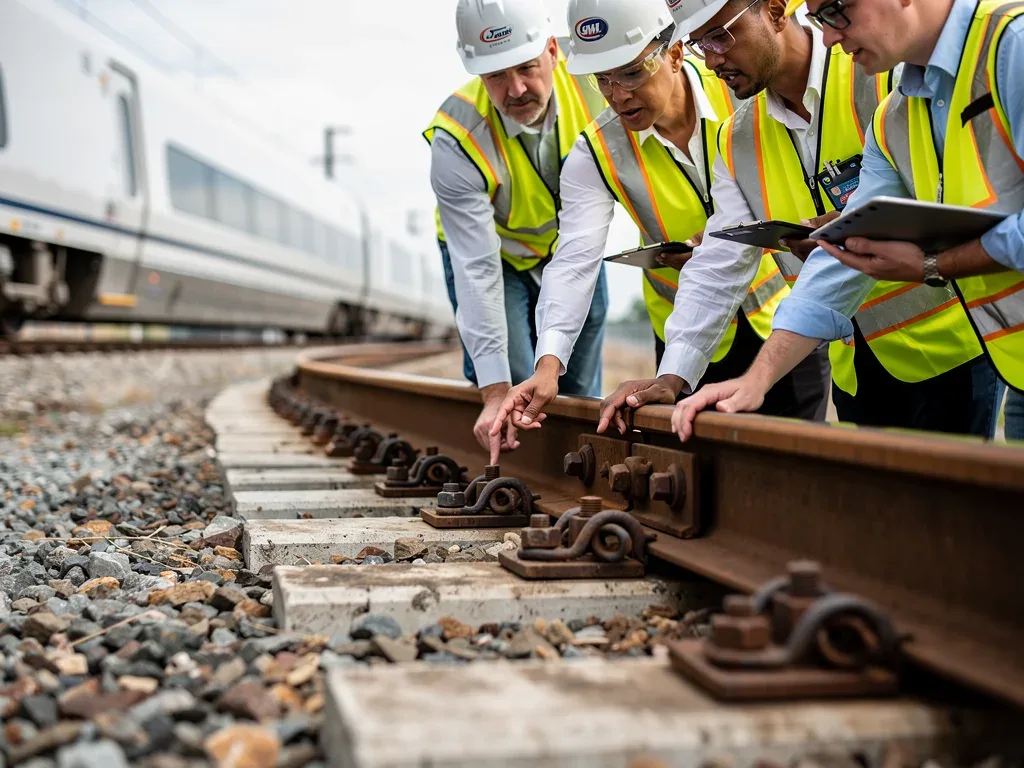
Economic Impact and Safety Intersections
The economic vitality of the United States is intrinsically linked to the reliability and safety of its commercial rail system. Disruptions caused by accidents can lead to significant financial losses, supply chain delays, and environmental damage. Therefore, investing in robust safety protocols is not just a matter of public welfare but also an economic imperative.
The DOT's review will assess how safety measures impact operational costs and efficiency, seeking a balance that promotes both. This involves evaluating the economic feasibility of new technologies and regulatory changes, ensuring that proposed solutions are sustainable and beneficial in the long run. The intersection of economics and safety is a delicate balance that the review aims to optimize.
- Supply Chain Resilience: Ensuring uninterrupted flow of goods.
- Infrastructure Investment: Justifying funding for upgrades and maintenance.
- Risk Mitigation: Reducing financial liabilities from accidents.
- Public Confidence: Maintaining trust in rail transport as a safe option.
By thoroughly examining the economic implications alongside safety enhancements, the DOT aims to develop recommendations that are both effective and economically sound. This integrated approach is crucial for the long-term success and safety of the national rail network.
Current Safety Protocols and Their Effectiveness
Before the launch of the 60-day review, a multitude of safety protocols were already in place, governed by federal regulations and industry best practices. These protocols cover everything from track inspection schedules and equipment maintenance to employee training and emergency preparedness. However, the effectiveness of these measures is subject to continuous evaluation, especially in light of technological advancements and evolving operational challenges.
The DOT review will critically assess the efficacy of existing protocols, examining accident data, incident reports, and compliance records. This data-driven approach will help identify which protocols are performing well and which ones require significant revision or reinforcement. The objective is to move beyond mere compliance and strive for optimal safety outcomes.
Technological Advancements in Rail Safety
Modern rail safety is increasingly reliant on sophisticated technology. Systems like Positive Train Control (PTC) are designed to prevent train-to-train collisions, overspeed derailments, and unauthorized train movements onto sections of track where maintenance is being performed. The review will evaluate the implementation and effectiveness of such technologies.
Beyond PTC, other innovations include advanced sensor technologies for track integrity monitoring, drone-based inspections, and predictive analytics to anticipate equipment failures. The DOT will assess how these technologies can be further integrated into existing protocols to provide an additional layer of safety and predictive maintenance capabilities.
- Positive Train Control (PTC): Preventing collisions and overspeed events.
- Sensor-Based Monitoring: Real-time track and equipment diagnostics.
- Predictive Maintenance: Using data to anticipate and prevent failures.
- Automated Inspection Systems: Enhancing efficiency and accuracy of checks.
The integration of cutting-edge technology is paramount to enhancing rail safety in the 21st century. The review will seek to identify the best ways to leverage these tools to create a more robust and responsive safety system, ensuring that the nation's rail infrastructure remains at the forefront of safety innovation.
Stakeholder Engagement and Public Input
A successful review of interstate commercial rail safety protocols requires broad stakeholder engagement. The Department of Transportation is actively seeking input from a diverse group of participants, including major rail carriers, freight and passenger operators, labor unions representing rail workers, industry associations, safety advocates, and local communities affected by rail lines. This inclusive approach ensures that all perspectives are considered and that the recommendations are well-rounded and practical.
Public hearings, workshops, and online submission portals are being utilized to facilitate this engagement. The insights gathered from these various sources will be invaluable in shaping the final recommendations. The DOT recognizes that those directly involved in daily operations or living near rail corridors possess unique insights into potential hazards and effective solutions.
The Role of Local Communities
Local communities often bear the immediate impact of rail operations, including noise, traffic disruptions, and, in unfortunate circumstances, accidents. Their input is critical for understanding localized safety concerns and for developing solutions that address specific community needs. The review will pay close attention to concerns related to grade crossing safety, emergency response capabilities in residential areas, and the transportation of hazardous materials through populated regions.
By actively involving local residents and officials, the DOT aims to build trust and foster a collaborative environment where safety improvements are co-created rather than imposed. This community-centric approach is essential for achieving widespread acceptance and effective implementation of new safety measures.
- Grade Crossing Safety: Enhancing protection at road-rail intersections.
- Emergency Preparedness: Improving local response capabilities for rail incidents.
- Hazardous Material Routes: Assessing risks and alternative strategies.
- Public Awareness Campaigns: Educating communities on rail safety.
Engaging with a broad spectrum of stakeholders, especially local communities, is fundamental to a comprehensive and effective safety review. The DOT's commitment to incorporating these diverse viewpoints will significantly strengthen the outcomes of the 60-day assessment.
Potential Outcomes and Future Implications
The 60-day review is expected to culminate in a series of recommendations that could significantly alter the landscape of interstate commercial rail safety. These outcomes may range from minor adjustments to existing regulations to the implementation of entirely new policies and technological mandates. The implications for rail operators, manufacturers, and the public are substantial, promising a safer and more reliable rail network.
One of the primary goals is to create a more unified and consistent set of safety standards across all interstate commercial rail operations. This standardization would simplify compliance for operators while enhancing overall safety performance. The review's findings will also likely influence future federal funding priorities for rail infrastructure projects.

Anticipated Regulatory Changes
Based on the findings, the DOT may propose new regulations or amend existing ones to address identified safety gaps. These changes could include stricter requirements for track inspections, enhanced training protocols for rail employees, or mandates for the adoption of specific safety technologies. Any proposed regulatory changes would undergo a public comment period before finalization, allowing for further input from affected parties.
The review could also lead to increased enforcement actions against non-compliant operators, emphasizing the DOT's commitment to upholding safety standards. The long-term implications are geared towards fostering a culture of continuous improvement and proactive safety management within the rail industry, ensuring that the United States maintains a world-class rail system.
- Stricter Inspection Standards: More frequent and thorough track and equipment checks.
- Enhanced Training Requirements: Updated and more comprehensive programs for rail personnel.
- Mandatory Technology Adoption: Potential requirements for advanced safety systems.
- Increased Enforcement: Stricter penalties for safety violations.
The potential outcomes of this review are far-reaching, aiming to create a more robust, reliable, and ultimately safer interstate commercial rail system for the nation. The changes implemented will reflect a deep commitment to protecting lives and critical infrastructure.
Challenges and Opportunities in Rail Safety Enhancement
Enhancing rail safety is a complex endeavor, fraught with both significant challenges and promising opportunities. The challenges include the sheer scale of the existing rail infrastructure, the diverse operational environments, and the substantial costs associated with upgrades and maintenance. Balancing safety imperatives with economic realities is a constant tightrope walk for regulators and operators alike.
However, these challenges are met with numerous opportunities. Advancements in artificial intelligence, machine learning, and sensor technology offer unprecedented capabilities for predictive maintenance, real-time monitoring, and automated safety systems. The review provides a critical platform to evaluate how these innovations can be effectively deployed to overcome existing hurdles and elevate safety standards.
Overcoming Implementation Hurdles
Implementing new safety protocols and technologies across such a vast and interconnected network is a monumental task. It requires significant capital investment, extensive coordination among multiple entities, and the training of a large workforce. The DOT's review will need to address these implementation hurdles, potentially recommending phased approaches or incentive programs to facilitate adoption.
Another challenge lies in ensuring consistent compliance across all operators, regardless of their size or resources. The review offers an opportunity to develop scalable solutions and provide support to smaller rail companies that may face greater difficulties in meeting new requirements. The goal is to ensure that safety is universally applied, not just for the largest operators.
- Funding Mechanisms: Identifying sustainable financial models for safety upgrades.
- Interoperability Standards: Ensuring seamless operation of diverse systems.
- Workforce Training: Preparing personnel for new technologies and protocols.
- Small Operator Support: Providing resources for compliance and adoption.
The 60-day review is an essential step in navigating these complexities, offering a roadmap for both addressing existing challenges and seizing new opportunities to make interstate commercial rail transport safer and more efficient. The focus on practical, implementable solutions will be key to its success.
| Key Aspect | Brief Description |
|---|---|
| Review Duration | 60 days for comprehensive assessment of rail safety. |
| Primary Goal | Enhance interstate commercial rail safety protocols nationwide. |
| Key Focus Areas | Infrastructure, operations, technology, and human factors. |
| Stakeholder Involvement | Seeking input from rail companies, unions, and communities. |
Frequently Asked Questions About Rail Safety Review
What is the main objective of the DOT's 60-day review?▼The primary objective is to conduct a thorough evaluation of existing interstate commercial rail safety protocols to identify areas for improvement and implement more robust measures, ensuring enhanced security and operational integrity across the national network.
Who is involved in this safety review?▼The review involves a wide range of stakeholders, including the Department of Transportation, rail operators, labor unions, industry experts, safety advocacy groups, and local communities, all contributing valuable insights and perspectives.
What specific aspects of rail safety will be examined?▼The review will cover infrastructure integrity, operational procedures, the integration of advanced safety technologies like Positive Train Control (PTC), and human factors such as crew training and fatigue management, among others.
How will public input be incorporated into the review?▼Public input is crucial and will be gathered through various channels, including public hearings, workshops, and online submission portals. This ensures that concerns from affected communities and individuals are heard and considered.
What are the potential outcomes of this 60-day review?▼The review is expected to lead to recommendations for new regulations, amendments to existing policies, and potential mandates for technological upgrades, all aimed at fostering a safer and more reliable interstate commercial rail system.
Conclusion
The Department of Transportation's launch of a 60-day review of interstate commercial rail safety protocols underscores a critical commitment to enhancing the security and efficiency of the nation's rail network. This comprehensive initiative, involving extensive stakeholder engagement and a deep dive into operational, technological, and human factors, is poised to yield significant improvements. The outcomes are expected to lead to more robust regulations, advanced safety technologies, and a stronger culture of safety across the rail industry, ultimately benefiting both the economy and public welfare. This proactive step is vital for ensuring that America's commercial rail system remains a safe and reliable mode of transportation for years to come.
