EPA Emissions Reduction: 35% Stricter Standards for Commercial Transport
Advertisements
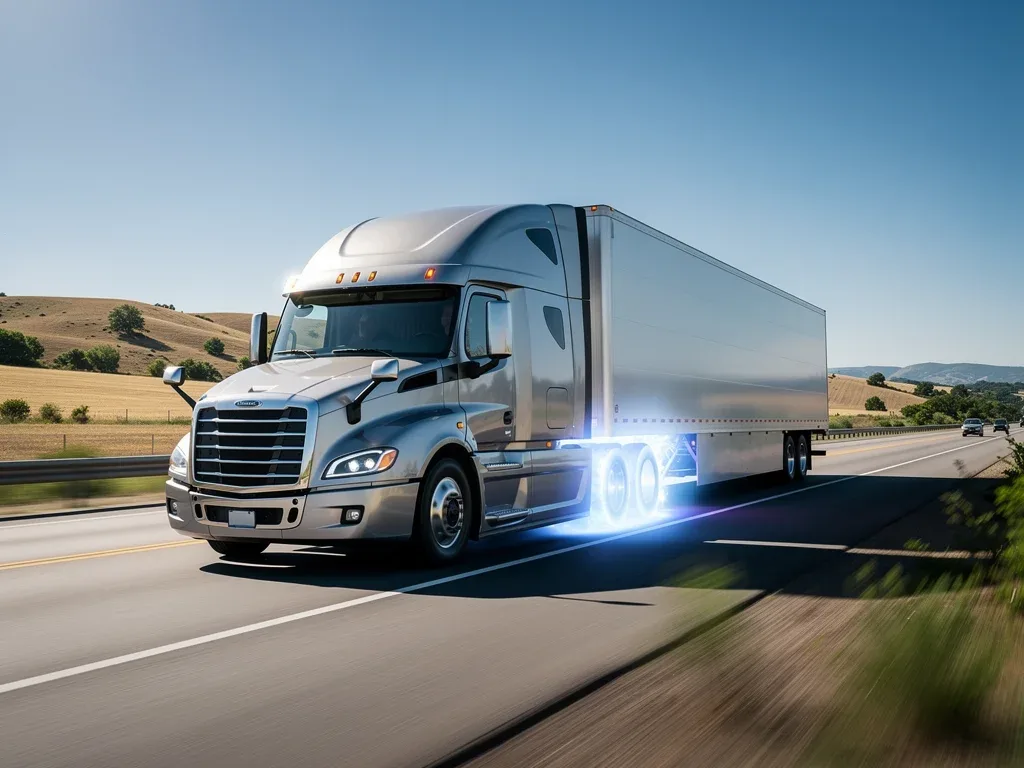
The Environmental Protection Agency has implemented new, stringent 35% emissions reduction standards for commercial transport nationwide, compelling the industry to adopt cleaner technologies and more sustainable operational practices.
EPA Issues Stricter 35% Emissions Reduction Standards for Nationwide Commercial Transport
The landscape of commercial transportation in the United States is poised for a significant transformation with the recent announcement from the Environmental Protection Agency (EPA). The EPA has issued stricter 35% emissions reduction standards for nationwide commercial transport, a move set to redefine how goods are moved across the country. This groundbreaking regulation underscores a firm commitment to environmental protection and public health, signaling a new era for fleet operators, manufacturers, and consumers alike.
This initiative isn't merely about incremental changes; it represents a substantial leap forward in the fight against climate change and air pollution. The new standards will necessitate profound shifts in vehicle design, fuel technologies, and logistical operations, pushing the industry towards a more sustainable future. Understanding the implications of these stricter regulations is crucial for anyone involved in or affected by commercial transport.
Understanding the New EPA Emissions Reduction Standards
The core of the EPA's latest directive revolves around a mandated 35% reduction in greenhouse gas (GHG) emissions from new heavy-duty vehicles. This percentage is significantly higher than previous targets, reflecting an urgent need to address the environmental impact of the commercial transport sector. These standards apply to a broad range of vehicles, from delivery trucks to long-haul semi-trailers, encompassing both diesel and alternative fuel powertrains.
The EPA's comprehensive approach aims to achieve these reductions through a combination of technological advancements and operational efficiencies. It's not just about one solution but a multifaceted strategy that encourages innovation across the board. The goal is to create a cleaner, more efficient commercial fleet that contributes positively to air quality and mitigates climate change.
Key Components of the Regulations
The new regulations are structured to address various aspects of vehicle emissions. They include specific targets for carbon dioxide (CO2), nitrogen oxides (NOx), and particulate matter (PM), all of which contribute to smog and respiratory illnesses. The standards are phased in over several years, providing manufacturers and fleet operators time to adapt.
- Engine Efficiency Improvements: Mandates for more fuel-efficient engines, including advancements in combustion technology and waste heat recovery systems.
- Aerodynamic Enhancements: Requirements for improved vehicle aerodynamics to reduce drag and enhance fuel economy, particularly for long-haul trucks.
- Advanced Powertrains: Strong incentives and eventual mandates for the adoption of zero-emission vehicle (ZEV) technologies, such as battery-electric and hydrogen fuel cell vehicles.
- Auxiliary Power Units (APUs): Regulations promoting the use of APUs to reduce idling emissions.
These components work in tandem to create a holistic framework for emissions reduction. The EPA believes that by targeting multiple areas, the industry can achieve the ambitious 35% reduction without compromising economic viability or operational effectiveness. The regulatory body has conducted extensive research and consultations to ensure these standards are both achievable and impactful.
Ultimately, these new EPA emissions reduction standards represent a significant step towards a healthier environment and a more sustainable future for commercial transport. They challenge the industry to innovate and adapt, but the long-term benefits in terms of air quality, public health, and climate stability are expected to be substantial.
Technological Innovations Driving Emissions Compliance
Meeting the stringent new 35% EPA emissions reduction standards will undoubtedly require substantial technological innovation. Vehicle manufacturers are already investing heavily in research and development to bring cleaner, more efficient commercial transport solutions to market. The focus is not just on incremental improvements but on transformative technologies that can deliver significant emissions cuts.
One of the most prominent areas of innovation is in powertrain technology. While advanced diesel engines will continue to play a role, their efficiency will be maximized through sophisticated fuel injection systems, exhaust after-treatment technologies, and engine management software. However, the long-term vision heavily favors electrification and alternative fuels.
The Rise of Electric and Hydrogen Powertrains
Electric commercial vehicles, both battery-electric (BEV) and hydrogen fuel cell electric vehicles (FCEV), are at the forefront of this technological shift. BEVs offer zero tailpipe emissions and are becoming increasingly viable for urban and regional routes as battery technology improves in terms of range and charging speed. FCEVs, on the other hand, hold immense promise for long-haul applications, offering quicker refueling times and longer ranges, with water vapor as their only emission.
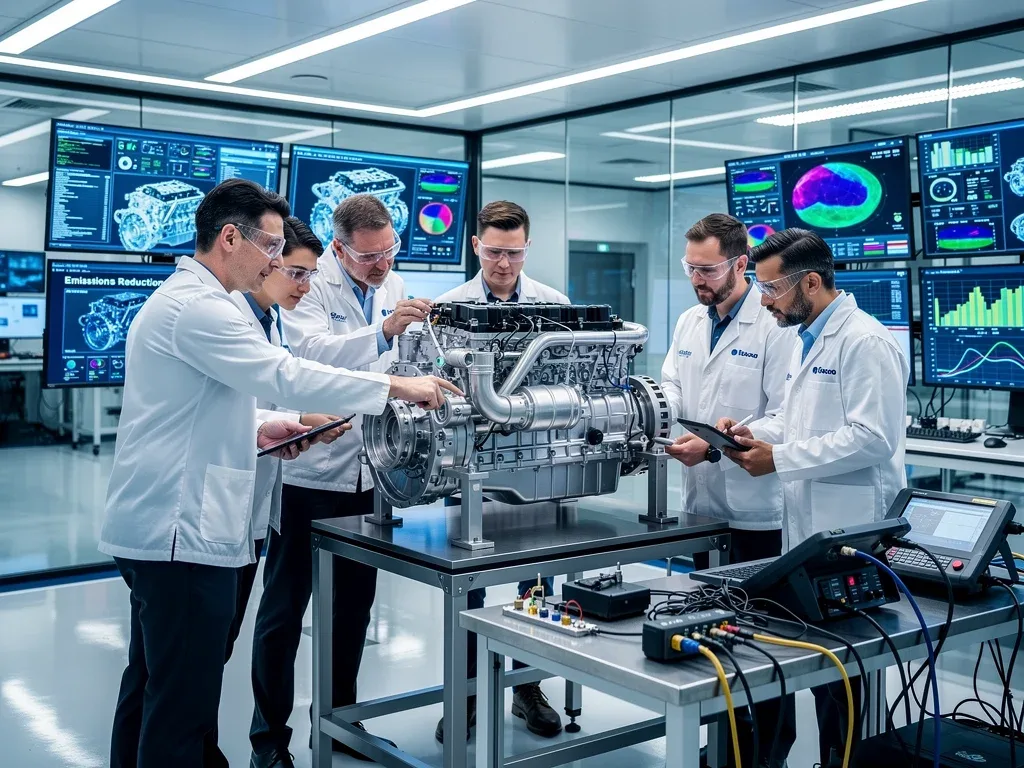
Infrastructure development for these technologies, including charging stations and hydrogen refueling networks, will be critical to their widespread adoption. Government incentives and private sector investments are accelerating this development, but challenges remain in creating a robust and accessible network across the nation.
- Battery-Electric Trucks: Ideal for last-mile delivery and regional hauling, with rapidly improving battery density and charging infrastructure.
- Hydrogen Fuel Cell Trucks: Emerging as a strong contender for long-haul routes, offering extended range and faster refueling compared to current battery technology.
- Hybrid Systems: Combining traditional internal combustion engines with electric motors to improve fuel efficiency and reduce emissions, serving as a bridge technology.
Beyond powertrains, innovations in vehicle design, such as lightweight materials and advanced aerodynamics, also contribute significantly to emissions reduction by improving overall efficiency. Smart logistics and telematics systems are enabling optimized routing and driving behaviors, further minimizing fuel consumption and emissions. These combined technological advances are essential for the industry to meet the ambitious EPA emissions reduction standards.
Economic Impact on Commercial Transport Businesses
The implementation of stricter 35% EPA emissions reduction standards will undoubtedly have a profound economic impact on commercial transport businesses across the United States. While the long-term benefits of cleaner air and a more sustainable environment are clear, the immediate challenges for fleet operators involve significant upfront investments and operational adjustments.
Purchasing new, compliant vehicles, particularly those with advanced electric or hydrogen powertrains, often entails a higher initial cost compared to traditional diesel trucks. This capital expenditure can be substantial for small and medium-sized businesses, potentially impacting their bottom line and competitiveness. However, these investments are often offset by lower operational costs over time, thanks to reduced fuel consumption and maintenance requirements.
Navigating Investment and Operational Costs
Fleet managers will need to carefully analyze the total cost of ownership (TCO) for new vehicles, factoring in not just the purchase price but also fuel savings, potential tax credits, maintenance expenses, and the lifespan of the technology. The transition period will also require investments in new infrastructure, such as charging depots for electric trucks or hydrogen refueling stations, which can be a considerable undertaking.
- Increased Vehicle Acquisition Costs: Newer, more advanced low-emission vehicles typically have a higher sticker price.
- Infrastructure Development: Investment in charging or refueling infrastructure will be necessary for adopting ZEVs.
- Training and Maintenance: Technicians will require new skills to maintain and repair electric and hydrogen vehicles.
- Fuel Cost Savings: Potential for significant savings on fuel expenses, especially with the rising cost of diesel.
Beyond vehicle costs, operational changes will also incur expenses. Driver training for new vehicle technologies, route optimization software, and potentially higher electricity costs (depending on local rates) are all factors to consider. Businesses that proactively embrace these changes and strategically invest in compliant technologies may gain a competitive advantage, while those that delay could face penalties and market disadvantages.
Ultimately, while the economic implications of the EPA emissions reduction standards present challenges, they also create opportunities for innovation, efficiency gains, and long-term sustainability for commercial transport businesses. Strategic planning and a willingness to adapt will be key to navigating this new regulatory landscape successfully.
Challenges and Opportunities for Fleet Operators
The new 35% EPA emissions reduction standards present a dual landscape of challenges and opportunities for fleet operators nationwide. Navigating this evolving regulatory environment requires foresight, strategic planning, and a willingness to embrace change. The immediate hurdles often center on financial outlays and operational adjustments.
One of the primary challenges is the sheer scale of investment required to upgrade existing fleets or transition to new, compliant vehicles. Small and independent operators, in particular, may struggle to access the capital needed for these significant purchases. Additionally, the availability and reliability of charging or refueling infrastructure for electric and hydrogen trucks, especially in rural areas, remain a concern.
Overcoming Adoption Hurdles
Integrating new technologies also brings operational complexities. Drivers and maintenance staff will require specialized training to operate and service advanced propulsion systems. The learning curve associated with these new vehicles and technologies can impact initial efficiency and productivity. Furthermore, the range anxiety associated with electric vehicles and the nascent hydrogen infrastructure are practical considerations that fleet managers must address.

However, alongside these challenges lie significant opportunities. Early adopters of low-emission technologies can position themselves as industry leaders, attracting environmentally conscious clients and potentially benefiting from government incentives and subsidies. Reduced fuel and maintenance costs associated with electric vehicles can lead to long-term operational savings, improving profitability.
- Access to Funding: Government grants, tax credits, and financing options can help offset initial investment costs.
- Enhanced Brand Image: Operating a green fleet can improve public perception and attract new business opportunities.
- Operational Efficiencies: Optimized routes, reduced idling, and lower fuel consumption can lead to significant savings.
- Technological Advantages: Gaining expertise in advanced vehicle technologies can provide a competitive edge.
The EPA emissions reduction standards also foster innovation within the logistics sector, encouraging the development of smarter routing software, more efficient loading practices, and integrated fleet management solutions. Fleet operators who strategically leverage these opportunities can not only achieve compliance but also enhance their overall business performance and contribute to a more sustainable future.
Government Initiatives and Support Programs
To facilitate the transition to cleaner commercial transport in line with the stricter 35% EPA emissions reduction standards, various government initiatives and support programs are being rolled out. These programs aim to alleviate the financial burden on businesses and accelerate the adoption of low-emission technologies, ensuring a smoother compliance pathway for the industry.
Federal and state governments are recognizing the significant investment required by fleet operators and are responding with a range of incentives. These often include tax credits for purchasing electric or alternative fuel vehicles, grants for infrastructure development, and funding for research and development into new clean technologies. The goal is to make the economic case for going green more compelling.
Incentives for Cleaner Fleets
One of the most direct forms of support comes through financial incentives. For instance, some programs offer rebates or tax credits for the acquisition of zero-emission trucks, helping to narrow the price gap between conventional and advanced vehicles. There are also initiatives focused on building out the necessary charging and refueling infrastructure, recognizing that robust infrastructure is key to widespread adoption.
- Federal Tax Credits: Incentives for purchasing eligible clean commercial vehicles and installing charging infrastructure.
- State-Level Rebates and Grants: Many states offer additional financial assistance programs tailored to their specific environmental goals.
- Infrastructure Funding: Government investments in expanding the national network of electric charging and hydrogen refueling stations.
- Pilot Programs and Demonstrations: Funding for testing and deploying new clean transport technologies in real-world scenarios.
Beyond direct financial aid, the government is also investing in workforce development programs to train mechanics and technicians in the maintenance and repair of electric and hydrogen vehicles. This addresses a critical need for skilled labor in the evolving commercial transport sector. Regulatory flexibility, where possible, might also be offered during the initial phases of implementation to allow businesses to gradually adapt.
These government initiatives are crucial in creating an ecosystem that supports the industry's shift towards meeting the EPA emissions reduction targets. By providing a combination of financial incentives, infrastructure development, and workforce training, the government aims to ensure that the transition is not only environmentally beneficial but also economically feasible for commercial transport businesses.
The Future of Commercial Transport Under New Standards
The introduction of the stricter 35% EPA emissions reduction standards marks a pivotal moment for the future of commercial transport. This regulatory push is not just about compliance; it's about fundamentally reshaping an industry that is vital to the nation's economy. The long-term outlook suggests a fleet that is dramatically cleaner, more efficient, and technologically advanced.
We can anticipate a rapid acceleration in the development and deployment of zero-emission vehicle (ZEV) technologies. While diesel will likely remain part of the mix for some time, its role will diminish as electric and hydrogen powertrains become more sophisticated and cost-effective. This shift will necessitate a complete overhaul of manufacturing processes, supply chains, and maintenance protocols.
Anticipated Industry Evolution
The focus will increasingly move towards integrated solutions that combine advanced vehicle technology with smart logistics and energy management systems. Companies that embrace data analytics for route optimization, predictive maintenance, and energy consumption monitoring will be better positioned to thrive in this new environment. The entire ecosystem, from vehicle production to end-of-life recycling, will need to adapt to these new realities.
- Dominance of ZEVs: Electric and hydrogen-powered trucks will become the standard, particularly for new vehicle purchases.
- Smart Logistics: Enhanced use of AI and data for route optimization, load balancing, and operational efficiency.
- Decentralized Energy: Increased reliance on renewable energy sources for charging and hydrogen production.
- Circular Economy Principles: Greater emphasis on vehicle and component recycling to minimize environmental impact.
The new EPA emissions reduction standards will also foster a more competitive market for clean transport solutions, driving down costs and improving performance over time. This will ultimately benefit consumers through reduced transportation costs and, more importantly, a healthier environment. The industry will likely see new partnerships emerge between traditional vehicle manufacturers, tech companies, and energy providers, all working towards a common goal of sustainable transportation.
In essence, the future of commercial transport under these new standards is one of innovation, sustainability, and collaboration. It's a future where the movement of goods is not only efficient but also environmentally responsible, contributing to a healthier planet for generations to come.
| Key Point | Brief Description |
|---|---|
| 35% Emissions Cut | New EPA mandate for significant greenhouse gas reduction from commercial vehicles. |
| Technological Shift | Emphasis on electric, hydrogen, and advanced combustion engine technologies. |
| Economic Impact | Higher upfront costs for new vehicles and infrastructure, balanced by long-term operational savings. |
| Government Support | Tax credits, grants, and infrastructure funding to assist with compliance. |
Frequently Asked Questions About EPA Emissions Standards
What are the new EPA emissions reduction standards for commercial transport?▼The EPA has mandated a stricter 35% reduction in greenhouse gas emissions for new heavy-duty commercial vehicles across the United States. These standards aim to significantly curb air pollution and combat climate change by pushing the industry towards cleaner technologies and more efficient operations.
When do these new emissions standards take effect?▼The new EPA emissions reduction standards are being phased in over several years, with specific timelines for different vehicle categories and emission types. This phased approach allows manufacturers and fleet operators adequate time to adapt to the new requirements and implement necessary technological upgrades and operational changes.
How will these standards impact current commercial vehicle fleets?▼Existing fleets will not be immediately required to meet the new 35% reduction targets for currently operating vehicles. However, businesses will need to purchase new vehicles that comply with these standards, influencing fleet renewal strategies. Older vehicles may still face regional emissions regulations or incentives for early retirement and replacement.
What technologies are key to meeting the new EPA emissions reduction standards?▼Key technologies include advanced diesel engines with improved efficiency, exhaust after-treatment systems, and a significant shift towards zero-emission vehicles like battery-electric and hydrogen fuel cell trucks. Aerodynamic enhancements and lightweight materials also play a crucial role in reducing overall energy consumption and emissions.
Are there government incentives available to help businesses comply?▼Yes, both federal and state governments are offering various incentives to support compliance. These include tax credits for purchasing clean commercial vehicles, grants for developing charging and refueling infrastructure, and funding for research into new clean technologies. These programs aim to ease the financial burden of transitioning to greener fleets.
Conclusion
The EPA's decision to implement stricter 35% emissions reduction standards for nationwide commercial transport marks a definitive turning point for the industry. This ambitious regulatory framework is set to drive unprecedented innovation, foster widespread adoption of cleaner technologies, and ultimately lead to significant improvements in air quality and public health across the United States. While the transition presents both economic and operational challenges for fleet operators and manufacturers, the long-term benefits of a sustainable, environmentally responsible commercial transport sector are undeniable. Government support programs and ongoing technological advancements will be crucial in navigating this transformation, ensuring that the future of freight movement is not only efficient but also aligns with critical environmental imperatives.
