New FAA Rule: Mandatory Cash Compensation for Flight Delays
Advertisements
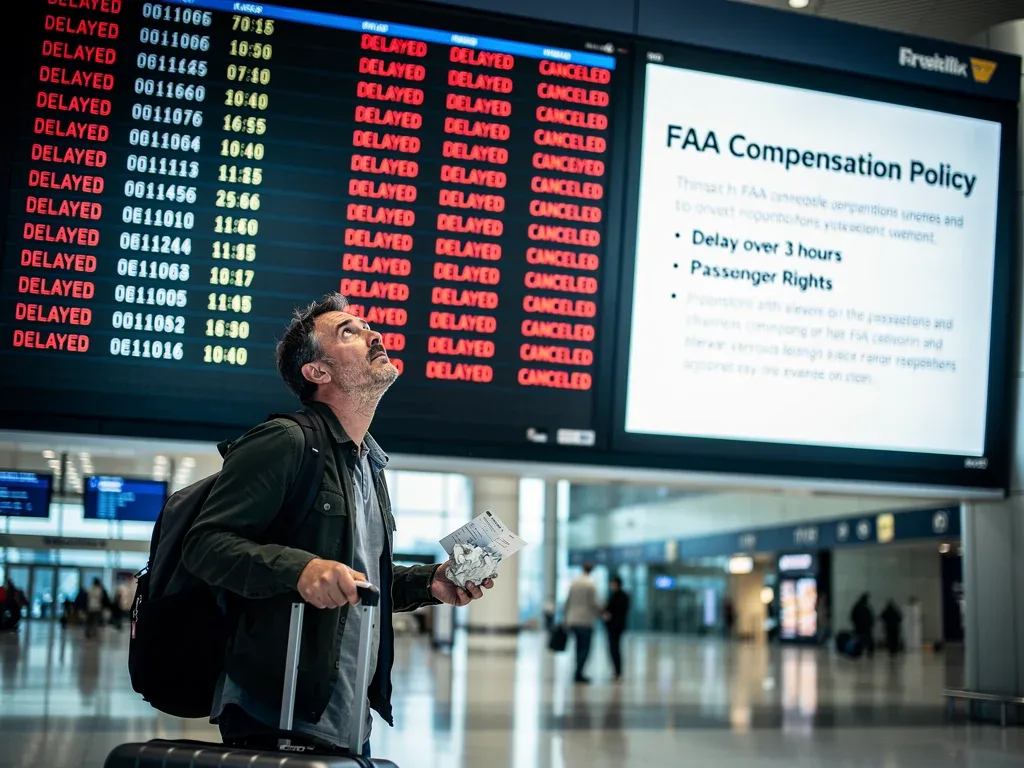
The New Federal Aviation Rule imposes mandatory cash compensation for domestic flights delayed over 3 hours, significantly enhancing passenger protections and holding airlines accountable for disruptions, ensuring travelers receive fair remuneration for significant inconveniences.
Travelers across the United States have long faced the frustrating reality of flight delays, often with little recourse beyond rebooking or vouchers. However, a significant shift is underway with the introduction of a New Federal Aviation Rule Imposes Mandatory Cash Compensation for Domestic Flights Delayed Over 3 Hours, fundamentally reshaping the landscape of air travel consumer rights.
Understanding the New FAA Compensation Rule
The recent announcement by the Federal Aviation Administration (FAA) marks a pivotal moment for air travelers. This new rule mandates that airlines provide cash compensation to passengers whose domestic flights are delayed by three hours or more, a measure aimed at enhancing consumer protection and holding airlines more accountable for service disruptions.
For years, the issue of flight delays has been a major point of contention between passengers and airlines. While some airlines offered various forms of compensation, it was often inconsistent, discretionary, and rarely in the form of direct cash. This new federal mandate seeks to standardize the process, ensuring a baseline level of protection for all domestic travelers.
What Constitutes a Covered Delay?
Under the new FAA rule, a delay is generally considered to begin when the aircraft's doors close for departure and extends until the doors open upon arrival at the destination. The three-hour threshold is critical, as it triggers the mandatory cash compensation requirement.
- Delay duration calculated from scheduled departure to actual arrival.
- Applies to domestic flights within the United States.
- Compensation is mandatory, not discretionary.
The rule specifically targets delays that are within the airline's control. This distinction is crucial, as it differentiates between issues like mechanical failures or crew shortages, which would trigger compensation, and external factors such as severe weather or air traffic control restrictions, which typically would not. This focus ensures that airlines are held responsible for operational inefficiencies rather than unforeseen acts of nature.
In conclusion, the new FAA compensation rule represents a significant step forward for passenger rights. By defining what constitutes a covered delay and mandating cash compensation, it aims to provide a clearer, more equitable system for dealing with flight disruptions, ultimately benefiting millions of travelers annually.
Impact on Airlines and Operational Adjustments
The implementation of the New Federal Aviation Rule Imposes Mandatory Cash Compensation for Domestic Flights Delayed Over 3 Hours will undoubtedly have a profound impact on airline operations. Airlines will need to re-evaluate their current protocols, potentially investing in new technologies and strategies to minimize delays and manage compensation claims efficiently.
This rule introduces a significant financial incentive for airlines to improve their on-time performance. The cost of mandatory cash compensation could quickly add up, especially for carriers with frequent delays. This financial pressure is expected to drive operational improvements, from better maintenance schedules to more robust crew management systems.
Technological Upgrades and Data Analysis
To comply with the new rule and mitigate financial exposure, airlines are likely to invest heavily in technological upgrades. This includes advanced flight tracking systems, predictive analytics for potential delays, and streamlined processes for handling compensation claims.
- Enhanced real-time flight monitoring.
- Predictive modeling for operational disruptions.
- Automated compensation claim processing.
Furthermore, airlines will need to refine their data analysis capabilities to accurately identify the causes of delays and determine eligibility for compensation. This will involve a deeper dive into operational data to pinpoint recurring issues and implement targeted solutions. The goal is not just to pay compensation, but to prevent the circumstances that necessitate it in the first place.
Ultimately, the new rule pushes airlines towards greater operational resilience and transparency. While challenging, these adjustments could lead to a more reliable and passenger-friendly air travel experience, as airlines strive to avoid the financial penalties associated with prolonged delays.
Passenger Rights and How to Claim Compensation
For the average traveler, the New Federal Aviation Rule Imposes Mandatory Cash Compensation for Domestic Flights Delayed Over 3 Hours translates into tangible new rights and a clear path to recourse. Understanding these rights and the process for claiming compensation is essential for any domestic air traveler.
Before this rule, seeking compensation for delays was often a confusing and frustrating endeavor, with outcomes varying wildly between airlines. Now, passengers have a federal standard to rely on, providing a much-needed layer of protection and clarity. It empowers individuals to seek fair remuneration for significant disruptions to their travel plans.
Steps to Secure Your Compensation
When faced with a delay exceeding three hours, passengers should take specific steps to ensure they can claim their entitled cash compensation. Documentation is key, as is understanding the airline's specific process, which will be standardized under the new regulations.
- Document the delay: exact times, flight number, reason given.
- Keep all boarding passes and travel documents.
- Contact the airline's customer service or designated compensation portal.
Airlines are now obligated to clearly communicate the compensation policy and the process for claiming it. This should include easily accessible information on their websites and potentially at airport customer service desks. Passengers should be proactive in requesting information and initiating their claim as soon as the delay threshold is met.
In summary, while the new rule simplifies the process, passengers still play an active role in securing their compensation. By being informed and organized, travelers can effectively exercise their new rights and receive the mandatory cash compensation they are due.
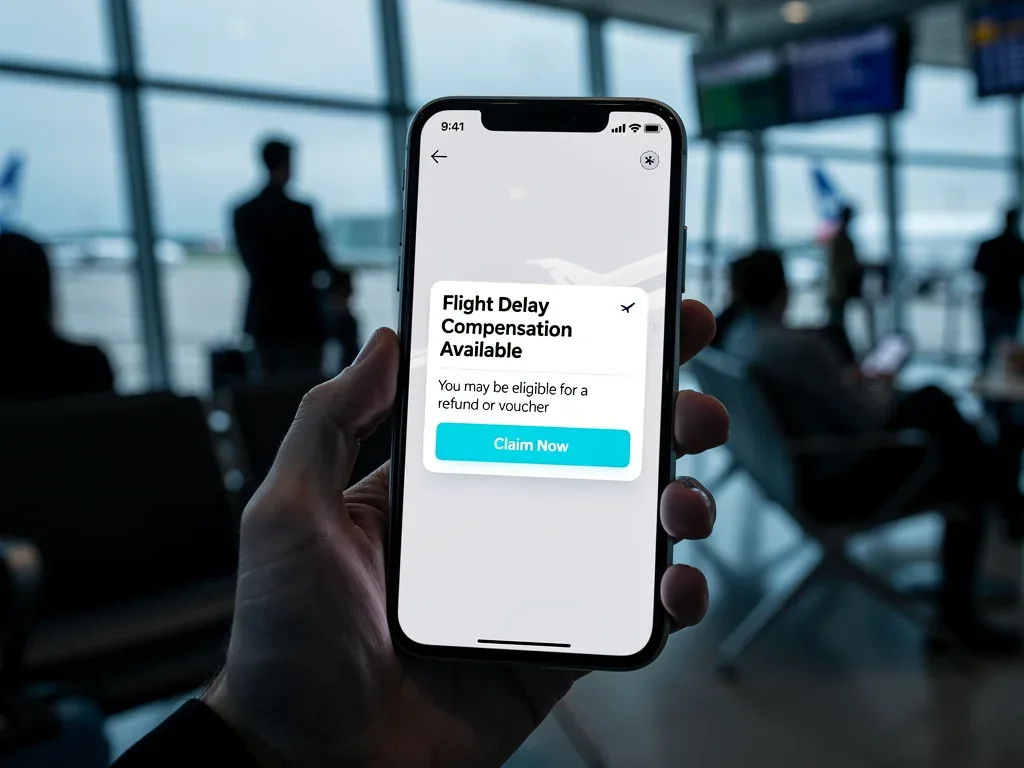
Exclusions and Limitations to the Rule
While the New Federal Aviation Rule Imposes Mandatory Cash Compensation for Domestic Flights Delayed Over 3 Hours significantly enhances passenger rights, it's important to understand that there are specific exclusions and limitations. Not every delay will automatically trigger cash compensation, and certain circumstances fall outside the scope of the airline's direct responsibility.
The rule is primarily designed to address delays that are within the airline's control, meaning those caused by operational issues, mechanical problems, or staffing shortages. This distinction is crucial for both airlines and passengers, as it defines the boundaries of mandatory compensation.
Common Exclusions from Compensation
Several factors can lead to flight delays that are not subject to mandatory cash compensation under the new FAA rule. These typically involve circumstances beyond the airline's reasonable control, which are considered unavoidable disruptions to air travel.
- Severe weather conditions (e.g., blizzards, hurricanes, heavy fog).
- Air traffic control (ATC) restrictions or national airspace system issues.
- Security threats or unforeseen airport operational disruptions.
It's important for passengers to verify the stated reason for a delay. While airlines may initially cite external factors, persistent issues that could have been mitigated by better airline planning (e.g., insufficient de-icing equipment during expected winter weather) might still fall under the compensation rule. The FAA aims for a nuanced application, distinguishing between truly uncontrollable events and those where airline preparedness could have made a difference.
Understanding these limitations ensures that passengers have realistic expectations and can navigate the compensation process effectively. While the rule provides significant new protections, it's not a blanket solution for every travel disruption.
Broader Implications for Air Travel Consumer Protection
The introduction of mandatory cash compensation for flight delays is not an isolated event but rather a significant step within a broader movement towards enhanced air travel consumer protection. The New Federal Aviation Rule Imposes Mandatory Cash Compensation for Domestic Flights Delayed Over 3 Hours signals a more proactive approach from regulators to safeguard passenger interests.
This rule follows a trend of increasing scrutiny on airline practices, spurred by consumer advocacy groups and a growing public demand for greater accountability. It demonstrates a recognition that the financial burden of airline-caused delays should not solely fall on the consumer.
Future Regulatory Landscape
This new FAA rule may pave the way for further consumer protection measures in the airline industry. It sets a precedent for direct financial accountability, which could extend to other areas of airline service in the future.
- Potential for expanded compensation categories (e.g., lost baggage, denied boarding).
- Increased transparency in ticketing and ancillary fees.
- Stronger enforcement mechanisms for consumer rights violations.
The regulatory landscape is likely to continue evolving, with a focus on making air travel more predictable and passenger-friendly. Airlines will need to adapt not just to this current rule, but to an environment where consumer rights are increasingly prioritized and enforced. This shift benefits not only the individual traveler but also helps to foster greater trust and reliability within the entire air travel ecosystem.
In conclusion, the new compensation rule is a cornerstone of a more robust consumer protection framework, indicating a future where passengers can expect greater fairness and accountability from airlines.

Comparing US Rule with International Standards
The New Federal Aviation Rule Imposes Mandatory Cash Compensation for Domestic Flights Delayed Over 3 Hours brings the United States closer to international standards, particularly those established in Europe. While differences remain, this new rule represents a significant convergence in passenger protection policies.
Historically, European regulations, such as EU261, have been far more comprehensive in mandating compensation for flight delays and cancellations. The U.S. approach has traditionally relied more on airline voluntary commitments and market competition. This new FAA rule signifies a shift towards a more regulated and prescriptive model.
Key Differences and Similarities
While the U.S. is moving towards mandatory compensation, there are still notable distinctions when compared to regulations like EU261. Understanding these differences helps put the new FAA rule into a global context.
- EU261 often provides higher, tiered compensation based on delay length and distance.
- The U.S. rule currently focuses on domestic flights, whereas EU261 covers flights originating or arriving in the EU.
- Both systems share the common goal of holding airlines accountable for controllable delays.
The U.S. rule's focus on a fixed three-hour threshold for domestic flights is a clear step, but it might still be considered less expansive than some international counterparts which offer compensation for shorter delays or more varied scenarios. However, the move to mandatory cash compensation, rather than vouchers or rebooking, is a crucial alignment with global best practices.
Ultimately, this new FAA rule positions the U.S. as a stronger advocate for passenger rights on the global stage. It reflects a growing international consensus that travelers deserve tangible recourse when their plans are disrupted by airline operational issues, fostering a more equitable air travel experience worldwide.
| Key Aspect | Brief Description |
|---|---|
| Compensation Trigger | Domestic flight delay of 3 hours or more. |
| Compensation Type | Mandatory cash compensation. |
| Covered Delays | Delays within airline's control (e.g., mechanical, crew). |
| Passenger Action | Document delay, keep records, contact airline for claim. |
Frequently Asked Questions About Flight Delay Compensation
What exactly does the new FAA rule on flight delays mean for me?▼The new FAA rule means that if your domestic flight is delayed by three hours or more due to reasons within the airline's control, you are now entitled to mandatory cash compensation. This is a significant shift from previous policies, which often only offered vouchers or rebooking.
How do I prove my flight was delayed for compensation?▼To prove your flight was delayed, keep detailed records including your boarding pass, flight number, scheduled and actual departure/arrival times, and any communication from the airline regarding the delay. Screenshots of flight status apps can also be helpful. This documentation will support your claim.
Are all flight delays covered by this new compensation rule?▼No, not all flight delays are covered. The rule specifically applies to delays that are within the airline's control, such as mechanical issues, crew shortages, or operational inefficiencies. Delays caused by external factors like severe weather or air traffic control restrictions are typically excluded.
How much cash compensation can I expect for a delayed flight?▼The specific amount of cash compensation will be determined by the FAA and the airlines, and details will be made public. While the rule mandates cash, the exact sum may vary depending on the length of the delay and other factors as outlined in the final regulation.
What should I do if an airline refuses to provide compensation?▼If an airline refuses to provide compensation for a covered delay, you should first re-verify your documentation and the reason for the delay. If you believe you are entitled, you can then file a complaint with the Department of Transportation (DOT) for further assistance and investigation.
Conclusion
The New Federal Aviation Rule Imposes Mandatory Cash Compensation for Domestic Flights Delayed Over 3 Hours represents a landmark achievement in air travel consumer protection. By establishing clear guidelines and mandating direct financial recourse for passengers, it shifts the accountability for significant delays firmly onto the airlines. This pivotal change is expected to drive operational improvements across the industry, fostering greater reliability and transparency. For travelers, it means more than just a right to compensation; it signifies a stronger voice and a more equitable experience in the skies. As the rule takes full effect, both airlines and passengers will adapt to this new era of enhanced accountability and stronger consumer safeguards.
