FCC Mandates AI Scam Call Filters Within 90 Days
Advertisements
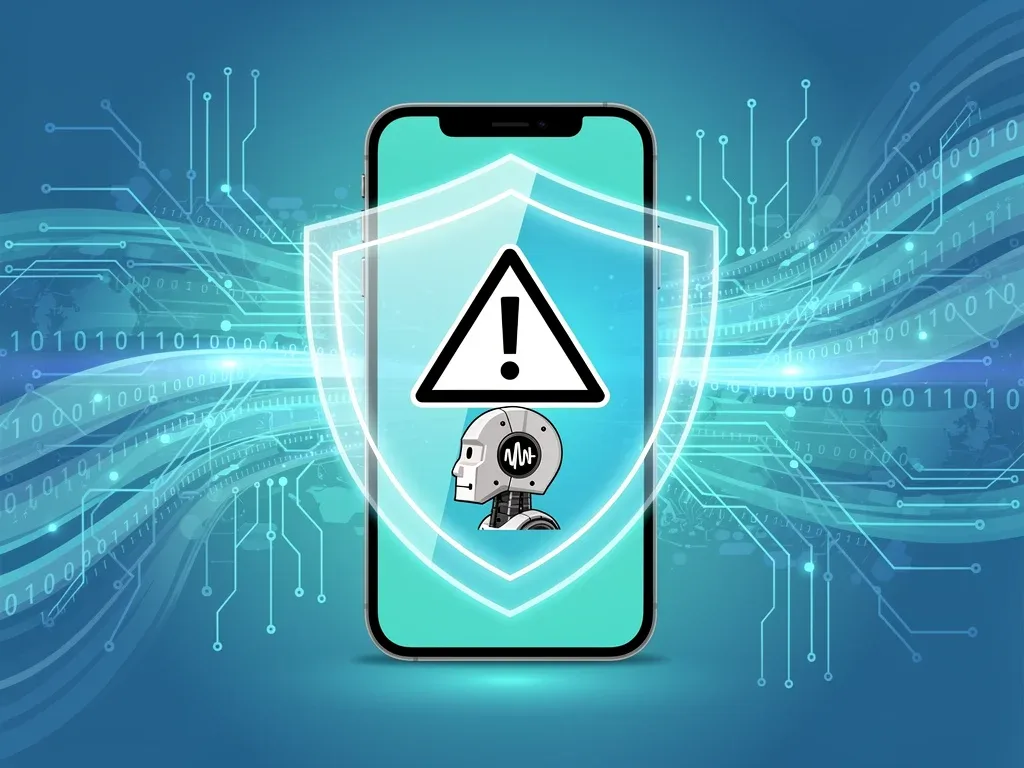
The Federal Communications Commission (FCC) has mandated major telecommunications carriers to implement robust AI-generated scam call filtering mechanisms within 90 days, aiming to significantly curb the proliferation of sophisticated fraudulent robocalls impacting consumers nationwide.
The landscape of telecommunications fraud is undergoing a significant transformation, with artificial intelligence (AI) now being leveraged by malicious actors to create highly convincing scam calls. Recognizing this escalating threat, the Federal Communications Commission (FCC) has taken decisive action. The FCC now requires major telecommunications carriers to filter AI-generated scam calls within 90 days, a move designed to protect American consumers from increasingly sophisticated and pervasive fraudulent schemes. This directive marks a critical turning point in the battle against robocalls, signaling a proactive approach to safeguard individuals and businesses alike.
The Escalating Threat of AI-Generated Scam Calls
The advent of artificial intelligence has brought about revolutionary advancements across various sectors, but like any powerful technology, it carries the potential for misuse. In the realm of telecommunications, AI is increasingly being weaponized by fraudsters to generate highly convincing and personalized scam calls. These aren't the easily identifiable, robotic voices of yesteryear; modern AI can mimic human speech patterns, accents, and even specific voices, making it incredibly difficult for unsuspecting individuals to differentiate between a legitimate call and a fraudulent one.
The sophistication of these AI-generated scams poses a significant challenge to traditional call filtering methods. Fraudsters can leverage AI to create dynamic scripts, adapt to conversational cues, and even employ voice cloning techniques to impersonate trusted individuals or organizations. This elevated level of deception leads to substantial financial losses for consumers and erodes public trust in telecommunications services. The FCC's mandate is a direct response to this evolving threat, acknowledging that conventional approaches are no longer sufficient to combat the scale and complexity of AI-powered fraud.
The Rise of Voice Cloning and Deepfakes
One of the most alarming applications of AI in scam calls is voice cloning, also known as deepfake audio. This technology allows fraudsters to synthesize a person's voice from a small audio sample, often obtained from publicly available content online. Imagine receiving a call from what sounds exactly like a family member in distress, asking for urgent financial assistance. The emotional manipulation inherent in such a scenario makes these scams particularly potent and dangerous.
- Emotional Exploitation: Voice cloning preys on emotional connections, making victims more susceptible.
- Credibility Boost: Impersonating trusted voices significantly increases the scam's perceived legitimacy.
- Rapid Proliferation: AI tools enable fraudsters to generate a high volume of these personalized scams quickly.
The ability to mimic voices adds a layer of authenticity that can bypass even cautious individuals, leading to devastating financial and emotional consequences. The FCC's mandate aims to put robust technological barriers in place to detect and block these sophisticated manipulations before they reach consumers.
Furthermore, AI can analyze vast datasets to identify vulnerable targets and tailor scam narratives to their specific circumstances, increasing the likelihood of success. This targeted approach, combined with the convincing vocal delivery, creates a formidable challenge for individuals trying to navigate the deluge of unwanted calls. The urgency of the FCC's 90-day deadline underscores the critical need for immediate and effective countermeasures against these rapidly advancing fraudulent tactics.
FCC's Mandate: A New Era in Robocall Defense
The Federal Communications Commission's recent directive represents a significant escalation in the ongoing fight against illegal robocalls and scam attempts. By requiring major telecommunications carriers to deploy AI-generated scam call filtering solutions within 90 days, the FCC is setting a new standard for consumer protection. This mandate shifts the burden of defense from individual consumers, who often lack the tools and expertise to identify and block sophisticated scams, to the carriers themselves, who control the network infrastructure.
The decision stems from growing concerns over the increasing prevalence and complexity of AI-powered robocalls, which have proven more effective at evading detection and deceiving recipients. The FCC's move is a clear signal that regulatory bodies are adapting to the evolving technological landscape of fraud, pushing for advanced solutions to protect the public. This proactive stance is crucial given the rapid advancements in AI capabilities and their potential for malicious application.
Key Components of the FCC's Directive
The FCC's mandate isn't just a blanket requirement; it outlines specific expectations for carriers to ensure effective implementation. This includes not only the deployment of filtering technology but also a commitment to continuous improvement and adaptation as AI scam tactics evolve. The focus is on robust, dynamic systems capable of identifying and blocking calls that exhibit characteristics of AI generation, such as unnatural speech patterns, repetitive phrases, or suspicious conversational flows.
- Proactive Detection: Carriers must implement systems that actively identify and flag suspicious calls.
- Advanced Analytics: Utilizing AI and machine learning to analyze call patterns and content for fraudulent indicators.
- Rapid Response: The ability to quickly update filtering mechanisms in response to new scam trends.
This directive pushes carriers to move beyond simple blocklists and embrace more sophisticated, behavioral analysis tools. The goal is to create a dynamic defense system that can learn and adapt, much like the AI used by fraudsters. The 90-day timeline emphasizes the urgency of this transition, recognizing the immediate threat posed by these calls.
Furthermore, the mandate is expected to foster greater collaboration between carriers and technology providers to develop and refine these filtering solutions. By setting a clear regulatory expectation, the FCC encourages innovation in the cybersecurity space specifically tailored to telecommunications fraud. This collective effort is vital for building a resilient defense against the ever-changing tactics of AI-powered scammers.
Technological Challenges and Solutions for Carriers
Implementing AI-generated scam call filtering within a 90-day window presents significant technological challenges for major telecommunications carriers. These networks are vast and complex, handling billions of calls daily. Integrating sophisticated AI-driven filtering systems without disrupting legitimate communications requires substantial investment in infrastructure, software development, and expert personnel. The task is not merely about blocking calls but about accurately identifying fraudulent ones while ensuring legitimate calls are never mistakenly flagged or dropped.
Carriers will need to deploy advanced machine learning models capable of real-time analysis of audio streams, voice characteristics, and conversational context. This involves processing immense amounts of data at lightning speed to make filtering decisions. The accuracy of these systems is paramount, as false positives could lead to critical calls, such as emergency services or important business communications, being blocked. Therefore, the solutions must be robust, highly accurate, and continuously adaptive.

AI and Machine Learning in Filtering
At the core of these new filtering solutions will be advanced AI and machine learning algorithms. These technologies can learn from vast datasets of known scam calls, identifying patterns and anomalies that indicate fraudulent intent. This includes analyzing voice characteristics, such as tone, cadence, and artificiality, as well as linguistic patterns and common scam phrases. The systems must be dynamic, continuously updated with new scam intelligence to stay ahead of fraudsters.
- Behavioral Analysis: Identifying suspicious call patterns, such as high volume from new numbers or unusual call durations.
- Voice Biometrics: Analyzing unique voice characteristics to detect synthetic or cloned voices.
- Contextual Understanding: Interpreting the content of a conversation to flag common scam narratives.
The development and deployment of such sophisticated AI models require specialized expertise and significant computational resources. Carriers may partner with cybersecurity firms and AI specialists to accelerate their implementation efforts. The goal is to create an intelligent defense layer that can evolve as quickly as the threats it faces.
Furthermore, the integration of these AI filters must be seamless within existing network architectures. This means ensuring compatibility with various call routing protocols and maintaining high performance under heavy traffic loads. The challenge is not just in building the AI, but in effectively embedding it into the intricate fabric of modern telecommunications networks to provide real-time, accurate protection without impeding legitimate communication flows.
Impact on Consumers and Businesses
The FCC's directive for major telecommunications carriers to filter AI-generated scam calls within 90 days is poised to have a profound positive impact on both consumers and businesses across the United States. For consumers, this mandate promises a significant reduction in the deluge of unwanted and potentially harmful robocalls. The emotional distress, financial losses, and privacy concerns associated with these scams have been a growing burden, and effective filtering will alleviate much of this pressure.
Individuals can expect fewer interruptions from fraudulent calls, leading to greater peace of mind and a restoration of trust in their phone service. The ability to trust incoming calls is fundamental to daily life, from receiving important notifications to staying connected with loved ones. By tackling the source of these sophisticated scams, the FCC aims to create a safer digital environment for everyone.
Benefits for Everyday Americans
The direct benefits for everyday Americans are numerous and far-reaching. Beyond the reduction in nuisance calls, there's a strong potential for a decrease in financial fraud, which often targets vulnerable populations. The elderly, in particular, are frequently victims of sophisticated phone scams, and enhanced filtering can provide a crucial layer of protection.
- Reduced Financial Losses: Fewer successful scams mean fewer people losing money to fraudsters.
- Improved Privacy: Less exposure to unsolicited and deceptive calls protects personal information.
- Enhanced Trust: Rebuilding confidence in phone communication as a reliable and safe medium.
This initiative also frees up valuable time that consumers previously spent screening calls, reporting scams, or dealing with the aftermath of fraud. The cumulative effect of these improvements will contribute to a better quality of life and a more secure financial landscape for millions.
For businesses, the impact is equally significant. Robocalls not only target consumers but also disrupt business operations, tying up phone lines and wasting employee time. Effective filtering will reduce the volume of fraudulent calls reaching businesses, allowing them to focus on legitimate customer interactions and improving operational efficiency. Furthermore, businesses that rely on outbound calls, such as customer service centers, will benefit from a clearer network, reducing the chances of their legitimate calls being mistakenly flagged as spam by other filtering systems.
Regulatory Framework and Enforcement
The FCC's decision to require major telecommunications carriers to filter AI-generated scam calls within 90 days is underpinned by a robust regulatory framework and a commitment to rigorous enforcement. This mandate is not merely a suggestion but a binding requirement, leveraging the FCC's authority to regulate interstate and international communications. The agency has a long history of combating robocalls through various initiatives, and this new directive builds upon that foundation, adapting to the latest technological threats.
The regulatory framework empowers the FCC to impose penalties on carriers who fail to comply with the new filtering requirements. These penalties can range from fines to other enforcement actions, providing a strong incentive for carriers to prioritize and effectively implement the mandated solutions. The FCC is expected to closely monitor carrier compliance, ensuring that the spirit and letter of the directive are upheld to protect consumers.
FCC's Authority and Previous Actions
The FCC's authority to issue such mandates stems from its role in overseeing the nation's communications infrastructure. Over the years, the commission has taken several steps to combat unwanted calls, including the implementation of the STIR/SHAKEN caller ID authentication framework, which helps verify the legitimacy of calls. This new AI filtering mandate is a logical progression, addressing a sophisticated loophole that AI has created.
- STIR/SHAKEN Implementation: A previous FCC initiative to combat caller ID spoofing.
- Enforcement Bureau Actions: Regular fines and actions against robocall perpetrators and facilitating carriers.
- Public Outreach: Educating consumers on how to identify and report scam calls.
The agency's proactive approach demonstrates a clear understanding of the evolving threat landscape and a willingness to use its regulatory powers to drive necessary industry changes. The 90-day compliance window is ambitious, signaling the urgency with which the FCC views the problem of AI-generated scam calls.
Moreover, the FCC is likely to work in conjunction with other federal agencies, such as the Federal Trade Commission (FTC), to ensure a comprehensive approach to combating telecommunications fraud. This multi-agency collaboration will help to identify emerging threats, share intelligence, and coordinate enforcement efforts, creating a more unified front against fraudsters. The success of this mandate will largely depend on the diligent oversight and enforcement capabilities of the FCC.
The Future of Call Filtering and AI Evolution
The FCC's mandate requiring major telecommunications carriers to filter AI-generated scam calls within 90 days is a significant step, but it also highlights the continuous evolution required in call filtering technologies. As carriers implement and refine their AI-powered defenses, fraudsters will undoubtedly seek new ways to circumvent these measures. This creates an ongoing arms race between those developing protective technologies and those exploiting AI for malicious purposes. The future of call filtering will therefore depend on constant innovation and adaptability.
The next phase will likely involve even more sophisticated AI models that can detect subtle anomalies in voice, language, and call patterns that are currently beyond the scope of existing systems. This includes developing predictive analytics to anticipate new scam trends and implementing real-time threat intelligence sharing across the industry. The goal is to move towards a truly adaptive and proactive defense mechanism that can evolve in lockstep with, or even ahead of, the threats.

Anticipating Future AI Scam Tactics
As filtering technologies improve, fraudsters will inevitably refine their tactics. This could involve more advanced AI voice synthesis that is indistinguishable from human speech, more complex conversational agents, or the use of AI to dynamically generate new phone numbers and spoof caller IDs more effectively. The industry must be prepared for these advancements and continuously invest in research and development to maintain a defensive edge.
- Generative AI for Evasion: Fraudsters may use generative AI to create novel scam scripts and voice variations.
- Decentralized Attack Vectors: Exploring new communication channels or platforms to bypass traditional filters.
- Adaptive Learning: AI systems learning from blocked calls to improve their evasion techniques.
The ability to anticipate and counter these future threats will require a collaborative effort between carriers, technology providers, regulators, and even academic institutions. Sharing threat intelligence and best practices will be crucial for developing a collective defense that is resilient against emerging AI-powered scams. The 90-day mandate is just the beginning of a long-term commitment to cybersecurity in telecommunications.
Ultimately, the effectiveness of these filtering systems will rely on their capacity for continuous learning and adaptation. Static solutions will quickly become obsolete in the face of rapidly evolving AI. The future will see more dynamic, self-improving AI defenses that can identify and neutralize new threats as they emerge, ensuring that consumers remain protected in an increasingly complex digital world.
Collaboration and Industry Best Practices
The successful implementation of the FCC's mandate to filter AI-generated scam calls within 90 days hinges not only on individual carrier efforts but also on robust industry-wide collaboration and the adoption of best practices. The scale of the problem, with its constantly evolving AI-driven tactics, necessitates a unified front. No single carrier can effectively combat this threat in isolation; shared intelligence, standardized protocols, and a collective commitment to consumer protection are paramount.
Industry collaboration can take many forms, from joint research and development of filtering technologies to the establishment of common databases for identifying and tracking known scam patterns. This cooperative approach ensures that effective solutions developed by one carrier can be rapidly adopted and deployed across the entire telecommunications ecosystem, creating a more comprehensive and resilient defense against fraudulent activities. The FCC’s directive serves as a catalyst for this essential collaboration.
Establishing Shared Threat Intelligence
A critical component of effective scam call filtering is the timely sharing of threat intelligence. When a new AI-generated scam emerges and is identified by one carrier, that information needs to be rapidly disseminated across the industry. This allows all major carriers to update their filtering algorithms and protect their subscribers before the scam can spread widely. Establishing secure and efficient mechanisms for this intelligence sharing is a key best practice.
- Real-time Data Exchange: Platforms for sharing information on new scam tactics, numbers, and audio signatures.
- Standardized Reporting: Common formats for reporting fraudulent calls to facilitate quick analysis and action.
- Joint Working Groups: Industry and regulatory bodies collaborating to develop new defensive strategies.
These collaborative efforts help to create a network effect, where the defense becomes stronger with each new piece of shared information. This proactive intelligence sharing can significantly reduce the window of opportunity for fraudsters, making their AI-powered scams less effective and harder to scale. The FCC's mandate encourages this level of cooperation to safeguard the public.
Beyond intelligence sharing, carriers can also collaborate on developing and refining technical standards for AI filtering. This includes benchmarks for accuracy, false positive rates, and system responsiveness. By working together, the industry can ensure that the filtering solutions are not only effective but also consistent across different providers, offering a uniform level of protection to all consumers. This collective commitment to best practices will be vital for long-term success in combating AI-generated scam calls.
| Key Point | Brief Description |
|---|---|
| FCC Mandate | Major telecom carriers must implement AI scam call filtering within 90 days. |
| AI Scam Threat | AI-generated calls, including voice cloning, are increasingly sophisticated and deceptive. |
| Technological Solutions | Advanced AI and machine learning are crucial for real-time detection and blocking. |
| Consumer Impact | Expected reduction in fraud, improved privacy, and enhanced trust in phone services. |
Frequently Asked Questions About FCC's AI Scam Call Mandate
What exactly does the FCC's 90-day mandate entail?▼The FCC's mandate requires major telecommunications carriers to implement robust systems capable of detecting and filtering AI-generated scam calls within 90 days of the directive. This aims to protect consumers from sophisticated fraudulent calls that leverage artificial intelligence for deception.
Why is the FCC specifically targeting AI-generated scam calls?▼AI-generated scam calls, including those using voice cloning, are becoming increasingly sophisticated and difficult for consumers to distinguish from legitimate calls. They pose a significant threat due to their ability to mimic human speech and personalize deceptive narratives, leading to greater financial and emotional harm.
How will telecommunications carriers implement this filtering?▼Carriers will deploy advanced AI and machine learning algorithms to analyze call patterns, voice characteristics, and conversational content in real-time. These systems will identify and block calls exhibiting traits of AI generation, working dynamically to adapt to new scam tactics.
What impact will this mandate have on consumers?▼Consumers can expect a substantial reduction in the number of unwanted and fraudulent robocalls. This should lead to fewer financial losses from scams, improved personal privacy, and a restored sense of trust and security when receiving phone calls, enhancing their overall communication experience.
What happens if a carrier fails to comply with the FCC's mandate?▼The FCC has the authority to enforce its directives and can impose various penalties on non-compliant carriers. These may include significant fines, regulatory actions, and other measures to ensure adherence to the new filtering requirements, underscoring the seriousness of the mandate.
Conclusion
The FCC's decisive action, mandating that major telecommunications carriers filter AI-generated scam calls within 90 days, marks a pivotal moment in the ongoing struggle against telecommunications fraud. This directive underscores the growing threat posed by sophisticated AI-powered deception and highlights the urgent need for advanced protective measures. By shifting the responsibility to carriers and pushing for the deployment of cutting-edge AI and machine learning solutions, the FCC is establishing a new paradigm for consumer protection. While challenges in implementation and the continuous evolution of AI scams remain, this mandate sets a clear expectation for a safer, more trustworthy communication environment. The success of this initiative will ultimately depend on sustained innovation, robust enforcement, and collaborative efforts across the industry to safeguard individuals and businesses from the pervasive reach of fraudulent robocalls.
