FTC Mandates 1-Click Subscription Cancellations Across All Online Platforms Effective This Month
Advertisements

The Federal Trade Commission (FTC) has mandated that all online platforms must now offer a 1-click subscription cancellation option, effective this month, to enhance consumer protection and streamline the termination of digital services.
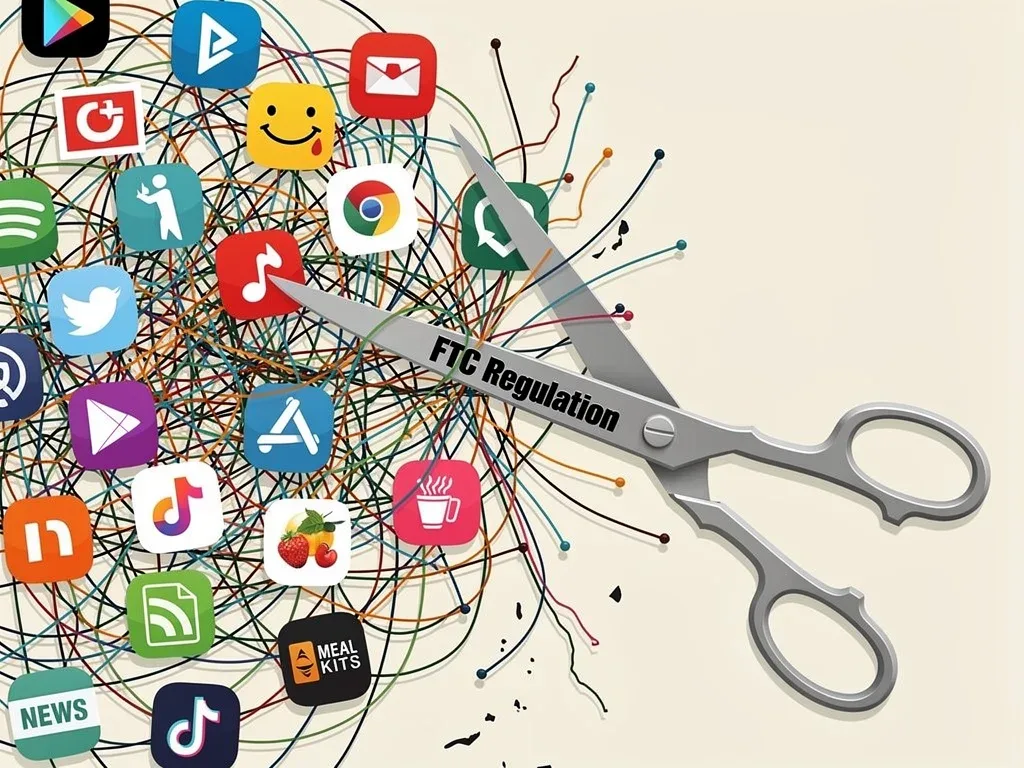
Starting this month, a significant shift is underway in the digital landscape as the Federal Trade Commission (FTC) implements a groundbreaking mandate: all online platforms must now provide a 1-click subscription cancellation across all online platforms effective this month. This new rule is poised to reshape how consumers interact with their online subscriptions, promising a future where ending a service is as straightforward as signing up for one. This directive aims to dismantle the often-frustrating gauntlet of 'dark patterns' and convoluted processes that have long plagued users attempting to cancel recurring charges.
The Genesis of the 1-Click Mandate: Why Now?
The FTC's decision to enforce 1-click subscription cancellations didn't emerge from a vacuum. It's the culmination of years of consumer complaints, regulatory scrutiny, and a growing recognition of the deceptive practices employed by some businesses to retain subscribers. For too long, consumers have faced arduous cancellation journeys, often involving multiple clicks, hidden menus, customer service calls, or even re-subscription prompts.
This new mandate reflects a broader commitment by the FTC to protect consumers in the digital economy. The agency has observed a significant increase in complaints related to subscription traps, where individuals find it incredibly difficult to opt out of services they no longer want or need. The digital age, while offering unparalleled convenience, also introduced new avenues for companies to create friction in the cancellation process, leading to unwanted charges and consumer frustration. The FTC's action is a direct response to these systemic issues, aiming to rebalance the power dynamic between consumers and digital service providers.
Understanding Dark Patterns and Their Impact
Dark patterns are user interface designs crafted to trick users into doing things they might not otherwise do, such as signing up for recurring subscriptions or making unwanted purchases. In the context of subscriptions, these patterns often manifest as:
- Hidden cancellation links: Buried deep within menus or terms of service.
- Multi-step processes: Requiring numerous clicks, confirmations, and re-entry of personal information.
- Forced customer service interactions: Requiring phone calls or live chats during limited hours.
- Confusing language: Ambiguous wording that makes it unclear how to proceed with cancellation.
These practices not only lead to financial losses for consumers but also erode trust in online businesses. The FTC's 1-click mandate is a clear attempt to dismantle these manipulative designs and foster a more transparent and consumer-friendly digital environment. It acknowledges that if a service can be joined with a single click, it should be able to be left with similar ease.
The timing of this mandate is also critical. With the proliferation of subscription-based models for everything from streaming services and software to meal kits and fitness apps, nearly every consumer today is likely to engage with multiple recurring payments. Ensuring a straightforward exit strategy is no longer a luxury but a fundamental consumer right in this subscription-driven economy. This move by the FTC signals a strong stance against exploitative business practices and promotes a more ethical approach to digital commerce.
Operational Changes for Online Platforms: What Businesses Must Do
For online platforms, the new FTC mandate represents a significant operational overhaul. Businesses must now re-evaluate their entire subscription management infrastructure, from their website interfaces to their backend systems, to ensure compliance. This isn't merely about adding a new button; it involves a fundamental rethinking of the user experience when it comes to subscription termination.
The core requirement is that the cancellation process must be as simple and direct as the enrollment process. If a consumer can subscribe with a single click or a few intuitive steps, they must be able to cancel with similar ease. This means eliminating unnecessary hurdles, forced interactions, and confusing pathways that have historically served to deter cancellations.
Key Requirements for Compliance
To adhere to the new FTC guidelines, online platforms will need to implement several changes:
- Direct Cancellation Option: A clear and prominent button or link that initiates the cancellation process directly, without requiring navigation through multiple pages or menus.
- Minimal Information Required: Consumers should not be asked to re-enter extensive personal information or provide reasons for cancellation. The system should identify the subscriber and their active subscriptions automatically.
- Immediate Effect: The cancellation should take effect immediately or at the end of the current billing cycle, with clear communication to the consumer about the effective date.
- No Re-enrollment Prompts: While platforms can offer alternatives (e.g., pausing a subscription), these should not be presented in a way that obstructs or delays the primary cancellation path.
Businesses that fail to comply with these new regulations face substantial penalties, including fines and legal action from the FTC. This creates a strong incentive for companies to prioritize consumer protection and streamline their cancellation processes. Furthermore, platforms may find that by offering a transparent and easy cancellation experience, they build greater trust with their customer base, potentially leading to higher satisfaction and even future re-engagement. The focus shifts from trapping customers to earning their loyalty through ethical practices.
Consumer Empowerment: A New Era of Digital Control
The 1-click mandate is a monumental win for consumer empowerment. For years, the frustration associated with canceling subscriptions has been a common pain point, leading many to simply give up and continue paying for services they no longer use. This new regulation puts control squarely back into the hands of the individual, fostering a sense of autonomy over their digital expenditures and commitments.
Consumers can now expect a frictionless experience when deciding to terminate a service. This ease of cancellation not only saves money by preventing unwanted recurring charges but also reduces the cognitive load and stress associated with navigating complex digital bureaucracies. It means less time spent on hold with customer service, less frustration deciphering confusing website layouts, and more confidence in managing personal finances.
Benefits Beyond Financial Savings
The impact of this mandate extends beyond mere financial savings. It cultivates a healthier relationship between consumers and businesses:
- Increased Trust: When companies make it easy to leave, it paradoxically increases trust. Consumers are more likely to subscribe to services knowing they can easily opt out if their needs change.
- Reduced 'Subscription Fatigue': The constant battle against difficult cancellations contributes to consumer fatigue. Simplified exits can make people more willing to try new services.
- Greater Transparency: Businesses will be incentivized to be more transparent about their subscription terms, as the ease of cancellation removes the incentive for hidden clauses.
- Improved Mental Well-being: Removing a common source of digital frustration can contribute to a better overall online experience for users.
This shift empowers consumers to make informed decisions without fear of being trapped. It allows them to experiment with new services, manage their budgets more effectively, and feel confident that their digital choices are truly their own. The FTC's action is not just a regulatory change; it's a fundamental recalibration of consumer rights in the digital age, promising a more equitable and less stressful online experience for everyone.
Challenges and Opportunities for Businesses Adapting to the New Rule
While the FTC's 1-click cancellation mandate is a boon for consumers, it presents both significant challenges and unique opportunities for businesses. The immediate challenge lies in the technical implementation and the potential for increased churn rates as consumers find it easier to leave. However, forward-thinking companies can leverage this regulatory change to their advantage, transforming a compliance burden into a competitive differentiator.
The initial investment in re-engineering cancellation flows and training staff may be substantial. Companies must ensure their systems are robust enough to handle the new process efficiently and that customer service representatives are prepared to address inquiries related to the simplified cancellation. There's also the psychological shift for businesses that may have relied on cancellation friction as a retention strategy. This approach is no longer viable, forcing a re-evaluation of core business models.
Turning Compliance into Competitive Advantage
Instead of viewing the mandate as a threat, businesses can embrace it as an opportunity to innovate and improve their offerings:
- Focus on Value: With easier exits, companies must double down on delivering exceptional value and customer satisfaction to retain subscribers. This fosters genuine loyalty rather than forced retention.
- Enhanced Customer Service: A seamless cancellation process can be integrated into an overall improved customer experience, leading to positive word-of-mouth and brand reputation.
- Data-Driven Retention: Businesses can analyze cancellation data more effectively to understand why customers leave and proactively address those issues, leading to more targeted and effective retention strategies.
- Innovation in Offerings: Companies might introduce more flexible subscription tiers, pause options, or personalized offers to cater to changing customer needs, rather than relying on difficult cancellations.
Ultimately, this mandate pushes businesses towards a more customer-centric model. Companies that adapt quickly and genuinely embrace the spirit of the regulation—prioritizing transparency and user autonomy—are likely to build stronger, more sustainable relationships with their customers. It encourages a shift from a defensive posture to one of proactive engagement and continuous improvement, where the product or service itself becomes the primary retention tool.
The Impact on Subscription Models and Digital Commerce
The FTC's 1-click cancellation mandate is poised to have a ripple effect across the entire landscape of subscription models and digital commerce. It challenges the very foundation of how many online businesses have operated, pushing them towards greater accountability and transparency. This shift is likely to redefine consumer expectations and influence future regulatory actions.
Historically, the 'stickiness' of subscriptions, often enhanced by difficult cancellation processes, contributed significantly to recurring revenue. With that friction removed, businesses will need to rely more heavily on the intrinsic value of their services to maintain subscribers. This could lead to a more competitive market where service quality, user experience, and pricing become even more critical differentiators.

Broader Implications for the Digital Economy
The implications extend beyond individual businesses:
- Market Consolidation: Smaller, less competitive services that relied heavily on 'dark patterns' might struggle to survive, potentially leading to consolidation in certain market segments.
- Innovation in Retention: We could see a surge in innovative retention strategies that focus on customer engagement, personalized experiences, and flexible subscription options rather than cancellation barriers.
- Increased Consumer Confidence: A more transparent subscription ecosystem might encourage consumers to try more services, knowing they can easily disengage if unsatisfied.
- Precedent for Future Regulations: This mandate could set a precedent for future regulations addressing other deceptive practices in digital commerce, signaling a more proactive stance from regulatory bodies.
The long-term outcome is likely a healthier, more dynamic digital marketplace where businesses are incentivized to earn customer loyalty through superior offerings and ethical practices. While the immediate adjustment period may be challenging for some, the mandate ultimately fosters an environment where genuine value creation and consumer respect are paramount, benefiting both consumers and responsible businesses in the long run. It represents a maturation of the digital economy, moving towards greater fairness and user control.
Future Outlook: What's Next for Consumer Protection in the Digital Age?
The FTC's 1-click cancellation mandate is a significant step, but it's unlikely to be the last in the ongoing evolution of consumer protection in the digital age. This regulation sets a strong precedent and signals a clear direction for future regulatory efforts. As technology advances and new business models emerge, regulators will continue to adapt to ensure that consumer rights are upheld in an increasingly complex online environment.
The focus will likely remain on transparency, fairness, and consumer control. The success of the 1-click mandate in curbing deceptive subscription practices could inspire similar actions in other areas where digital 'dark patterns' or opaque terms of service disadvantage consumers. This continuous oversight is crucial as the digital landscape is constantly evolving, presenting new challenges and opportunities for both businesses and regulators.
Potential Areas for Future Regulatory Focus
Looking ahead, several areas might come under increased scrutiny:
- Data Privacy and Consent: Enhanced regulations around how personal data is collected, used, and shared, with a focus on clear, unambiguous consent mechanisms.
- Algorithmic Transparency: Scrutiny of algorithms used in pricing, content recommendation, and advertising to ensure fairness and prevent discrimination.
- Automatic Renewals Beyond Subscriptions: Extending simplified cancellation principles to other forms of automatically renewing contracts or services.
- AI Ethics and Consumer Impact: As AI becomes more prevalent, regulations may address its ethical implications, particularly concerning consumer manipulation or bias.
The FTC's proactive stance with the 1-click mandate demonstrates a commitment to adapting regulations to the realities of modern digital commerce. This ongoing vigilance ensures that as businesses innovate, consumer safeguards evolve in parallel, leading to a more secure, trustworthy, and user-friendly online world. The ultimate goal is to foster an environment where consumers can confidently navigate the digital sphere, knowing their rights are protected and their choices are respected.
| Key Aspect | Description |
|---|---|
| Mandate Core | Requires all online platforms to offer 1-click subscription cancellations. |
| Consumer Impact | Empowers users, reduces frustration, and prevents unwanted charges. |
| Business Challenge | Requires operational overhaul and shift from friction-based retention. |
| Future Outlook | Sets precedent for broader digital consumer protection regulations. |
Frequently Asked Questions About 1-Click Cancellations
What does the FTC's 1-click cancellation mandate mean for me as a consumer?▼As a consumer, this mandate means you can now cancel any online subscription with a single, straightforward click or a similarly simple process. It eliminates complex steps, mandatory phone calls, or hidden links, making it much easier to stop recurring charges for services you no longer want.
When does the FTC's 1-click cancellation rule go into effect?▼The FTC's mandate requiring 1-click subscription cancellations across all online platforms is effective this month. This means companies should already be compliant or actively working to implement the necessary changes to their cancellation processes to avoid penalties.
What if an online platform doesn't offer a 1-click cancellation option?▼If an online platform fails to provide a 1-click cancellation option after the mandate's effective date, it is in violation of FTC regulations. Consumers should report such non-compliance directly to the Federal Trade Commission, which can impose significant fines and legal actions against offending companies.
Will this mandate affect all types of online subscriptions?▼Yes, the FTC's mandate applies broadly to all online platforms offering recurring subscription services. This includes streaming services, software subscriptions, online memberships, and any other digital service that charges consumers on a recurring basis, aiming for universal consumer protection.
How does this mandate benefit businesses in the long run?▼While initially challenging, the mandate can foster greater consumer trust and loyalty. Businesses are incentivized to focus on delivering superior value and customer experience, leading to more sustainable relationships. It also encourages innovation in retention strategies that prioritize genuine customer satisfaction over artificial friction.
Conclusion: A New Chapter for Digital Consumer Rights
The FTC's mandate for 1-click subscription cancellations marks a pivotal moment in the ongoing effort to protect consumers in the digital realm. By dismantling the pervasive 'dark patterns' that have long frustrated users, this regulation Ushers in an era of enhanced transparency and control. It reinforces the principle that exiting a service should be as effortless as joining it, fostering a more equitable balance between online platforms and their subscribers. While businesses face the immediate task of operational adjustments, this shift ultimately encourages a more ethical and customer-centric approach to digital commerce, promising a healthier and more trustworthy online environment for everyone. This regulation is not just about convenience; it's about empowering individuals to confidently navigate their digital lives, knowing their choices are respected and their rights are protected.
