FTC Ban on Hidden Ticketing Fees: What You Need to Know
Advertisements

The FTC Nationwide Ban on Hidden Event Ticketing Fees Takes Full Effect Today, mandating that all ticket sellers display the total price upfront, inclusive of all charges, to protect consumers from deceptive practices.
The landscape of live event ticketing in the United States is undergoing a monumental shift. As of today, the FTC Nationwide Ban on Hidden Event Ticketing Fees Takes Full Effect Today, ushering in an era of unprecedented transparency for consumers. This landmark regulation aims to eliminate the frustrating and often misleading practice of 'drip pricing,' where additional charges are revealed only late in the purchasing process, significantly increasing the final cost. For anyone who has ever felt the sting of unexpected fees tacked onto a concert, sports game, or theater ticket, this change is a welcome relief and a powerful step towards fairer market practices.
Understanding the FTC's New Rule on Hidden Fees
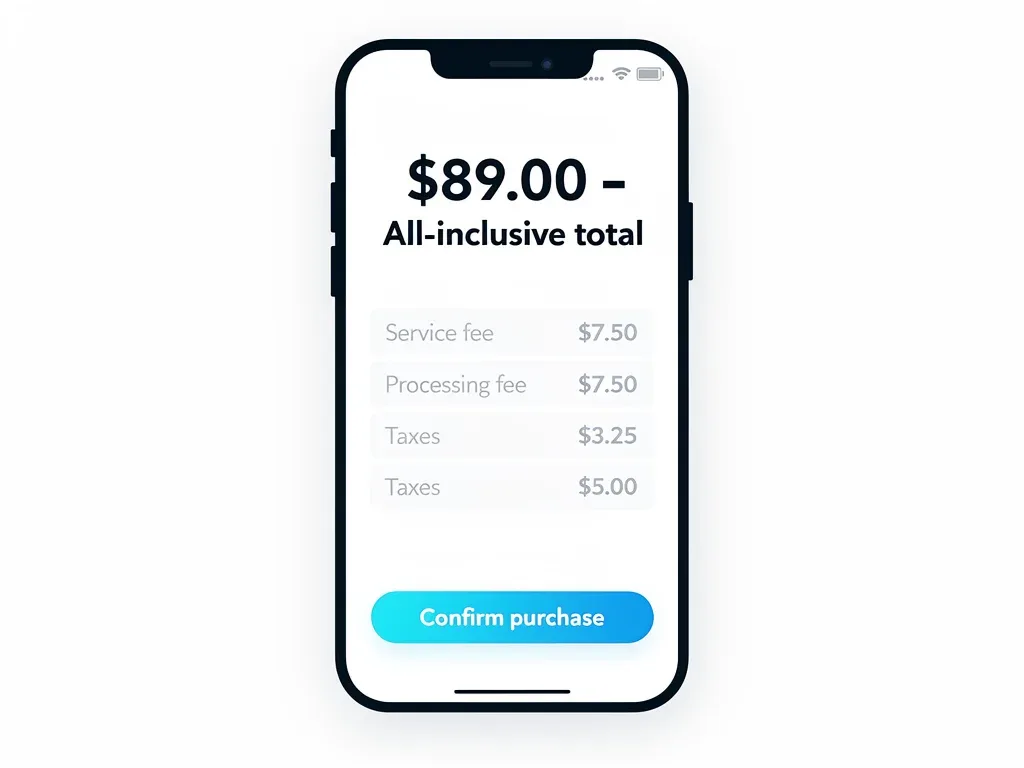
The Federal Trade Commission (FTC) has long been concerned about deceptive practices in various industries, and the ticketing sector has been a particular focus due to widespread consumer complaints. The new rule directly addresses these concerns by requiring full price disclosure from the outset of any ticket transaction. This means that when you browse for tickets, the initial price you see must be the final price you pay, excluding only optional add-ons.
What is Drip Pricing and Why is it Harmful?
Drip pricing is a marketing tactic where a seller advertises only a portion of a product's or service's total price upfront, then gradually reveals additional mandatory fees as the customer progresses through the purchasing process. This method often leads to consumer frustration and can trick individuals into making purchases they might otherwise reconsider if the full price were known from the start.
- Deceptive Marketing: It creates a false impression of affordability.
- Consumer Frustration: Unexpected costs lead to negative purchasing experiences.
- Increased Costs: The final price can be significantly higher than advertised.
- Reduced Competition: It makes it harder for consumers to compare prices effectively across different platforms.
The FTC's ban is a direct response to these issues, aiming to restore trust and fairness in the ticketing marketplace. It's a move that empowers consumers with clear, upfront information, allowing them to make informed decisions without the hidden surprises that have long plagued the industry.
Impact on Consumers: A New Era of Transparency
For millions of Americans who regularly attend live events, this ban represents a significant victory. No longer will consumers be ambushed by exorbitant service charges, processing fees, or delivery costs that magically appear at checkout. The era of transparent pricing is here, promising a more straightforward and honest purchasing experience.
Benefits for Event-Goers
The most immediate and apparent benefit for consumers is the ability to see the true cost of a ticket right away. This eliminates the need to navigate multiple pages, add tickets to a cart, and enter personal information just to discover the final, inflated price. This transparency fosters greater confidence in the purchasing process.
- Clearer Budgeting: Consumers can accurately budget for events without hidden surprises.
- Easier Price Comparison: Direct comparison between different sellers becomes simple and accurate.
- Reduced Frustration: The elimination of unexpected fees leads to a smoother transaction.
- Increased Trust: Consumers are more likely to trust platforms that offer upfront pricing.
This regulation not only protects consumers from deceptive pricing but also encourages a more competitive market among ticket sellers. With all fees disclosed upfront, platforms will need to compete more directly on total price, potentially leading to better deals for consumers in the long run. The positive impact on consumer satisfaction is expected to be substantial.
How the Ban Affects Ticket Sellers and Platforms
While the ban is a boon for consumers, it presents a significant operational and marketing challenge for ticket sellers and platforms. Companies must now overhaul their pricing structures and display methods to comply with the new federal mandate. This requires a fundamental shift in how prices are presented, moving away from fragmented pricing models to an all-inclusive approach.
Operational Changes for the Industry
Ticketmaster, Live Nation, StubHub, and countless other primary and secondary market sellers are now legally bound to display the full, all-in price of a ticket from the moment it is first presented to a potential buyer. This means that any service charges, facility fees, or other mandatory costs must be integrated into the initial advertised price. Companies have had to invest in significant software and website updates to ensure compliance.
- Website Redesign: Price display mechanisms need to be re-engineered.
- Pricing Strategy Review: Companies must re-evaluate how they structure and present their fees.
- Compliance Training: Staff involved in pricing and sales need to be educated on the new rules.
- Potential Revenue Adjustments: While total revenue might not change, the perception of pricing could impact sales strategies.
The transition period has given companies time to adapt, but the full effect of the ban taking hold today means that enforcement will be rigorous. Non-compliance could lead to significant penalties, underscoring the importance of adhering to these new transparency standards. This regulatory shift could also level the playing field, making it harder for less scrupulous sellers to gain an advantage through deceptive pricing.
Historical Context: The Fight Against Hidden Fees
The push for greater transparency in ticketing is not a new phenomenon. Consumer advocacy groups, government bodies, and even some industry players have been lobbying for years to address the issue of hidden fees. This FTC ban is the culmination of sustained efforts to protect consumers from what many perceived as predatory pricing practices.
Key Milestones Leading to the Ban
The journey to this nationwide ban has involved numerous legislative proposals, public hearings, and consumer complaints. The 'Junk Fees' initiative, spearheaded by the Biden-Harris administration, played a crucial role in bringing this issue to the forefront of the national agenda. This broader initiative targets various industries where hidden fees are prevalent, from banking to airlines.
- Consumer Complaints: Decades of frustration from ticket buyers regarding unexpected charges.
- Advocacy Efforts: Persistent lobbying by consumer protection organizations.
- Government Scrutiny: Increased attention from lawmakers and regulatory bodies.
- Presidential Initiative: The 'Junk Fees' campaign provided significant momentum.
The FTC, as an independent agency, has the authority to issue rules that prohibit unfair or deceptive acts or practices. This ban is a clear exercise of that authority, demonstrating a commitment to ensuring fair business practices across the United States. It sets a precedent for how other industries might be regulated in the future, particularly those that rely on similar drip pricing models.
Beyond the Ban: Future Implications and Challenges
While the immediate impact of the FTC Nationwide Ban on Hidden Event Ticketing Fees Takes Full Effect Today is clear, its long-term implications for the industry and consumers will continue to unfold. There will undoubtedly be adjustments as the market adapts, and new challenges may emerge as companies seek creative ways to manage costs within the new regulatory framework.
Potential Industry Responses and Adaptations
Some ticket sellers might choose to absorb certain fees into the base ticket price, while others may restructure their overall pricing to account for the mandatory upfront disclosure. It's also possible that the industry will see a rise in optional add-ons, though these must be clearly presented as elective and not mandatory to comply with the spirit of the ban.
- Price Re-evaluation: Base ticket prices may be adjusted to accommodate previously separate fees.
- Innovation in Service: Companies might focus on value-added services to justify total prices.
- Increased Scrutiny: Consumers will likely remain vigilant for any new forms of hidden charges.
- Regulatory Evolution: The FTC may further refine or expand these rules based on market responses.
The ban also opens up discussions about other areas of consumer protection within the live events sector, such as ticket resale markets, speculative ticketing, and the overall transparency of ticket availability. This regulation is a significant first step, but it might also pave the way for broader reforms aimed at creating a truly fair and transparent ticketing ecosystem for all.

Navigating the New Ticketing Landscape
For consumers, navigating the new ticketing landscape will largely involve enjoying the benefits of clearer pricing. However, it's still important to remain an informed buyer. While hidden fees are now banned, understanding the various components of a ticket price can still be beneficial, especially when comparing different event options or platforms.
Tips for Savvy Ticket Buyers
Even with the ban in place, smart shopping habits remain crucial. Always double-check the final price before confirming a purchase and be wary of any site that seems to be operating outside of the new transparency guidelines. Reporting suspicious activity to the FTC can help ensure the ban is effectively enforced.
- Verify Total Price: Always ensure the displayed price is the final price, including all mandatory fees.
- Compare Across Platforms: Utilize the newfound transparency to compare all-in prices from different sellers.
- Read Terms and Conditions: Understand refund policies and any other stipulations.
- Report Violations: If you encounter hidden fees, report them to the FTC to help enforce the ban.
This ban empowers consumers, but vigilance remains key. By being aware of your rights and understanding what constitutes transparent pricing, you can fully leverage the protections offered by this new regulation. The goal is to ensure that attending live events remains an enjoyable and predictable experience, free from financial surprises.
| Key Aspect | Description |
|---|---|
| Full Price Disclosure | All mandatory fees must be included in the initial advertised ticket price. |
| Elimination of Drip Pricing | Prevents additional charges from being revealed late in the purchase process. |
| Consumer Empowerment | Enables better budgeting and easier price comparison for live event tickets. |
| Industry Compliance | Ticket sellers must update systems to integrate all fees into upfront pricing. |
Frequently Asked Questions About the FTC Ticketing Ban
What exactly does the FTC ban on hidden ticketing fees mean for me?▼It means that when you search for event tickets online, the price you initially see must be the total, all-inclusive price, covering all mandatory fees like service charges and processing costs. No more surprise fees added at checkout.
When did the FTC ban on hidden event ticketing fees take effect?▼The FTC's nationwide ban on hidden event ticketing fees takes full effect today. This means all ticket sellers across the United States are now required to comply with the new transparency regulations immediately.
Are there any fees that can still be added later in the purchase process?▼Only optional fees, such as ticket insurance or expedited shipping, can be added later. These must be clearly presented as optional choices, not mandatory charges, to remain compliant with the FTC's new rules.
What should I do if I still encounter hidden fees after the ban is in effect?▼If you believe a ticket seller is violating the FTC's new rule by adding hidden fees, you should report the incident to the Federal Trade Commission. Your report helps enforce these important consumer protections.
Does this ban apply to all types of event tickets and sellers?▼Yes, the nationwide ban applies broadly to both primary and secondary ticket markets for live events across the United States. This includes concerts, sports, theater, and other performances, ensuring comprehensive consumer protection.
Conclusion
The implementation of the FTC Nationwide Ban on Hidden Event Ticketing Fees Takes Full Effect Today marks a pivotal moment for consumer protection in the live events industry. This regulation represents a significant stride towards creating a fair and transparent marketplace where consumers can make informed decisions without the burden of deceptive pricing. While the industry adapts to these new requirements, consumers can look forward to a more honest and frustration-free experience when purchasing tickets. This ban not only addresses a long-standing grievance but also reinforces the principle that transparency and trust are fundamental to a healthy market, ultimately benefiting everyone involved in the vibrant world of live entertainment.
