Labor Department Releases Jobs Report: 185,000 New Positions
Advertisements
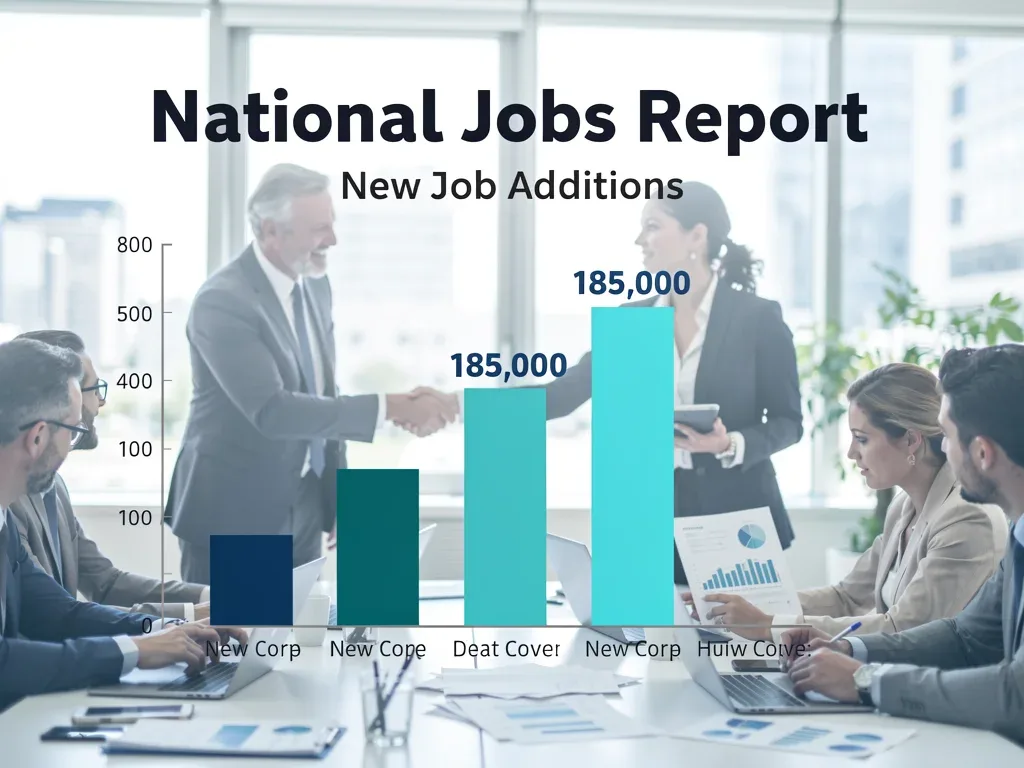
The latest Labor Department jobs report reveals 185,000 new positions added across various sectors, signaling ongoing resilience and expansion within the United States labor market.
The latest Labor Department jobs report has captured national attention, revealing a significant addition of 185,000 positions across diverse sectors. This data offers crucial insights into the health and trajectory of the American economy, prompting both analysis and optimism among economists and policymakers alike.
Understanding the Latest Employment Figures
The recent announcement from the Labor Department provides a comprehensive look at the state of the nation's employment landscape. With 185,000 new jobs created, this report surpasses many analysts' expectations, signaling a robust and dynamic labor market that continues to defy predictions of a slowdown. These figures are not just numbers; they represent real people finding opportunities and contributing to the national economic fabric.
Analyzing the nuances of this report requires a deeper dive into several key components. It's essential to look beyond the headline number and understand where these jobs are emerging and what that means for different industries and demographics. The strength of the labor market is often a leading indicator of broader economic health, influencing everything from consumer spending to investment decisions.
Sectoral Contributions to Job Growth
A notable aspect of this jobs report is the broad-based nature of the employment gains. While certain sectors traditionally lead job creation, this report highlights a more distributed growth pattern, indicating a healthy diversification within the economy. This distribution suggests resilience, as no single industry is solely responsible for carrying the weight of job creation.
- Healthcare and Social Assistance: This sector consistently shows strong growth, driven by an aging population and increasing demand for medical services. New positions include nurses, therapists, and administrative staff, reflecting ongoing societal needs.
- Leisure and Hospitality: As consumer confidence remains stable and travel resumes, this sector has seen a significant rebound. Restaurants, hotels, and entertainment venues are actively hiring, pointing to a resurgence in leisure activities.
- Professional and Business Services: This broad category, encompassing everything from consulting to administrative support, continues to expand. It underscores the ongoing demand for specialized expertise and outsourced services across various industries.
- Manufacturing and Construction: Despite some headwinds, these sectors have also contributed to job growth, albeit at a more moderate pace. Investments in infrastructure and domestic production initiatives are likely playing a role in these gains.
The diverse contributions across these sectors suggest an economy that is adapting and finding new avenues for expansion. This broad growth provides a more stable foundation for future economic development, reducing vulnerability to downturns in any single industry.
Economic Implications and Market Reactions
The positive employment data from the Labor Department jobs report has significant implications for the broader economy and financial markets. Strong job growth typically signals healthy consumer spending, which is a major driver of economic activity. When more people are employed, they have more disposable income, leading to increased demand for goods and services.
Financial markets often react swiftly to such reports. Investors analyze these figures to gauge the likelihood of interest rate changes by the Federal Reserve, future corporate earnings, and overall economic stability. A robust jobs report can sometimes lead to concerns about inflation, potentially prompting the Fed to consider tighter monetary policies. However, in the current climate, it primarily fosters optimism.
Inflationary Pressures and Wage Growth
While strong job creation is generally positive, economists also scrutinize the report for signs of accelerating wage growth, which could contribute to inflationary pressures. If wages rise too quickly without a corresponding increase in productivity, it can push up prices across the economy. The latest report provides a balanced view, showing moderate wage increases that are sustainable without immediately fueling significant inflation.
- Average Hourly Earnings: The report details modest increases in average hourly earnings, indicating that while workers are seeing pay bumps, these increases are not yet at a level that would cause alarm regarding runaway inflation.
- Labor Force Participation: An increase in the labor force participation rate, even slight, can help alleviate wage pressure by expanding the pool of available workers. This report shows some positive movement in this area, suggesting more people are entering or re-entering the workforce.
- Productivity Gains: Long-term economic health relies on productivity gains. If new jobs are accompanied by improved efficiency and output, the economy can absorb wage increases without significant inflationary impact.
The interplay between job growth, wage increases, and inflation is a delicate balancing act for policymakers. The current report suggests a favorable equilibrium, supporting economic expansion without immediately triggering significant inflationary concerns.
Regional Disparities and Local Impact
While the national figure of 185,000 new jobs is encouraging, it's crucial to acknowledge that economic conditions can vary significantly across different regions of the United States. The Labor Department jobs report provides a national snapshot, but local economies often have unique dynamics influenced by their dominant industries, demographics, and policy environments.
Some regions may be experiencing booming job markets, particularly those with strong tech sectors or growing manufacturing hubs. Conversely, areas reliant on declining industries might still face challenges, even amidst overall national growth. Understanding these regional disparities is vital for targeted policy interventions and for providing a complete picture of the nation's economic health.

Metropolitan vs. Rural Employment Trends
Job growth often concentrates in metropolitan areas, which typically offer a broader range of industries, better infrastructure, and a larger talent pool. These urban centers tend to attract businesses and skilled workers, leading to more robust employment figures.
- Urban Centers: Major cities often see faster job creation in sectors like technology, finance, and professional services, benefiting from economies of scale and innovation ecosystems.
- Suburban Growth: Many suburban areas also experience significant job growth, particularly as businesses seek lower operational costs and employees desire a better work-life balance away from dense urban cores.
- Rural Challenges: Rural areas can face unique challenges, including a smaller industrial base, limited access to broadband, and an aging workforce. Job creation in these areas often depends on agriculture, natural resources, or niche manufacturing.
The report's national average masks these local variations. Policy initiatives aimed at fostering economic development must consider these regional differences to ensure equitable growth across the country. Understanding where jobs are being created, and where they are not, is key to developing effective strategies.
The Role of Government Policy and Business Investment
Government policies play a significant role in shaping the labor market. Fiscal measures, such as infrastructure spending and tax incentives, can stimulate job creation. Similarly, monetary policies set by the Federal Reserve, including interest rates, influence borrowing costs for businesses and consumers, thereby impacting investment and hiring decisions. The current administration's focus on domestic manufacturing and green energy initiatives, for example, is likely contributing to job gains in specific sectors.
Business investment is another critical driver of employment. When companies are confident about future economic prospects, they are more likely to invest in expansion, research and development, and new technologies, all of which create jobs. The 185,000 new positions reflect a degree of business confidence that is essential for sustained economic expansion.
Impact of Technology and Automation
Technology and automation continue to reshape the job market, presenting both challenges and opportunities. While some fear that automation could lead to job displacement, the Labor Department jobs report often shows that technology can also create new types of jobs, particularly in areas like software development, data analysis, and robotics maintenance. Businesses are increasingly investing in technology to enhance productivity and competitiveness.
- New Skill Demands: The rise of automation necessitates a workforce with new skills, leading to increased demand for education and training programs in areas like coding, AI, and advanced manufacturing.
- Hybrid Work Models: Technology has also facilitated the widespread adoption of hybrid and remote work models, which can broaden the talent pool for employers and offer greater flexibility for employees.
- Innovation and Entrepreneurship: Technological advancements often spur innovation and entrepreneurship, leading to the creation of new businesses and, consequently, new jobs.
Navigating the evolving landscape of technology requires continuous adaptation from both workers and businesses. The jobs report provides clues as to how effectively the economy is integrating these technological shifts into job creation.
Future Outlook and Challenges for the Labor Market
Looking ahead, the labor market faces both promising opportunities and potential challenges. The continued addition of jobs, as highlighted by the Labor Department jobs report, suggests underlying economic strength. However, factors such as global economic uncertainties, geopolitical events, and persistent inflation risks could still influence future employment trends.
The ability of the economy to sustain this level of job growth will depend on a delicate balance of factors, including consumer confidence, business investment, and effective government policies. Monitoring these indicators closely will be crucial for understanding the trajectory of the labor market in the coming months and years.
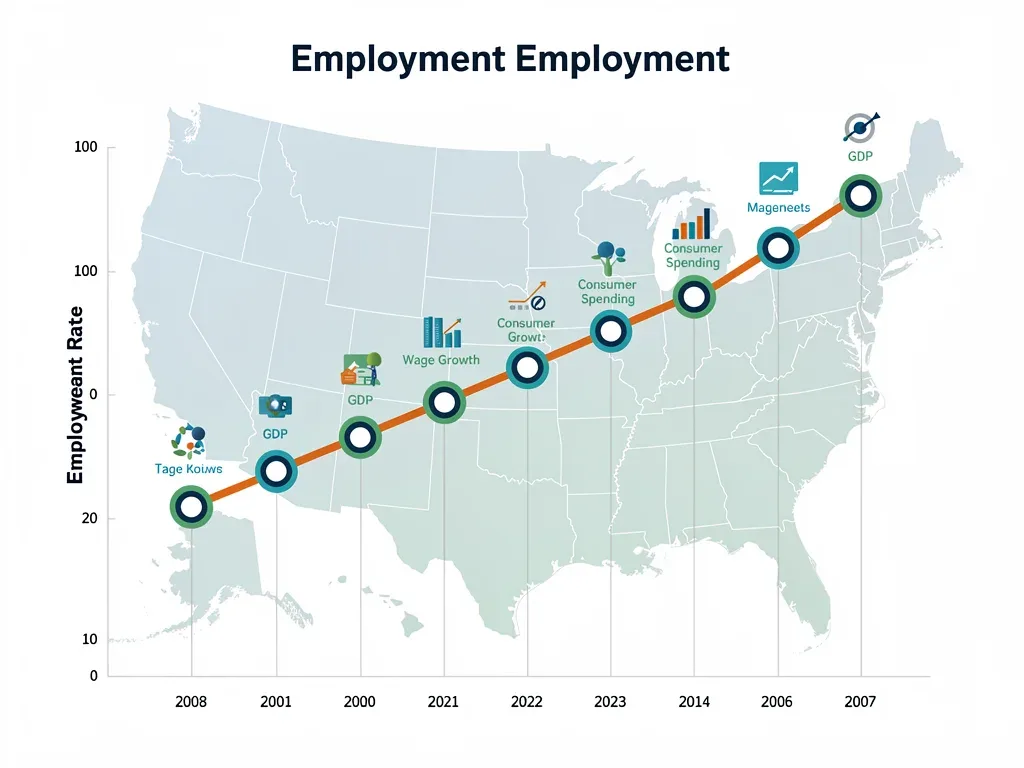
Addressing Workforce Gaps and Skill Shortages
Despite overall job growth, many industries continue to grapple with workforce gaps and skill shortages. This mismatch between available jobs and qualified workers can hinder economic expansion. Efforts to address these shortages are critical for maintaining a healthy labor market.
- Education and Training: Investing in vocational training programs, community college initiatives, and re-skilling opportunities can help equip workers with the skills demanded by emerging industries.
- Immigration Policies: Thoughtful immigration policies can help fill critical labor shortages in specific sectors, contributing to economic growth and innovation.
- Workforce Development Programs: Government and private sector partnerships can create effective workforce development programs tailored to specific regional and industry needs.
Proactive measures to bridge these gaps will be essential for ensuring that the labor market remains dynamic and capable of meeting future economic demands. The jobs report serves as a regular reminder of where these efforts are most needed.
The Significance of the 185,000 New Positions
The addition of 185,000 new positions, as reported by the Labor Department, is more than just a statistic; it represents tangible progress in the nation's economic recovery and ongoing growth. This figure reflects a healthy demand for labor, indicating that businesses are confident enough to expand their operations and hire new talent. It also signifies that many individuals are finding opportunities to enter or re-enter the workforce, contributing to their financial well-being and the broader economy.
This steady job creation helps to stabilize communities, boost consumer morale, and provide a buffer against potential economic downturns. It demonstrates that despite various global and domestic challenges, the U.S. economy possesses a fundamental resilience. The widespread nature of these gains, touching multiple sectors, further reinforces the idea of a balanced and sustainable growth trajectory.
Ultimately, the significance of this Labor Department jobs report lies in its ability to paint a picture of an economy that is not only creating jobs but also adapting to new realities and preparing for future challenges. It provides a foundation for continued economic discussions and policy decisions aimed at fostering long-term prosperity for all Americans.
| Key Aspect | Brief Description |
|---|---|
| Total Job Additions | The Labor Department reported a significant increase of 185,000 new positions across the nation. |
| Key Growth Sectors | Healthcare, leisure, professional services, and construction showed notable gains. |
| Economic Impact | Suggests strong consumer spending and continued economic resilience, influencing market sentiment. |
| Future Outlook | Positive but with attention to global uncertainties, inflation, and skill shortages. |
Frequently Asked Questions About the Jobs Report
What does the 185,000 job increase signify for the US economy?▼This increase indicates a robust and resilient US labor market. It suggests continued economic expansion, healthy business confidence, and strong consumer spending potential, contributing to overall economic stability and growth.
Which sectors contributed most to the job growth?▼Key sectors contributing significantly include healthcare and social assistance, leisure and hospitality, and professional and business services. Manufacturing and construction also showed positive, albeit more moderate, gains.
How does this jobs report impact inflation?▼While strong job growth can sometimes signal inflationary pressures, this report shows moderate wage increases. This suggests the current growth is sustainable without immediately fueling significant inflation, maintaining a delicate balance for policymakers.
Are there regional differences in job creation?▼Yes, national figures often mask regional disparities. Metropolitan areas typically see faster growth in diverse sectors, while rural areas might face challenges or rely on specific industries. Understanding these differences helps in targeted policy development.
What are the future challenges for the labor market?▼Future challenges include global economic uncertainties, geopolitical events, and persistent inflation risks. Addressing workforce gaps, skill shortages, and adapting to technological advancements will also be crucial for sustained growth.
Conclusion
The latest Labor Department jobs report, highlighting 185,000 new positions added across various sectors, underscores the remarkable resilience and adaptability of the American labor market. This positive data point reflects not just numbers on a chart, but the real-world impact of economic activity on individuals and communities. While regional variations and long-term challenges such as skill shortages and technological shifts remain, the overall picture painted by this report is one of sustained growth and robust economic health. It provides a solid foundation for policymakers and businesses to continue fostering an environment conducive to prosperity and opportunity for all.
