Next-Generation Geothermal Systems: Unlocking 24/7 Clean Energy
Advertisements
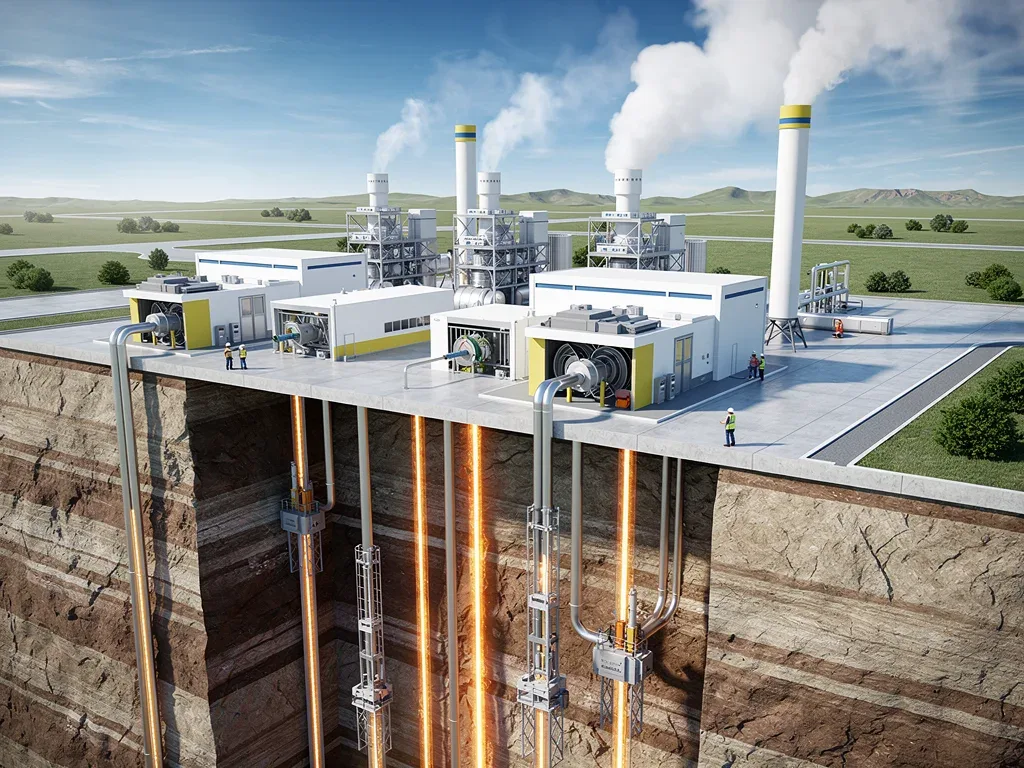
Next-generation geothermal systems, powered by enhanced deep-drilling innovations, are poised to deliver consistent, 24/7 baseload clean energy, significantly advancing global sustainability efforts and providing a reliable alternative to intermittent renewables.
Imagine a world where clean energy is not only abundant but also consistently available, day and night, regardless of weather conditions. This isn't a distant dream, but a rapidly approaching reality thanks to innovations in next-generation geothermal systems. These advanced technologies are revolutionizing how we harness the Earth's internal heat, promising a future powered by reliable, baseload clean energy that operates around the clock.
The Unseen Power Beneath Our Feet: Geothermal Fundamentals
Geothermal energy harnesses the natural heat stored within the Earth. Unlike solar or wind power, which are intermittent, geothermal provides a constant, reliable energy source, making it an ideal candidate for baseload power generation. This inherent stability is what makes it so attractive for a sustainable energy future.
The Earth's core is incredibly hot, and this heat continuously radiates outwards. In traditional geothermal systems, this heat is accessed in areas where geological conditions allow hot water or steam to rise close to the surface, creating natural reservoirs. However, these conventional resources are geographically limited, typically found in tectonically active regions.
Conventional Geothermal Limitations
- Geographic Constraints: Traditional geothermal sites are concentrated in specific areas, limiting widespread adoption.
- Resource Variability: Even within suitable regions, the quality and quantity of geothermal resources can vary.
- Exploration Risks: Locating viable conventional geothermal reservoirs can be expensive and time-consuming.
The drive towards next-generation geothermal systems stems from the need to overcome these limitations. By employing advanced drilling techniques and innovative heat extraction methods, we are now able to tap into the Earth's heat in far more locations, transforming a niche energy source into a global contender. This expansion is crucial for achieving energy independence and reducing reliance on fossil fuels.
Understanding these fundamental principles is key to appreciating the groundbreaking advancements that are now making deep geothermal energy accessible and economically viable for a broader range of applications. The planet's internal furnace holds an immense amount of energy, and modern technology is finally allowing us to unlock its full potential.
Enhanced Deep-Drilling Innovations: The Game Changer
The ability to drill deeper and more efficiently into the Earth's crust is the cornerstone of next-generation geothermal systems. Traditional oil and gas drilling technologies have laid the groundwork, but geothermal applications demand even greater precision, durability, and cost-effectiveness when operating in extreme high-temperature and high-pressure environments.
Recent breakthroughs in drilling technology are addressing these challenges head-on. Innovations range from advanced directional drilling techniques that allow for greater subsurface reach to novel drilling bits designed to withstand intense heat and abrasive rock formations. These advancements are significantly reducing the cost and risk associated with accessing deep geothermal reservoirs.
Key Drilling Technologies
- Percussion Drilling: Utilizes hammering action for faster penetration in hard rock, reducing drilling time significantly.
- Plasma and Laser Drilling: Experimental but promising technologies that use high-energy beams to vaporize or melt rock, potentially enabling ultra-deep drilling.
- Closed-Loop Geothermal Systems: These systems circulate a working fluid in a closed loop through deep wells, extracting heat without direct interaction with underground fluids, minimizing environmental impact.
Beyond the hardware, sophisticated software and sensor technologies are also playing a vital role. Real-time monitoring of drilling parameters, geological formations, and fluid dynamics allows operators to optimize drilling paths and prevent costly complications. This data-driven approach is transforming deep drilling from an art into a precise science, making projects more predictable and successful.
These enhanced deep-drilling innovations are not just about reaching greater depths; they are about doing so sustainably and economically. By making deep geothermal accessible in areas previously deemed unsuitable, these technologies are expanding the global potential for baseload clean energy significantly.
Enhanced Geothermal Systems (EGS): Expanding the Geothermal Footprint
Enhanced Geothermal Systems (EGS) represent a paradigm shift in geothermal energy, moving beyond reliance on naturally occurring hot water and steam reservoirs. EGS technology creates engineered reservoirs in hot, dry rock formations by injecting fluid at high pressure to create or enlarge fractures, allowing water to circulate and absorb heat.
This method effectively mimics natural geothermal systems in locations where conventional resources are absent. The potential for EGS is vast, as hot, dry rock formations exist almost everywhere beneath the Earth's surface, making geothermal energy a truly global resource. The development of EGS is critical for diversifying our energy mix and ensuring energy security.
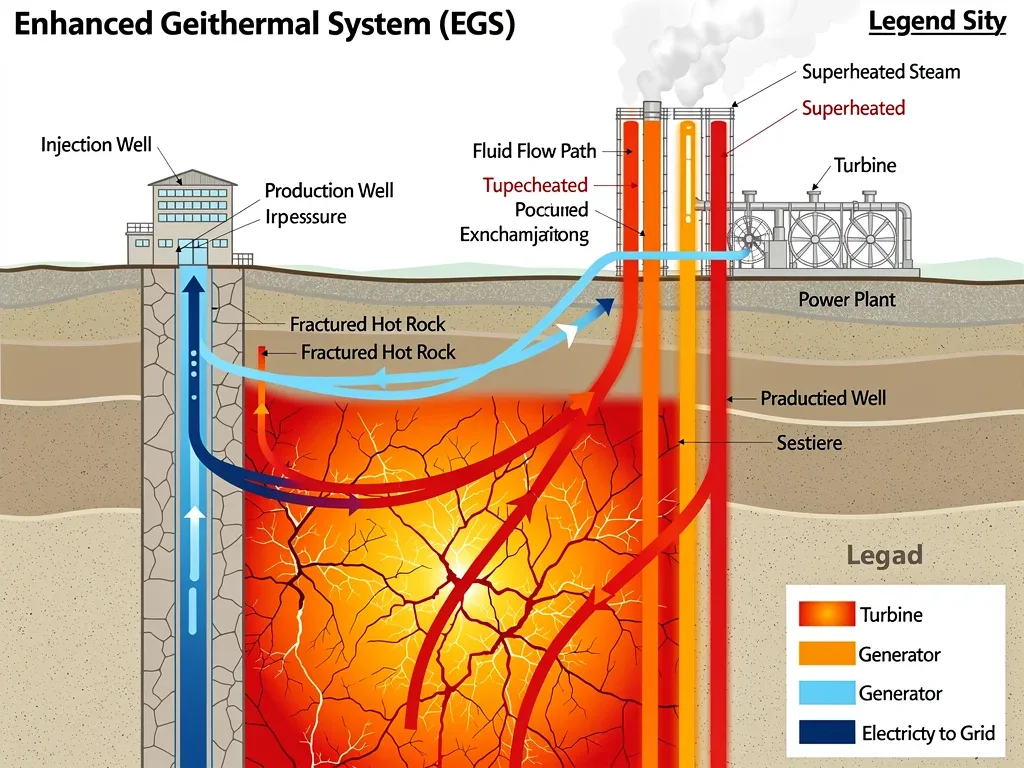
How EGS Works
The process typically involves drilling multiple wells into hot rock. An injection well sends cold water down, which is then heated as it circulates through the fractured rock. This superheated water or steam is then brought back to the surface through a production well, where its energy is converted into electricity.
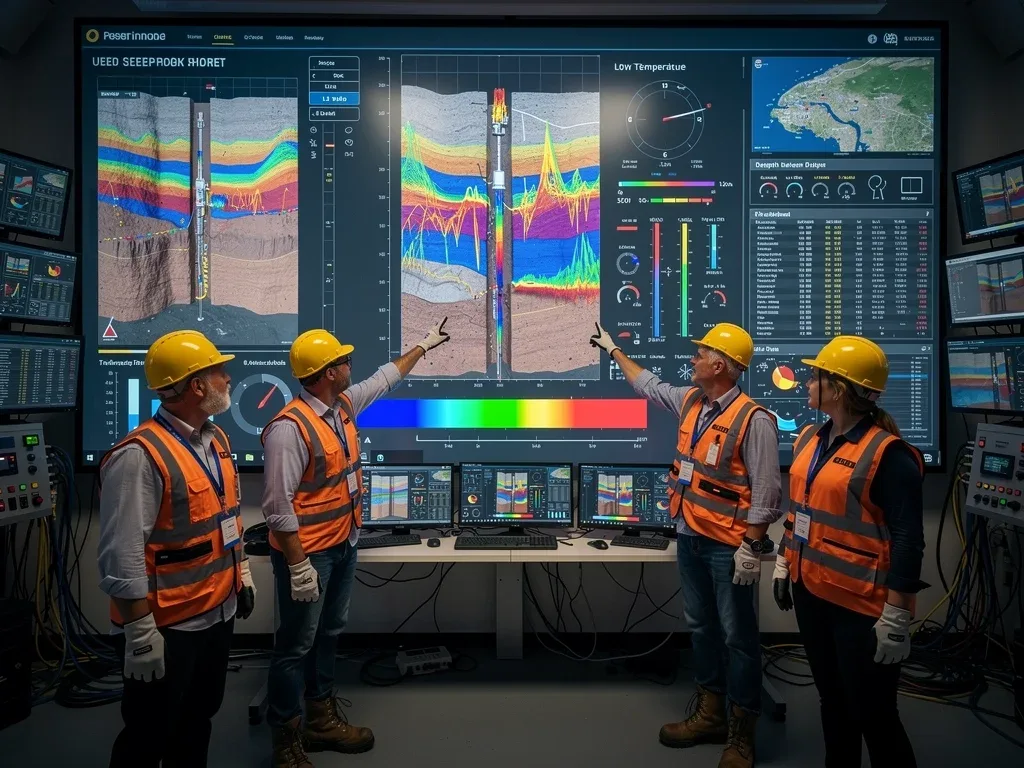
The key to successful EGS deployment lies in understanding and managing the subsurface geology. Advanced seismic imaging, microseismic monitoring, and reservoir modeling are crucial for identifying suitable rock formations and optimizing fracture networks. This scientific approach minimizes risks and maximizes energy extraction efficiency.
- Injection Wells: Used to introduce fluid into the hot rock formation, initiating the heat exchange process.
- Fracture Creation: Controlled hydraulic fracturing (similar to, but distinct from, oil and gas fracking) creates permeable pathways.
- Production Wells: Extract the heated fluid, which is then used to drive turbines for electricity generation.
- Closed-Loop Circulation: Ensures efficient use of water and minimizes environmental impact.
EGS technology is still evolving, with ongoing research focused on reducing drilling costs, improving reservoir stimulation techniques, and enhancing overall system efficiency. As these challenges are overcome, EGS is expected to play a central role in the global transition to clean, baseload power, providing a scalable solution for diverse energy needs.
The Promise of 24/7 Baseload Clean Energy
One of the most compelling advantages of next-generation geothermal systems is their capacity to provide baseload power. Baseload electricity refers to the minimum amount of electric power delivered or required over a given period, and it must be constantly available. Unlike intermittent renewables like solar and wind, geothermal power plants can operate continuously, 24 hours a day, 7 days a week, regardless of weather or time.
This constant availability makes geothermal an invaluable asset in a diversified energy portfolio. It can stabilize grids that are increasingly incorporating variable renewable sources, ensuring a consistent power supply and reducing the need for fossil-fuel-based peaker plants. The reliability of geothermal energy is a critical factor in achieving a truly sustainable and resilient energy infrastructure.
Benefits of Baseload Geothermal
- Grid Stability: Provides a stable foundation for electricity grids, balancing intermittent renewables.
- Reduced Emissions: Operates with minimal greenhouse gas emissions, contributing to climate change mitigation.
- Small Land Footprint: Geothermal power plants typically require less land per megawatt than solar or wind farms.
- Energy Independence: Utilizes domestic resources, reducing reliance on imported fuels.
The transition to a clean energy economy requires not only carbon-free electricity but also reliable carbon-free electricity. Next-generation geothermal systems, with their baseload capabilities, offer a powerful solution to this challenge. Their continuous output ensures that homes, businesses, and industries have access to clean power whenever they need it, fostering economic growth and environmental protection simultaneously.
Furthermore, the long operational lifespan of geothermal plants, often spanning decades, provides long-term energy security and predictable operating costs. This stability is attractive to investors and policymakers looking to build robust, future-proof energy systems.
Overcoming Challenges and Future Outlook
While the potential of next-generation geothermal systems is immense, several challenges need to be addressed for widespread adoption. High upfront capital costs, particularly for deep drilling and EGS development, remain a significant barrier. However, ongoing technological advancements and economies of scale are steadily driving these costs down.
Another challenge involves managing induced seismicity, which can occur during hydraulic fracturing in EGS operations. Rigorous site selection, careful monitoring, and advanced geological modeling are crucial to mitigating this risk and ensuring public safety. The industry is committed to developing best practices to address these concerns effectively.
Innovations Addressing Challenges
- Advanced Materials: Development of drilling materials and components that can withstand extreme temperatures and pressures, improving longevity and reducing maintenance.
- Automated Drilling: Increased automation in drilling processes to enhance efficiency, reduce human error, and lower operational costs.
- Multi-Lateral Drilling: Techniques that allow a single wellbore to branch into multiple directions, maximizing heat extraction from a larger rock volume.
The future outlook for next-generation geothermal systems is incredibly promising. Government incentives, increased private investment, and a growing global demand for clean, reliable energy are accelerating research and deployment. Collaborative efforts between industry, academia, and government are fostering innovation and overcoming technical hurdles.
As drilling technologies become more sophisticated and cost-effective, and as EGS techniques mature, geothermal energy is poised to become a mainstream power source. It will play a vital role in decarbonizing electricity grids, providing heating and cooling solutions, and supporting industrial processes, ultimately contributing significantly to a sustainable energy future for all.
Global Impact and Sustainability Benefits
The widespread deployment of next-generation geothermal systems holds profound implications for global sustainability. By providing a constant source of clean energy, these systems can significantly reduce greenhouse gas emissions, helping countries meet their climate targets and mitigate the impacts of global warming. This is particularly crucial for industrial nations seeking to transition away from fossil fuels without compromising energy reliability.
Beyond emissions reduction, geothermal energy offers several other environmental benefits. It has a relatively small physical footprint compared to other large-scale renewable projects, minimizing land use and habitat disruption. Moreover, closed-loop geothermal systems, which are increasingly common in next-generation designs, conserve water resources by recirculating the working fluid, a critical advantage in water-stressed regions.
Broader Sustainability Contributions
- Water Conservation: Closed-loop systems minimize water consumption compared to open-loop designs or thermal power plants.
- Reduced Land Use: Smaller surface footprint than solar farms or wind projects of comparable output.
- Local Economic Development: Creates jobs in drilling, engineering, construction, and operations, boosting local economies.
- Energy Security: Utilizes indigenous resources, reducing reliance on volatile international energy markets.
The economic benefits extend beyond job creation. Geothermal projects can provide stable, long-term energy prices, shielding consumers and industries from the volatility of fossil fuel markets. This predictability fosters economic stability and allows for better long-term planning, driving sustainable development in regions that adopt these technologies.
Ultimately, next-generation geothermal systems are not just about generating electricity; they are about building a more resilient, equitable, and sustainable energy future. Their ability to deliver baseload clean power globally makes them a cornerstone technology in the fight against climate change and the pursuit of energy independence.
| Key Aspect | Brief Description |
|---|---|
| Deep-Drilling Innovations | Advanced techniques allowing access to hotter, deeper rock formations, expanding geothermal potential. |
| Enhanced Geothermal Systems (EGS) | Engineered reservoirs in hot, dry rock to extract heat, making geothermal widely available. |
| Baseload Clean Energy | Geothermal provides constant, 24/7 power, balancing intermittent renewable sources. |
| Sustainability & Impact | Reduces emissions, minimizes land use, conserves water, and fosters local economic growth. |
Frequently Asked Questions About Next-Generation Geothermal
What distinguishes next-generation geothermal from traditional geothermal?▼Next-generation geothermal systems leverage advanced deep-drilling and Enhanced Geothermal Systems (EGS) technologies to access heat in hot, dry rock formations, making geothermal energy viable in many more locations than traditional systems, which rely on naturally occurring hot water reservoirs.
How do deep-drilling innovations contribute to geothermal expansion?▼Deep-drilling innovations, including percussion, plasma, and laser drilling, coupled with advanced materials and real-time monitoring, enable more efficient and cost-effective access to deeper, hotter rock. This expands the geographical potential for geothermal energy by overcoming previous technical and economic barriers.
Can next-generation geothermal provide baseload power?▼Yes, one of the primary benefits of next-generation geothermal systems is their ability to provide continuous, 24/7 baseload power. Unlike solar or wind, geothermal energy is not dependent on weather or daylight, offering a stable and reliable electricity supply to the grid.
What are Enhanced Geothermal Systems (EGS)?▼EGS creates engineered geothermal reservoirs by injecting fluid into hot, impermeable rock to induce fractures, allowing water to circulate, absorb heat, and be brought to the surface. This technology unlocks geothermal potential in regions without natural hydrothermal resources.
What are the main environmental benefits of these systems?▼Next-generation geothermal systems offer significant environmental benefits, including near-zero greenhouse gas emissions, minimal land footprint compared to other renewables, and water conservation through closed-loop designs. They contribute significantly to climate change mitigation and energy independence.
Conclusion
The advent of next-generation geothermal systems, propelled by remarkable advancements in deep-drilling and Enhanced Geothermal Systems (EGS) technologies, marks a pivotal moment in our global pursuit of sustainable energy. These innovations are transforming geothermal from a regionally constrained resource into a widespread solution, capable of delivering consistent, 24/7 baseload clean energy. By overcoming historical limitations and addressing ongoing challenges through continuous research and development, geothermal energy is poised to become a cornerstone of a resilient and decarbonized energy future. Its ability to provide reliable power, reduce emissions, and foster economic stability makes it an indispensable component in the global transition away from fossil fuels, promising a cleaner, more secure energy landscape for generations to come.
