NHTSA Regulation: Automatic Emergency Braking Now Mandatory
Advertisements
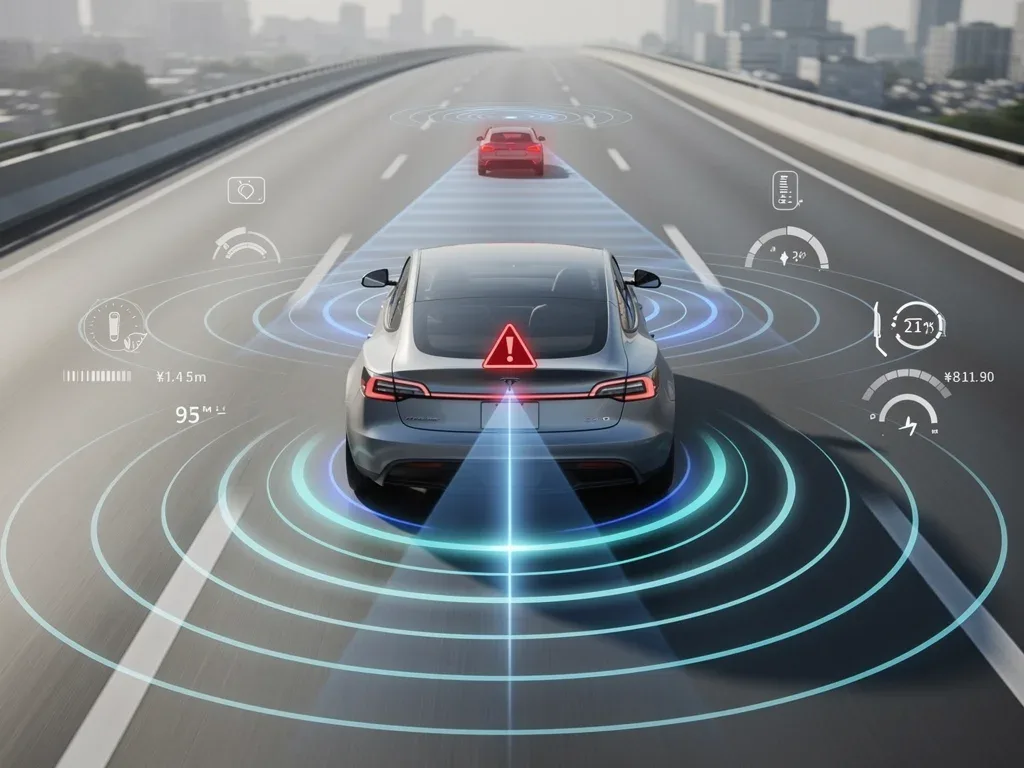
The National Highway Traffic Safety Administration (NHTSA) has finalized a pivotal regulation requiring Automatic Emergency Braking (AEB) systems in all new passenger cars, a move expected to significantly reduce accidents and enhance road safety nationwide.
The landscape of automotive safety in the United States is undergoing a monumental shift with the recent announcement that the NHTSA Passes Regulation Requiring Automatic Emergency Braking Systems in 100% of New Passenger Cars. This landmark decision marks a significant stride towards a future with fewer collisions, injuries, and fatalities on our roads. It's a move that will redefine how we perceive and experience vehicle safety, making advanced technology a standard rather than an option.
Understanding the New NHTSA AEB Regulation
The National Highway Traffic Safety Administration (NHTSA) has officially mandated that all new passenger cars and light trucks sold in the United States must be equipped with Automatic Emergency Braking (AEB) systems. This regulation is not merely an advisory; it's a binding requirement designed to dramatically improve vehicle safety standards across the board. The goal is clear: to prevent crashes and save lives by leveraging technology that can react faster and more consistently than a human driver.
This initiative culminates years of research, development, and advocacy by safety organizations, car manufacturers, and government bodies. The evidence supporting AEB's effectiveness in reducing rear-end collisions and pedestrian accidents has been overwhelming, paving the way for this decisive regulatory action. It represents a proactive approach to road safety, moving beyond passive safety features to active collision avoidance.
What is Automatic Emergency Braking (AEB)?
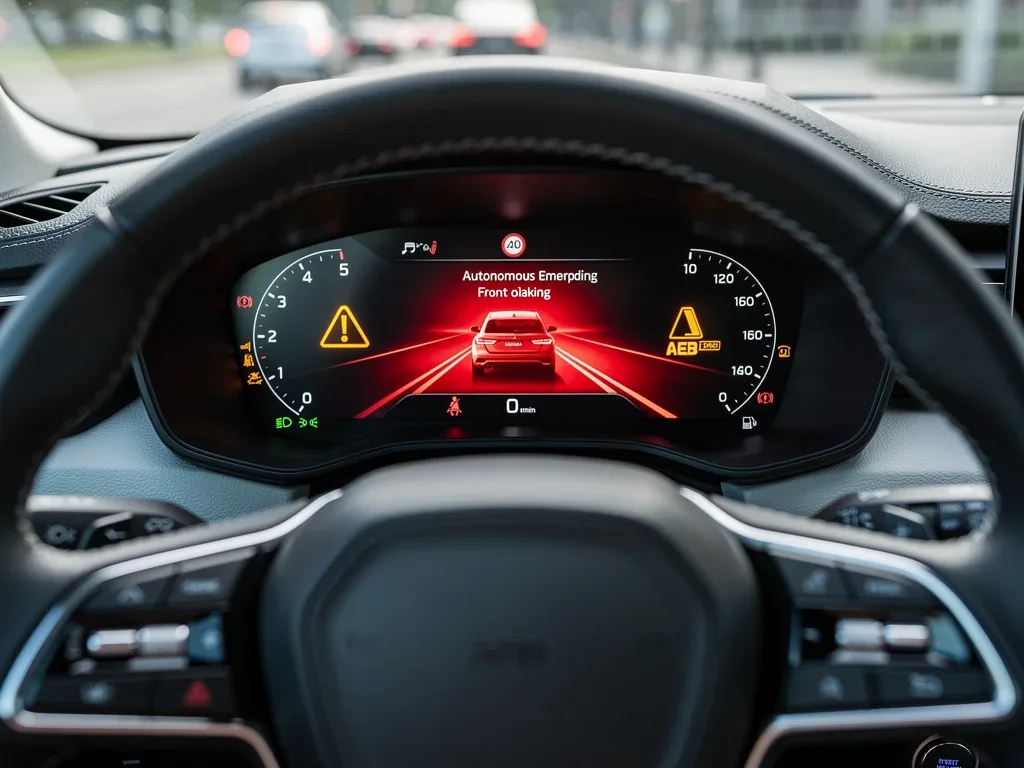
Automatic Emergency Braking is a sophisticated safety system that uses sensors, radar, or cameras to detect an impending collision with another vehicle, pedestrian, or obstacle. If the system determines a crash is imminent and the driver has not taken sufficient action, it will automatically apply the brakes. This can either prevent the collision entirely or significantly reduce its severity.
- Forward Collision Warning (FCW): Alerts the driver to a potential frontal crash.
- Dynamic Brake Support (DBS): Provides additional braking force if the driver doesn't brake hard enough.
- Crash Imminent Braking (CIB): Automatically applies brakes when a collision is unavoidable.
These components work in concert to provide multiple layers of protection, significantly enhancing a vehicle's ability to avoid or mitigate accidents. The technology is constantly evolving, becoming more accurate and reliable, which is a key factor in the NHTSA's decision to make it mandatory.
The new regulation specifies performance standards that AEB systems must meet, ensuring a baseline level of effectiveness. This includes criteria for detecting vehicles and pedestrians, as well as performance in various speed ranges. The comprehensive nature of these standards aims to prevent manufacturers from implementing subpar systems, thereby ensuring genuine safety benefits for consumers.
The Impetus Behind the AEB Mandate: A Look at Accident Data
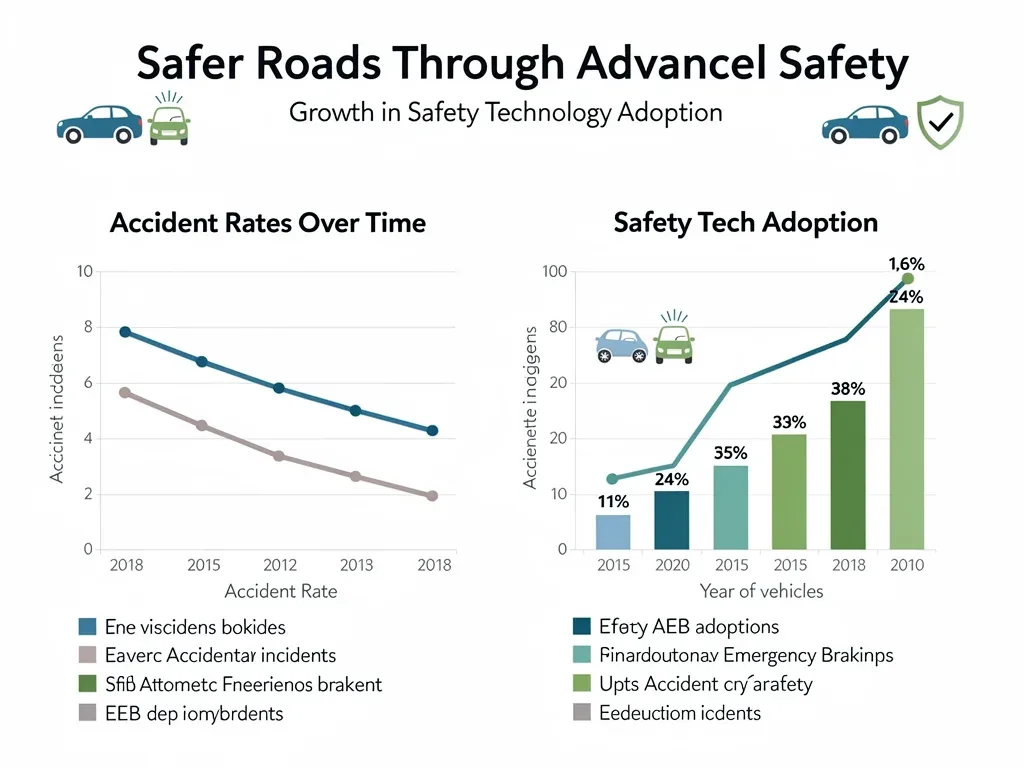
The decision by the NHTSA to mandate AEB systems was not made lightly; it was driven by compelling accident statistics and a clear understanding of the technology's potential to save lives. Road fatalities and injuries remain a significant public health concern in the United States, and many of these incidents are preventable through advanced safety features. Rear-end collisions, in particular, account for a substantial portion of all reported crashes, making them a primary target for AEB intervention.
Studies conducted by various organizations, including the Insurance Institute for Highway Safety (IIHS), have consistently demonstrated the effectiveness of AEB systems. These studies show a measurable reduction in both the frequency and severity of crashes in vehicles equipped with AEB. The data paints a clear picture: this technology works, and its widespread adoption is crucial for improving overall road safety.
Impact on Rear-End Collisions
Rear-end crashes are one of the most common types of collisions, often resulting in whiplash injuries and significant property damage. AEB systems are particularly effective at preventing these types of accidents by detecting slowing or stopped vehicles ahead and automatically applying the brakes if the driver fails to react in time. This can make a substantial difference, especially in stop-and-go traffic or situations where a driver might be momentarily distracted.
- Reduced frequency: AEB can prevent up to 50% of rear-end collisions.
- Lower injury rates: Even when a crash isn't fully avoided, AEB reduces impact speed, lessening injury severity.
- Economic benefits: Fewer crashes mean lower insurance claims and repair costs.
The economic impact of traffic accidents is staggering, encompassing medical expenses, lost wages, insurance costs, and property damage. By reducing the number of crashes, the AEB mandate is expected to yield significant economic benefits for individuals and society as a whole, in addition to the invaluable benefit of preventing human suffering.
Implementation Timeline and Manufacturer Compliance
The NHTSA's regulation comes with a clear timeline for implementation, providing car manufacturers with a defined period to ensure full compliance. This phased approach is designed to allow automakers sufficient time to integrate AEB systems into all their new passenger vehicle models, from design and engineering to production and testing. The goal is to achieve 100% compliance without disrupting the automotive market or compromising safety standards.
Manufacturers are already well aware of the impending changes, as many have voluntarily adopted AEB systems in a growing number of their vehicles over the past few years. This proactive stance by the industry has laid a strong foundation for the mandatory implementation, making the transition smoother than it might have been otherwise. However, the new regulation ensures that even entry-level models will now include this vital safety feature, democratizing advanced safety technology.
The regulation outlines specific deadlines by which all new passenger cars and light trucks must be equipped with AEB. These deadlines are crucial for holding manufacturers accountable and ensuring that the safety benefits are realized as quickly as possible. Non-compliance could result in penalties, underscoring the seriousness of this mandate.
Challenges and Opportunities for Automakers
While many manufacturers already offer AEB, integrating it into every single model presents both challenges and opportunities. Challenges include ensuring consistency in performance across diverse vehicle types, managing supply chains for necessary components, and potentially re-engineering existing platforms. However, there are also significant opportunities:
- Enhanced brand reputation: Manufacturers can reinforce their commitment to safety.
- Innovation in safety tech: The mandate encourages further development and refinement of AEB and related systems.
- Market differentiation: While mandatory, superior AEB performance can still be a selling point.
This regulation pushes the entire industry forward, fostering an environment of continuous improvement in vehicle safety. It also provides a level playing field, ensuring that all consumers, regardless of the vehicle segment they choose, will benefit from this life-saving technology.
Benefits for Consumers and Road Safety
The most significant beneficiaries of the NHTSA's AEB mandate are undoubtedly consumers and the broader public who share our roads. This regulation promises a future where driving is inherently safer, with fewer accidents, injuries, and fatalities. For individual drivers, it means an extra layer of protection, a technological co-pilot that can intervene when human reaction times or attention falter. This can reduce stress and increase confidence behind the wheel, especially in challenging driving conditions.
Beyond the direct prevention of crashes, the widespread adoption of AEB is expected to have a ripple effect across the entire transportation ecosystem. It could lead to lower insurance premiums as accident rates decline, reduced traffic congestion due to fewer incidents, and a general improvement in the quality of life for communities affected by road safety issues. The societal benefits extend far beyond the individual vehicle.
Key Advantages of Mandatory AEB
Making AEB standard equipment in all new vehicles offers a multitude of advantages that will transform road safety. These benefits are not just theoretical; they are backed by real-world data and expert analysis, demonstrating the profound positive impact this technology can have on preventing accidents.
- Reduced fatalities and injuries: The primary goal, saving thousands of lives annually.
- Decreased property damage: Fewer collisions mean less financial burden from repairs.
- Enhanced pedestrian and cyclist safety: Many AEB systems are designed to detect vulnerable road users.
- Improved driver confidence: Knowing advanced safety systems are present offers peace of mind.
The mandate also addresses an equity issue. Previously, advanced safety features like AEB were often found only in higher-trim vehicles or as expensive add-ons. By making it standard, NHTSA ensures that all new car buyers, regardless of their budget, will have access to this critical safety technology, democratizing road safety for everyone.
Technological Evolution and Future of Vehicle Safety
The NHTSA's AEB mandate is not just about a single technology; it's a catalyst for the broader evolution of vehicle safety. By making AEB standard, the regulation encourages further innovation and integration of other advanced driver-assistance systems (ADAS). As AEB systems become more sophisticated, they will likely incorporate even more advanced sensors, artificial intelligence, and connectivity features, paving the way for increasingly autonomous and safer vehicles.
This regulation signals a clear commitment to leveraging technology as a primary tool for accident prevention. It sets a precedent for future mandates that could include other ADAS features, such as lane-keeping assist, blind-spot monitoring, and advanced adaptive cruise control. The automotive industry is on a trajectory towards a future where human error is increasingly mitigated by intelligent systems, making our roads safer for everyone.
Integration with Other ADAS Features
AEB systems don't operate in isolation; they are often part of a suite of ADAS features that work together to provide comprehensive safety. The mandate will likely accelerate the development and integration of these systems, creating a more holistic approach to vehicle safety. For example, AEB can be enhanced by:
- Lane Keeping Assist: Helps keep the vehicle within its lane, preventing potential head-on or side-swipe collisions.
- Blind Spot Monitoring: Alerts drivers to vehicles in their blind spots, reducing lane-change accidents.
- Adaptive Cruise Control: Maintains a safe following distance, reducing the likelihood of rear-end collisions.
The synergy between these technologies creates a robust safety net, far surpassing what was possible with passive safety features alone. This integrated approach is critical for addressing the complex and varied scenarios that lead to accidents on our roads. The future of vehicle safety is undoubtedly interconnected, with AEB serving as a foundational element.
Addressing Concerns and Misconceptions about AEB
As with any significant technological advancement and regulatory change, the NHTSA's AEB mandate has generated some discussion and a few misconceptions. It's important to address these concerns to ensure a clear understanding of the technology and its implications. While AEB systems are highly effective, they are not infallible, and their purpose is to augment, not replace, attentive driving.
One common concern revolves around false positives – situations where the AEB system might brake unnecessarily. Modern AEB systems are designed with sophisticated algorithms to minimize false positives, using multiple sensors and advanced data processing to confirm an impending collision before intervention. Continuous improvements in sensor technology and software logic are further reducing these occurrences, making the systems increasingly reliable.
Another area of discussion is the potential for drivers to become over-reliant on AEB. While the system provides an invaluable safety net, it's crucial for drivers to remain engaged and attentive. AEB is a supplemental safety feature, not an autopilot. Educational campaigns and clear vehicle owner manuals play a vital role in ensuring drivers understand the capabilities and limitations of their vehicle's safety systems.
Common Misconceptions Debunked
Clarifying some of the prevalent myths surrounding AEB is essential for public acceptance and understanding. The effectiveness and reliability of these systems are well-documented, but misinformation can hinder their full potential.
- AEB replaces driver responsibility: False. AEB assists, but the driver remains ultimately responsible.
- AEB causes more accidents: False. Data overwhelmingly shows AEB reduces accidents.
- AEB is only for high speeds: False. Many systems are effective at various speeds, including city driving.
The NHTSA's regulation includes rigorous testing and performance standards to ensure that AEB systems are both effective and reliable, minimizing any potential drawbacks. The benefits of widespread AEB adoption far outweigh any perceived limitations, especially as the technology continues to mature and improve.
The Path Forward: A Safer Automotive Future
The NHTSA's decision to mandate Automatic Emergency Braking systems in all new passenger cars represents a pivotal moment in the history of automotive safety. It's a bold and necessary step towards creating a future where our roads are significantly safer for everyone. This regulation embodies a commitment to leveraging technological advancements to address one of society's most pressing public health challenges: traffic accidents.
As this mandate takes full effect, we can anticipate a noticeable reduction in collision rates, a decrease in severe injuries, and ultimately, a significant number of lives saved. The automotive industry will continue to innovate, building upon the foundation laid by AEB to integrate even more sophisticated safety features. Consumers will benefit from safer vehicles, and the societal costs associated with accidents will diminish, fostering a healthier and more secure environment for all road users.
The journey towards a completely accident-free future is long and complex, but the mandatory implementation of AEB is a critical milestone on that path. It underscores the power of regulation, technological innovation, and collaborative efforts between government, industry, and safety advocates to achieve a common goal: making our journeys safer, every single day.
| Key Point | Brief Description |
|---|---|
| AEB Mandate | NHTSA now requires Automatic Emergency Braking in all new passenger cars and light trucks. |
| Safety Impact | Expected to significantly reduce rear-end collisions, injuries, and fatalities on U.S. roads. |
| Implementation | Manufacturers have a defined timeline to integrate compliant AEB systems into all models. |
| Consumer Benefits | Increased safety, potential for lower insurance costs, and access to advanced tech for all. |
Frequently Asked Questions About the AEB Mandate
What is Automatic Emergency Braking (AEB)?▼AEB is a safety system that detects potential collisions and automatically applies the brakes if the driver doesn't react in time. It uses sensors to identify obstacles like other vehicles or pedestrians, aiming to prevent or reduce the severity of crashes.
When does the NHTSA AEB regulation take effect?▼The NHTSA has established a specific timeline for implementation. While exact dates vary by vehicle type, manufacturers must ensure all new passenger cars and light trucks comply within a few years from the regulation's announcement, typically by 2029.
Will this mandate increase the cost of new cars?▼While integrating new technology can initially add costs, many manufacturers already include AEB. The widespread adoption due to the mandate is expected to drive down component costs over time, making any price increase minimal and offset by safety benefits.
Does AEB work in all driving conditions?▼Modern AEB systems are highly effective in various conditions, including daylight and night. However, severe weather, sensor obstructions, or complex traffic scenarios can sometimes limit their performance. It's an aid, not a substitute for attentive driving.
How will this impact older vehicles without AEB?▼The regulation applies only to new passenger cars and light trucks. Older vehicles without AEB are not affected by this mandate. However, the increased safety on roads due to new vehicles with AEB may indirectly benefit all road users.
Conclusion
The NHTSA's decisive action to mandate Automatic Emergency Braking systems across all new passenger cars and light trucks represents a monumental leap forward for road safety in the United States. This regulation is more than just a new rule; it's a testament to the power of technology to prevent tragedies and protect lives. By making AEB a standard feature, we are collectively moving towards an era of significantly safer driving, where advanced collision avoidance is accessible to every new car buyer. The ripple effects, from reduced accident rates and lower insurance costs to enhanced peace of mind for drivers, will undoubtedly shape a more secure automotive future for generations to come.
The journey towards a completely accident-free future is long and complex, but the mandatory implementation of AEB is a critical milestone on that path. It underscores the power of regulation, technological innovation, and collaborative efforts between government, industry, and safety advocates to achieve a common goal: making our journeys safer, every single day.
