Nuclear Microreactors for Industrial Facilities: 5MW Power
Advertisements
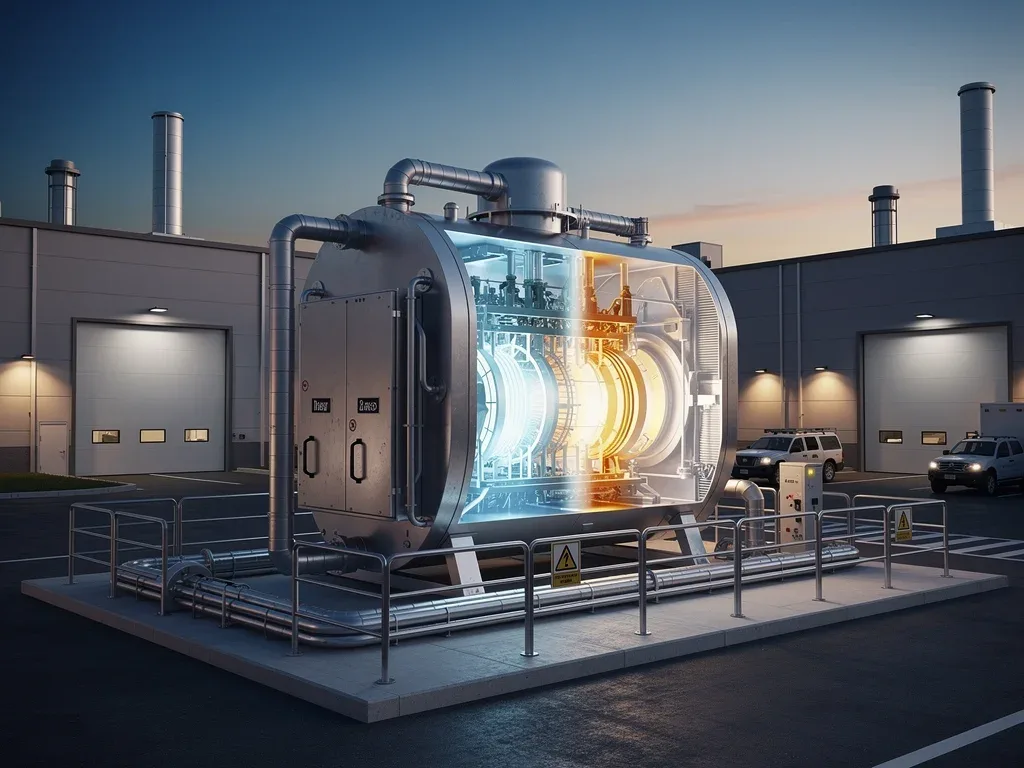
Nuclear microreactors are poised to redefine commercial power independence for industrial facilities, with 5-megawatt modular units offering a compact, efficient, and resilient energy solution.
The concept of nuclear microreactors for industrial facilities is rapidly moving from theoretical discussions to tangible implementation, promising a significant paradigm shift in how commercial operations secure their energy needs. These compact, 5-megawatt modular units are not just an incremental improvement; they represent a fundamental rethinking of power generation, offering unprecedented independence and reliability for a diverse range of industrial applications across the United States.
The rise of nuclear microreactors in industry
The energy landscape is continually evolving, driven by demands for greater efficiency, sustainability, and resilience. Traditional large-scale power grids, while foundational, often face challenges related to centralized vulnerabilities and long-distance transmission losses. This context has paved the way for innovative solutions like nuclear microreactors.
These small, factory-fabricated nuclear reactors are designed to produce power in the range of 1 to 20 megawatts electric (MWe), with 5-megawatt units emerging as a sweet spot for many industrial applications. Their compact size allows for deployment in remote locations or directly at industrial sites, minimizing the need for extensive grid infrastructure and enhancing energy security.
Addressing energy independence needs
Industrial facilities, particularly those with continuous operations or critical processes, require a highly reliable and independent power supply. Fluctuations in grid stability, rising electricity costs, and the increasing frequency of extreme weather events pose significant threats to operational continuity. Microreactors offer a compelling answer to these challenges.
- Enhanced energy security and independence from the main grid.
- Reduced operational costs through stable, predictable power generation.
- Minimized carbon footprint, aligning with environmental sustainability goals.
- Increased resilience against external power disruptions.
The integration of nuclear microreactors provides a localized and dedicated power source, ensuring that industrial processes remain uninterrupted even when the broader grid experiences issues. This level of energy independence is invaluable for sectors ranging from manufacturing and data centers to mining and defense facilities.
In conclusion, the emergence of nuclear microreactors signifies a pivotal moment for industrial power. Their ability to deliver reliable, independent, and clean energy directly at the point of consumption offers a robust solution to the complex energy demands faced by modern industries, setting the stage for a new era of localized power generation.
Technological innovations driving 5-megawatt units
The development of 5-megawatt nuclear microreactors is a testament to decades of advanced nuclear research and engineering. These units leverage cutting-edge technologies that distinguish them from their larger predecessors, focusing on enhanced safety, simplified design, and modular construction. The core innovations revolve around passive safety systems, advanced materials, and streamlined manufacturing processes.
One primary technological advancement is the use of TRISO (Tristructural-Isotropic) fuel, which is highly robust and designed to contain fission products even under extreme conditions. This fuel type, combined with inherent safety features like negative temperature coefficients of reactivity, ensures that the reactor automatically shuts down or reduces power in off-normal events without requiring active human intervention or complex control systems.
Passive safety features and design simplicity
The emphasis on passive safety is a game-changer for microreactors. Unlike traditional reactors that rely on active pumps and external power to maintain cooling, microreactors are designed to dissipate heat naturally through convection and radiation. This inherent safety greatly reduces the risk of accidents and simplifies operational requirements.
- Gravity-driven cooling systems.
- Natural circulation of coolants.
- Inherent shutdown mechanisms.
- Reduced need for external power sources for safety.
The modular nature of these reactors also contributes to their innovative appeal. Components can be factory-assembled and then transported to the site, significantly reducing construction time and costs compared to large-scale nuclear plants. This approach allows for greater standardization, quality control, and predictability in deployment schedules.
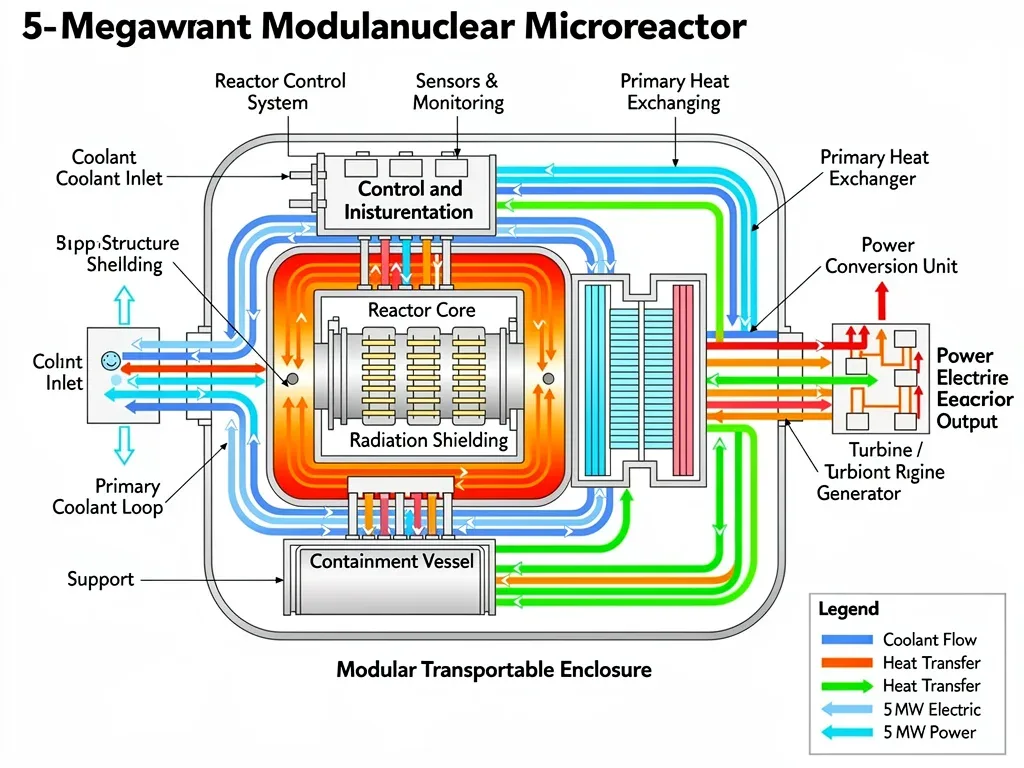
Furthermore, advanced manufacturing techniques, including additive manufacturing, are being explored to produce reactor components with higher precision and efficiency. These technological leaps are crucial for bringing microreactors from conceptual designs to commercially viable and deployable units for industrial applications.
In essence, the technological innovations underpinning 5-megawatt nuclear microreactors are centered on making nuclear energy safer, simpler, and more accessible. By integrating passive safety with modular construction and advanced materials, these units are poised to meet the stringent demands of industrial power users.
Economic advantages for commercial operations
The economic benefits of integrating nuclear microreactors into industrial operations are substantial and multifaceted. Beyond the immediate advantage of a stable power supply, these units offer long-term financial predictability and potential cost savings that can significantly impact a company's bottom line. The initial capital investment, while considerable, is often offset by the operational efficiencies and reduced exposure to volatile energy markets.
One of the most compelling economic arguments for microreactors is their ability to provide stable and predictable electricity prices over decades. Unlike fossil fuels, which are subject to global commodity price fluctuations and geopolitical instability, nuclear fuel costs are a minor component of the overall operational expenditure and are far more stable. This predictability allows industrial facilities to forecast their energy expenses with greater accuracy, aiding in long-term financial planning and risk management.
Reducing energy costs and carbon taxes
As regulations around carbon emissions become stricter and carbon pricing mechanisms gain traction, the zero-emission nature of nuclear power offers a significant economic advantage. Companies utilizing microreactors can avoid carbon taxes and penalties, while also enhancing their environmental, social, and governance (ESG) profiles, which can attract investors and customers.
- Long-term price stability for electricity.
- Avoidance of carbon emission penalties.
- Potential for energy sales back to the grid during low demand.
- Reduced transmission and distribution costs.
Moreover, the localized nature of microreactor deployment means reduced reliance on extensive and costly transmission infrastructure. For facilities in remote areas or those seeking to bypass congested grids, the ability to generate power on-site eliminates transmission fees and reduces power losses over long distances, contributing to overall cost efficiency.
The economic case for 5-megawatt nuclear microreactors extends beyond direct energy savings. It encompasses risk mitigation, regulatory compliance, and the strategic advantage of energy independence. These factors collectively make microreactors an increasingly attractive option for commercial operations looking to secure their energy future and enhance their competitive position in the market.
Safety and regulatory framework for deployment
Safety is paramount in nuclear technology, and nuclear microreactors are being developed with an even greater emphasis on inherent and passive safety features. The regulatory framework in the United States, primarily overseen by the Nuclear Regulatory Commission (NRC), is adapting to accommodate these smaller, advanced reactor designs, ensuring they meet the highest standards of safety and security before deployment.
The NRC is actively engaged with developers of microreactors to create a streamlined, yet rigorous, licensing pathway. This involves pre-application reviews, design certifications, and combined operating licenses, all tailored to the unique characteristics of microreactors, such as their smaller fission product inventories and enhanced passive safety.
Ensuring robust security measures
Security is another critical aspect of microreactor deployment. Despite their compact size, these units contain nuclear material and require robust physical and cyber security measures to prevent unauthorized access or sabotage. Developers are integrating advanced security technologies and protocols into the design and operational plans of microreactors from the outset.
- Integrated physical protection systems.
- Advanced cyber security protocols.
- Remote monitoring and control capabilities.
- Compliance with international non-proliferation treaties.
The smaller size and modularity of microreactors can simplify some security aspects, as they can be deployed in hardened, tamper-resistant modules. This inherent protection, combined with stringent regulatory oversight, aims to ensure that microreactors are not only safe to operate but also secure against potential threats. The goal is to build public trust and confidence in this new generation of nuclear power.
In summary, the safety and regulatory frameworks for nuclear microreactors are evolving to ensure their secure and responsible deployment. Through collaborative efforts between developers and regulatory bodies, these advanced power sources are being designed and licensed to meet the highest safety and security standards, paving the way for their broader adoption in industrial settings.
Applications across various industrial sectors
The versatility of 5-megawatt nuclear microreactors makes them suitable for a wide range of industrial applications, offering tailored energy solutions that address specific sector needs. Their compact footprint and independent operation are particularly appealing to industries requiring reliable, on-site power that is resilient to grid disturbances and price volatility.
One prominent application is in remote mining operations, where access to stable and affordable power is often a significant challenge. Microreactors can provide continuous power for heavy machinery, processing plants, and living quarters, reducing reliance on expensive and carbon-intensive diesel generators. This not only cuts operational costs but also improves environmental performance.
Powering data centers and critical infrastructure
Data centers, with their insatiable demand for uninterrupted power, represent another key sector for microreactor deployment. A single outage can lead to massive financial losses and data corruption. Microreactors can provide a dedicated, highly reliable power source, ensuring continuous operation and mitigating the risks associated with grid instability.
- Manufacturing facilities requiring consistent power for production lines.
- Desalination plants needing reliable energy for water purification.
- Military bases and remote installations for enhanced energy security.
- Hydrogen production facilities for clean fuel generation.
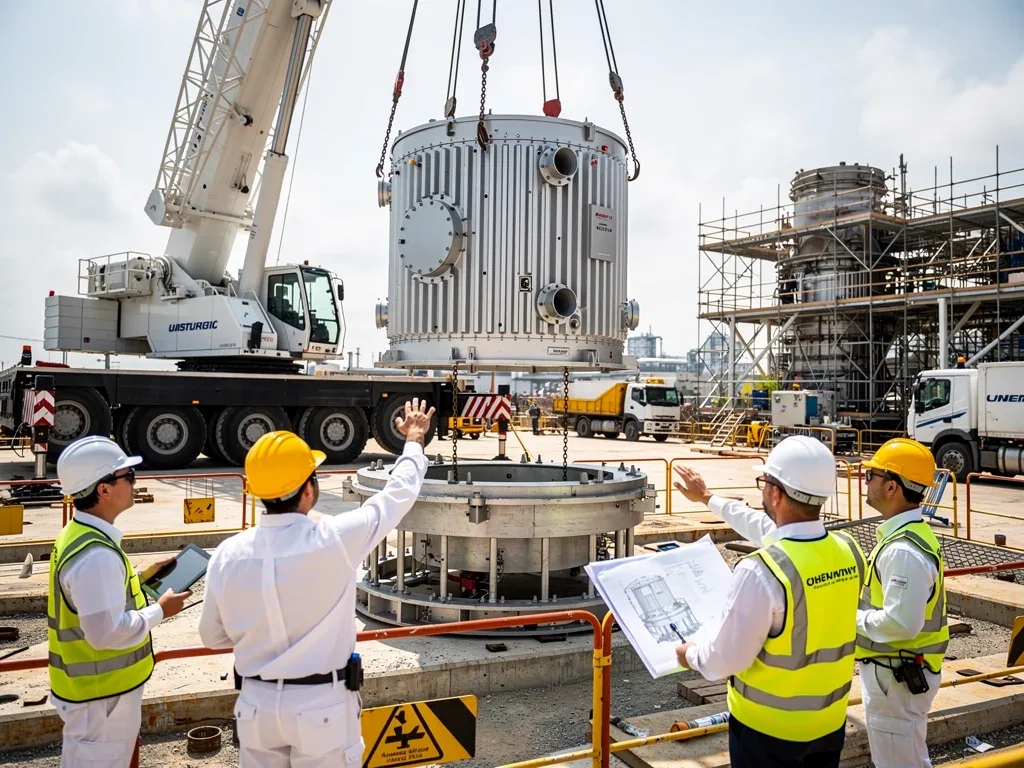
Furthermore, microreactors can support the energy needs of large-scale manufacturing facilities, ensuring that production lines run smoothly without interruptions. Their ability to generate process heat in addition to electricity makes them even more valuable for industries like chemical manufacturing or food processing that have significant thermal energy demands.
The broad applicability of 5-megawatt nuclear microreactors across diverse industrial sectors underscores their potential to transform energy consumption patterns. By providing reliable, clean, and independent power, these units are set to become a cornerstone of modern industrial infrastructure, driving efficiency and sustainability.
Challenges and future outlook for microreactors
While the potential of nuclear microreactors is immense, their widespread adoption faces several challenges that need to be addressed. These include public perception and acceptance, the development of a robust supply chain, and the establishment of clear, consistent regulatory pathways for deployment across various jurisdictions. Overcoming these hurdles will be crucial for their successful integration into the industrial energy landscape.
Public perception of nuclear energy, often shaped by historical events, can be a significant barrier. Education and transparent communication about the enhanced safety features and benefits of microreactors are essential to build trust and gain community acceptance. Demonstrating their inherent safety and environmental advantages will be key to shifting public opinion.
Building a robust supply chain and regulatory clarity
The manufacturing and deployment of microreactors will require a specialized and robust supply chain. This includes everything from fuel fabrication and component manufacturing to specialized transportation and installation services. Developing this ecosystem will require significant investment and coordination among various stakeholders.
- Addressing public perception and fostering community engagement.
- Developing a specialized and efficient manufacturing supply chain.
- Harmonizing regulatory frameworks across different regions.
- Securing long-term financial commitments for development and deployment.
From a regulatory standpoint, while the NRC is making progress, a clearer and more predictable licensing process tailored specifically for microreactors is needed to accelerate deployment. Consistency in regulatory requirements and timelines will reduce uncertainties for developers and investors, encouraging greater participation in the market.
Despite these challenges, the future outlook for nuclear microreactors remains highly optimistic. Ongoing research and development, coupled with growing interest from industrial sectors and governmental support, indicate a strong trajectory for these innovative power sources. As the world seeks cleaner, more resilient energy solutions, 5-megawatt modular nuclear units are poised to play a pivotal role in shaping the energy future for industrial facilities.
| Key Aspect | Description |
|---|---|
| Energy Independence | Microreactors offer on-site, reliable power, reducing reliance on the grid for industrial facilities. |
| Technological Innovation | Leverages passive safety systems, TRISO fuel, and modular construction for enhanced safety and efficiency. |
| Economic Benefits | Provides stable electricity costs, avoids carbon taxes, and reduces transmission expenses. |
| Broad Applications | Suitable for mining, data centers, manufacturing, and critical infrastructure requiring consistent power. |
Frequently asked questions about nuclear microreactors
What is a nuclear microreactor?▼A nuclear microreactor is a compact nuclear fission reactor designed to produce up to 20 megawatts electric (MWe) of power, with 5-megawatt units being particularly relevant for industrial use. They are factory-fabricated and can be transported to various sites, offering a highly reliable and independent power source with enhanced safety features.
How do 5-megawatt microreactors enhance industrial power independence?▼These units provide on-site, dedicated power, significantly reducing an industrial facility's reliance on the centralized grid. This ensures continuous operation, protects against grid failures, and offers predictable energy costs, crucial for critical processes and energy-intensive industries.
Are nuclear microreactors safe for industrial deployment?▼Yes, microreactors are designed with advanced passive safety systems that ensure automatic shutdown and cooling without active human intervention. They utilize robust fuels like TRISO, and regulatory bodies like the NRC are developing stringent frameworks to ensure their safe and secure operation in industrial settings.
What are the economic benefits of using microreactors for businesses?▼Businesses can benefit from stable, long-term electricity prices, avoiding the volatility of fossil fuel markets. Additionally, microreactors produce zero carbon emissions during operation, potentially saving on carbon taxes and enhancing a company's environmental profile, while also reducing transmission costs.
What types of industrial facilities can benefit from microreactors?▼Various sectors can benefit, including remote mining operations, data centers, large manufacturing plants, chemical processing facilities, and military bases. Any industry requiring a continuous, reliable, and independent power supply, or seeking to reduce its carbon footprint, is a strong candidate for microreactor integration.
Conclusion
The advent of 5-megawatt modular nuclear microreactors marks a significant evolution in industrial power generation, promising a future where energy independence and reliability are no longer aspirational but achievable realities for commercial operations. These compact units offer a compelling blend of advanced safety features, economic predictability, and environmental benefits, positioning them as a transformative solution for industries seeking to secure their energy future. While challenges related to public perception and supply chain development remain, the ongoing innovation and growing interest in these technologies suggest that nuclear microreactors are poised to reshape the landscape of commercial power in the United States, driving efficiency and resilience across diverse industrial sectors.
