Final Real ID Enforcement Deadline Takes Effect Across All Domestic Airports
Advertisements
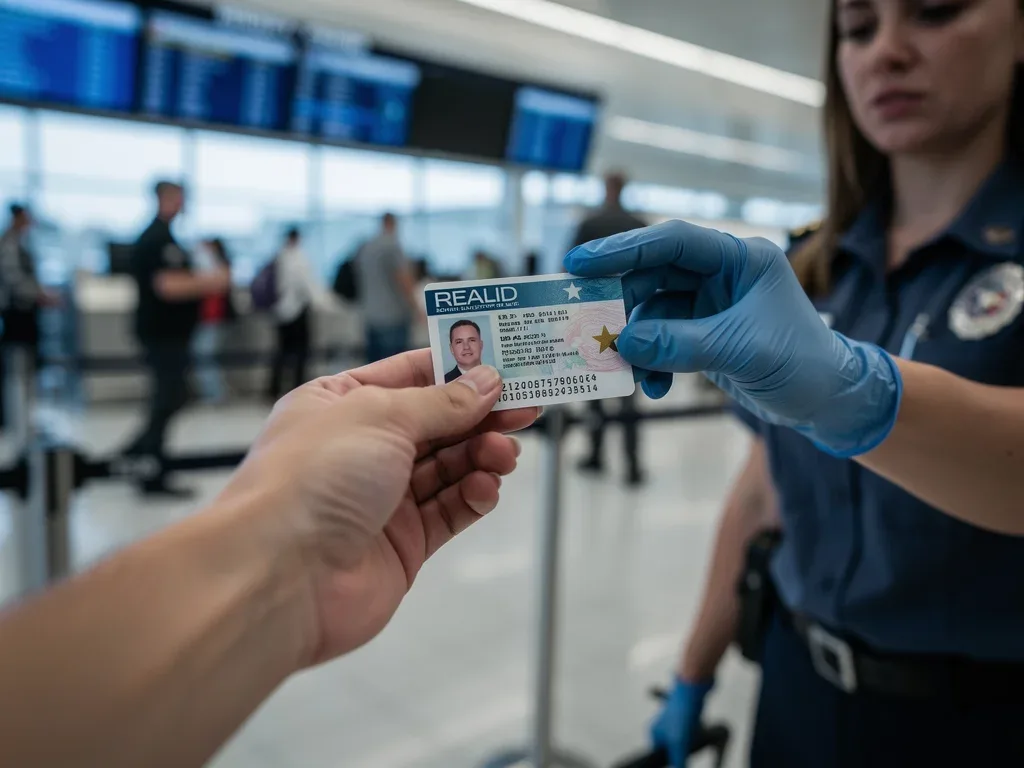
The final phase of the Real ID Enforcement Deadline has officially commenced, requiring all domestic air travelers to present a Real ID compliant driver's license or another acceptable form of identification at airport security checkpoints nationwide.
The moment many have anticipated is finally here: the Final Real ID Enforcement Deadline Takes Effect Across All Domestic Airports. This crucial federal mandate is designed to enhance the security of our nation's airports and is now fully operational. If you plan to fly domestically, understanding these new requirements is not just important, it's essential to ensure your travel plans proceed without a hitch. Are you ready for the change?
Understanding the Real ID Act: A Historical Perspective
The Real ID Act, passed by Congress in 2005, was a direct response to the 9/11 Commission's recommendation that the federal government set standards for the issuance of sources of identification, such as state driver's licenses and identification cards. The Act established minimum security standards for state-issued driver's licenses and identification cards and prohibits federal agencies from accepting for certain purposes driver's licenses and identification cards from states that do not meet these standards. This legislative effort aimed to improve the integrity and security of state-issued identification documents, thereby reducing the risk of terrorism and identity fraud.
Initially, the implementation was gradual, with various deadlines set and subsequently extended to allow states and the public ample time to comply. The Department of Homeland Security (DHS) has been working closely with states to ensure their compliance with the Act's requirements, which include incorporating anti-counterfeit technology and conducting more rigorous identity verification processes. The journey to full enforcement has been long, marked by public information campaigns and state-level adjustments to licensing procedures. Now, after years of preparation and extensions, the final deadline is upon us, bringing significant changes to how Americans will navigate air travel.
The Genesis of the Real ID Act
- Post-9/11 Commission Recommendations: The Act originated from a key recommendation by the 9/11 Commission to standardize identification.
- Enhanced Security Measures: It aimed to make state-issued IDs more secure and harder to counterfeit.
- Phased Implementation: The rollout was deliberately slow, allowing states and citizens to adapt.
The Act's intent was never to inconvenience travelers but to create a more secure national identification system. The gradual approach allowed for a smoother transition, though challenges remained. Many states required significant overhauls of their DMV systems and processes to meet the federal standards, which included new document requirements and verification steps. This historical context is vital for understanding why the current enforcement is so critical.
In essence, the Real ID Act represents a significant federal initiative to bolster national security through standardized identification. Its long implementation period underscores the complexity of coordinating such a widespread change across all 50 states. The final enforcement marks the culmination of nearly two decades of effort to achieve a more secure travel environment, impacting every individual planning to fly domestically.
What is a Real ID Compliant Document?
A Real ID compliant document is a state-issued driver's license or identification card that meets the security standards established by the Real ID Act of 2005. These documents are distinguishable by a star symbol typically located in the upper right-hand corner of the card. This star signifies that the issuing state has met the federal government's stringent security requirements, which include robust identity proofing and document verification processes.
For air travel, presenting a Real ID compliant document is now mandatory for individuals aged 18 and older. Without it, travelers will be unable to pass through TSA security checkpoints for domestic flights. It's important to note that while a Real ID is essential for domestic air travel, it is not required for other purposes such as driving, voting, or accessing federal facilities that do not require identification. However, for those who fly, this distinction becomes critical.
Identifying Your Real ID
- The Star Symbol: Look for a star in the upper right corner of your driver's license or state ID card.
- State-Specific Designs: While the star is universal, the exact appearance of the ID may vary slightly by state.
- Enhanced Security Features: Real IDs incorporate advanced anti-counterfeit measures.
Beyond the star, Real ID compliant documents involve a more rigorous application process. Applicants typically need to provide several forms of documentation to prove their identity, date of birth, Social Security number, and two proofs of address. This process is designed to prevent fraudulent acquisition of identification documents, thereby enhancing overall security. The increased scrutiny at the DMV level directly contributes to the heightened security at airport checkpoints, forming a comprehensive system of identity verification.
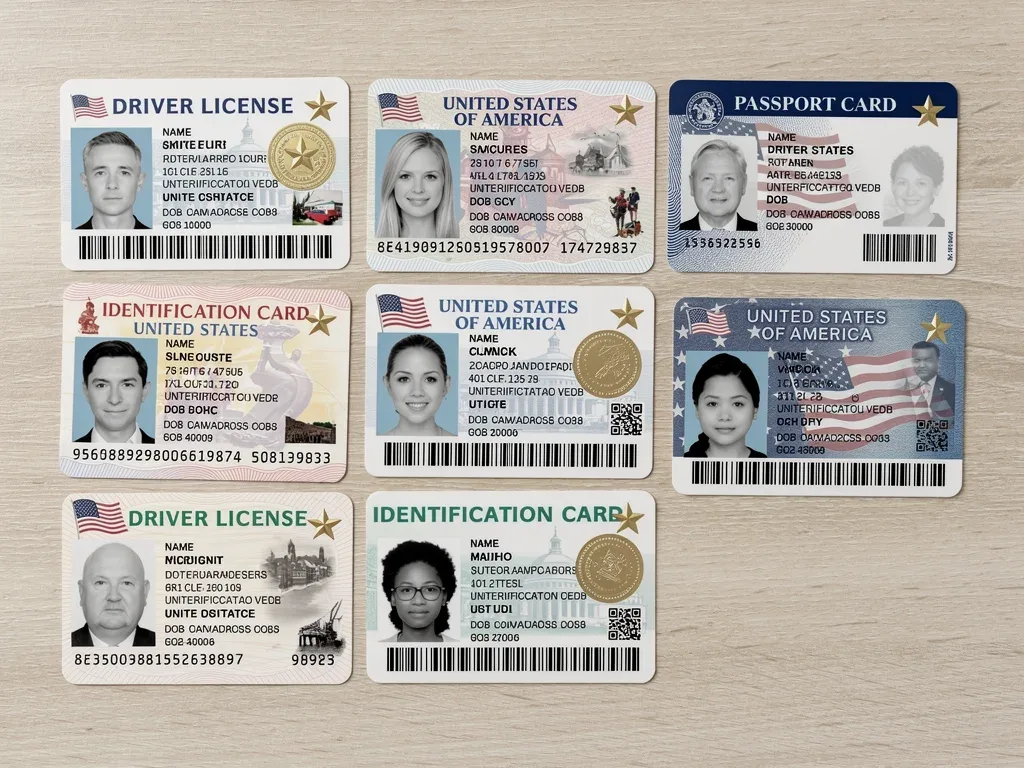
If your current driver's license or state ID does not have the star symbol, it means it is not Real ID compliant. In this scenario, you will need to obtain an alternative acceptable form of identification for air travel, such as a U.S. passport or a federally recognized enhanced driver's license, if offered by your state. Understanding these alternatives is crucial for seamless travel, especially if you have not yet acquired a Real ID.
The Impact on Domestic Air Travel
The implementation of the Final Real ID Enforcement Deadline Takes Effect Across All Domestic Airports has a profound impact on how millions of Americans will experience air travel. The most immediate and significant change is at the TSA security checkpoint. Travelers aged 18 and over will be required to present a Real ID compliant driver's license or another acceptable form of identification to board domestic flights. Failure to do so will result in denied entry to the sterile area of the airport, effectively preventing travel.
This new reality necessitates proactive planning from travelers. It's no longer enough to simply show up at the airport with any state-issued ID. Passengers must verify that their identification meets the Real ID standards well in advance of their travel date. This avoids last-minute stress and potential disruptions, which could include missing flights. Airlines and airports are working to educate the public, but ultimately, the responsibility lies with the individual traveler to ensure compliance.
Preparing for Your Next Flight
- Check Your ID Now: Verify if your current driver's license or state ID has the star symbol.
- Obtain a Real ID: If not compliant, visit your local DMV to apply for one. Be prepared with necessary documents.
- Consider Alternatives: A U.S. passport, passport card, or military ID are also acceptable forms of identification.
Beyond the individual traveler, the enforcement also impacts airport operations and TSA procedures. While TSA agents have been trained to identify compliant documents, the initial period of full enforcement may see longer lines or increased scrutiny as both travelers and agents adapt to the new regulations. Airports have also been updating their signage and public announcements to remind passengers of the requirements, aiming to minimize confusion and delays.
The goal is to streamline security while enhancing it, ensuring that only properly identified individuals can access sensitive areas. Travelers should anticipate that the process at security checkpoints might feel slightly different, with an emphasis on verifying the Real ID star. Being prepared and understanding the requirements will make a significant difference in the overall travel experience, contributing to a smoother flow through security and maintaining efficient airport operations.
Acceptable Forms of Identification Beyond Real ID
While the focus is heavily on Real ID compliant driver's licenses and state IDs, it's crucial to remember that these are not the only acceptable forms of identification for domestic air travel. The Transportation Security Administration (TSA) accepts a variety of other documents that meet federal security standards. Knowing these alternatives is vital for travelers who may not have a Real ID compliant card or who prefer to use another form of identification.
The most common and widely accepted alternative is a U.S. passport or U.S. passport card. These documents are globally recognized and inherently meet or exceed the security standards of the Real ID Act. Other acceptable forms include federally recognized, enhanced driver's licenses issued by certain states, which often have additional security features beyond standard licenses. Military IDs, such as the Common Access Card (CAC) or Uniformed Services ID card, are also valid for active-duty personnel and their dependents.
Other Valid Travel Documents
- U.S. Passport/Passport Card: Widely accepted for domestic and international travel.
- Military ID: Valid for service members and their families.
- DHS Trusted Traveler Cards: NEXUS, Global Entry, SENTRI, and FAST cards are accepted.
- Permanent Resident Card: Also known as a Green Card, it is a valid form of identification.
For children under 18 traveling with an adult, the TSA does not require them to present identification. However, the adult companion must have an acceptable form of ID. It's always a good practice to check the TSA website for the most current and comprehensive list of acceptable identification documents, as policies can be updated. Having multiple forms of acceptable ID can also serve as a backup in case one is lost or damaged, ensuring uninterrupted travel plans.
Understanding the full spectrum of acceptable identification helps travelers make informed decisions and avoids unnecessary anxiety at the airport. Whether it's a Real ID, a passport, or a trusted traveler card, the key is to ensure you possess a federally recognized document that will allow you to pass through security efficiently. This knowledge empowers travelers to navigate the new regulations with confidence and ease.
The Process of Obtaining a Real ID
Obtaining a Real ID compliant driver's license or state identification card involves a specific process designed to verify your identity thoroughly. This typically requires a visit to your state's Department of Motor Vehicles (DMV) or equivalent agency. The exact documents required can vary slightly by state, but generally, applicants need to provide proof of identity, date of birth, Social Security number, and two proofs of residency.
Commonly accepted documents for proof of identity and date of birth include a U.S. birth certificate or an unexpired U.S. passport. For proof of Social Security number, your Social Security card or a W-2 form displaying your full SSN is usually sufficient. Proof of residency might include utility bills, bank statements, or a lease agreement. It is highly recommended to check your state's DMV website for a precise list of required documents before your visit to avoid multiple trips.
Key Documents Needed for Real ID Application
- Proof of Identity: Birth certificate, passport.
- Proof of Social Security Number: Social Security card, W-2.
- Proof of Residency: Utility bills, bank statements.
- Proof of Signature: Existing driver's license, credit card.
Many DMVs now offer online pre-application processes or appointment scheduling, which can significantly reduce wait times. Taking advantage of these online tools can make the process much smoother. It's also advisable to begin the application process well in advance of any planned air travel, as processing times can vary, and unexpected delays can occur. The goal is to have your Real ID in hand long before you need to present it at an airport.
The effort involved in obtaining a Real ID is a one-time step that provides long-term compliance with federal travel regulations. By gathering the necessary documents and planning your visit to the DMV, you can ensure you are fully prepared for the Final Real ID Enforcement Deadline Takes Effect Across All Domestic Airports. This proactive approach ensures peace of mind and hassle-free travel for years to come.

Common Misconceptions and Clarifications
With the Final Real ID Enforcement Deadline Takes Effect Across All Domestic Airports, several misconceptions have emerged, leading to unnecessary confusion for travelers. Clarifying these points is essential to ensure everyone understands the new requirements accurately and avoids any travel disruptions. One common misunderstanding is that a Real ID is a national identification card. This is incorrect; a Real ID is still a state-issued document, albeit one that meets federal security standards, and it does not create a national database.
Another misconception is that every American must obtain a Real ID. This is also not true. While it is required for domestic air travel and accessing certain federal facilities, it is not mandatory for general identification purposes, driving, or voting. If you do not plan to fly domestically or enter federal facilities that require Real ID, you are not obligated to get one. However, for those who do travel by air, it becomes a necessity.
Addressing Frequent Real ID Queries
- Not a National ID: Real ID is state-issued, not a federal national ID card.
- Not Mandatory for All: Only required for domestic air travel and certain federal facility access.
- No New Data Collection: It uses existing state data, not new federal databases.
- Alternatives Exist: Passports and other IDs are still acceptable for air travel.
Some people also mistakenly believe that the Real ID will track their movements or that it is linked to some form of federal surveillance. The Real ID Act primarily focuses on the security and integrity of the physical identification document itself, not on creating new mechanisms for tracking individuals. The information collected for a Real ID is the same as what states have historically collected for standard driver's licenses, just with more stringent verification processes.
Finally, there's often confusion about whether a passport is still needed if one has a Real ID. A Real ID is sufficient for domestic air travel. However, a U.S. passport is still required for international travel. Therefore, having a Real ID does not negate the need for a passport if you plan to travel outside the United States. Understanding these distinctions helps travelers make informed decisions about which identification documents they need for their specific travel plans.
Future Outlook and Ongoing Compliance
As the Final Real ID Enforcement Deadline Takes Effect Across All Domestic Airports, the focus now shifts to ongoing compliance and the long-term implications of this federal mandate. For states, this means maintaining the rigorous standards established by the Real ID Act for all new and renewed driver's licenses and identification cards. For travelers, it means staying informed about their identification status and planning accordingly for future domestic flights.
The Department of Homeland Security (DHS) will continue to monitor state compliance and provide guidance as needed. While the initial push for enforcement is complete, the system is designed to be dynamic, adapting to new security challenges and technological advancements. This proactive approach ensures that the integrity of identification documents remains robust, contributing to the overall safety and security of the national transportation system.
Maintaining Real ID Compliance
- Regular ID Renewal: Ensure your Real ID is renewed before it expires.
- Stay Informed: Check TSA and state DMV websites for any updates or changes.
- Secure Your Documents: Protect your Real ID as you would any other vital identification.
Travelers should also be aware that while the Real ID is now fully enforced, other aspects of airport security, such as TSA PreCheck and Global Entry, continue to offer expedited screening processes. These programs complement the Real ID requirement by enhancing convenience for trusted travelers, without circumventing the fundamental need for secure identification. The integration of these programs with Real ID compliant identification creates a layered security approach.
The future outlook suggests a stable and consistent application of the Real ID Act. The initial period of adjustment for both travelers and airport personnel will likely smooth out as everyone becomes more accustomed to the new normal. The ultimate goal is a more secure and efficient air travel experience for all, built on a foundation of reliable and federally compliant identification. This ongoing commitment to security is a cornerstone of modern air travel in the United States.
| Key Point | Brief Description |
|---|---|
| Enforcement Date | The final Real ID enforcement deadline is now active across all domestic airports. |
| Required ID | Travelers 18+ need a Real ID compliant license/ID or other acceptable federal ID for domestic flights. |
| Identifying Real ID | Look for a star symbol in the upper right corner of your state-issued driver's license or ID card. |
| Alternatives Accepted | U.S. Passport, military ID, and DHS Trusted Traveler cards are also valid forms of identification. |
Frequently Asked Questions About Real ID
What is the primary purpose of the Real ID Act?▼The primary purpose of the Real ID Act is to establish minimum security standards for state-issued driver's licenses and identification cards. This initiative, stemming from a 9/11 Commission recommendation, aims to enhance national security by making identification documents more secure and resistant to counterfeiting and fraud, particularly for access to federal facilities and domestic air travel.
How can I tell if my current driver's license is Real ID compliant?▼You can identify a Real ID compliant driver's license or state identification card by a star symbol, usually located in the upper right-hand corner of the card. This star signifies that the document meets the federal security standards. If your current ID does not have this star, it is not Real ID compliant for purposes of domestic air travel.
What if I don't have a Real ID compliant license?▼If you do not have a Real ID compliant license, you will need to present an alternative acceptable form of identification to board domestic flights. Valid alternatives include a U.S. passport, U.S. passport card, military ID, or a DHS Trusted Traveler card. Without one of these, you may be denied entry through airport security checkpoints.
Is a Real ID required for all activities, or just air travel?▼A Real ID is specifically required for domestic air travel and for accessing certain federal facilities. It is not mandatory for other activities such as driving, voting, or purchasing alcohol or tobacco. You can still use a non-Real ID compliant license for these purposes, but not for boarding a domestic flight.
What documents are needed to apply for a Real ID?▼To apply for a Real ID, you typically need to provide proof of identity (e.g., birth certificate, passport), proof of Social Security number (e.g., SSN card, W-2), and two proofs of residency (e.g., utility bills, bank statements). It is always best to check your specific state's DMV website for their exact requirements before visiting.
Conclusion
The Final Real ID Enforcement Deadline Takes Effect Across All Domestic Airports marks a significant milestone in national security and domestic air travel. This comprehensive federal mandate, nearly two decades in the making, underscores a commitment to enhancing the integrity of identification documents and safeguarding our transportation systems. For travelers, understanding and complying with these new requirements is no longer optional but a critical component of stress-free journeys. Whether it means obtaining a Real ID compliant driver's license, utilizing a U.S. passport, or presenting another accepted form of identification, preparedness is paramount. By embracing these changes, we collectively contribute to a more secure and efficient air travel experience for everyone, ensuring that the skies remain safe and accessible for all law-abiding citizens.
