Social Commerce Shift: 45% US Consumers In-App by 2026
Advertisements
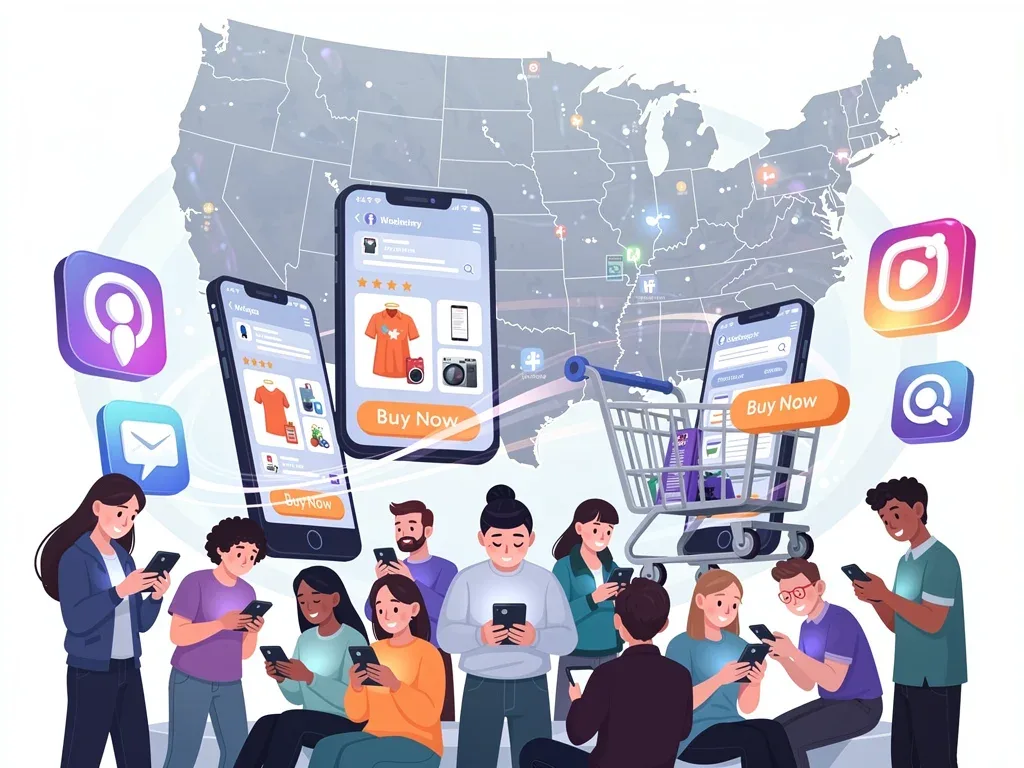
The social commerce shift is rapidly transforming the US retail landscape, with projections indicating that 45% of US consumers will engage in in-app purchasing by 2026, driven by evolving digital platforms and integrated shopping experiences.
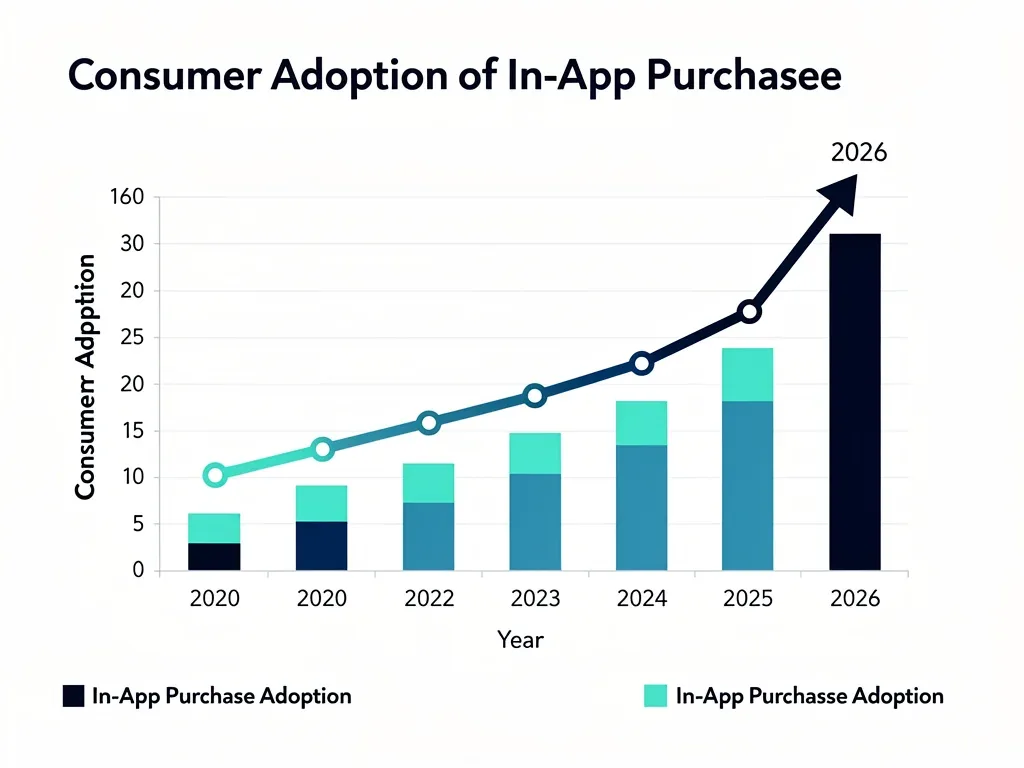
The landscape of retail is undergoing a profound transformation, with the social commerce shift emerging as a dominant force. By 2026, an estimated 45% of US consumers are projected to shift towards in-app purchasing, fundamentally altering how brands connect with their audience and how consumers shop.
The Evolution of Social Commerce: A New Retail Frontier
Social commerce represents the convergence of social media and e-commerce, allowing users to discover, browse, and purchase products directly within social platforms. This evolution moves beyond simple product promotion, creating immersive shopping experiences that leverage social interaction and community.
Initially, social media platforms served primarily as marketing channels, driving traffic to external websites. However, as technology advanced and consumer behavior shifted towards mobile-first interactions, platforms began integrating native shopping functionalities. This seamless integration has been pivotal in accelerating the social commerce shift, removing friction from the purchasing journey and making shopping an inherent part of the social experience.
From Discovery to Purchase: The Seamless Journey
- Integrated Product Catalogs: Brands can upload and manage their product inventories directly within social media platforms.
- In-App Checkout: Consumers can complete purchases without leaving the social media application, streamlining the transaction process.
- Interactive Shopping Features: Live shopping events, shoppable posts, and augmented reality (AR) try-on features enhance engagement and conversion.
- Personalized Recommendations: Algorithms leverage user data to offer tailored product suggestions, increasing relevance and purchase likelihood.
The rise of social commerce is not merely a technological upgrade; it reflects a deeper change in consumer expectations. Shoppers today seek convenience, authenticity, and personalized experiences, all of which social commerce is uniquely positioned to deliver. This shift is particularly pronounced among younger demographics, who are digital natives and accustomed to integrated online experiences.
Understanding this fundamental change is crucial for businesses aiming to thrive in the modern retail environment. The ability to engage consumers where they already spend a significant amount of their time—on social media—offers unprecedented opportunities for direct sales and brand building. The ongoing development of new features and platform capabilities will only further cement social commerce's role as a cornerstone of future retail strategies.
Driving Forces Behind the In-App Purchasing Surge
Several key factors are contributing to the rapid acceleration of in-app purchasing within social commerce platforms. These drivers range from technological advancements to evolving consumer habits and the strategic responses of businesses.
One primary driver is the sheer convenience offered by integrated shopping experiences. Consumers no longer need to navigate away from an interesting post or video to make a purchase. The entire journey, from product discovery to checkout, occurs within a single, familiar interface, reducing cognitive load and impulse barriers.
Technological Innovations and User Experience
- Advanced Payment Solutions: Secure and fast in-app payment gateways, including digital wallets and one-click purchasing, build trust and ease transactions.
- Augmented Reality (AR) Integration: AR features allow consumers to virtually 'try on' clothes, visualize furniture in their homes, or test makeup products, significantly enhancing the online shopping experience.
- AI-Powered Personalization: Sophisticated AI algorithms analyze user behavior, preferences, and social interactions to deliver highly relevant product recommendations, driving engagement and conversions.
Another significant factor is the increasing influence of content creators and influencers. These individuals have built trusted communities, and their product recommendations carry considerable weight. Social commerce platforms facilitate direct purchasing from these recommendations, turning inspiration into immediate action. This organic integration of content and commerce makes shopping feel less like a transaction and more like a natural extension of social interaction.
Furthermore, businesses are actively investing in social commerce capabilities. Recognizing the immense potential, brands are dedicating resources to developing compelling social storefronts, running targeted ad campaigns, and collaborating with influencers. This strategic focus by businesses further solidifies the infrastructure and offerings available to consumers, making in-app purchasing an increasingly attractive option.
The COVID-19 pandemic also played an undeniable role, accelerating digital adoption across all demographics. As physical retail faced unprecedented challenges, consumers turned to online channels, and many discovered the convenience and entertainment of social shopping. This behavioral shift, once established, is proving to be sticky, with many consumers continuing their in-app purchasing habits even as traditional retail reopens.
Key Platforms Leading the Social Commerce Shift
The social commerce shift is not uniformly distributed across all platforms; rather, a few key players are at the forefront, innovating and capturing the lion's share of in-app purchasing activity. These platforms have invested heavily in developing robust shopping features and fostering environments conducive to commercial transactions.
Instagram, with its highly visual nature, has become a powerhouse for product discovery and sales. Its Shoppable Posts, Instagram Shop, and Live Shopping features allow brands to showcase products directly to their audience, turning scrolls into sales. The platform's strong influencer ecosystem further amplifies its commercial appeal, as users trust recommendations from creators they follow.
Facebook, as the parent company of Instagram, also plays a crucial role with Facebook Shops. This feature allows businesses to create a single online store accessible across both Facebook and Instagram, providing a unified shopping experience. The platform's vast user base and sophisticated targeting capabilities make it an attractive channel for businesses of all sizes.
Emerging Players and Niche Platforms
- TikTok: Rapidly expanding its e-commerce capabilities with TikTok Shop, shoppable videos, and live commerce, leveraging its immense popularity, especially among younger demographics.
- Pinterest: Continues to be a strong platform for visual discovery and inspiration, with shoppable pins and product recommendations that directly link users to purchase options.
- Snapchat: Experimenting with AR shopping lenses and brand partnerships to integrate commerce more deeply into its ephemeral content format, appealing to Gen Z.
Beyond these established giants, other platforms are also carving out their niches. YouTube is increasingly integrating shopping features into its video content, allowing viewers to purchase products directly from creators' videos. Even messaging apps are exploring commerce functionalities, turning direct conversations into transactional opportunities.
The competitive landscape among these platforms is intense, driving continuous innovation in features like personalized recommendations, seamless checkout processes, and interactive content formats. For businesses, choosing the right platform (or combination of platforms) depends on their target audience, product type, and marketing objectives. However, the overarching trend is clear: social media platforms are no longer just for connection; they are becoming essential retail destinations.
The Impact on Consumer Behavior and Brand Strategies
The social commerce shift is fundamentally reshaping consumer behavior, creating a new set of expectations and purchasing habits. This, in turn, necessitates a significant recalibration of brand strategies for businesses looking to remain competitive and relevant.
Consumers are increasingly accustomed to instant gratification and personalized experiences. The ability to discover a product, read reviews, watch demonstrations, and make a purchase all within a single app caters directly to these desires. Impulse buying becomes more prevalent as the friction from discovery to purchase is minimized. Furthermore, the social aspect of commerce means that peer recommendations and influencer endorsements hold more sway than traditional advertising.
Adapting Brand Strategies for the Social Era
- Authentic Content Creation: Brands must produce engaging, high-quality content that resonates with social media audiences, moving beyond overt sales pitches.
- Influencer Collaborations: Partnering with relevant influencers to promote products authentically is crucial for building trust and driving sales.
- Seamless User Experience: Ensuring that in-app shopping experiences are smooth, intuitive, and mobile-optimized is paramount to prevent cart abandonment.
- Community Building: Fostering active communities around products and brands on social platforms can lead to increased loyalty and organic advocacy.
For brands, this shift means moving beyond simply having a social media presence to actively integrating commerce into their social strategy. This involves not only setting up shops on platforms but also rethinking content creation, customer service, and even product development based on social insights. The emphasis moves from broadcasting messages to engaging in conversations and building relationships.
Data analytics from social commerce platforms provide invaluable insights into consumer preferences, purchasing patterns, and engagement levels. Brands can leverage this data to refine their marketing efforts, optimize product offerings, and personalize customer interactions more effectively. The iterative nature of social media allows for rapid testing and adaptation of strategies, a distinct advantage in a fast-paced market.
Ultimately, brands that embrace this evolution by focusing on creating value, fostering community, and delivering seamless purchasing experiences will be best positioned to capitalize on the growing trend of in-app purchasing. Ignoring this shift risks alienating a significant portion of the consumer base that increasingly prefers to shop within their social ecosystems.
Challenges and Opportunities in the Social Commerce Landscape
While the social commerce shift presents immense opportunities, it also comes with a unique set of challenges that businesses and platforms must navigate. Understanding these hurdles is crucial for developing effective strategies and ensuring sustainable growth in the in-app purchasing ecosystem.
One significant challenge is maintaining consumer trust and data privacy. With more personal and financial information being shared within social apps, users are increasingly concerned about how their data is collected, stored, and used. Platforms and brands must prioritize robust security measures and transparent privacy policies to build and maintain confidence. A single data breach could severely damage a brand's reputation and deter future in-app purchases.

Another challenge lies in managing inventory and fulfillment. Integrating e-commerce into social platforms requires seamless backend operations, from real-time inventory updates to efficient shipping and returns. Businesses, especially smaller ones, may struggle with the logistics of scaling their operations to meet the demands of a rapidly expanding social commerce channel.
Navigating the Complexities
- Trust and Security: Implementing advanced encryption, transparent data practices, and clear communication about privacy.
- Logistics and Fulfillment: Streamlining supply chains, partnering with reliable logistics providers, and offering flexible shipping options.
- Content Moderation: Ensuring product authenticity and preventing fraudulent activities to protect both consumers and brands.
- Measurement and Attribution: Developing robust analytics to accurately track sales, ROI, and customer journeys within social platforms.
Despite these challenges, the opportunities are substantial. The direct access to consumer insights offered by social platforms allows for hyper-personalization, leading to higher conversion rates and stronger customer relationships. Brands can engage with customers in real-time, addressing concerns and building loyalty through direct interaction.
Furthermore, social commerce democratizes entrepreneurship. Individuals and small businesses can leverage existing social audiences and platform tools to launch and grow their ventures with lower overheads compared to traditional e-commerce setups. This fosters innovation and brings a wider variety of products to market, benefiting consumers.
The continuous innovation from social platforms, such as new AR features, live shopping capabilities, and AI-driven personalization, creates ongoing opportunities for brands to experiment and find novel ways to connect with their audience. By proactively addressing challenges and embracing these innovations, businesses can effectively capitalize on the expanding social commerce landscape.
Preparing for the Future: Strategies for Brands and Businesses
As the social commerce shift accelerates towards 2026 and beyond, brands and businesses must proactively adapt their strategies to thrive in this evolving retail environment. This preparation involves a multi-faceted approach, encompassing technology, marketing, and organizational changes.
One critical strategy is to fully embrace a mobile-first mindset. Since the vast majority of social commerce transactions occur on smartphones, optimizing content, website design, and checkout flows for mobile devices is non-negotiable. This includes fast loading times, intuitive navigation, and responsive design that provides a consistent experience across various screen sizes.
Essential Future-Proofing Tactics
- Invest in Data Analytics: Utilize social commerce data to understand consumer behavior, measure campaign effectiveness, and inform future strategies.
- Experiment with New Formats: Actively test and integrate emerging features like live shopping, AR try-ons, and interactive polls into your social commerce efforts.
- Build a Strong Community: Engage with followers, respond to comments, and create user-generated content opportunities to foster brand loyalty and advocacy.
- Diversify Platform Presence: While focusing on key platforms, explore niche social commerce channels relevant to your target audience to broaden reach.
Another crucial element is the integration of customer service directly into social channels. Consumers expect quick and efficient support where they are already engaging with the brand. Implementing chatbots for common queries and ensuring human support is readily available can significantly enhance the post-purchase experience and build trust.
Furthermore, brands should consider the ethical implications of social commerce. This includes transparent advertising, fair labor practices, and sustainable sourcing. Consumers, especially younger generations, are increasingly conscious of a brand's values, and aligning with these expectations can be a powerful differentiator.
Training internal teams on social commerce best practices is also vital. Sales, marketing, and customer service teams need to understand the nuances of engaging with customers on social platforms and how to leverage the integrated shopping tools effectively. This continuous learning and adaptation will ensure that strategies remain agile and responsive to market changes.
Ultimately, success in the future of social commerce will hinge on a brand's ability to be authentic, agile, and customer-centric. By focusing on building genuine connections, providing seamless experiences, and continuously innovating, businesses can not only survive but truly flourish in this dynamic new retail landscape, capturing the significant growth promised by the social commerce shift.
| Key Aspect | Brief Description |
|---|---|
| Consumer Adoption | 45% of US consumers projected to use in-app purchasing by 2026. |
| Driving Forces | Convenience, influencer trust, technological innovation, and mobile-first habits. |
| Platform Leaders | Instagram, Facebook, TikTok, and Pinterest are key players in the market. |
| Brand Strategy | Focus on authentic content, seamless UX, and data-driven personalization. |
Frequently Asked Questions About Social Commerce
What is social commerce and why is it growing so rapidly?▼Social commerce integrates e-commerce directly into social media platforms, allowing users to shop without leaving the app. Its rapid growth is fueled by consumer demand for convenience, personalized experiences, and the influence of social content and creators, making shopping a seamless part of daily digital life.
Which social media platforms are most impactful for in-app purchasing?▼Instagram, Facebook, and TikTok are currently leading the charge in social commerce. Instagram leverages visual content and influencer marketing, Facebook offers comprehensive shop features, and TikTok capitalizes on short-form video and live commerce to drive significant in-app purchases.
How does social commerce benefit businesses compared to traditional e-commerce?▼Social commerce offers businesses direct access to engaged audiences, reduced friction in the purchase journey, and powerful personalization tools. It fosters community building, allows for real-time customer interaction, and provides rich data insights, often leading to higher conversion rates and brand loyalty.
What are the main challenges for brands adopting social commerce?▼Key challenges include ensuring data privacy and security, managing complex logistics for inventory and fulfillment, maintaining brand authenticity amidst commercialization, and accurately measuring ROI. Brands must also adapt to rapidly evolving platform features and consumer expectations.
What should brands prioritize to succeed in the social commerce shift by 2026?▼To succeed, brands should prioritize a mobile-first strategy, invest in engaging content and influencer partnerships, ensure seamless in-app checkout experiences, and integrate robust customer service. Building authentic communities and leveraging data analytics for personalization are also crucial for future growth.
Embracing the Future of Retail
The social commerce shift, characterized by the dramatic rise in in-app purchasing, is undeniably reshaping the retail landscape. With 45% of US consumers projected to adopt this shopping method by 2026, the implications for brands and businesses are profound. This evolution signifies more than just a new sales channel; it represents a fundamental change in how consumers discover, interact with, and purchase products. Success in this new era hinges on adaptability, a deep understanding of consumer behavior, and a commitment to creating seamless, engaging, and trustworthy shopping experiences directly within social ecosystems. Brands that embrace this transformation will not only meet evolving customer expectations but also unlock significant growth opportunities in the years to come.
