Synthetic Biology in Manufacturing: 30% Petrochemical Replacement
Advertisements
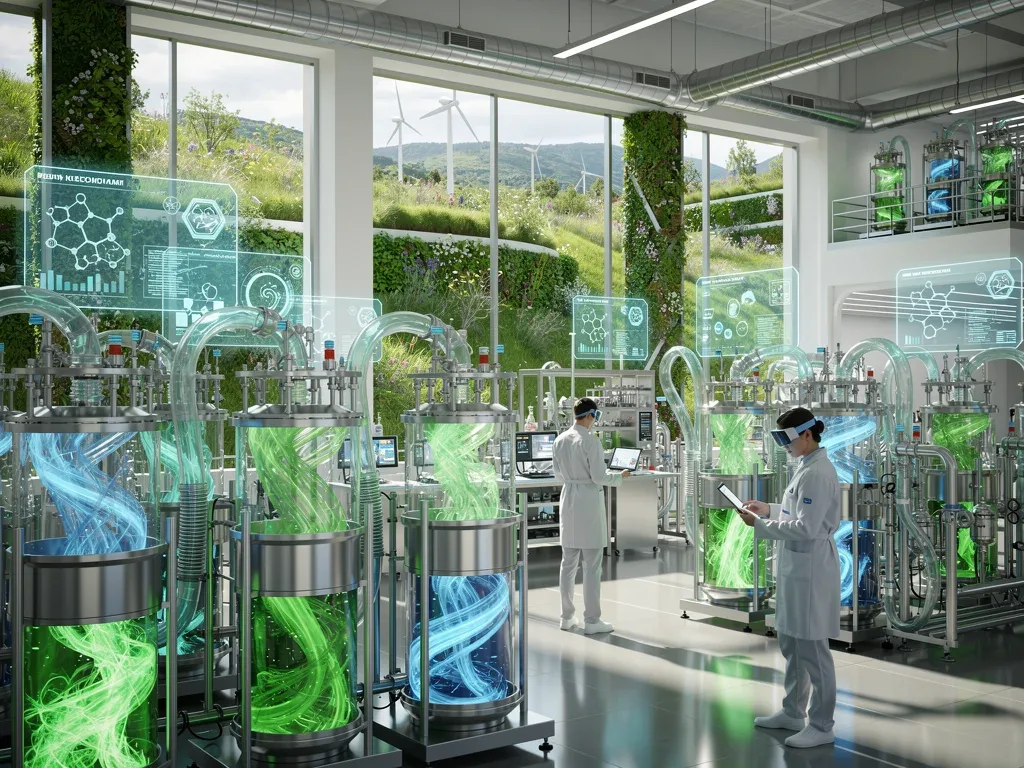
Synthetic biology is poised to transform manufacturing, targeting a 30% replacement of petrochemicals with bio-engineered polymers by year-end, ushering in a new era of sustainable production.
The manufacturing landscape is on the cusp of a profound transformation, driven by breakthroughs in synthetic biology in manufacturing. Imagine a future where the materials that build our world are no longer derived solely from fossil fuels, but from living organisms. This isn't science fiction; it's the ambitious goal of replacing 30% of petrochemicals with bio-engineered polymers by year-end, a move that promises to redefine sustainability and industrial efficiency.
The Dawn of Bio-Engineered Polymers
Bio-engineered polymers represent a revolutionary class of materials synthesized by biological systems, offering a sustainable alternative to traditional petrochemical-derived plastics. These innovative materials are not just eco-friendly; they often possess unique properties that can outperform their conventional counterparts in various applications.
The shift towards bio-engineered polymers is driven by a confluence of environmental concerns, regulatory pressures, and advancements in biotechnology. As industries grapple with the imperative to reduce carbon footprints and plastic waste, synthetic biology provides a powerful toolkit to engineer microorganisms capable of producing complex molecules on an industrial scale.
Understanding Synthetic Biology's Role
Synthetic biology is an interdisciplinary field that combines principles of biology and engineering to design and construct new biological parts, devices, and systems, or to redesign existing natural biological systems. In the context of polymer production, this means engineering microbes like bacteria or yeast to act as miniature factories.
- Genetic Engineering: Modifying an organism's genetic material to enhance or introduce new metabolic pathways for polymer synthesis.
- Metabolic Pathway Optimization: Fine-tuning the biochemical reactions within cells to maximize the yield and purity of desired polymers.
- Bioreactor Design: Developing specialized equipment that provides optimal conditions for microbial growth and polymer production at scale.
These engineered organisms can convert renewable feedstocks, such as agricultural waste or CO2, into monomers that are then polymerized to create high-performance materials. This approach not only reduces reliance on finite fossil resources but also mitigates the environmental impact associated with petrochemical extraction and processing.
The potential applications of these bio-polymers are vast, ranging from packaging and textiles to automotive components and medical devices. Their biodegradability and biocompatibility offer significant advantages, addressing critical issues like plastic pollution and the need for sustainable healthcare solutions. This foundational shift is not merely about substitution but about creating a more resilient and environmentally responsible industrial ecosystem.
Economic Drivers and Market Opportunity
The economic impetus behind embracing bio-engineered polymers is substantial. Beyond environmental mandates, there's a compelling business case rooted in cost reduction, supply chain stability, and meeting increasing consumer demand for sustainable products. Companies that successfully integrate synthetic biology into their manufacturing processes stand to gain a significant competitive edge.
Volatility in oil prices has historically impacted the cost and availability of petrochemicals, creating an unstable foundation for many industries. Bio-based feedstocks, often derived from agricultural waste or sustainably grown biomass, offer a more predictable and potentially lower-cost alternative, reducing exposure to geopolitical and market fluctuations.
Investment in Bio-Manufacturing Infrastructure
Significant capital is being channeled into developing the infrastructure necessary for large-scale bio-manufacturing. This includes building advanced biorefineries and fermentation facilities capable of handling the complex processes involved in producing bio-polymers efficiently. Governments and private entities are recognizing the strategic importance of this transition.
- Research and Development Funding: Increased investment in R&D to discover new bio-polymer types and optimize production methods.
- Pilot Plant Development: Establishing intermediate-scale facilities to bridge the gap between lab-scale innovation and full commercial production.
- Commercial Scale-Up: Constructing large industrial plants to meet the growing demand for bio-engineered materials.
Furthermore, consumer preferences are rapidly shifting towards eco-friendly products. Brands that can demonstrate a genuine commitment to sustainability through their material choices are better positioned to capture market share and build customer loyalty. This demand-side pull is a powerful accelerator for the adoption of bio-engineered polymers.
The market for bio-based materials is projected to grow exponentially, creating new revenue streams and job opportunities across various sectors. This economic transformation is not just about replacing old materials but about fostering an entirely new industry built on principles of innovation, efficiency, and environmental stewardship.
Challenges and Solutions in Scaling Production
While the promise of synthetic biology in manufacturing is immense, scaling production from laboratory benches to industrial quantities presents a unique set of challenges. Overcoming these hurdles is crucial to achieving the ambitious goal of replacing 30% of petrochemicals with bio-engineered polymers by year-end.
One primary challenge lies in the efficiency and yield of microbial factories. While engineered organisms can produce target polymers, achieving economically viable yields at scale requires continuous optimization of their metabolic pathways and growth conditions. This often involves intricate genetic modifications and sophisticated process engineering.
Optimizing Bioreactor Performance
The design and operation of bioreactors are critical for successful scale-up. Factors such as nutrient supply, temperature control, pH levels, and oxygen transfer must be precisely managed to ensure optimal microbial activity and polymer production. Inefficiencies at this stage can significantly impact overall costs and production timelines.
- Advanced Sensor Technology: Implementing real-time monitoring systems to track critical parameters within bioreactors.
- AI and Machine Learning: Utilizing algorithms to predict optimal conditions and adjust processes dynamically for maximum yield.
- Modular Bioreactor Systems: Developing flexible, scalable bioreactor designs that can be easily adapted to different production volumes.
Another significant challenge is the cost of feedstocks. While renewable, the processing and conversion of biomass into suitable substrates for microbial fermentation can be expensive. Innovations in feedstock pretreatment and the development of organisms that can utilize cheaper, more abundant raw materials are vital.
Addressing these challenges requires a concerted effort from scientists, engineers, and industry leaders. Collaboration across sectors, coupled with sustained investment in research and infrastructure, will be key to unlocking the full potential of bio-engineered polymers and ensuring their widespread adoption in manufacturing.
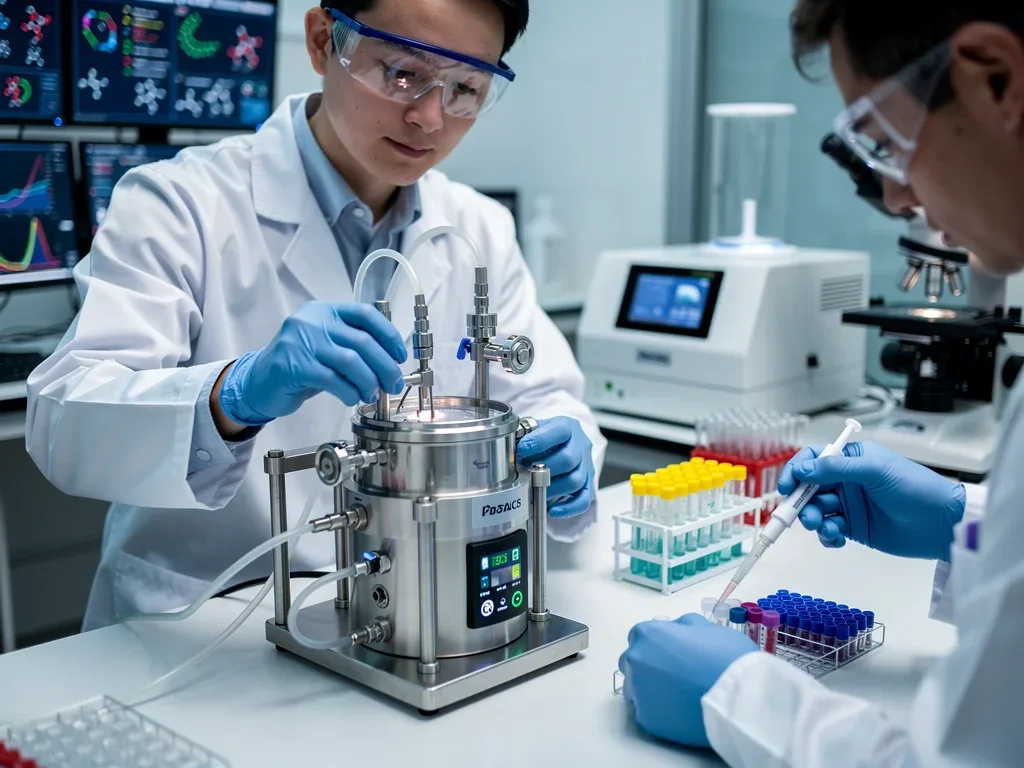
Innovations in Bio-Engineered Polymer Development
The field of bio-engineered polymers is characterized by continuous innovation, with researchers constantly discovering new materials and improving production methods. These advancements are not only making bio-polymers more competitive but are also expanding their potential applications across diverse industries.
Recent breakthroughs include the development of bio-polymers with enhanced mechanical properties, such as increased strength, flexibility, and heat resistance, making them suitable for demanding industrial uses. Scientists are also engineering polymers with self-healing capabilities or those that can degrade harmlessly in specific environments.
Designing for Specific Applications
A key area of innovation involves tailoring bio-polymers for specific end-use applications. This bespoke approach allows manufacturers to select materials that perfectly match their product requirements, offering superior performance while maintaining environmental integrity. For instance, bio-polymers are being designed for applications requiring high transparency or specific barrier properties.
- Biodegradable Packaging: Developing materials that break down completely in natural environments, reducing landfill waste.
- Biomedical Implants: Creating biocompatible polymers for use in medical devices and tissue engineering, minimizing adverse reactions.
- Sustainable Textiles: Engineering fibers from renewable sources that offer durability, comfort, and a reduced environmental footprint.
Furthermore, the integration of computational biology and artificial intelligence is accelerating the discovery and design process. AI models can predict the properties of novel bio-polymers and optimize genetic pathways for their production, significantly shortening the development cycle. This computational power is a game-changer, allowing for rapid iteration and innovation.
These ongoing innovations are crucial for driving the market adoption of bio-engineered polymers. As more versatile and high-performance bio-materials become available, industries will find it increasingly compelling to transition away from petrochemicals, solidifying the role of synthetic biology as a cornerstone of modern manufacturing.
The Environmental and Social Impact
The transition to bio-engineered polymers, spearheaded by synthetic biology, carries profound environmental and social implications. Moving away from petrochemical dependence is not merely an industrial shift; it represents a significant step towards a more sustainable and equitable future for the planet.
Environmentally, the most immediate benefit is the reduction in greenhouse gas emissions. The production of petrochemicals is energy-intensive and contributes significantly to carbon emissions. Bio-polymers, derived from renewable resources and often produced through less energy-intensive fermentation processes, offer a much lower carbon footprint.
Reducing Plastic Pollution and Waste
Plastic pollution is a global crisis, with petrochemical-derived plastics accumulating in oceans and landfills for centuries. Many bio-engineered polymers are designed to be biodegradable or compostable, offering a viable solution to this pervasive problem. This characteristic is vital for industries like packaging and agriculture.
- Circular Economy Principles: Promoting the reuse, recycling, and composting of materials to minimize waste and maximize resource utilization.
- Reduced Toxicity: Bio-polymers often contain fewer harmful additives compared to conventional plastics, leading to safer products and less environmental contamination.
- Resource Conservation: Less reliance on finite fossil fuels, preserving natural resources for future generations.
Socially, this shift can lead to the creation of new green jobs in research, development, and manufacturing of bio-materials. It also empowers agricultural communities by increasing demand for sustainable feedstocks, fostering economic growth in rural areas. Moreover, healthier products with reduced chemical exposure benefit consumers.
The widespread adoption of bio-engineered polymers can also enhance corporate social responsibility profiles, allowing companies to align their operations with global sustainability goals. This positive impact extends beyond immediate environmental gains, contributing to a more resilient and responsible global economy.
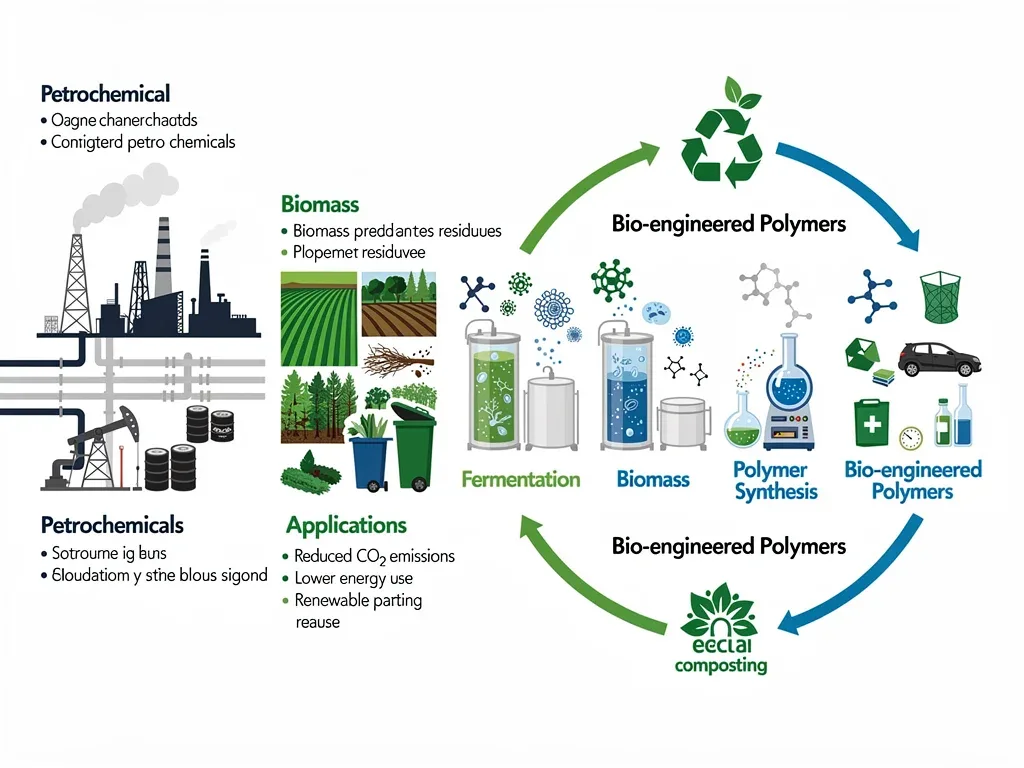
Roadmap to 30% Petrochemical Replacement by Year-End
Achieving the ambitious target of replacing 30% of petrochemicals with bio-engineered polymers by year-end requires a strategic and coordinated roadmap. This involves a combination of technological advancements, policy support, and strong industry collaboration.
Key to this roadmap is accelerating the commercialization of existing bio-polymer technologies and rapidly scaling up production capacities. This means moving beyond pilot projects and investing in full-scale manufacturing facilities that can meet industrial demand. Streamlining regulatory approval processes for new bio-materials will also be critical.
Strategic Partnerships and Policy Support
Collaboration between biotechnology companies, chemical manufacturers, and end-use industries is essential. These partnerships can facilitate knowledge transfer, share investment risks, and accelerate market penetration. Governments also play a crucial role in creating a supportive ecosystem.
- Incentives for Adoption: Offering tax breaks, grants, or subsidies to companies that invest in bio-based manufacturing.
- Standardization and Certification: Developing clear standards for bio-degradability and bio-content to build consumer trust and facilitate market acceptance.
- Public-Private Research Initiatives: Funding collaborative research programs to address remaining technical barriers and accelerate innovation.
Furthermore, consumer education campaigns are vital to increase awareness and acceptance of bio-engineered products. Highlighting the environmental benefits and performance advantages of these materials can drive demand and encourage industries to make the switch. Transparency in labeling will also be important.
The journey to 30% replacement is not without its complexities, but the convergence of scientific innovation, economic incentives, and environmental urgency provides a powerful momentum. With concerted effort, this transformative goal is within reach, paving the way for a manufacturing future built on biological innovation rather than fossil fuels.
| Key Aspect | Description |
|---|---|
| Synthetic Biology Goal | Targeting 30% replacement of petrochemicals with bio-engineered polymers by year-end. |
| Bio-Engineered Polymers | Sustainable materials produced by engineered biological systems, replacing fossil-based plastics. |
| Economic Benefits | Reduced reliance on volatile oil prices, new market opportunities, and consumer demand for eco-products. |
| Environmental Impact | Significant reduction in carbon footprint, plastic pollution, and promotion of circular economy. |
Frequently Asked Questions About Bio-Engineered Polymers
What are bio-engineered polymers?▼Bio-engineered polymers are advanced materials produced by genetically modified microorganisms or biological systems. They serve as sustainable alternatives to traditional plastics, offering properties like biodegradability and reduced environmental impact, derived from renewable resources rather than fossil fuels.
How does synthetic biology contribute to manufacturing?▼Synthetic biology enables the precise engineering of biological systems to produce complex molecules, including polymers, on an industrial scale. This involves designing metabolic pathways in microbes to convert feedstocks into desired materials, revolutionizing the production of sustainable goods.
What are the main benefits of replacing petrochemicals with bio-polymers?▼The primary benefits include a significant reduction in greenhouse gas emissions, decreased reliance on finite fossil fuels, mitigation of plastic pollution through biodegradability, and the creation of more sustainable supply chains. It also aligns with growing consumer demand for eco-friendly products.
What challenges exist in scaling up bio-polymer production?▼Key challenges involve optimizing microbial yield and efficiency, managing feedstock costs, and designing efficient large-scale bioreactors. Overcoming these requires significant R&D, advanced process engineering, and strategic investments in bio-manufacturing infrastructure to ensure economic viability.
How can industries facilitate the adoption of bio-engineered polymers?▼Industries can facilitate adoption through strategic partnerships, investing in bio-manufacturing facilities, collaborating on R&D, and supporting policy initiatives that incentivize sustainable material use. Educating consumers about the benefits of bio-products is also crucial for driving market demand and acceptance.
Conclusion
The ambitious goal of replacing 30% of petrochemicals with bio-engineered polymers by year-end underscores a pivotal moment in industrial history. Synthetic biology is not merely offering an alternative; it is charting a course towards a future where manufacturing is inherently sustainable, resilient, and environmentally responsible. This transformation demands continued innovation, strategic investment, and collaborative efforts across all sectors, promising not only a reduced carbon footprint but also a new era of economic opportunity and ecological stewardship. The journey ahead is complex, yet the potential rewards for our planet and economy are immeasurable.
