USDA Deploys $1.2 Billion Emergency Supply Chain Resilience Fund
Advertisements
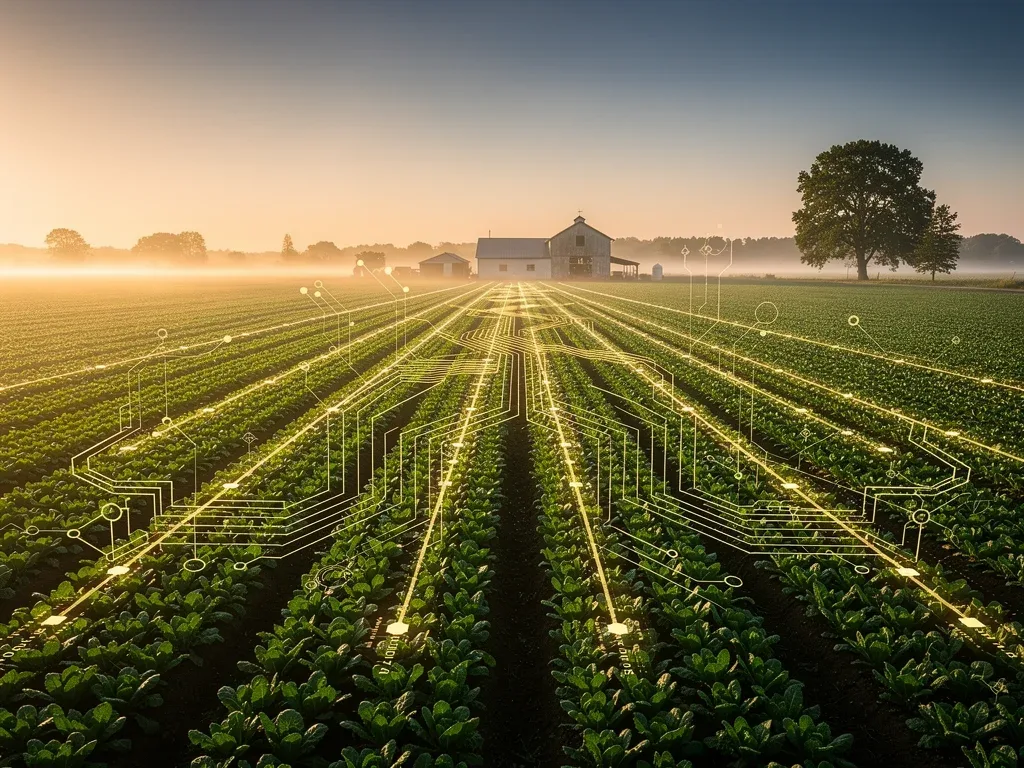
The USDA has allocated a $1.2 billion Emergency Supply Chain Resilience Fund to reinforce domestic food production and enhance the stability and robustness of agricultural supply chains across the United States.
The agricultural sector in the United States has faced unprecedented challenges in recent years, from extreme weather events to global pandemics, exposing vulnerabilities within its intricate supply chains. Recognizing the critical need for a more robust and responsive food system, the U.S. Department of Agriculture (USDA) has announced a significant initiative: the deployment of a $1.2 billion Emergency Supply Chain Resilience Fund for Domestic Producers. This substantial investment aims to fortify the nation's agricultural infrastructure, ensuring greater food security and stability for American consumers.
Understanding the USDA's Strategic Investment
The USDA's $1.2 billion Emergency Supply Chain Resilience Fund represents a pivotal moment for American agriculture. This isn't merely a bailout; it's a strategic investment designed to proactively address systemic weaknesses that have become glaringly apparent. The fund targets key areas of the food supply chain, from production and processing to distribution and storage, with the overarching goal of making the entire system more resilient to future shocks.
The initiative underscores a broader commitment by the USDA to foster a more diversified and localized food system. By empowering domestic producers, the fund seeks to reduce reliance on fragile global supply lines and create more stable, predictable access to food for communities across the nation. This approach not only enhances food security but also supports rural economies and creates new opportunities for farmers and agricultural businesses.
Addressing Supply Chain Vulnerabilities
Recent disruptions have highlighted various weak points in the agricultural supply chain. These include bottlenecks in processing facilities, labor shortages, transportation challenges, and inadequate storage infrastructure. The USDA's fund is specifically designed to tackle these issues head-on, providing much-needed capital to implement innovative solutions.
- Processing Capacity Expansion: Funding will support the construction or modernization of meat and poultry processing plants, reducing bottlenecks and increasing local capacity.
- Improved Storage Solutions: Investments in cold storage and warehousing facilities will help prevent spoilage and ensure a more stable supply of perishable goods.
- Enhanced Transportation Networks: Support for improved logistics and transportation infrastructure will streamline the movement of goods from farm to market.
- Workforce Development: Programs will be funded to train and retain skilled workers in critical areas of the food supply chain.
By focusing on these critical areas, the USDA aims to create a more integrated and efficient supply chain that can withstand unforeseen challenges. This comprehensive strategy is about building long-term resilience, not just addressing immediate crises.
Impact on Domestic Producers and Rural Economies
The deployment of the $1.2 billion fund is expected to have a profound impact on domestic producers and the rural economies they sustain. Farmers, ranchers, and agricultural businesses will gain access to resources that enable them to innovate, expand, and adopt more resilient practices. This financial injection will not only help them navigate current economic pressures but also position them for future growth and stability.
One of the primary benefits is the potential for increased market access for smaller and mid-sized producers. By investing in local and regional food systems, the fund can help these producers bypass larger, more centralized supply chains, giving them more direct routes to consumers and more control over their products. This decentralization can lead to fairer prices for producers and fresher products for consumers.
Fostering Innovation and Sustainability
Beyond direct financial aid, the fund encourages innovation in sustainable agricultural practices. Producers can leverage these resources to invest in technologies and methods that reduce environmental impact, improve resource efficiency, and enhance the long-term viability of their operations. This includes everything from precision agriculture tools to renewable energy solutions for farms and processing facilities.
- Technology Adoption: Grants and loans can facilitate the purchase of advanced machinery and software that optimize production and reduce waste.
- Sustainable Practices: Support for organic farming, regenerative agriculture, and water conservation efforts will be prioritized.
- Local Food Infrastructure: Funding will strengthen farmers' markets, food hubs, and direct-to-consumer models, creating more sustainable local food economies.
The emphasis on sustainability aligns with broader national goals to combat climate change and protect natural resources, ensuring that the resilience built into the supply chain is not just economic but also ecological. This forward-thinking approach is vital for the future of American agriculture.
Strengthening Food Security for All Americans
At its core, the Emergency Supply Chain Resilience Fund is about strengthening food security for every American. A resilient supply chain means fewer disruptions, more consistent availability of food, and potentially more stable prices for consumers. When supply chains falter, as seen during the early stages of the pandemic, access to essential goods can become precarious, especially for vulnerable populations.
This initiative helps to mitigate such risks by building a system that is less prone to breakdown. By ensuring that domestic producers can continue to operate efficiently and effectively, the USDA is directly contributing to a more stable and reliable food supply. This is crucial for national security and public well-being.
Reducing Vulnerability to Global Shocks
Global events, whether geopolitical conflicts, trade disputes, or natural disasters in other parts of the world, can have ripple effects on the U.S. food supply. By bolstering domestic production and processing capabilities, the fund reduces the nation's vulnerability to these external shocks. A stronger domestic foundation means the country is better equipped to feed its population, regardless of international circumstances.
The fund also supports efforts to diversify food sources within the U.S., ensuring that if one region or type of crop is affected by an issue, other regions or crops can help fill the gap. This diversification is a key component of building true resilience and minimizing the impact of localized disruptions on the broader food system.
Key Components and Allocation Strategies
The $1.2 billion fund is not a single, monolithic program but rather a collection of targeted initiatives designed to address specific needs within the supply chain. The USDA has outlined several key components and allocation strategies to ensure the funds are used effectively and achieve maximum impact.
These strategies involve a combination of grants, loans, and technical assistance programs. The goal is to provide flexible funding options that can be tailored to the unique circumstances of different producers and regions. Emphasis is placed on projects that demonstrate a clear potential for enhancing resilience, increasing capacity, and supporting underserved communities.
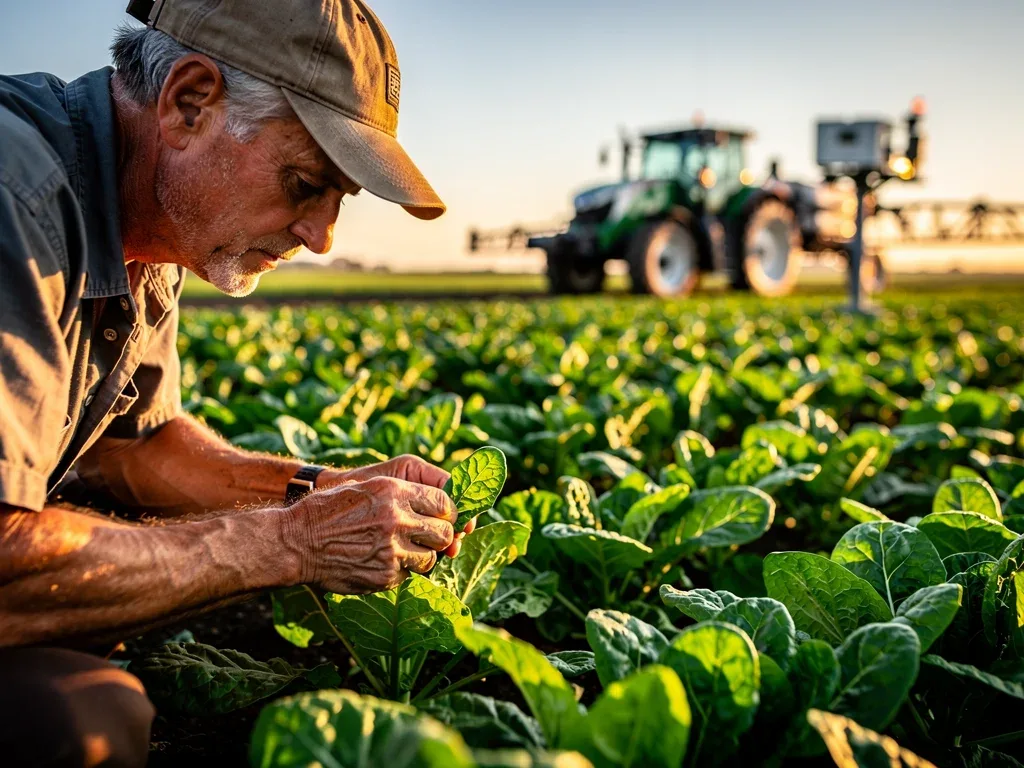
Targeted Funding Areas
The USDA has identified several critical areas for investment:
- Meat and Poultry Processing: A significant portion of the fund is dedicated to expanding and modernizing meat and poultry processing facilities, which have been a major bottleneck in the supply chain.
- Food Storage and Distribution: Investments will improve infrastructure for storing, transporting, and distributing food, especially perishable goods.
- Specialty Crop Support: Funds will assist producers of fruits, vegetables, and other specialty crops in enhancing their supply chain resilience.
- Dairy and Other Livestock: Support will also extend to dairy farmers and other livestock producers to strengthen their market access and processing capabilities.
The USDA encourages proposals that demonstrate a clear plan for sustainability, job creation, and economic benefit to local communities. The allocation process is designed to be transparent and equitable, ensuring that funds reach those who can make the most significant difference.
Challenges and Opportunities Ahead
While the $1.2 billion Emergency Supply Chain Resilience Fund offers immense potential, its implementation will not be without challenges. Ensuring that the funds are distributed efficiently, reach the intended recipients, and result in tangible improvements will require careful oversight and collaboration among various stakeholders. Bureaucratic hurdles, the complexity of agricultural supply chains, and the diverse needs of producers across different regions are all factors that need to be managed effectively.
However, these challenges are outweighed by the significant opportunities the fund presents. It's a chance to fundamentally transform the U.S. food system, making it more robust, equitable, and sustainable for generations to come. The emphasis on domestic production also creates opportunities for job growth and economic revitalization in rural areas.
Collaboration and Long-Term Vision
Success will depend heavily on effective collaboration between the USDA, state and local governments, agricultural organizations, and individual producers. A long-term vision that extends beyond immediate crisis response is essential to building truly lasting resilience. This includes ongoing research, policy adjustments, and continuous investment in agricultural innovation.
- Public-Private Partnerships: Encouraging collaboration between government and private industry can amplify the impact of the fund.
- Data-Driven Decisions: Utilizing data and analytics to identify critical vulnerabilities and measure the effectiveness of interventions.
- Adaptable Frameworks: Creating flexible funding frameworks that can adapt to evolving challenges and opportunities in the agricultural sector.
The USDA's initiative is a testament to the understanding that a strong nation requires a strong and secure food supply. This investment is not just about today's needs but about building a foundation for future food security.
The Broader Implications for Food Policy
The deployment of the $1.2 billion Emergency Supply Chain Resilience Fund extends beyond immediate financial assistance; it signals a significant shift in national food policy. This initiative underscores a proactive approach to food system management, moving away from reactive measures to a more strategic, long-term vision. It highlights the government's recognition of food supply chains as critical national infrastructure, deserving of substantial investment and continuous oversight.
This policy shift could lead to a more integrated approach to agriculture, where environmental sustainability, economic viability for farmers, and consumer access to healthy food are all considered interconnected priorities. It sets a precedent for future federal involvement in strengthening the agricultural sector against a wide array of threats, from climate change to global economic instability. The fund also encourages a re-evaluation of existing regulations and policies to ensure they support, rather than hinder, the development of resilient supply chains.
Potential for Systemic Change
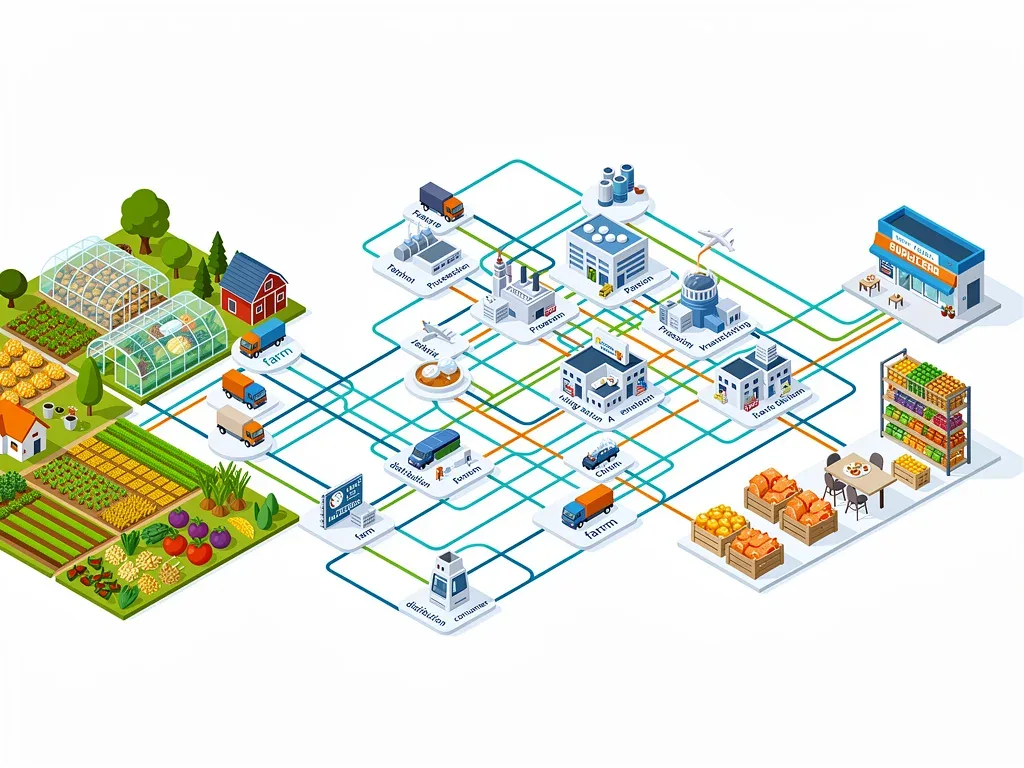
The potential for systemic change is vast. By focusing on domestic capacity, the fund could encourage a re-shoring of certain agricultural processing and production capabilities, reducing dependence on international markets for critical food items. This could lead to a more diversified agricultural landscape, with a greater emphasis on regional food systems that are inherently more resilient due to their shorter supply lines and reduced complexity.
- Decentralized Processing: Encouraging smaller, regional processing facilities can reduce the impact of disruptions at large, centralized plants.
- Enhanced Local Sourcing: Promoting direct relationships between local producers and consumers, and institutions like schools and hospitals.
- Investment in Infrastructure: Modernizing rural infrastructure to support efficient local food distribution.
Ultimately, this initiative could pave the way for a more self-sufficient and adaptable food system in the United States, one that is better equipped to meet the demands of a growing population while navigating an increasingly complex global environment. The policy implications are far-reaching, potentially shaping agricultural practices and food access for decades to come.
| Key Point | Brief Description |
|---|---|
| Fund Allocation | USDA deploys $1.2 billion to strengthen domestic agricultural supply chains. |
| Key Objectives | Enhance resilience, boost domestic production, and improve food security. |
| Targeted Areas | Processing, storage, distribution, and workforce development in agriculture. |
| Impact | Supports rural economies, fosters innovation, and reduces global supply chain vulnerability. |
Frequently Asked Questions About the USDA Supply Chain Fund
What is the primary goal of the USDA's $1.2 billion fund?▼The primary goal is to bolster the resilience of the U.S. agricultural supply chain, enhance domestic food production capabilities, and ensure greater food security for American consumers by addressing vulnerabilities and supporting producers.
Which areas of the food supply chain will receive funding?▼Funding is specifically targeted at improving meat and poultry processing capacity, enhancing food storage and distribution infrastructure, supporting specialty crop producers, and investing in workforce development across the agricultural sector.
How will this fund benefit domestic producers?▼Domestic producers will benefit from improved market access, opportunities for innovation and expansion, and resources to adopt more resilient and sustainable farming practices, ultimately leading to greater stability and profitability for their operations.
How does this initiative address food security in the U.S.?▼By strengthening domestic production and reducing reliance on fragile global supply chains, the fund aims to ensure a more consistent and reliable food supply, mitigating the impact of future disruptions and making essential foods more accessible to all Americans.
What are the long-term implications of this USDA investment?▼The fund represents a significant shift towards a more proactive food policy, fostering a more self-sufficient, diversified, and sustainable U.S. food system that is better equipped to handle future challenges and support rural economies for generations.
Conclusion
The USDA's deployment of the $1.2 billion Emergency Supply Chain Resilience Fund for Domestic Producers marks a critical turning point for American agriculture. This substantial investment is a proactive measure to mend the vulnerabilities exposed in recent years, aiming to construct a food system that is not only robust and efficient but also inherently resilient to future shocks. By channeling resources into key areas such as processing, storage, distribution, and workforce development, the USDA is laying the groundwork for a more stable and secure food supply. This initiative promises to empower domestic producers, foster innovation, revitalize rural economies, and ultimately ensure that every American has consistent access to safe, nutritious food. The long-term success of this fund will hinge on strategic implementation and continued collaboration, but its potential to reshape the landscape of U.S. agriculture for the better is undeniable.
