Biological Age Testing: 15 Million Americans Track Cellular Metrics
Advertisements

Biological age testing is now mainstream, with 15 million Americans actively tracking cellular metrics to gain deeper insights into their health and make informed lifestyle choices for optimized well-being.
Have you ever wondered if your body is aging faster or slower than your chronological age? This intriguing question is driving a massive shift in personal health, as biological age testing goes mainstream, with an estimated 15 million Americans now tracking their cellular metrics. This burgeoning trend signifies a profound evolution in how we understand and approach our own health and longevity.
Understanding Biological Versus Chronological Age
It’s common to confuse biological age with chronological age, but they are distinctly different. While chronological age is simply the number of years you’ve been alive, biological age reflects the true physiological state of your body’s cells and tissues. This distinction is crucial because two people of the same chronological age can have vastly different biological ages, indicating varying levels of health and disease risk.
The concept of biological age is rooted in the idea that our bodies accumulate damage and wear over time, but the rate of this accumulation isn't uniform. Genetics, lifestyle, environment, and even stress levels all play significant roles in how quickly our cells age. Understanding your biological age provides a more accurate snapshot of your overall health and future health trajectory than chronological age alone.
The Science Behind the Numbers
- Epigenetic Clocks: These are the most common and advanced methods, analyzing chemical modifications to DNA that change with age.
- Telomere Length: Telomeres are protective caps on our chromosomes that shorten with each cell division; shorter telomeres often indicate older biological age.
- Biomarker Panels: Blood tests that measure a range of indicators like inflammation, glucose metabolism, and organ function to assess overall health.
The science is continually evolving, with new markers and methodologies being discovered. This rapid advancement is making biological age testing more accessible and accurate, empowering individuals to take proactive steps towards better health. It’s not just about knowing a number; it’s about understanding the underlying processes.
The Rise of Personalized Wellness and Longevity
The surge in popularity of biological age testing is inextricably linked to the broader trends of personalized wellness and longevity. People are no longer content with generic health advice; they want data-driven, individualized insights that can help them optimize their health span – the period of life spent in good health. This desire for precise information fuels the demand for advanced metrics like biological age.
Longevity research has moved beyond simply extending lifespan to focusing on extending health span, ensuring that those extra years are lived with vitality and without chronic disease. Biological age testing provides a tangible metric for individuals to track their progress in this pursuit. It acts as a powerful motivator, offering quantifiable evidence of the impact of lifestyle interventions.
Driving Factors for Adoption
- Increased Awareness: Growing public knowledge about aging processes and preventative health measures.
- Technological Advancements: More accurate, affordable, and accessible testing methods.
- Desire for Control: Individuals seeking to take a more active role in managing their health and future.
This movement is transforming healthcare from a reactive, disease-focused model to a proactive, prevention-oriented one. With personalized data, individuals can work with their healthcare providers to tailor interventions, from dietary changes and exercise regimens to targeted supplements and stress management techniques, all aimed at optimizing their biological age and, by extension, their overall health. The shift is monumental, reflecting a cultural pivot towards self-empowerment in health.
How Biological Age Testing Works: Methods and Metrics
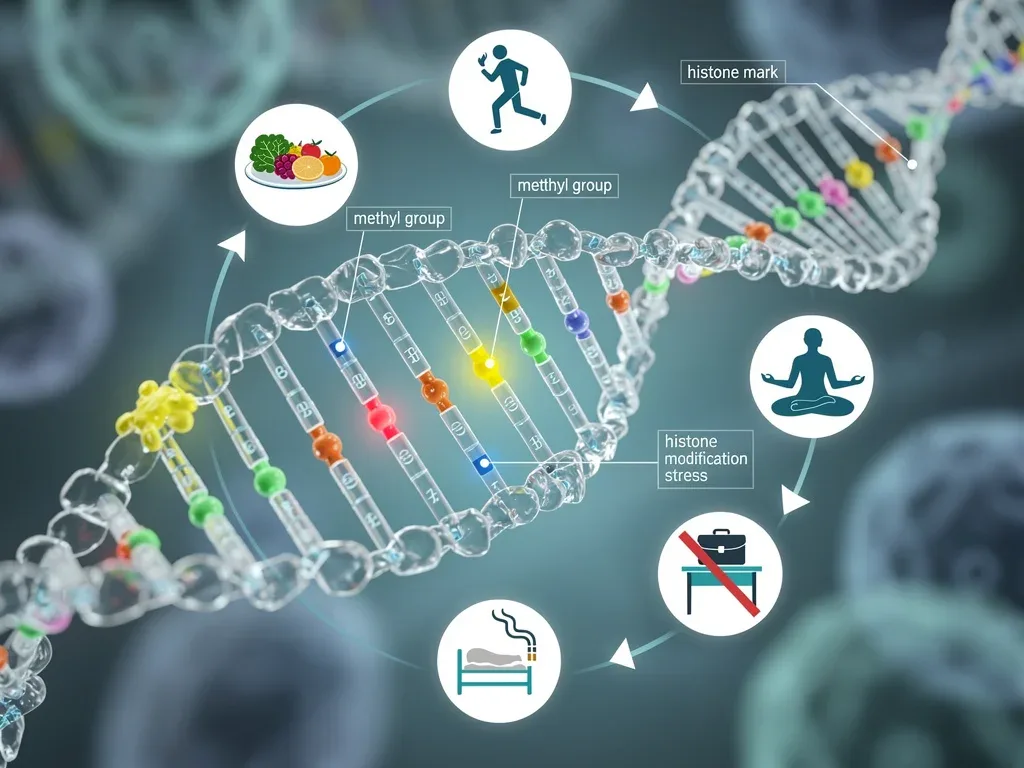
For those curious about their biological age, several methods are available, each with its own scientific basis and level of complexity. The most cutting-edge tests often involve analyzing epigenetic markers, which are chemical tags on your DNA that can switch genes on or off without changing the underlying genetic code. These tags are highly influenced by lifestyle and environment and change predictably with age, making them excellent indicators of biological aging.
Other methods include measuring telomere length, which are the protective caps at the ends of chromosomes. Shorter telomeres are generally associated with older biological age and increased risk of age-related diseases. Additionally, some tests analyze a panel of traditional blood biomarkers, such as glucose levels, cholesterol, inflammation markers, and organ function indicators, to generate a composite biological age score. These comprehensive panels provide a broader view of systemic health.
Key Metrics Evaluated
- DNA Methylation Patterns: The most robust predictor, using algorithms to determine age based on epigenetic changes.
- Blood Chemistry Markers: Including C-reactive protein, albumin, creatinine, and white blood cell count.
- Physiological Measurements: Such as grip strength, lung capacity, and cognitive function tests, though less common in direct biological age tests.
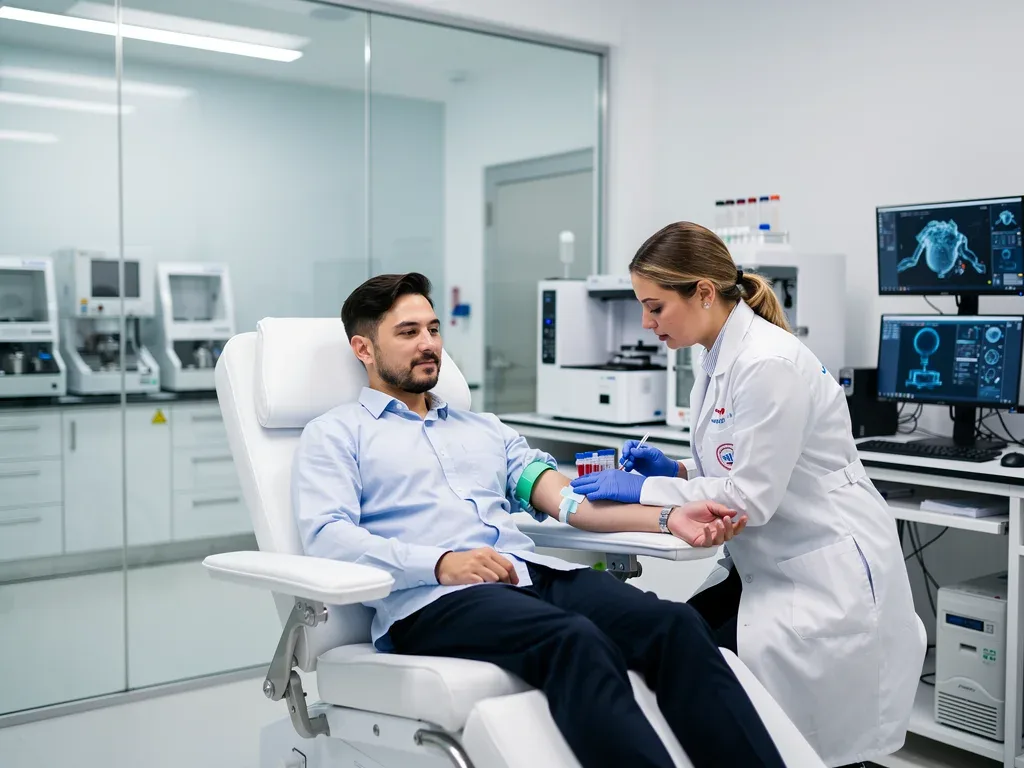
The process typically involves a simple blood or saliva sample, which is then sent to a specialized lab for analysis. The results are usually presented as a biological age number, often accompanied by insights into specific areas of health that may be contributing to an accelerated or decelerated aging process. This detailed feedback empowers individuals to focus their health interventions where they will have the most impact, moving beyond guesswork to data-driven strategies.
Benefits of Knowing Your Cellular Metrics
The primary appeal of biological age testing lies in its ability to offer actionable insights into one's health. Unlike chronological age, which is a fixed number, biological age is dynamic and can be influenced by lifestyle choices. Knowing your biological age can serve as a powerful motivator to adopt healthier habits or intensify existing ones. If your biological age is higher than your chronological age, it can be a wake-up call to make significant changes. Conversely, if it's lower, it validates your current healthy lifestyle.
Beyond motivation, these metrics can help identify potential health risks before they manifest as chronic diseases. For example, an accelerated biological age might indicate higher susceptibility to cardiovascular disease, diabetes, or neurodegenerative conditions, prompting early intervention. This proactive approach to health can lead to improved quality of life and potentially a longer, healthier lifespan, shifting the focus from treating illness to preventing it.
Actionable Insights Gained
- Personalized Interventions: Tailoring diet, exercise, and supplement regimens based on individual cellular data.
- Early Risk Detection: Identifying predispositions to age-related diseases before symptoms appear.
- Behavioral Motivation: Providing tangible feedback that encourages adherence to healthy lifestyle changes.
Furthermore, biological age testing can be a valuable tool for tracking the effectiveness of various health interventions. Whether you're trying a new diet, a specific exercise program, or a novel supplement, periodic retesting of your biological age can provide objective data on whether these efforts are yielding positive results at a cellular level. This feedback loop is essential for refining personal wellness strategies and optimizing outcomes for long-term health.
Navigating the Market: Choosing a Biological Age Test
With the rapid growth in popularity, the market for biological age testing has expanded significantly, offering a variety of options to consumers. This can make choosing the right test a daunting task. It's essential to understand that not all tests are created equal, and their accuracy, methodology, and the comprehensiveness of their reports can vary widely. Researching different providers and their scientific backing is crucial to ensure you're investing in a reputable and reliable service.
When evaluating options, consider the specific metrics the test measures. Epigenetic clock tests, such as those based on Horvath's clock or other advanced methylation arrays, are generally considered the most scientifically robust. However, telomere length tests and comprehensive biomarker panels also offer valuable insights. Look for companies that provide clear explanations of their methodology, interpretative reports, and, ideally, offer guidance on how to use the results to improve your health.
Factors to Consider When Choosing
- Scientific Validation: Ensure the test is based on peer-reviewed research and validated methodologies.
- Report Comprehensiveness: Look for detailed reports that explain your results and offer actionable recommendations.
- Cost and Accessibility: Compare prices and ease of sample collection (e.g., at-home kits vs. lab visits).
- Privacy and Data Security: Verify how your genetic and health data will be stored and protected.
It's also advisable to consult with a healthcare professional or a longevity specialist before and after taking a biological age test. They can help you understand the implications of your results, integrate them into a broader health plan, and ensure that any lifestyle changes you make are safe and appropriate for your individual needs. This professional guidance is invaluable in translating raw data into meaningful health improvements, especially with such a personalized metric.
The Future of Biological Age Testing and Health Optimization
The current mainstream adoption of biological age testing by millions of Americans is just the beginning. The field is rapidly evolving, promising even more sophisticated and integrated approaches to health optimization. As research progresses, we can expect to see more precise and predictive markers of aging, allowing for even earlier detection of potential health issues and more targeted interventions. The integration of AI and machine learning will undoubtedly play a significant role in analyzing vast amounts of biological data, uncovering subtle patterns, and predicting individual responses to various health strategies.
Imagine a future where your smart devices continuously monitor various physiological parameters, feeding data into an AI-powered system that tracks your biological age in real-time. This system could then provide personalized recommendations for diet, exercise, sleep, and stress management, dynamically adjusting based on your body's unique needs and responses. This level of personalized, preventive care has the potential to revolutionize how we manage our health, moving towards a truly proactive and highly individualized approach to wellness.
Emerging Trends and Innovations
- Continuous Monitoring: Wearable tech integrating biological age data for real-time insights.
- AI-Driven Interventions: Personalized health plans generated and optimized by artificial intelligence.
- Therapeutic Advancements: Development of new drugs and therapies specifically designed to reverse or slow biological aging.
The ultimate goal of this revolution is not just to extend lifespan, but to significantly enhance health span, allowing individuals to live longer, healthier, and more vibrant lives. Biological age testing is proving to be a foundational tool in this endeavor, empowering individuals with the knowledge and motivation to actively participate in their own longevity journey. As technology advances and understanding deepens, the impact on public health could be profound, ushering in an era where aging is not merely accepted but actively managed and optimized for maximum vitality.
| Key Aspect | Brief Description |
|---|---|
| What it is | Measures physiological age of cells and tissues, distinct from chronological age. |
| Why it's Popular | Offers personalized, actionable health insights for longevity and wellness optimization. |
| Key Methods | Epigenetic clocks, telomere length analysis, and comprehensive biomarker panels. |
| Future Impact | AI-driven personalized health, real-time monitoring, and advanced longevity therapies. |
Frequently Asked Questions About Biological Age Testing
What is the difference between chronological and biological age?▼Chronological age is the number of years you've lived, while biological age reflects the true physiological condition of your cells and tissues. Biological age is influenced by genetics, lifestyle, and environment, and can be younger or older than your chronological age.
How is biological age measured?▼Biological age is primarily measured through epigenetic clocks, which analyze DNA methylation patterns. Other methods include assessing telomere length and evaluating various blood biomarkers related to inflammation, metabolism, and organ function to create a comprehensive health profile.
Can I change my biological age?▼Yes, unlike chronological age, biological age is dynamic and can be positively influenced by lifestyle changes. Adopting healthy habits such as a balanced diet, regular exercise, adequate sleep, stress management, and avoiding harmful substances can help reduce your biological age.
What are the benefits of knowing my biological age?▼Knowing your biological age provides actionable insights into your health, motivates healthier lifestyle choices, and can help identify potential health risks early. It offers a personalized benchmark for tracking the effectiveness of wellness interventions and optimizing your health span.
Is biological age testing covered by insurance?▼Currently, biological age testing is generally considered a wellness or preventive service and is typically not covered by standard health insurance plans. Most tests are paid out-of-pocket, though some health savings accounts (HSAs) or flexible spending accounts (FSAs) might cover them.
Conclusion
The widespread adoption of biological age testing by millions of Americans marks a significant turning point in personal health management. This trend underscores a growing desire for deeper, data-driven insights into our bodies beyond what chronological age can reveal. By providing a dynamic and actionable metric, biological age testing empowers individuals to make informed lifestyle choices, track the efficacy of health interventions, and proactively work towards a longer, healthier life. As technology and scientific understanding continue to advance, the integration of these cellular metrics into daily wellness routines promises a future where personalized health optimization is not just an aspiration, but a tangible reality for everyone seeking to maximize their vitality and well-being.
