Circular Fashion Acceleration: Resale Platforms Capture 24% US Apparel
Advertisements
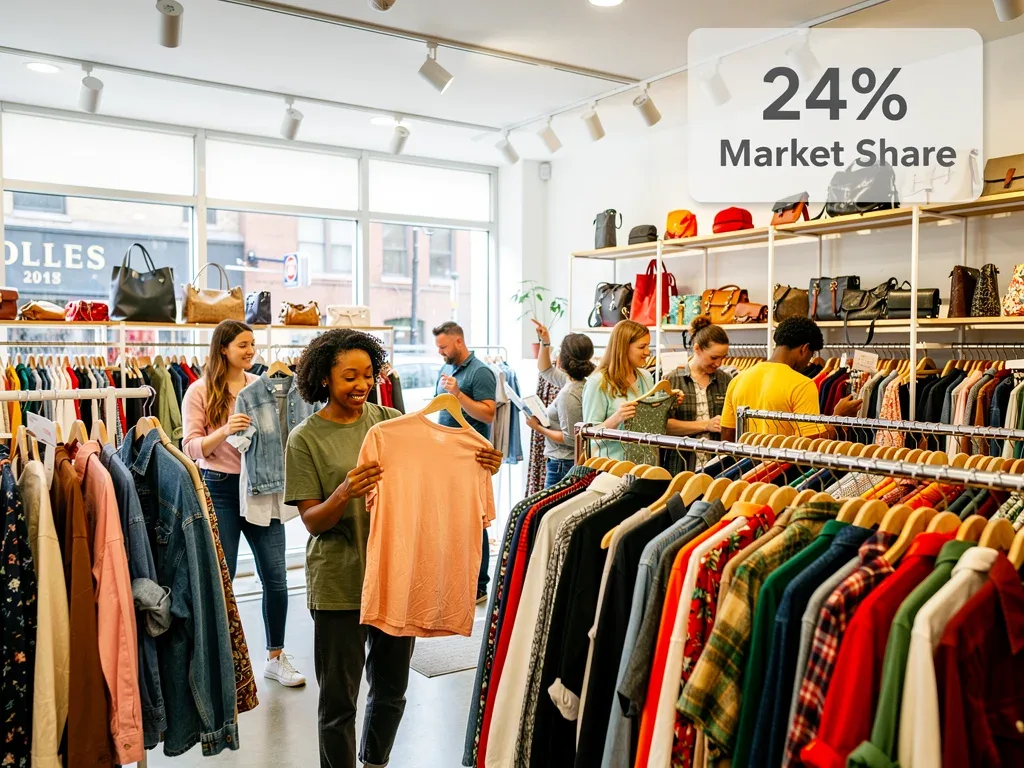
Circular fashion acceleration, largely propelled by innovative resale platforms, has successfully claimed an impressive 24% share of the US apparel market, fundamentally reshaping consumer purchasing habits and the broader fashion industry landscape.
The fashion industry is undergoing a monumental shift, and at its heart lies the concept of circular fashion acceleration. What once seemed like a niche market has blossomed into a dominant force, with resale platforms now commanding a significant 24% share of the US apparel market. This isn't just a fleeting trend; it's a fundamental recalibration of how consumers interact with clothing, driven by a growing awareness of environmental impact and a desire for accessible, diverse styles.
The rise of resale: a market redefinition
The ascendancy of resale platforms represents more than just a new way to shop; it signifies a profound redefinition of the apparel market itself. Consumers are increasingly turning away from the traditional linear model of 'buy, wear, discard' in favor of a more sustainable, circular approach. This shift is not merely driven by economics but by a growing ethical consciousness.
Resale platforms have democratized access to fashion, allowing individuals to buy and sell pre-owned items with unprecedented ease. This convenience, coupled with the allure of unique finds and often better value, has created a powerful draw for a broad demographic, from Gen Z to older generations seeking sustainable alternatives.
Technological innovation as a catalyst
Modern resale platforms leverage cutting-edge technology to create seamless user experiences. From sophisticated recommendation algorithms to AI-powered authentication, these innovations have built trust and efficiency, overcoming many of the traditional barriers associated with second-hand shopping.
- Advanced Search Filters: Enabling users to quickly find specific brands, sizes, and styles.
- AI-Powered Authentication: Building consumer confidence by verifying the authenticity of luxury goods.
- Personalized Recommendations: Enhancing the shopping experience by suggesting items based on past purchases and preferences.
- Streamlined Logistics: Simplifying shipping and returns for both buyers and sellers.
The technological backbone of these platforms has transformed the resale experience from a tedious treasure hunt into a curated, accessible, and enjoyable process. This has been crucial in driving widespread adoption and accelerating the circular fashion movement.
In essence, the rise of resale is a testament to evolving consumer values and the power of digital innovation. It has moved beyond a niche segment to become a significant and indispensable part of the contemporary apparel landscape, continually pushing boundaries and setting new standards for sustainability and accessibility.
Consumer behavior shift: sustainability and affordability
The dramatic growth of resale platforms is intrinsically linked to a fundamental shift in consumer behavior, primarily driven by twin desires: sustainability and affordability. Shoppers are becoming more conscious of the environmental and social impacts of their purchasing decisions, leading many to seek out more responsible alternatives to fast fashion.
Simultaneously, economic pressures and a desire for greater value have made pre-owned items an attractive option. Consumers can acquire high-quality, often designer, pieces at a fraction of their original cost, extending their budgets while reducing their environmental footprint.
This evolving mindset is particularly prevalent among younger demographics, who are often at the forefront of embracing sustainable practices. They view buying second-hand not as a compromise, but as a smart, stylish, and ethical choice. The stigma once associated with pre-owned clothing has largely evaporated, replaced by a sense of pride in making responsible choices.

The appeal of unique finds and curated collections
Beyond sustainability and cost, the thrill of discovering unique pieces also fuels the resale market. Unlike mass-produced new clothing, second-hand items often offer a distinctiveness that allows individuals to express their personal style without conforming to current trends. Many platforms have capitalized on this by offering curated collections or enabling sellers to showcase their unique aesthetic.
- Vintage Appeal: Access to rare and historically significant fashion items.
- Designer Bargains: Opportunity to own luxury brands at more accessible price points.
- Personalized Style: Building a wardrobe that reflects individual taste, not just fleeting trends.
- Reduced Environmental Impact: Contributing to a lower carbon footprint and less textile waste.
This blend of practicality and passion has created a robust and loyal customer base for resale. It's a market where consumers feel good about their purchases, both for their wallets and for the planet, illustrating a powerful shift in the collective consciousness around fashion consumption.
Ultimately, the pivot in consumer behavior towards resale underscores a broader cultural movement. Shoppers are not just looking for clothes; they are seeking values, stories, and a more mindful approach to consumption, with resale platforms perfectly positioned to meet these evolving demands.
Environmental impact: reducing textile waste
One of the most compelling arguments for the acceleration of circular fashion, particularly through resale platforms, is its profound positive environmental impact. The traditional linear model of fashion production and consumption is notoriously resource-intensive and generates immense amounts of waste. Resale directly addresses these critical issues by extending the life cycle of garments and significantly reducing textile waste.
Every item bought or sold through a resale platform is an item diverted from a landfill, a new item that doesn't need to be produced, and resources that don't need to be extracted. This simple act has a cascading effect, lessening the demand for virgin materials, reducing water and energy consumption, and mitigating pollution associated with manufacturing.
The burden of fast fashion
Fast fashion, characterized by rapid production cycles and low prices, has exacerbated the problem of textile waste. Garments are often designed for fleeting trends and are not built to last, leading to high turnover rates and massive disposal volumes. Resale offers a viable antidote, encouraging a more thoughtful and prolonged relationship with clothing.
- Decreased Landfill Contributions: Fewer clothes end up in waste streams.
- Lower Carbon Emissions: Reduced need for new manufacturing and transportation.
- Conserved Natural Resources: Less water, land, and raw materials used.
- Minimized Pollution: Lower chemical use from dyeing and finishing processes.
The collective effort of millions of individuals participating in the resale market translates into a substantial reduction in the fashion industry's ecological footprint. It empowers consumers to be active participants in environmental stewardship, making tangible differences with their purchasing power.
In conclusion, the environmental benefits of resale are undeniable and serve as a powerful motivator for its continued growth. By fostering a culture of reuse, resale platforms are not just selling clothes; they are selling a more sustainable future for fashion and the planet.
Economic dynamics: value creation and market disruption
The economic impact of circular fashion acceleration, particularly through resale platforms, is multifaceted, creating new value streams while simultaneously disrupting established market structures. The 24% market share captured by these platforms in the US apparel sector is not merely a transfer of existing revenue; it represents the creation of a vibrant secondary market that adds significant economic activity.
Resale platforms enable individuals to monetize items they no longer need, injecting cash back into the consumer economy. This accessible marketplace also allows for more frequent wardrobe updates for buyers, without the full environmental or financial cost of new purchases. It's a win-win scenario that fosters both personal economic empowerment and broader market dynamism.
New business models and opportunities
The rise of resale has spurred the development of innovative business models, from peer-to-peer marketplaces to luxury consignment services. These models cater to diverse segments of the market, offering specialized services and experiences that were previously unavailable. This has created a wealth of entrepreneurial opportunities and job creation within the circular economy.
- Platform Development: Investment in technology and infrastructure for online marketplaces.
- Authentication Services: Specialized businesses verifying the legitimacy of luxury goods.
- Logistics and Fulfillment: Companies handling shipping, storage, and order processing for sellers.
- Styling and Curation: Personal shoppers and stylists focusing on pre-owned fashion.
Furthermore, traditional retailers and brands are increasingly recognizing the economic potential of resale, with many launching their own take-back programs or partnering with existing platforms. This integration signifies a maturity in the circular fashion market, moving from disruption to strategic collaboration.
The economic dynamics of resale are transforming the apparel industry, demonstrating that sustainability and profitability can coexist. It showcases a powerful model where value is retained, resources are optimized, and new economic ecosystems flourish, all contributing to a more resilient and responsible fashion economy.
Challenges and opportunities for mainstream adoption
Despite the impressive growth and significant market share already achieved, the circular fashion acceleration, particularly through resale platforms, still faces a unique set of challenges on its path to full mainstream adoption. However, these challenges often present equally compelling opportunities for innovation and further expansion. Understanding these dynamics is crucial for sustained growth.
One primary challenge lies in scaling operations to meet ever-increasing demand while maintaining quality control and authenticity. As more consumers embrace resale, the infrastructure required to process, verify, and distribute items efficiently becomes more complex. Yet, this complexity also drives technological advancements and operational efficiencies.
Overcoming perception and logistics hurdles
While the stigma around second-hand has largely diminished, some consumers still harbor reservations about quality, hygiene, or the perceived hassle of buying and selling pre-owned items. Addressing these perceptions through transparent policies, robust quality checks, and seamless user experiences is vital.
- Quality Assurance: Implementing rigorous inspection processes for listed items.
- Standardized Sizing: Developing better tools to ensure fit accuracy for pre-owned garments.
- Efficient Returns: Streamlining the process for unsatisfactory purchases.
- Seller Education: Providing clear guidelines for item preparation and listing.
Logistically, managing a vast and diverse inventory of unique, individual items presents a different challenge than managing new, uniform stock. However, advancements in AI, data analytics, and automated warehousing are steadily transforming these hurdles into opportunities for competitive advantage and enhanced customer satisfaction.
The journey towards full mainstream adoption of circular fashion is not without its obstacles, but the industry's rapid innovation and consumer demand for sustainable options suggest a bright future. By strategically addressing these challenges, resale platforms can solidify their position and continue to redefine the apparel market for good.
The future outlook: continued growth and integration
The trajectory of circular fashion acceleration, spearheaded by the success of resale platforms, points towards continued robust growth and deeper integration into the broader fashion ecosystem. The 24% market share captured in the US apparel market is likely just the beginning, as consumer awareness, technological advancements, and industry collaboration continue to mature.
As the younger generations, who are inherently more sustainability-minded, gain greater purchasing power, their preference for circular models will undoubtedly amplify the demand for resale options. This demographic shift, combined with ongoing innovation in platform functionality and logistics, will fuel further expansion.
Strategic partnerships and brand involvement
A significant trend shaping the future is the increasing involvement of traditional fashion brands and retailers in the resale market. Many are no longer viewing resale as a threat but as a strategic opportunity to engage new customer segments, bolster their sustainability credentials, and create new revenue streams. This integration takes several forms:
- Brand-Owned Resale: Brands launching their own dedicated second-hand programs.
- Partnerships with Existing Platforms: Collaborating with established resale sites to offer curated collections.
- Take-Back Programs: Encouraging customers to return used items for store credit or recycling.
- Rental Services: Exploring alternative consumption models beyond traditional ownership.
These strategic alliances are crucial for legitimizing and normalizing circular practices within the mainstream fashion industry. They signal a collective movement towards a more responsible and resource-efficient future, where the lifecycle of a garment is maximized and waste is minimized.
The future outlook for circular fashion and resale platforms is overwhelmingly positive. As the industry evolves, we can expect to see even greater innovation, more seamless integration between new and pre-owned markets, and a sustained commitment to creating a truly circular and sustainable fashion economy.
| Key Aspect | Brief Description |
|---|---|
| Market Share | Resale platforms have captured a significant 24% of the US apparel market, showcasing rapid growth. |
| Consumer Drivers | Sustainability, affordability, and the desire for unique items are key factors driving consumer adoption. |
| Environmental Impact | Reduces textile waste, conserves resources, and lowers carbon emissions by extending garment life. |
| Future Outlook | Continued growth, driven by brand integration, technological advancements, and evolving consumer values. |
Frequently asked questions about circular fashion and resale
What is circular fashion acceleration?▼Circular fashion acceleration refers to the rapid adoption and growth of sustainable practices in the apparel industry, focusing on extending the life cycle of clothing. This includes design for longevity, reuse, repair, and recycling, with resale platforms playing a pivotal role in promoting these principles and reducing waste.
How significant is the resale market in US apparel?▼Resale platforms have captured a remarkable 24% share of the US apparel market. This indicates a substantial shift in consumer preferences and industry dynamics, demonstrating that buying and selling pre-owned clothing is now a major component of the American fashion landscape, influencing both brands and shoppers.
What drives consumers to choose resale platforms?▼Consumers are drawn to resale platforms for several reasons, primarily sustainability, affordability, and the desire for unique items. They seek to reduce their environmental impact, save money on quality fashion, and find distinctive pieces that express their individuality, moving away from fast fashion's disposability.
How do resale platforms contribute to environmental sustainability?▼Resale platforms significantly contribute to environmental sustainability by extending the lifespan of garments. This reduces textile waste in landfills, conserves natural resources like water and energy used in new production, and lowers the carbon footprint associated with manufacturing and transportation, fostering a greener fashion cycle.
What is the future outlook for the circular fashion market?▼The future outlook for the circular fashion market, especially through resale, is one of continued growth and integration. As consumer awareness of sustainability increases and technology advances, more brands are expected to enter or partner with resale, making circular practices an increasingly mainstream and integral part of the global fashion industry.
Conclusion
The undeniable acceleration of circular fashion, powered by the remarkable ascent of resale platforms, has irrevocably transformed the US apparel market. With a commanding 24% market share, these platforms are not just facilitating transactions; they are spearheading a cultural and economic revolution. This shift is deeply rooted in evolving consumer values that prioritize sustainability, affordability, and unique personal expression, moving away from the linear 'take-make-dispose' model. The environmental benefits are clear, reducing textile waste and conserving precious resources, while the economic dynamics foster new business models and empower both buyers and sellers. As technology continues to innovate and traditional brands increasingly embrace circularity, the trajectory for resale is set for further expansion and deeper integration. The future of fashion is undeniably circular, promising a more responsible, resilient, and resourceful industry for generations to come.
