Quantum Computing Advances: 3 Critical Benchmarks for Enterprise
Advertisements

Enterprise tech teams need to track three critical benchmarks in commercial quantum computing: Quantum Processing Unit (QPU) performance, the maturity of quantum algorithms, and the integration of quantum-safe security to navigate this transformative technological landscape effectively.
The landscape of technology is perpetually shifting, and few areas promise as radical a transformation as quantum computing. For enterprise tech teams, understanding and preparing for this shift isn't just an academic exercise; it's a strategic imperative. To truly grasp the implications and opportunities, focusing on Commercial Quantum Computing Advances: 3 Critical Benchmarks Enterprise Tech Teams Must Track This Quarter is essential for informed decision-making and future-proofing.
Understanding the Quantum Computing Landscape
Quantum computing represents a paradigm shift in computation, moving beyond the classical bits of 0s and 1s to quantum bits, or qubits, which can exist in multiple states simultaneously. This fundamental difference unlocks the potential to solve problems currently intractable for even the most powerful supercomputers, ranging from complex optimization challenges to advanced material science simulations. Enterprises are increasingly recognizing that while still nascent, quantum computing will eventually redefine competitive advantage.
The journey from theoretical concept to commercial viability is long and complex, marked by significant research and development efforts across the globe. Governments, academic institutions, and private companies are pouring resources into accelerating this progress, leading to rapid, albeit often incremental, breakthroughs. For enterprise tech leaders, staying informed about these developments is not about immediate adoption but about strategic foresight and talent development.
The Promise of Quantum for Business
Quantum computing holds immense promise for various industries, offering solutions to problems that classical computers cannot efficiently handle. This includes enhancing drug discovery, optimizing financial models, and improving supply chain logistics.
- Drug Discovery: Simulating molecular interactions with unprecedented accuracy, accelerating the development of new pharmaceuticals.
- Financial Modeling: Performing complex risk analyses and portfolio optimizations far faster than current methods allow.
- Logistics and Supply Chain: Solving intricate routing problems and optimizing resource allocation on a global scale.
- Material Science: Designing novel materials with specific properties for various applications, from aerospace to energy.
These applications, while still largely in the research phase for quantum, illustrate the profound impact this technology could have. Identifying where quantum computing can provide a distinct advantage within your specific industry is a crucial first step in preparing for its eventual commercialization.
In essence, the quantum computing landscape is one of immense potential, coupled with significant technical hurdles. Enterprises must adopt a proactive, yet realistic, approach to monitor its progress, ensuring they are positioned to leverage its capabilities when the technology matures sufficiently for widespread commercial deployment.
Benchmark 1: Quantum Processing Unit (QPU) Performance Metrics
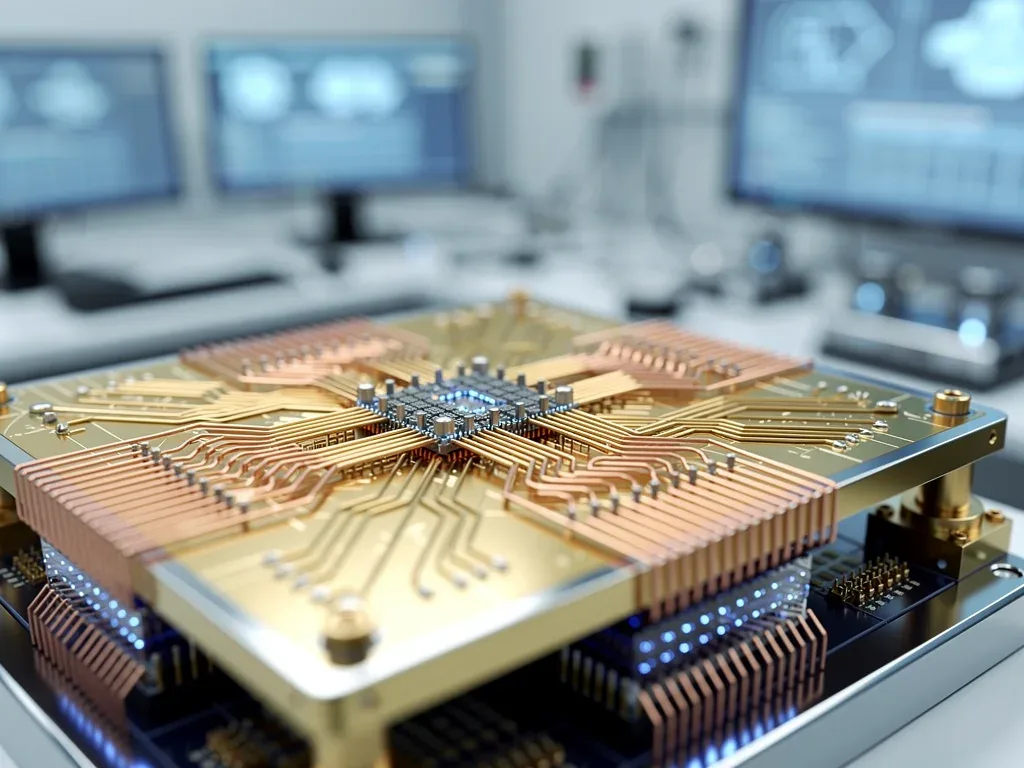
The heart of any quantum computer is its Quantum Processing Unit (QPU). Tracking its performance is paramount, as it directly impacts the complexity and scale of problems that can be tackled. This quarter, enterprise tech teams should focus on several key metrics that provide a clearer picture of QPU advancement beyond just qubit count.
While the number of qubits is an important indicator, it doesn't tell the whole story. Coherence time, gate fidelity, and connectivity are equally, if not more, critical. A QPU with many qubits but short coherence times or low gate fidelity will struggle to perform useful computations. These metrics collectively define the 'quality' of the qubits and the overall computational power of the quantum device.
Key QPU Performance Indicators to Watch
As quantum hardware evolves, new metrics emerge to better characterize its capabilities. For enterprise evaluation, a few stand out as particularly informative for this quarter's tracking.
- Quantum Volume (QV): This metric, introduced by IBM, attempts to quantify a quantum computer's overall capability by considering qubit count, connectivity, and error rates. A higher Quantum Volume indicates a more powerful and reliable quantum computer.
- Error Rates and Coherence Times: Lower error rates and longer coherence times are crucial for executing complex algorithms successfully. These indicate how long qubits can maintain their quantum state and how accurately operations can be performed.
- Qubit Connectivity: The ability of qubits to interact with each other. Higher connectivity allows for more flexible and efficient algorithm design, as it reduces the need for costly qubit swapping operations.
- Gate Fidelity: This measures the accuracy of quantum gate operations. High gate fidelity is essential for minimizing errors that accumulate during a computation, ensuring reliable results.
Monitoring these detailed performance indicators provides a more nuanced understanding of QPU progress than simply tracking raw qubit numbers. Enterprises should look for consistent improvements across these metrics, signaling genuine advancements in hardware maturity.
The ongoing race to build more powerful and stable QPUs is a dynamic field. Tech teams should continuously assess vendor roadmaps and research publications for breakthroughs in these areas. Understanding the nuances of QPU performance is fundamental to evaluating the readiness of quantum hardware for practical enterprise applications.
Benchmark 2: Advancements in Quantum Algorithm Development
Hardware advancements are only half the equation; the utility of quantum computing ultimately depends on the development of powerful and applicable quantum algorithms. This benchmark focuses on the progress in creating algorithms that can deliver real-world value for enterprise challenges, especially those that offer a clear quantum advantage over classical methods.
The current state of quantum algorithm development is diverse, with researchers exploring various approaches to tackle different problem sets. From optimization to machine learning and cryptography, new algorithms are constantly being proposed and refined. The challenge lies in identifying which of these are maturing enough to transition from theoretical proofs to practical, implementable solutions on existing or near-future quantum hardware.
Tracking Algorithm Maturity and Application
For businesses, it's not just about novel algorithms but about those that address specific industry pain points and show clear pathways to implementation.
- Optimization Algorithms (e.g., QAOA, VQE): These are critical for industries like logistics, finance, and manufacturing, seeking to optimize complex systems. Progress in these areas means more efficient resource allocation and cost savings.
- Quantum Machine Learning (QML) Algorithms: QML explores how quantum mechanics can enhance machine learning. Tracking advances in areas like quantum neural networks or quantum support vector machines could revolutionize data analysis, pattern recognition, and AI capabilities.
- Quantum Chemistry and Materials Science: Algorithms for simulating molecular structures and properties are vital for pharmaceuticals, chemicals, and advanced materials industries, promising faster drug discovery and material innovation.
Enterprises should also monitor the development of quantum compilers and programming tools, which are essential for translating these algorithms into executable code for specific QPUs. The ease of programming and the availability of robust software development kits (SDKs) are crucial for broader adoption.
Evaluating the practical applicability and potential quantum advantage of these algorithms is key. Teams should look for benchmarks that demonstrate superior performance compared to classical counterparts for relevant problem sizes, even if still small. This indicates a pathway towards scalable, impactful solutions.
The evolution of quantum algorithms is a testament to human ingenuity. Enterprise tech teams must maintain a close watch on these developments, identifying those algorithms that align with their strategic objectives and possess the potential to unlock significant value in the coming years.
Benchmark 3: Quantum-Safe Security and Cryptography Integration
As quantum computing capabilities grow, so does the imperative to address its potential impact on current cryptographic standards. The development of sufficiently powerful quantum computers poses a significant threat to widely used public-key encryption schemes, such as RSA and ECC. Therefore, tracking progress in quantum-safe security, also known as post-quantum cryptography (PQC), is a critical benchmark for enterprise tech teams.
The transition to quantum-safe cryptography is not a switch that can be flipped overnight. It requires extensive research, standardization, and careful implementation across vast digital infrastructures. Enterprises must begin planning for this migration now, assessing their current cryptographic inventory and understanding the timelines for new standards and technologies.

Evaluating PQC Standards and Implementation
The global effort to standardize quantum-safe algorithms is a key area for observation. Organizations like the National Institute of Standards and Technology (NIST) are leading the charge, evaluating and selecting algorithms that can withstand quantum attacks.
- NIST Standardization Process: Closely follow NIST's ongoing selection process for quantum-resistant cryptographic algorithms. Understanding which algorithms are being chosen and why is fundamental to future security strategies.
- Vendor PQC Offerings: Assess how security vendors are integrating these new algorithms into their products and services. Early adoption and testing of PQC-enabled solutions can provide valuable insights into their practicality and performance.
- Cryptographic Agility: Evaluate your organization's ability to transition to new cryptographic standards. This involves understanding your current cryptographic footprint and developing strategies for agile updates.
- Quantum Key Distribution (QKD) and Quantum Random Number Generators (QRNGs): While distinct from PQC, these quantum-native security technologies offer additional layers of protection. Monitoring their commercial viability and integration into secure communication channels is also relevant.
The proactive adoption of quantum-safe security measures is not just about protecting data from future quantum threats; it's about ensuring business continuity and maintaining trust in an increasingly interconnected and vulnerable digital world. The cost of a data breach due to quantum decryption could be catastrophic, making this benchmark non-negotiable.
In conclusion, the integration of quantum-safe security is a critical, forward-looking benchmark. Enterprise tech teams must prioritize understanding the evolving PQC landscape, planning for cryptographic transitions, and engaging with vendors and standards bodies to ensure their digital assets remain secure against emerging quantum threats.
The Interplay of Benchmarks and Strategic Planning
These three benchmarks—QPU performance, algorithm development, and quantum-safe security—do not exist in isolation. They are deeply interconnected, each influencing the others and collectively shaping the trajectory of commercial quantum computing. For enterprise tech teams, understanding this interplay is crucial for effective strategic planning.
Improvements in QPU performance directly enable the execution of more complex quantum algorithms, which in turn can lead to breakthroughs in solving real-world problems. Simultaneously, the looming threat of quantum attacks on current encryption drives the urgent need for quantum-safe security solutions, which themselves rely on advanced cryptographic algorithms. This ecosystem of development requires a holistic monitoring approach.
Integrating Quantum Insights into Enterprise Strategy
Translating these technical benchmarks into actionable business strategy requires a clear vision and a structured approach. It's about moving beyond mere observation to proactive engagement and preparation.
- Cross-functional Collaboration: Foster collaboration between R&D, IT security, and business units to identify potential quantum use cases and assess risks.
- Talent Development: Invest in training and upskilling programs for your tech teams in quantum computing fundamentals, algorithms, and cryptography.
- Pilot Programs and Partnerships: Explore opportunities for small-scale pilot projects or partnerships with quantum computing vendors and research institutions to gain hands-on experience and evaluate specific solutions.
- Risk Assessment and Mitigation: Regularly assess your organization's exposure to quantum threats, particularly concerning sensitive data and long-term security requirements.
By actively engaging with these benchmarks and integrating them into strategic planning, enterprises can position themselves not just as consumers of quantum technology but as active participants in its evolution. This proactive stance ensures readiness to capitalize on opportunities and mitigate risks as the technology matures.
The strategic planning around quantum computing should be iterative and adaptable. As benchmarks evolve and new discoveries are made, enterprise strategies must be flexible enough to adjust. This ongoing process of learning and adaptation will be key to navigating the quantum era successfully.
Future Outlook: Beyond the Current Quarter
While the focus this quarter is on specific, measurable benchmarks, it's vital for enterprise tech teams to maintain a long-term perspective on quantum computing's trajectory. The field is characterized by rapid innovation, and what seems cutting-edge today may be foundational tomorrow. Looking beyond immediate milestones helps in anticipating future shifts and preparing accordingly.
The next few years are expected to bring significant advancements in all areas of quantum computing. We anticipate more stable and scalable QPUs, a wider array of practical quantum algorithms, and the formal standardization and widespread adoption of quantum-safe cryptographic protocols. These developments will gradually move quantum computing from the realm of research labs into more mainstream enterprise applications.
Preparing for Quantum's Broader Impact
Beyond the technical benchmarks, enterprises should also consider the broader societal and economic impacts of quantum computing. This includes ethical considerations, regulatory frameworks, and the potential for new business models.
- Ethical Implications: As quantum AI advances, understanding its ethical implications for decision-making and bias will become increasingly important.
- Regulatory Landscape: Governments worldwide are beginning to consider regulations around quantum technology, from intellectual property to data security. Staying informed on these developments is crucial.
- Ecosystem Development: The growth of the quantum ecosystem, including cloud quantum services, specialized software, and consulting firms, will provide more accessible pathways for enterprise adoption.
- Workforce Transformation: The demand for quantum-skilled professionals will grow exponentially. Investing in education and talent pipelines is a strategic necessity.
The long-term vision for quantum computing involves a transformative impact on almost every sector. Enterprises that start preparing now, by tracking these benchmarks and fostering a quantum-aware culture, will be best positioned to thrive in this new technological era.
Ultimately, the future outlook for quantum computing is one of immense potential and ongoing evolution. By extending their focus beyond the immediate quarter and embracing a continuous learning approach, enterprise tech teams can strategically navigate the complexities and capitalize on the opportunities that quantum computing will undoubtedly present.
| Key Benchmark | Brief Description |
|---|---|
| QPU Performance | Tracking qubit count, coherence time, gate fidelity, and connectivity to assess hardware capability. |
| Algorithm Development | Monitoring progress in optimization, machine learning, and chemistry algorithms for practical application. |
| Quantum-Safe Security | Following NIST PQC standardization and vendor integration to protect against future quantum threats. |
Frequently Asked Questions About Quantum Computing Benchmarks
Why are QPU performance metrics more than just qubit count?▼Qubit count is important, but metrics like coherence time, gate fidelity, and connectivity determine the quality and practical usability of a quantum processor. Many qubits with high error rates or poor connectivity are less effective than fewer, higher-quality qubits, impacting the complexity of problems that can be reliably solved.
How do quantum algorithms differ from classical algorithms?▼Quantum algorithms leverage quantum mechanical phenomena such as superposition and entanglement to solve certain problems exponentially faster than classical algorithms. They operate on qubits, which can represent multiple states simultaneously, unlike classical bits that are restricted to 0 or 1, opening new computational possibilities.
What is quantum-safe security and why is it important now?▼Quantum-safe security, or post-quantum cryptography (PQC), refers to cryptographic algorithms designed to resist attacks from future quantum computers. It's crucial now because data encrypted today could be harvested and decrypted by powerful quantum computers in the future, necessitating proactive migration strategies to protect sensitive information.
What is Quantum Volume and how does it relate to QPU performance?▼Quantum Volume (QV) is a benchmark that measures the effective computational power of a quantum computer. It considers not only the number of qubits but also their quality, connectivity, and error rates. A higher QV indicates a more capable quantum device, able to execute more complex quantum circuits reliably.
How can enterprises start preparing for quantum computing?▼Enterprises can start by educating their teams, identifying potential use cases and risks, engaging with quantum vendors through pilot programs, and actively monitoring the development of quantum-safe cryptography standards. Proactive engagement in these areas will ensure readiness for future quantum advancements and their impact.
Conclusion
The journey into commercial quantum computing is undoubtedly complex, yet it holds unparalleled potential for enterprise innovation and competitive advantage. By meticulously tracking Commercial Quantum Computing Advances: 3 Critical Benchmarks Enterprise Tech Teams Must Track This Quarter—namely, QPU performance metrics, advancements in quantum algorithm development, and the integration of quantum-safe security—businesses can navigate this nascent but rapidly evolving landscape with greater clarity and strategic foresight. These benchmarks provide a tangible framework for assessing progress, identifying opportunities, and mitigating future risks. Proactive engagement with these areas will not only prepare organizations for the quantum era but also empower them to shape its trajectory, ensuring they are not just observers, but active participants in this technological revolution.
