Decentralized Energy Networks: Micro-Battery Storage Adoption Soars
Advertisements
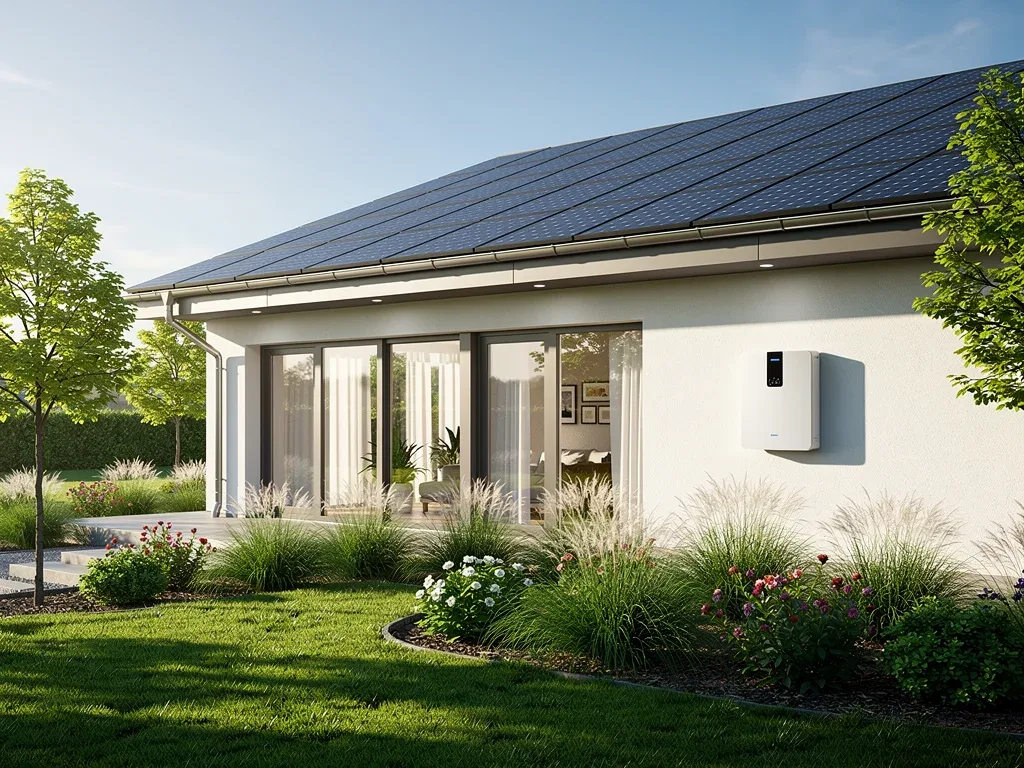
Decentralized energy networks, specifically micro-battery storage systems, are now integrated into 18% of US single-family homes, signifying a pivotal shift towards resilient and self-sufficient residential power solutions.
The landscape of residential energy is undergoing a profound transformation, with decentralized energy networks and micro-battery storage systems leading the charge. This innovative approach to power generation and consumption is rapidly gaining traction across the United States, fundamentally altering how single-family homes interact with their energy supply. The statistics are compelling: an impressive 18% of US single-family homes have now adopted micro-battery storage systems, signaling a significant shift towards greater energy independence and resilience. This surge is not merely a trend; it represents a strategic move by homeowners to secure their energy future, mitigate the impacts of grid vulnerabilities, and embrace more sustainable living. Understanding the multifaceted drivers behind this widespread adoption is crucial to appreciating the future trajectory of our energy infrastructure. From economic incentives to environmental consciousness and technological advancements, a confluence of factors is empowering homeowners to take control of their power, moving away from a purely centralized model to a more distributed and dynamic energy ecosystem. This article will delve into the core reasons behind this accelerating adoption, examining the benefits, challenges, and future implications of this energy revolution in American households.
The Rise of Energy Independence and Resilience
The pursuit of energy independence and enhanced resilience stands as a primary catalyst for the increasing adoption of micro-battery storage systems within US single-family homes. Homeowners are increasingly recognizing the vulnerabilities inherent in traditional centralized energy grids, which can be susceptible to outages caused by extreme weather events, infrastructure failures, or even cyberattacks. The ability to generate and store one's own power offers a significant buffer against these disruptions, providing peace of mind and an uninterrupted power supply.
Beyond simply avoiding blackouts, energy independence also grants homeowners greater control over their energy consumption patterns and costs. By integrating micro-battery storage with renewable energy sources like rooftop solar panels, households can store excess energy generated during peak production times and discharge it during periods of high demand or when solar generation is low. This strategic management optimizes energy use, reduces reliance on grid electricity, and can lead to substantial savings on utility bills.
Mitigating Grid Vulnerabilities
Recent years have highlighted the fragility of aging grid infrastructure in the face of escalating demands and climate-related challenges. Power outages are becoming more frequent and prolonged, impacting daily life and economic stability. Micro-battery storage systems offer a localized solution to this systemic problem.
- Backup Power: Provides seamless electricity during grid outages, ensuring essential appliances and systems remain operational.
- Reduced Reliance: Lessens dependence on the main grid, particularly during peak pricing periods.
- Enhanced Security: Protects against potential grid-wide disruptions, offering a personal energy fortress.\
The desire for a stable and reliable power source is a powerful motivator, particularly in regions prone to severe weather. Homeowners are no longer content to be passive recipients of grid services; they are actively seeking solutions that empower them with greater control and security over their energy needs. This fundamental shift in mindset is propelling the growth of decentralized energy networks at the residential level.
Ultimately, the move towards micro-battery storage is about more than just technology; it's about a fundamental redefinition of the homeowner's relationship with energy. It's a proactive step towards a more resilient future, where individual households contribute to a more robust and distributed energy ecosystem. This drive for self-sufficiency is a cornerstone of the burgeoning decentralized energy movement, offering practical benefits that resonate deeply with modern families.
Economic Incentives and Cost Savings
The financial benefits associated with micro-battery storage systems are proving to be a compelling factor for many US single-family homeowners. While the initial investment can be significant, a combination of decreasing equipment costs, government incentives, and long-term savings on electricity bills makes these systems increasingly attractive. Homeowners are keenly aware of fluctuating energy prices and the potential for substantial cost reductions through smarter energy management.
One of the most immediate economic advantages comes from optimizing the use of self-generated renewable energy. For homes equipped with solar panels, excess electricity produced during sunny hours can be stored in batteries instead of being fed back into the grid at potentially lower rates or subject to complex net metering policies. This stored energy can then be used when grid electricity is more expensive, such as during peak demand periods in the evening, effectively reducing the amount of electricity purchased from utilities.
Government Programs and Rebates
Various government programs and utility incentives play a crucial role in lowering the financial barrier to entry for micro-battery storage. These can include federal tax credits, state-level rebates, and local utility programs designed to encourage the adoption of renewable energy and storage solutions.
- Federal Tax Credits: The Investment Tax Credit (ITC) can significantly offset the cost of solar-plus-storage systems.
- State Rebates: Many states offer specific incentives for battery storage, further reducing upfront expenses.
- Utility Programs: Some utilities provide incentives for homeowners who allow their batteries to be dispatched during grid stress events, contributing to grid stability.
These incentives not only make the technology more affordable but also signal a broader policy commitment to fostering decentralized energy networks. They transform a significant capital outlay into a more manageable investment with a clearer return. The long-term savings on electricity bills, coupled with the ability to participate in demand response programs and potentially sell excess stored energy back to the grid, create a strong economic case for adoption.
As battery technology continues to advance and manufacturing scales up, the cost of these systems is expected to decrease further, making them accessible to an even wider demographic. This economic viability, supported by supportive policies, is a critical driver behind the 18% adoption rate and will continue to fuel the expansion of residential energy storage solutions across the nation.
Technological Advancements and Accessibility
The rapid pace of technological innovation has been instrumental in making micro-battery storage systems more efficient, reliable, and accessible for single-family homes. Gone are the days of bulky, inefficient batteries; modern solutions are compact, powerful, and integrated with sophisticated energy management systems. These advancements have not only improved performance but also reduced the physical footprint and complexity of installation, making them a practical addition to contemporary residences.
Key breakthroughs in battery chemistry, particularly in lithium-ion technology, have led to higher energy densities, longer lifespans, and improved safety features. This means batteries can store more energy in a smaller space and withstand more charge and discharge cycles, providing greater value and longevity for homeowners. Furthermore, the integration of artificial intelligence and machine learning into home energy management systems allows these batteries to operate with remarkable intelligence.
Smart Energy Management Systems
The brains behind modern micro-battery storage are advanced energy management systems that optimize performance and maximize savings. These systems learn household energy consumption patterns, forecast solar generation, and respond to grid signals to make real-time decisions.
- Automated Optimization: Systems automatically decide when to charge from solar, discharge to power the home, or send power back to the grid.
- Remote Monitoring: Homeowners can monitor their energy usage and battery status via smartphone apps, offering unprecedented control.
- Grid Integration: Smart systems can participate in virtual power plants (VPPs), aggregating individual home batteries to support grid stability.
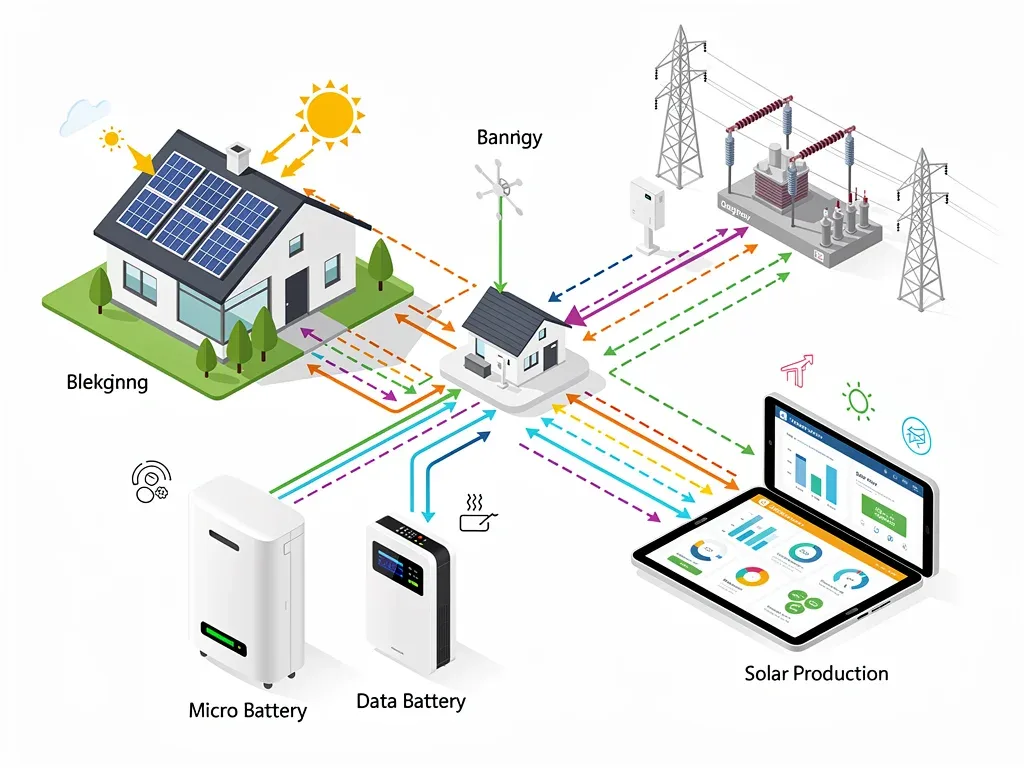
The user-friendly interfaces and automated functionalities of these systems remove much of the complexity, making it easier for homeowners to embrace these advanced energy solutions without needing to become energy experts themselves. This accessibility is crucial for widespread adoption, transforming what was once a niche technology into a mainstream residential offering. The continuous evolution of these technologies ensures that decentralized energy networks will only become more sophisticated and beneficial in the years to come, further accelerating their integration into our daily lives.
The combination of robust, long-lasting batteries and intelligent control systems provides a compelling package for homeowners seeking to modernize their energy infrastructure. These technological leaps are not just about incremental improvements; they represent a fundamental shift in what is possible for residential energy, paving the way for a truly decentralized and resilient power future.
Environmental Consciousness and Sustainability
A significant driver behind the growing adoption of micro-battery storage systems is the increasing environmental consciousness among US single-family homeowners. There is a palpable desire to reduce carbon footprints, transition away from fossil fuels, and contribute to a more sustainable planet. Micro-battery storage, particularly when paired with renewable energy sources like solar, plays a pivotal role in achieving these environmental goals.
By storing excess solar energy, homes can maximize their use of clean, self-generated electricity, thereby reducing their reliance on grid power that often comes from carbon-intensive sources. This direct action contributes to lower greenhouse gas emissions and supports the broader transition to a clean energy economy. Homeowners are actively seeking ways to align their energy choices with their environmental values, and battery storage offers a tangible and effective solution.
Reducing Carbon Footprint
The environmental benefits of micro-battery storage extend beyond simply using solar power. It optimizes the entire energy consumption cycle within a home, ensuring that renewable energy is utilized as efficiently as possible.
- Maximized Solar Use: Ensures that more self-generated solar power is consumed on-site, reducing the need for grid electricity.
- Reduced Peak Demand: By discharging stored energy during peak times, homes lessen the strain on power plants, which often rely on less efficient, dirtier peaker plants.
- Support for Renewables: Contributes to the overall stability and growth of renewable energy infrastructure by providing dispatchable power.
The ability to store and use renewable energy on demand transforms intermittent sources like solar into a more consistent and reliable power supply. This integration is crucial for the successful scaling of renewable energy and the development of robust decentralized energy networks that can effectively replace traditional fossil fuel-based generation. Homeowners are increasingly seeing themselves as active participants in this energy transition, not just consumers.
The narrative of environmental responsibility resonates deeply with a growing segment of the population. For these homeowners, the investment in micro-battery storage is not just financial; it's an investment in a cleaner, healthier future for their families and the planet. This ethical dimension adds a powerful layer to the economic and practical benefits, making battery storage an increasingly attractive and responsible choice.
Regulatory Support and Policy Frameworks
The evolving regulatory landscape and supportive policy frameworks at federal, state, and local levels are playing a crucial role in accelerating the adoption of micro-battery storage systems. Governments and regulatory bodies are increasingly recognizing the value of these systems in enhancing grid stability, promoting renewable energy integration, and empowering consumers. This recognition translates into policies that encourage investment and make it easier for homeowners to install and operate storage solutions.
One key area of regulatory support involves net metering policies and their evolution. While traditional net metering focused on solar panel owners selling excess electricity back to the grid, newer policies are beginning to account for the value of stored energy and its ability to provide grid services. This creates new revenue streams and incentives for homeowners with battery storage, further enhancing the economic viability of these systems.
Incentivizing Grid Participation
Beyond direct financial incentives, policies are emerging that encourage homeowners to participate in broader energy markets, turning their individual battery systems into valuable grid assets. This concept is central to the development of robust decentralized energy networks.
- Virtual Power Plants (VPPs): Policies facilitate the aggregation of residential batteries into VPPs, allowing them to provide services like demand response and frequency regulation to the grid.
- Interconnection Standards: Streamlined and standardized interconnection processes make it easier and faster for homeowners to connect their battery systems to the grid.
- Resilience Programs: Some states and utilities offer specific programs or tariffs that reward homeowners for providing backup power during grid emergencies.
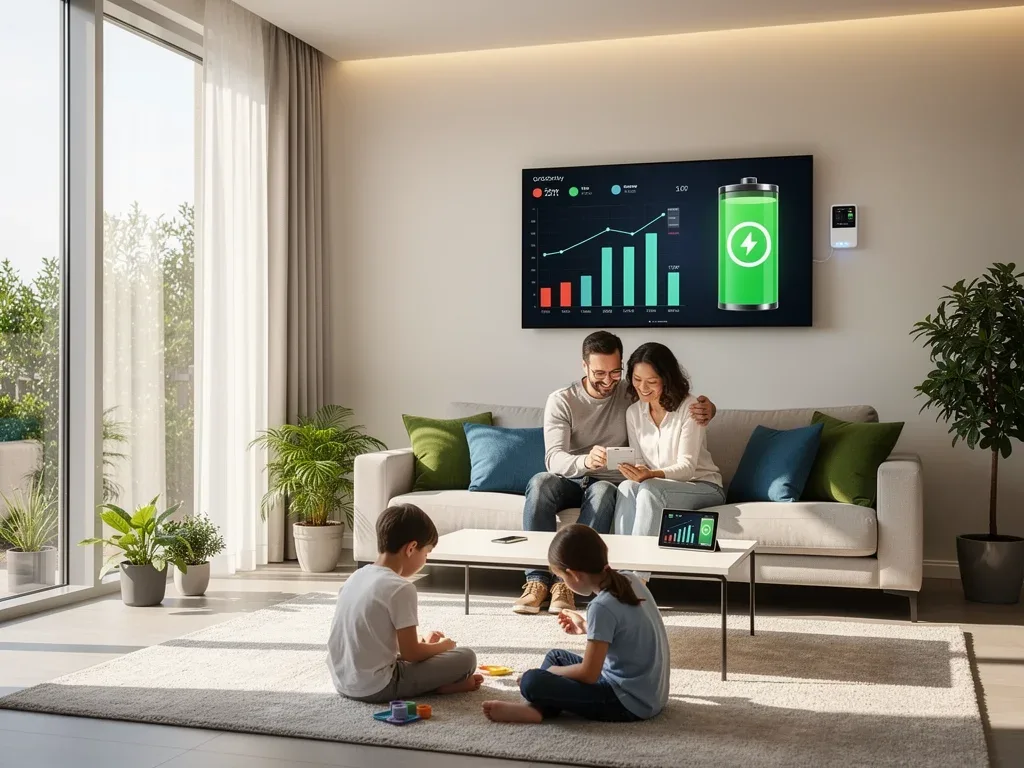
These policy developments are crucial because they move beyond simply subsidizing technology to fundamentally integrating residential energy storage into the broader energy ecosystem. They recognize that distributed resources can collectively contribute to a more stable, efficient, and resilient grid. This shift from viewing homeowners as mere consumers to active participants in energy management is a testament to the transformative potential of decentralized energy.
As more states and municipalities implement forward-thinking energy policies, the momentum behind micro-battery storage adoption is expected to continue. The alignment of regulatory frameworks with technological advancements and consumer demand creates a powerful synergy that is reshaping the future of residential power in the United States.
Overcoming Challenges and Future Outlook
While the adoption of micro-battery storage systems in US single-family homes is accelerating, several challenges remain that need to be addressed to ensure continued growth and broader accessibility. These challenges range from initial cost barriers and installation complexities to regulatory hurdles and public awareness. However, the trajectory for decentralized energy networks remains overwhelmingly positive, with ongoing innovations and supportive policies expected to mitigate many of these obstacles.
One of the primary challenges is the upfront cost of battery storage systems. Although prices are decreasing, they still represent a significant investment for many households. Further reductions in manufacturing costs, coupled with continued government incentives and innovative financing options, will be critical for expanding market penetration beyond the current 18%. Additionally, the complexity of selecting, sizing, and installing these systems can be a deterrent for some homeowners, highlighting the need for simplified processes and clearer information.
Addressing Key Obstacles
To fully realize the potential of residential battery storage, industry stakeholders and policymakers are actively working to overcome existing barriers.
- Cost Reduction: Continued research and development, along with economies of scale, will drive down battery prices.
- Simplified Installation: Standardized product offerings and streamlined installation protocols will make deployment easier and faster.
- Consumer Education: Clear and accessible information about the benefits, costs, and operational aspects of battery storage is essential to build trust and encourage adoption.
- Grid Integration: Further refinement of grid codes and market mechanisms to fully value and integrate distributed energy resources.
The future outlook for micro-battery storage and decentralized energy networks is exceptionally bright. As technology continues to improve, costs decline, and regulatory environments become more supportive, the benefits of energy independence, resilience, and sustainability will become accessible to an even larger segment of the population. The expansion of electric vehicle (EV) adoption is also likely to create synergies, as many EV owners may seek to integrate their vehicle's battery into their home energy system for bidirectional charging and storage.
Ultimately, the ongoing evolution of these systems will transform the residential energy landscape, creating a more robust, flexible, and environmentally friendly power infrastructure. The current 18% adoption rate is just the beginning of a profound shift towards a future where homes are active participants in a dynamic and distributed energy grid, leading to a more secure and sustainable energy future for all.
| Key Aspect | Brief Description |
|---|---|
| Adoption Rate | 18% of US single-family homes now use micro-battery storage systems. |
| Key Drivers | Energy independence, economic savings, technological advances, and environmental concerns. |
| Benefits | Grid resilience, lower utility bills, reduced carbon footprint, and smart energy management. |
| Future Outlook | Continued growth driven by cost reductions, policy support, and integration with EVs. |
Frequently Asked Questions About Micro-Battery Storage
What are decentralized energy networks?▼Decentralized energy networks refer to energy systems where power generation and storage are distributed across many smaller, localized sources rather than relying solely on large, central power plants. This includes residential solar panels and micro-battery storage systems, which empower individual homes to generate, store, and manage their own electricity, often interacting with the main grid.
Why are US homes adopting micro-battery storage systems?▼US homes are adopting micro-battery storage systems for several key reasons: enhanced energy independence and resilience against grid outages, significant economic savings through optimized energy use and incentives, advancements in battery technology, and a growing commitment to environmental sustainability by maximizing renewable energy consumption and reducing carbon footprints.
How do micro-battery systems provide energy independence?▼Micro-battery systems provide energy independence by storing electricity generated from sources like rooftop solar panels. This stored energy can then power the home during grid outages or when solar production is low, reducing reliance on the centralized utility grid. Homeowners gain control over their power supply, ensuring continuous operation of essential appliances and systems.
What economic benefits do these systems offer?▼Economically, micro-battery storage systems can lead to substantial savings on electricity bills by enabling homeowners to use self-generated power during peak pricing periods. They also benefit from federal tax credits, state rebates, and utility incentives that lower upfront costs. Participation in demand response programs can also create additional revenue opportunities, further enhancing their financial viability.
What is the future outlook for residential battery storage?▼The future outlook for residential battery storage is very positive. Continued technological advancements are expected to further reduce costs and improve performance. Regulatory support and policy frameworks are evolving to better integrate these systems into the grid, fostering the growth of virtual power plants. The synergy with electric vehicle adoption will also accelerate their widespread integration into home energy ecosystems.
Conclusion
The remarkable surge in the adoption of micro-battery storage systems by 18% of US single-family homes underscores a fundamental and irreversible shift in our energy paradigm. This movement towards decentralized energy networks is driven by a powerful combination of factors: the imperative for greater energy independence and resilience against grid failures, compelling economic incentives that promise long-term savings, continuous technological advancements making these systems more efficient and accessible, and a growing collective consciousness around environmental sustainability. As these drivers continue to gain momentum, supported by evolving regulatory frameworks and innovative financing models, the presence of residential battery storage is set to expand even further. This transformation not only empowers individual homeowners with unprecedented control over their energy future but also contributes significantly to building a more robust, distributed, and sustainable national energy infrastructure for generations to come. The era of the proactive energy consumer is here, reshaping our relationship with power, one home at a time.
