Decentralized Microgrid Architectures: Preventing 99% Power Outages
Advertisements
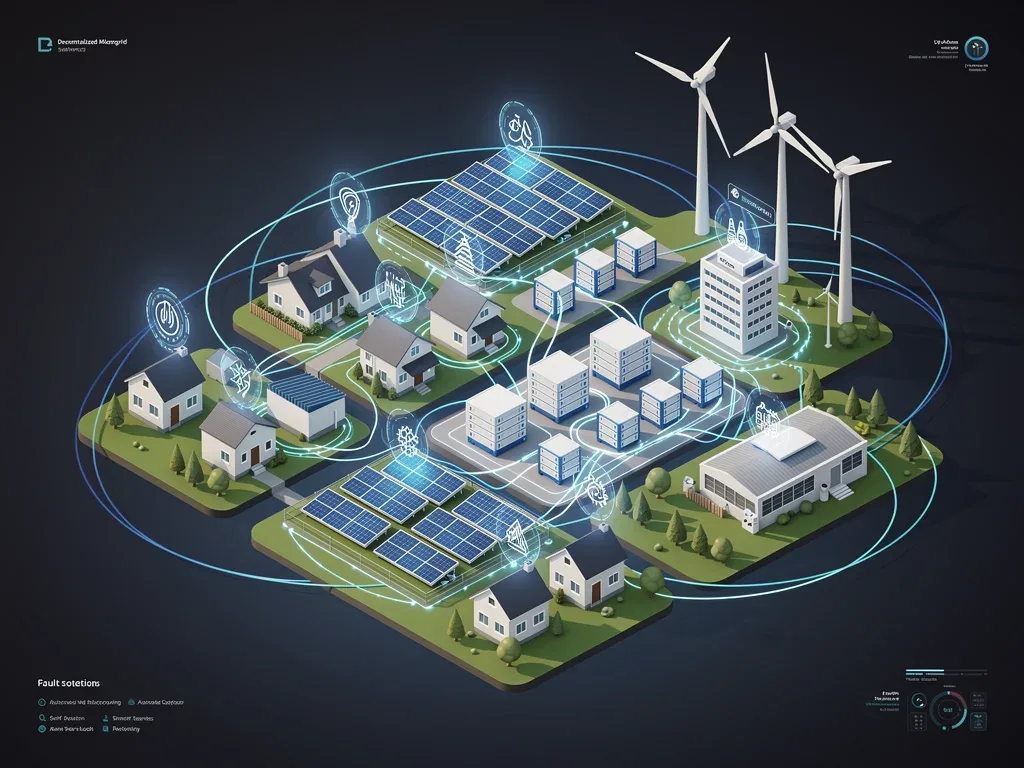
Decentralized microgrid architectures are critical for enhancing energy independence and resilience by implementing self-healing smart grid protocols, aiming to prevent up to 99% of power outages across the United States.
Imagine a future where power outages are a rarity, not an inevitability. This vision is rapidly becoming a reality thanks to advancements in decentralized microgrid architectures. These innovative systems are fundamentally transforming how we generate, distribute, and consume electricity, promising unprecedented levels of reliability and resilience for communities nationwide.
Understanding decentralized microgrid architectures
Decentralized microgrid architectures represent a paradigm shift from traditional, centralized power grids. Instead of relying on a few large power plants transmitting electricity over vast distances, microgrids are smaller, localized energy systems that can operate independently or interconnected with the main grid. This inherent flexibility provides a robust defense against grid failures, offering a more secure and sustainable energy future.
These systems integrate various distributed energy resources (DERs), such as solar panels, wind turbines, and battery storage, along with advanced control systems. The ability to disconnect from the main grid during disturbances, known as 'islanding,' is a core feature, ensuring continuous power supply to critical loads. This autonomy significantly enhances energy security, particularly for essential services like hospitals, emergency response centers, and data facilities.
Key components of modern microgrids
Modern microgrids are complex ecosystems of interconnected technologies. Understanding their core components is essential to appreciating their transformative potential. These elements work in concert to ensure reliable and efficient power delivery.
- Distributed Energy Resources (DERs): These include renewable sources like solar photovoltaic (PV) systems and wind turbines, as well as conventional generators such as natural gas turbines or diesel generators, and increasingly, fuel cells.
- Energy Storage Systems (ESS): Batteries, flywheels, and other storage technologies play a crucial role in balancing supply and demand, storing excess energy, and providing backup power during grid outages.
- Advanced Control Systems: These intelligent systems manage the flow of electricity, optimize resource allocation, and enable seamless transition between grid-connected and islanded modes.
- Load Management Systems: These optimize energy consumption within the microgrid, prioritizing critical loads and shedding non-essential ones during times of constrained supply.
The integration of these components allows microgrids to operate with a high degree of autonomy and efficiency. By strategically locating generation and storage assets closer to the point of consumption, transmission losses are reduced, and overall system efficiency is improved. This localized approach makes the energy infrastructure more resilient to external threats and natural disasters.
The promise of self-healing smart grid protocols
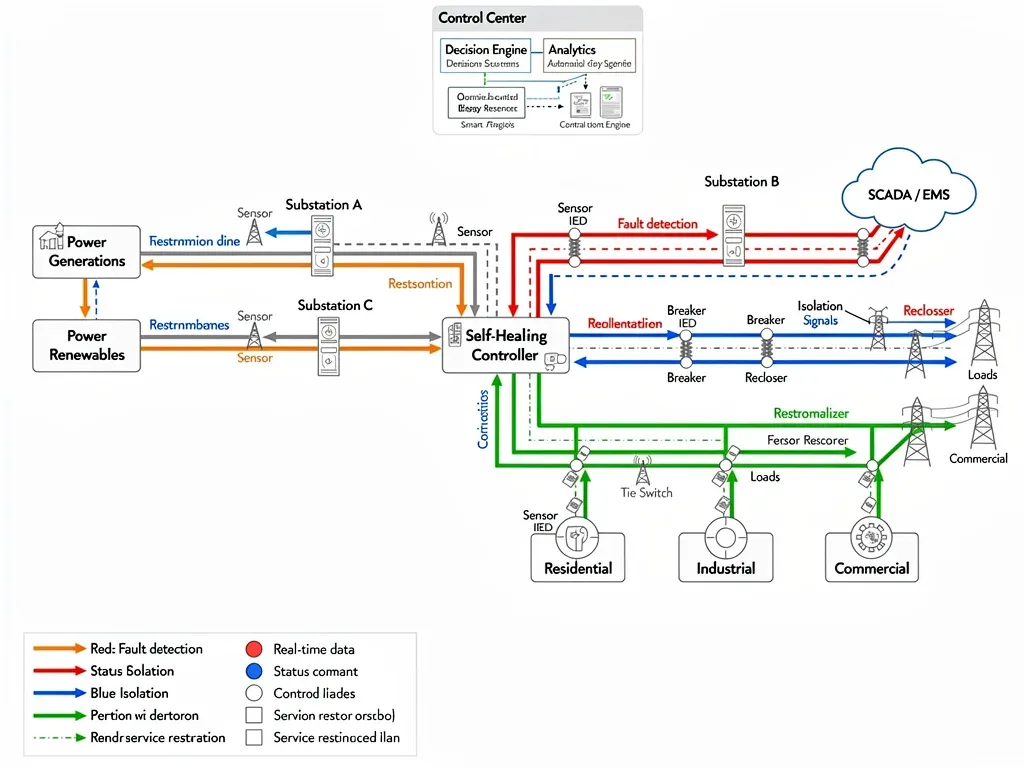
The true power of modern microgrids is unlocked through the implementation of self-healing smart grid protocols. These advanced algorithms and communication technologies enable the grid to automatically detect, isolate, and restore power in the event of a fault, often before human operators are even aware of the issue. This proactive approach is instrumental in achieving the ambitious goal of preventing up to 99% of power outages.
Traditional grids often rely on manual intervention or slower, centralized systems to respond to faults, leading to prolonged outages. Self-healing protocols, however, leverage real-time data from sensors and smart meters, allowing for instantaneous responses. This capability is not just about convenience; it's about safeguarding critical infrastructure and ensuring economic stability.
How self-healing mechanisms work
Self-healing protocols operate through a series of automated steps, designed to minimize disruption and restore service quickly. This automation is a cornerstone of enhanced grid resilience.
- Fault Detection: Sensors distributed throughout the grid continuously monitor electrical parameters, instantly identifying anomalies that indicate a fault, such as a short circuit or equipment malfunction.
- Fault Isolation: Once a fault is detected, automated switches and circuit breakers quickly isolate the affected section of the grid, preventing the problem from cascading and affecting a wider area.
- Service Restoration: After isolation, the system intelligently reroutes power from alternative sources, leveraging distributed generation and storage to restore electricity to unaffected areas or even the isolated section if feasible.
These mechanisms are continuously refined through machine learning and artificial intelligence, allowing the grid to learn from past incidents and improve its response capabilities over time. The integration of advanced analytics provides predictive insights, further strengthening the grid's ability to prevent and mitigate disruptions. The result is a more dynamic and responsive energy infrastructure, capable of adapting to unforeseen challenges.
Benefits of decentralized microgrids for energy resilience
The adoption of decentralized microgrid architectures offers a multitude of benefits, particularly in enhancing energy resilience. In an era of increasing climate volatility and cyber threats, a robust and adaptable energy infrastructure is no longer a luxury but a necessity. These systems provide a localized shield against widespread grid failures.
By reducing reliance on a single, vulnerable central grid, microgrids distribute risk and provide localized backup power. This distributed approach means that even if a major event takes down a portion of the main grid, critical services within the microgrid's operational area can remain online. This capability is invaluable for maintaining public safety and economic continuity during emergencies.
Economic and environmental advantages
Beyond resilience, decentralized microgrids offer significant economic and environmental advantages. These benefits contribute to a more sustainable and cost-effective energy future.
- Reduced Transmission Losses: Generating electricity closer to the point of consumption minimizes energy loss during transmission and distribution, leading to greater overall efficiency.
- Integration of Renewables: Microgrids are ideal platforms for integrating high levels of intermittent renewable energy sources, such as solar and wind, helping to decarbonize the energy sector.
- Peak Shaving and Demand Response: By managing local generation and storage, microgrids can reduce peak demand on the main grid, lowering energy costs and improving grid stability.
The economic benefits extend to local communities, fostering job creation in renewable energy installation and maintenance. Furthermore, the environmental impact is significantly reduced through decreased reliance on fossil fuels and lower greenhouse gas emissions. This holistic approach makes decentralized microgrids a cornerstone of future energy policy.
Challenges in implementing self-healing protocols
While the promise of self-healing smart grid protocols is immense, their widespread implementation faces several challenges. These hurdles range from technological complexities to regulatory and financial considerations that require careful navigation. Overcoming these obstacles is crucial for realizing the full potential of these advanced systems.
The integration of diverse legacy systems with new digital technologies presents a significant technical challenge. Ensuring seamless communication and interoperability between different components from various manufacturers requires standardized protocols and robust cybersecurity measures. Without these, the self-healing capabilities could be compromised, or even exploited.
Overcoming technical and regulatory hurdles
Addressing these challenges requires a multi-faceted approach, involving technological innovation, policy reform, and collaborative efforts across the industry.
- Interoperability Standards: Developing and enforcing common standards for communication and data exchange between different microgrid components and the main grid is essential for seamless operation.
- Cybersecurity: Protecting these interconnected systems from cyber threats is paramount. Robust security protocols, intrusion detection systems, and regular vulnerability assessments are critical.
- Regulatory Frameworks: Existing regulations often favor traditional centralized grids. New policies are needed to facilitate microgrid development, streamline permitting processes, and establish fair compensation mechanisms for grid services.
Financial incentives and clear regulatory pathways can accelerate adoption, encouraging investment in these advanced technologies. Furthermore, public-private partnerships can help bridge funding gaps and share expertise, driving innovation and deployment. A collaborative ecosystem is vital for addressing the multifaceted challenges of modernizing the grid.
Case studies: successful decentralized microgrid implementations
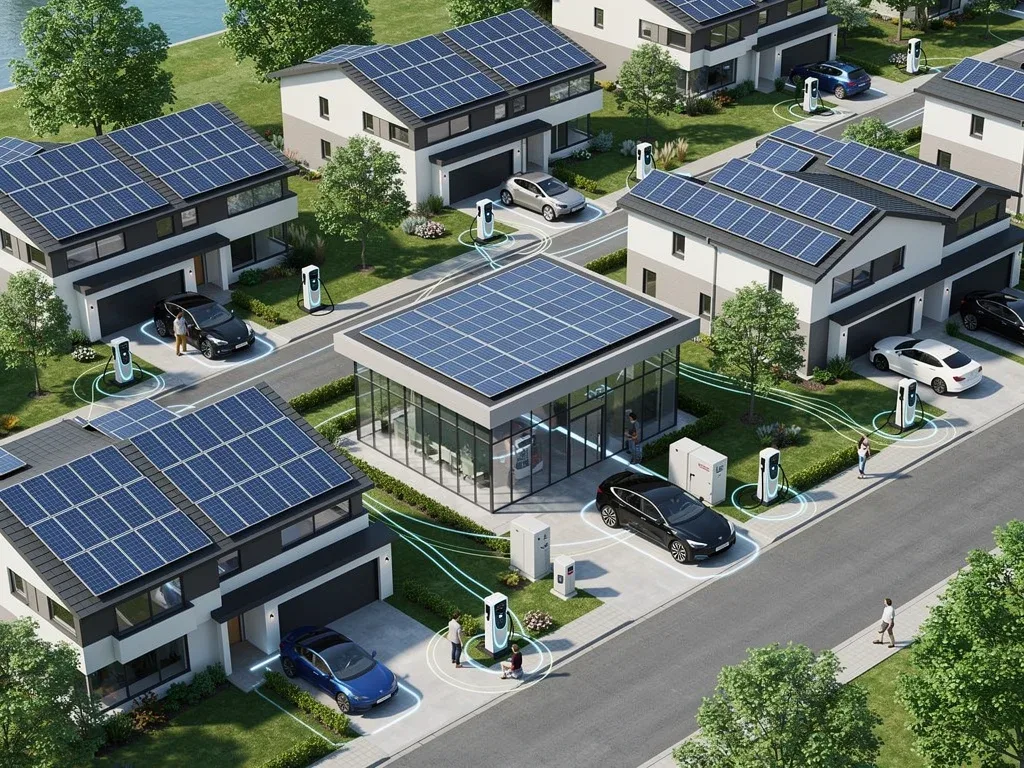
Across the United States, numerous successful implementations of decentralized microgrid architectures are demonstrating their tangible benefits. These real-world examples serve as powerful testaments to the efficacy of these systems in enhancing energy resilience and promoting sustainability. From military bases to university campuses and entire communities, microgrids are proving their value.
These projects showcase how diverse energy sources, coupled with intelligent control, can provide reliable power even when the main grid experiences disruptions. They highlight the adaptability of microgrids to various environments and their capacity to meet specific energy needs, whether for critical infrastructure or everyday community life.
Notable examples of resilient energy solutions
Examining specific case studies provides valuable insights into the practical application and benefits of decentralized microgrids. These examples illustrate the diverse contexts in which microgrids are making a significant impact.
- Blue Lake Rancheria Tribe, California: This tribal nation implemented a microgrid featuring solar PV, battery storage, and a diesel generator, providing energy independence and resilience. It can island from the grid and power essential facilities during outages, saving significant costs and ensuring continuity.
- University of California, San Diego (UCSD): UCSD boasts one of the most advanced campus microgrids in the US, integrating natural gas, solar PV, and fuel cells. It supplies 85% of the campus's electricity needs and can operate independently for extended periods, serving as a model for institutional energy resilience.
- Military Bases: Several US military bases have deployed microgrids to ensure energy security for critical operations, recognizing that a reliable power supply is essential for national security. These microgrids often incorporate a mix of renewable and conventional generation.
These examples underscore the versatility and robustness of decentralized microgrid solutions. They demonstrate how tailored approaches, considering local resources and specific requirements, can lead to highly effective and resilient energy systems. The lessons learned from these projects are invaluable for future deployments and broader grid modernization efforts.
The future of power: smart grids and 99% outage prevention
The trajectory of energy infrastructure development points towards a future dominated by smart grids and highly resilient, self-healing systems. The ultimate goal of preventing 99% of power outages, while ambitious, is becoming increasingly attainable through the continued evolution and widespread adoption of decentralized microgrid architectures and advanced protocols. This future promises not only reliability but also sustainability and economic efficiency.
The ongoing research and development in areas such as artificial intelligence, machine learning, and advanced sensor technologies are continuously enhancing the capabilities of self-healing grids. These innovations enable more precise fault prediction, faster response times, and more intelligent resource management. The grid of tomorrow will be a dynamic, adaptive entity, far removed from the static infrastructure of the past.
Policy and technological advancements driving change
A combination of forward-thinking policies and rapid technological advancements is accelerating this transformation, paving the way for a more resilient and sustainable energy landscape.
- Government Initiatives: Federal and state governments are increasingly investing in smart grid technologies and microgrid development through grants, tax incentives, and regulatory support, recognizing their importance for national security and economic stability.
- Technological Convergence: The convergence of information technology, operational technology, and renewable energy technologies is creating powerful new solutions for grid management and optimization.
- Consumer Empowerment: Smart meters and demand-side management programs are empowering consumers to become active participants in energy management, contributing to overall grid stability and efficiency.
The collaborative efforts of policymakers, industry leaders, and researchers are crucial in overcoming remaining hurdles and accelerating the deployment of these transformative technologies. As these advancements continue, the vision of a highly resilient, virtually outage-free power grid moves closer to reality, promising a more secure and sustainable energy future for all.
| Key Point | Brief Description |
|---|---|
| Decentralized Microgrids | Localized energy systems operating independently or connected to the main grid, integrating various distributed energy resources. |
| Self-Healing Protocols | Automated systems that detect, isolate, and restore power during faults, significantly reducing outage durations. |
| Energy Resilience | Ability of the grid to withstand and recover from disruptions, ensuring continuous power supply for critical services. |
| Outage Prevention Goal | Aim to prevent up to 99% of power outages through advanced microgrid and smart grid technologies. |
Frequently asked questions about decentralized microgrids
What is a decentralized microgrid architecture?▼A decentralized microgrid architecture is a localized energy system that can operate independently from the main grid. It integrates diverse energy sources like solar, wind, and batteries, managed by intelligent controls to provide reliable power to a specific area or community, enhancing energy resilience.
How do self-healing smart grid protocols prevent outages?▼Self-healing protocols use sensors and automated systems to detect faults, isolate the affected section of the grid, and reroute power from alternative sources, often instantaneously. This minimizes the impact of disruptions and restores service much faster than traditional grid responses, preventing widespread outages.
What are the main benefits of microgrids?▼Microgrids offer enhanced energy resilience by providing backup power during main grid failures, reducing transmission losses, facilitating the integration of renewable energy sources, and enabling demand response. They contribute to greater energy independence, sustainability, and economic stability for communities.
What challenges exist in microgrid implementation?▼Challenges include ensuring interoperability between diverse technologies, robust cybersecurity protection, and adapting outdated regulatory frameworks. Financial investment and technical expertise are also crucial. Overcoming these requires collaboration between industry, government, and research institutions to establish standards and supportive policies.
Can microgrids really prevent 99% of power outages?▼While an ambitious goal, the integration of decentralized microgrid architectures with advanced self-healing smart grid protocols significantly reduces the likelihood and duration of outages. By localizing power generation and enabling rapid, automated responses to faults, the potential to prevent a vast majority of power disruptions is indeed within reach.
Conclusion
The journey towards a future free from frequent power outages is being paved by the revolutionary advancements in decentralized microgrid architectures and self-healing smart grid protocols. These sophisticated systems are not merely incremental improvements but represent a fundamental transformation of our energy infrastructure. By empowering local communities with resilient, sustainable, and intelligent power solutions, we are moving closer to an era where electricity is consistently available, even in the face of unforeseen challenges. The ongoing commitment to innovation, strategic investment, and collaborative policy development will ensure that the vision of preventing 99% of power outages becomes a widespread reality, benefiting all citizens and safeguarding critical services across the United States.
