Federal Clean Energy Rebate Program Offers 30% Direct Credits
Advertisements
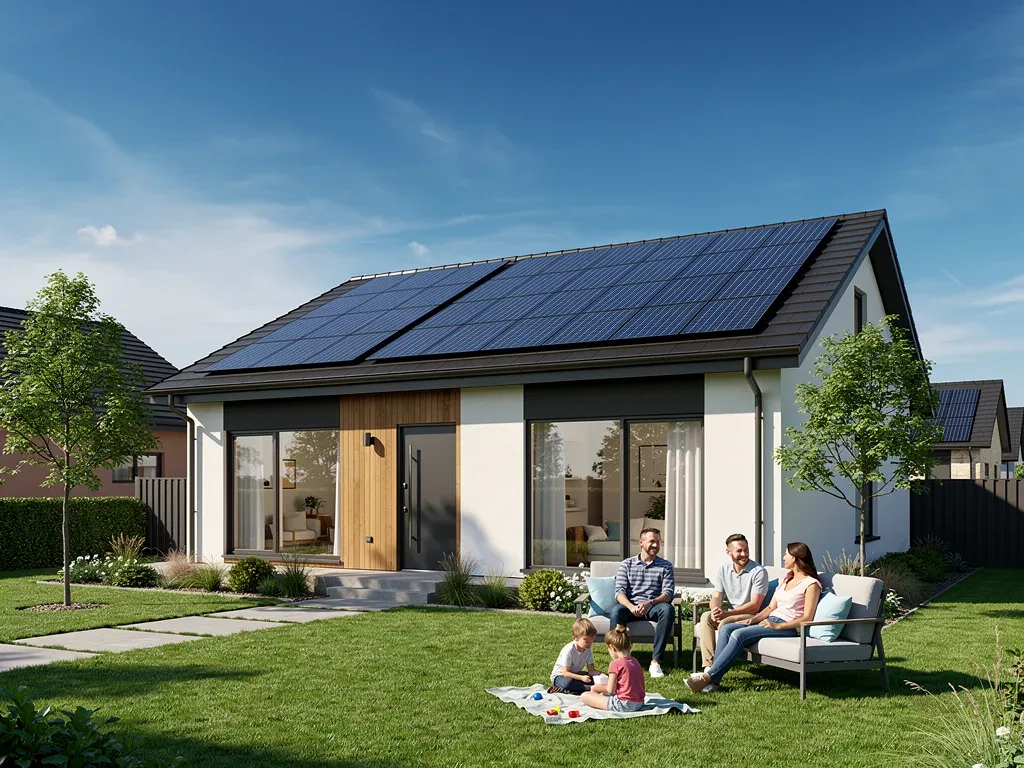
The expanded Federal Clean Energy Rebate program now offers homeowners up to 30% in direct credits for various energy-efficient upgrades, making sustainable living more accessible and affordable across the United States.
The landscape of home energy efficiency is undergoing a transformative shift, with the Federal Clean Energy Rebate Program Expands with Up to 30% Direct Credits for Homeowners, presenting an unprecedented opportunity for individuals to invest in sustainable solutions. This significant expansion not only aims to reduce carbon footprints but also offers substantial financial incentives, making eco-friendly home upgrades more attainable than ever before. For many, this translates into tangible savings and a more resilient future.
Understanding the Federal Clean Energy Rebate Program
The Federal Clean Energy Rebate Program has been significantly enhanced to encourage homeowners across the United States to adopt cleaner, more energy-efficient technologies. This initiative is a cornerstone of the nation's strategy to combat climate change and reduce reliance on fossil fuels, directly benefiting individual households and the broader economy.
Initially, navigating federal incentives could be complex, often involving tax credits that required careful planning with tax professionals. However, the recent expansion simplifies this process by introducing direct credits, which can be applied directly at the point of sale or as an immediate reduction in project costs. This change is designed to remove barriers and accelerate the adoption of clean energy solutions.
Key Components of the Expanded Program
- Direct Credits: Homeowners can now receive up to 30% of the cost of eligible clean energy improvements as direct credits, significantly lowering upfront expenses.
- Broader Eligibility: The program has expanded its scope to include a wider range of technologies and income levels, ensuring more families can participate.
- Simplified Application: Efforts have been made to streamline the application process, making it easier for homeowners to access the benefits without extensive paperwork.
This comprehensive approach ensures that both new installations and upgrades to existing systems are covered, providing a flexible framework for homeowners to choose the best solutions for their properties. The program's design emphasizes long-term savings through reduced energy bills, alongside the immediate financial relief provided by the credits.
Understanding these fundamental changes is crucial for any homeowner considering energy efficiency upgrades. The program is not just about environmental stewardship; it's also about empowering individuals to make economically sound decisions that enhance their quality of life and property value.
Eligibility and How to Qualify for Direct Credits
Navigating the eligibility requirements for the expanded Federal Clean Energy Rebate program is a crucial first step for homeowners seeking to capitalize on these new direct credits. The program is designed to be inclusive, but specific criteria must be met to ensure that the investments align with federal objectives for energy efficiency and environmental impact.
Generally, the direct credits are available to homeowners who undertake eligible improvements on their primary residences. This includes a broad spectrum of projects, from installing solar panels to upgrading insulation and purchasing energy-efficient appliances. The focus is on verifiable improvements that lead to a measurable reduction in energy consumption or a shift towards renewable energy sources.
Income Thresholds and Property Types
While the program aims for broad accessibility, there might be certain income thresholds or property type restrictions that could influence the exact percentage of the credit or the maximum credit amount. It's essential for homeowners to consult the official program guidelines or a qualified energy auditor to determine their specific eligibility.
- Primary Residence: Most credits are specifically for improvements made to a homeowner's primary residence, although some exceptions may apply for secondary homes or rental properties under specific conditions.
- Income Levels: While many aspects of the program are universally available, some enhanced benefits or specific rebate programs might be tiered based on household income to support lower and middle-income families more effectively.
- Property Location: Eligibility typically applies across all states and territories of the United States, but local incentives can often be stacked with federal credits, further enhancing the financial benefits.
The process often involves obtaining an energy audit to identify the most impactful upgrades, followed by selecting certified contractors and eligible products. Documentation of expenses and adherence to specific standards are vital for claiming the direct credits successfully. This structured approach helps ensure that the investments genuinely contribute to energy savings and environmental goals.
Understanding these qualification parameters is fundamental. Homeowners should proactively gather information and, if necessary, seek professional advice to maximize their benefits from the Federal Clean Energy Rebate program.
Eligible Home Improvements and Technologies
The expanded Federal Clean Energy Rebate program covers a wide array of home improvements and technologies, reflecting a comprehensive approach to energy efficiency and renewable energy adoption. This broad scope ensures that homeowners have multiple avenues to reduce their energy consumption and carbon footprint while benefiting from significant financial incentives.
From foundational structural upgrades to advanced renewable energy systems, the program aims to support a holistic transformation of residential energy use. This includes both passive and active systems that contribute to a more sustainable and cost-effective home environment.
Key Categories of Eligible Upgrades
The eligible improvements generally fall into several key categories, each designed to address different aspects of home energy performance:
- Renewable Energy Systems: This is a major focus, including the installation of solar panels (photovoltaic systems), wind turbines, and geothermal heat pumps. These systems directly generate clean energy, significantly reducing or eliminating reliance on traditional power grids.
- Energy-Efficient HVAC Systems: Upgrading to high-efficiency heating, ventilation, and air conditioning systems, such as heat pumps, central air conditioners, and furnaces, can drastically cut energy use for climate control.
- Insulation and Weatherization: Improvements like adding insulation to attics, walls, and floors, as well as sealing air leaks around windows and doors, are crucial for maintaining comfortable indoor temperatures and reducing energy waste.
- Energy-Efficient Water Heaters: Installing tankless water heaters or heat pump water heaters can lead to substantial savings on hot water production, a significant energy consumer in most homes.
- Smart Home Technology: Certain smart thermostats and energy management systems that optimize energy use can also be eligible, contributing to overall household efficiency.
Beyond these primary categories, specific windows, doors, and roofing materials designed for superior energy performance may also qualify. The overarching goal is to incentivize investments that provide long-term energy savings and environmental benefits.
Homeowners should research the specific product requirements and certifications to ensure their chosen upgrades meet the program's standards. Consulting with certified contractors who are familiar with the federal guidelines can streamline this process and ensure compliance.
The Financial Benefits: Up to 30% Direct Credits
One of the most compelling aspects of the expanded Federal Clean Energy Rebate Program is the direct financial incentive it offers: up to 30% in direct credits. This significant percentage can translate into thousands of dollars in savings, making otherwise costly energy-efficient upgrades much more accessible and appealing to homeowners.
Unlike traditional tax credits that might require homeowners to wait until tax season to realize their savings, direct credits can often be applied at the point of sale or as an immediate reduction in the project's total cost. This immediate financial relief is a game-changer for many families, removing a significant barrier to investing in sustainable home improvements.
Maximizing Your Savings with Direct Credits
To fully leverage the up to 30% direct credit, homeowners should understand how these credits are calculated and applied. The credit is typically a percentage of the total cost of the eligible improvement, including both materials and installation. However, there may be caps on the maximum credit amount for certain types of upgrades.
- Upfront Cost Reduction: The direct nature of these credits means that homeowners can see an immediate reduction in the price of their clean energy installations, easing the financial burden.
- Stacking Opportunities: In many cases, federal direct credits can be combined with state, local, and utility company rebates or incentives, further amplifying the financial benefits and potentially covering a substantial portion of the project cost.
- Long-Term Energy Savings: Beyond the initial credit, the energy-efficient upgrades lead to reduced utility bills over the lifespan of the equipment, providing continuous financial returns on the investment.
For example, a homeowner installing a $20,000 solar panel system could see an immediate reduction of up to $6,000, bringing the net cost down to $14,000. When combined with potential state incentives, the out-of-pocket expense could be even lower.
It is advisable for homeowners to engage with contractors and suppliers who are knowledgeable about the program to ensure that all eligible costs are factored into the credit calculation and that the application process is handled correctly. This proactive approach ensures that homeowners maximize their financial benefits from the Federal Clean Energy Rebate Program.
Impact on Homeowners and the Environment
The expansion of the Federal Clean Energy Rebate program carries profound implications for both individual homeowners and the broader environmental landscape. By making sustainable home improvements more financially accessible, the program is poised to accelerate the transition to a cleaner energy economy, delivering tangible benefits across multiple fronts.
For homeowners, the immediate impact is a significant reduction in the cost of adopting energy-efficient technologies, leading to lower utility bills and increased property value. Beyond the individual household, the collective action spurred by these incentives contributes to national energy independence and a healthier planet.
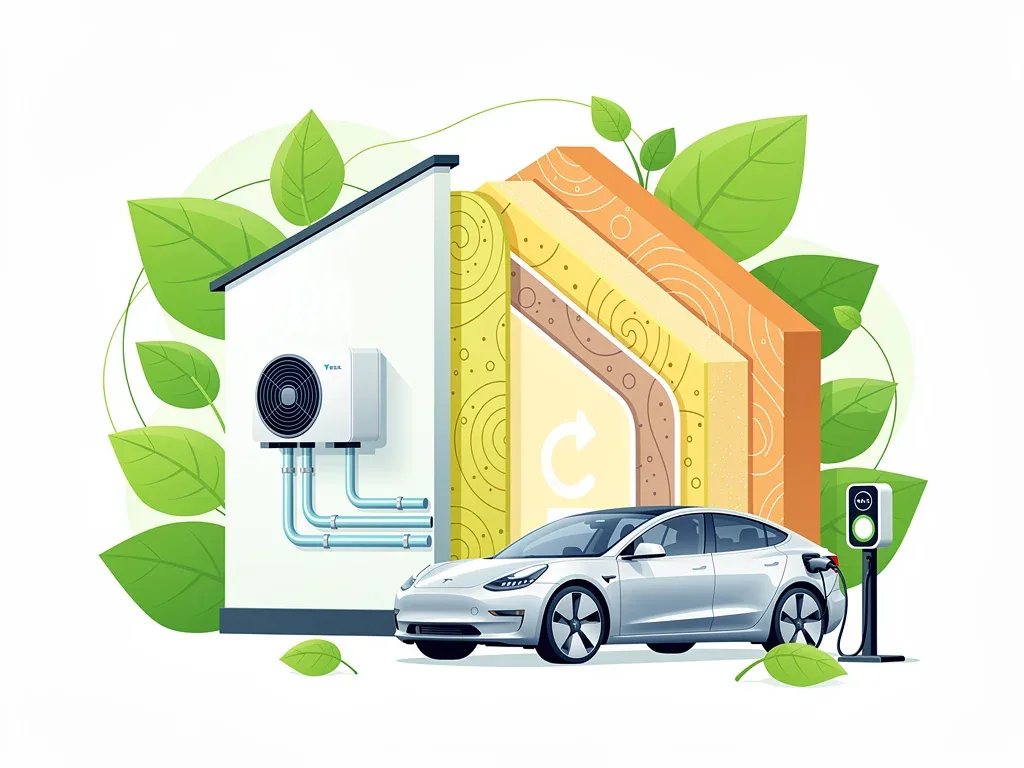
Driving Sustainability and Economic Growth
The program's focus on direct credits simplifies the financial aspect of going green, encouraging a wider demographic of homeowners to participate. This widespread adoption has a ripple effect:
- Reduced Carbon Emissions: A primary environmental benefit is the significant reduction in greenhouse gas emissions as more homes switch to renewable energy sources and improve their energy efficiency.
- Enhanced Energy Security: By reducing reliance on imported fossil fuels, the nation enhances its energy security and resilience against global energy market fluctuations.
- Job Creation: The increased demand for clean energy technologies and installations stimulates job growth in manufacturing, installation, and maintenance sectors, fostering economic development.
- Improved Air Quality: Less reliance on fossil fuels for energy generation leads to cleaner air, improving public health outcomes, especially in urban areas.
Furthermore, homeowners gain greater control over their energy consumption, becoming less vulnerable to rising energy prices. The value of their homes often increases due to these modern, efficient upgrades, offering a return on investment that extends beyond mere energy savings.
The Federal Clean Energy Rebate Program is more than just a financial incentive; it's an investment in a sustainable future, empowering homeowners to be active participants in addressing climate change while enjoying considerable personal benefits. This dual impact underscores the program's importance in national policy and individual decision-making.
Future Outlook and Program Evolution
The Federal Clean Energy Rebate Program, with its expanded direct credits for homeowners, represents a dynamic and evolving commitment to sustainability and energy independence. As technology advances and policy goals shift, the program is likely to continue adapting, offering new opportunities and refinements to better serve its objectives and the needs of American households.
The current expansion is a clear indicator of a long-term vision, aiming to embed clean energy practices deeply within the residential sector. Future iterations could see even more streamlined processes, broader eligibility, or specialized incentives for emerging technologies.
Anticipated Changes and Long-Term Goals
Stakeholders, including policymakers, environmental advocates, and industry experts, are continuously evaluating the program's effectiveness and identifying areas for improvement. This ongoing assessment suggests several potential directions for its evolution:
- Increased Funding and Scope: As the program demonstrates success, there may be calls for increased funding and an expansion of eligible technologies to include even newer innovations.
- Targeted Incentives: Future versions might introduce more targeted incentives for specific demographics or geographic areas, addressing unique energy challenges or promoting equity in access to clean energy.
- Enhanced Digital Platforms: The application and verification processes could become even more digitized, leveraging technology to make participation seamless and efficient for homeowners and contractors alike.
- Integration with Grid Modernization: There's potential for greater integration with broader grid modernization efforts, where home energy systems contribute to overall grid stability and efficiency, potentially unlocking new forms of compensation for homeowners.
The long-term goal remains clear: to transition the United States to a clean energy economy, significantly reduce carbon emissions, and create a more resilient energy infrastructure. The success of the current program will undoubtedly influence future policy decisions and the scale of federal investment in residential clean energy.
Homeowners should stay informed about program updates and legislative changes, as these could present new opportunities or alter existing benefits. Engaging with energy professionals and staying connected to reliable information sources will be key to maximizing future participation in the Federal Clean Energy Rebate Program.
| Key Aspect | Brief Description |
|---|---|
| Direct Credits | Up to 30% of eligible costs directly reduce project expenses, unlike traditional tax credits. |
| Eligible Upgrades | Covers solar panels, heat pumps, insulation, energy-efficient water heaters, and more. |
| Homeowner Benefits | Reduced utility bills, increased property value, and immediate financial relief. |
| Environmental Impact | Contributes to lower carbon emissions and enhanced national energy security. |
Frequently Asked Questions About Clean Energy Rebates
What is the maximum direct credit a homeowner can receive?▼The Federal Clean Energy Rebate Program offers up to 30% direct credits on eligible home improvements. While the percentage is fixed, there may be specific dollar caps for certain types of upgrades or annual limits, so it's best to check official guidelines for detailed figures.
Are all types of energy-efficient upgrades eligible for the 30% credit?▼No, not all energy-efficient upgrades qualify for the 30% direct credit. The program specifies a list of eligible improvements, including solar panels, heat pumps, certain insulation types, and energy-efficient water heaters. Always verify if your planned upgrade is on the official list.
Can I combine federal direct credits with state or local incentives?▼Yes, in many cases, federal direct credits can be stacked with state, local, and even utility company rebates or incentives. This can significantly increase your overall savings, making clean energy upgrades even more affordable. It's crucial to research all available programs in your area.
How do direct credits differ from traditional tax credits?▼Direct credits typically reduce the upfront cost of your eligible clean energy project, often applied at the point of sale. In contrast, traditional tax credits are claimed when you file your annual tax return, providing a reduction in your tax liability rather than an immediate discount.
What documentation is required to claim the direct credits?▼While the process is streamlined, you will generally need documentation such as proof of purchase, installation invoices, and possibly certification details for eligible products or contractors. Specific requirements can vary, so consult the official program guidelines or your contractor.
Conclusion
The expansion of the Federal Clean Energy Rebate Program, offering up to 30% direct credits for homeowners, marks a pivotal moment in the nation's journey towards a sustainable future. This initiative not only provides substantial financial relief, making energy-efficient upgrades more accessible, but also empowers individuals to actively contribute to environmental protection and energy independence. By fostering widespread adoption of clean energy technologies, the program is set to create lasting positive impacts on household budgets, property values, and the overall health of our planet. Homeowners are encouraged to explore these opportunities, transforming their residences into beacons of sustainability while reaping significant economic benefits.
