Instant Settlement Era: 50% Consumer Adoption by 2026
Advertisements
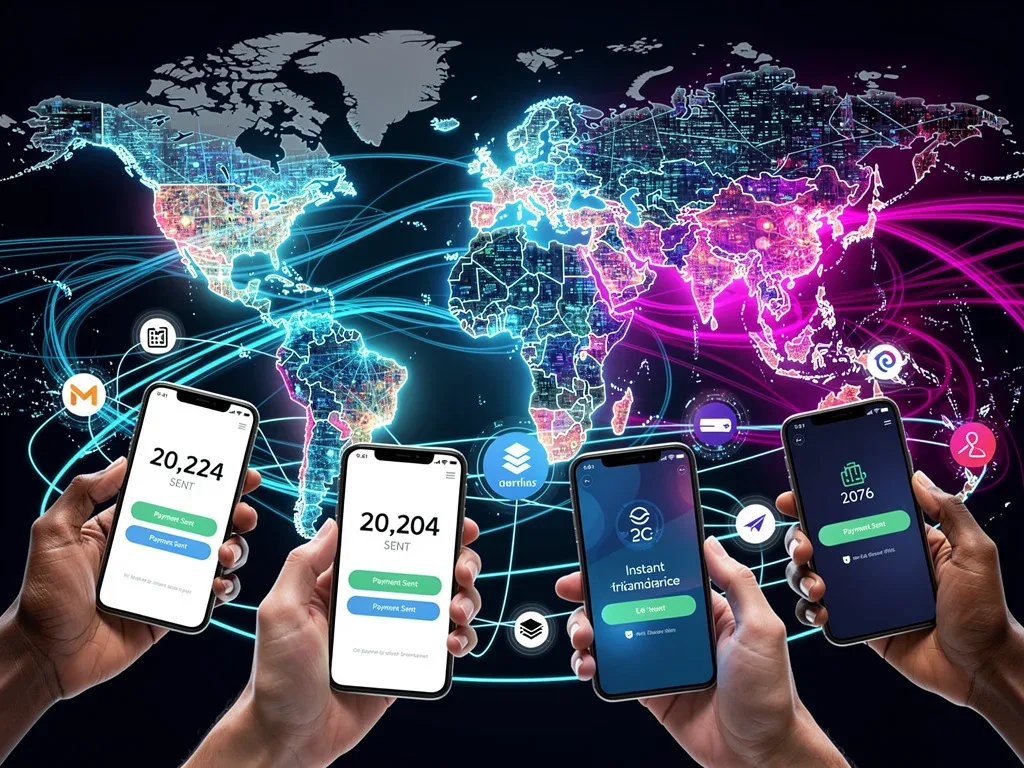
By 2026, the instant settlement era, characterized by real-time digital payment rails, achieved a significant milestone with 50% consumer adoption, transforming financial transactions and setting new standards for speed and efficiency.
Imagine a world where money moves as fast as information. By 2026, this vision became a reality, as the instant settlement era reached a remarkable 50% consumer adoption. This shift didn't just alter how we pay; it redefined financial interactions across the United States. Join us as we delve into the monumental journey of real-time digital rails and their profound impact on daily life.
Understanding the Instant Settlement Revolution
The instant settlement revolution refers to the widespread implementation and acceptance of payment systems that process and confirm transactions in real-time, 24/7, 365 days a year. Unlike traditional payment methods that often involve delays of hours or even days, instant settlement ensures funds are available almost immediately. This fundamental change has far-reaching implications for individuals, businesses, and the broader economy.
Before 2026, many consumers were accustomed to waiting for checks to clear or for bank transfers to process overnight. The move to instant settlement eliminates these friction points, providing unprecedented speed and convenience. This transformation was not an overnight success but the culmination of years of technological advancement, regulatory support, and changing consumer expectations.
The Core Mechanics of Real-Time Payments
Real-time payment systems operate on dedicated digital rails that facilitate immediate fund transfers between accounts. These rails are built on modern infrastructure designed for speed and security, often employing advanced encryption and fraud detection technologies.
- Immediate Availability: Funds are credited to the recipient's account within seconds.
- 24/7/365 Operation: Transactions can be initiated and completed at any time, including weekends and holidays.
- Irrevocability: Once initiated and confirmed, instant payments are generally final, reducing the risk of chargebacks.
- Data-Rich Payments: Ability to include more remittance information with payments, simplifying reconciliation for businesses.
The underlying technology often involves direct connections between participating financial institutions, bypassing traditional batch processing cycles. This architectural shift has been crucial in enabling the speed and reliability that define the instant settlement era.
The benefits extend beyond mere speed. Enhanced transparency, reduced operational costs for businesses, and improved cash flow management are just a few of the advantages that have driven this widespread adoption. Understanding these mechanics is key to appreciating the societal shift that has taken place.
Drivers Behind 50% Consumer Adoption by 2026
Achieving 50% consumer adoption by 2026 for instant settlement wasn't accidental; it was driven by a convergence of technological advancements, evolving consumer demands, and strategic industry initiatives. Several key factors propelled this rapid shift, making real-time digital rails an indispensable part of everyday financial life.
One significant driver was the increasing demand for immediacy in all aspects of life. Consumers, accustomed to instant communication and on-demand services, naturally expected their financial transactions to keep pace. The convenience offered by instant payments resonated deeply with a population that values efficiency and real-time access to funds.
Technological Innovations and Infrastructure Upgrades
The development of robust and secure real-time payment infrastructures was paramount. Central banks and financial institutions invested heavily in upgrading their systems, creating the foundational rails necessary for instant settlements. Initiatives like the Federal Reserve's FedNow Service in the U.S. played a critical role in providing a national infrastructure for instant payments.
- API-driven Connectivity: Enabled seamless integration between banks, fintechs, and businesses.
- Enhanced Security Protocols: Advanced fraud detection and encryption to build consumer trust.
- Cloud-Native Architectures: Provided scalability and resilience for high-volume, 24/7 operations.
These technological leaps not only made instant payments possible but also ensured they were reliable and secure, addressing initial concerns consumers might have had about the speed of transactions. The continuous improvement in user experience through intuitive mobile apps also contributed significantly.
Furthermore, the rise of fintech companies offering innovative payment solutions built on these real-time rails accelerated adoption. These companies often provided user-friendly interfaces and integrated instant payment capabilities into various consumer-facing applications, making it easier for people to experience the benefits firsthand.
Impact on Everyday Financial Life
The widespread adoption of instant settlement has profoundly reshaped the daily financial lives of millions of Americans. From how we pay bills to how we receive our salaries, the speed and efficiency of real-time digital rails have introduced unprecedented convenience and flexibility. This transformation has touched nearly every financial interaction.
No longer do individuals need to worry about checks clearing or waiting for direct deposits to hit their accounts. Emergency payments, splitting bills with friends, or paying contractors for immediate services have all become instantaneous. This has reduced financial stress and improved overall financial management for many households.
Benefits for Consumers and Businesses
For consumers, the benefits are tangible and immediate. Access to funds around the clock means greater control over personal finances and improved cash flow. It empowers individuals to make timely payments, avoid late fees, and manage unexpected expenses more effectively.
- Instant Access to Wages: Employers can offer instant payroll, giving employees immediate access to earned funds.
- Faster Bill Payments: Pay bills at the last minute without incurring late fees or service interruptions.
- Seamless Person-to-Person (P2P) Transfers: Instantly send and receive money from friends and family.
Businesses, too, have reaped significant rewards. Instant payments improve liquidity, reduce reconciliation times, and enhance customer satisfaction. Small businesses, in particular, benefit from immediate access to funds, which can be critical for managing inventory and operational costs.
The ability to send and receive payments instantly has also fostered greater financial inclusion. Individuals who previously relied on costly alternative financial services due to slow payment cycles can now access faster, more affordable options. This has democratized access to efficient financial tools for a broader segment of the population.
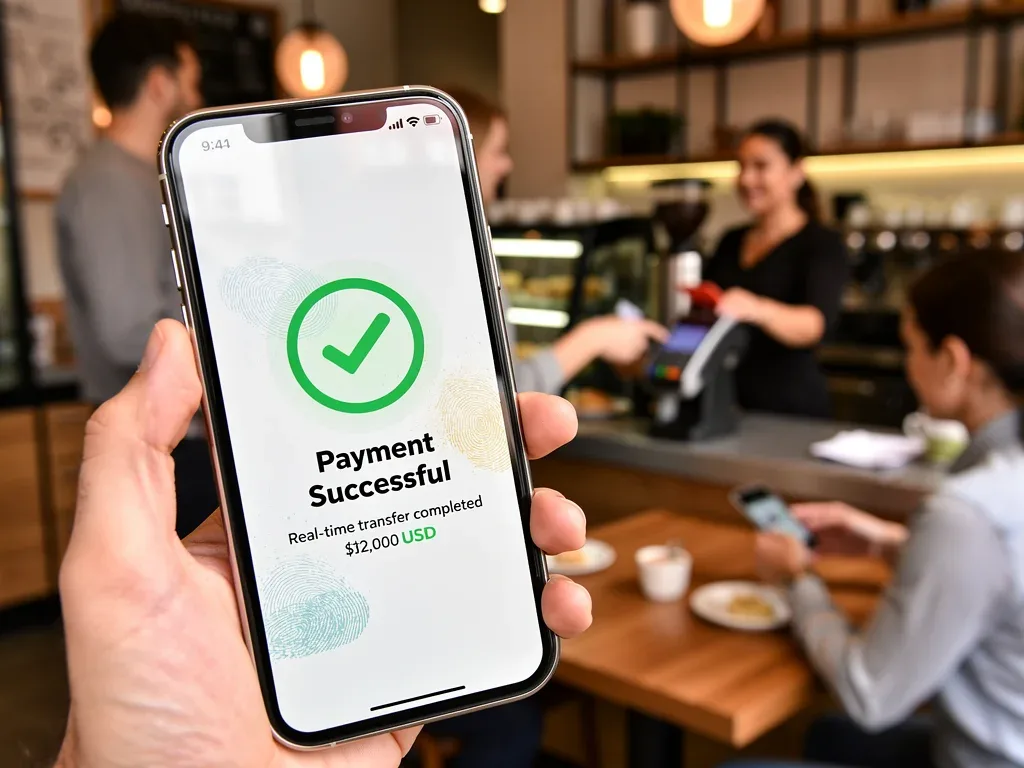
Challenges and Solutions in the Instant Settlement Era
While the instant settlement era brought immense benefits, its rapid expansion to 50% consumer adoption by 2026 was not without challenges. Addressing these hurdles required significant innovation, collaboration across the financial ecosystem, and a commitment to continuous improvement. Ensuring security, interoperability, and consumer education were paramount.
One primary concern was the increased potential for fraud, given the irrevocability of instant payments. Unlike traditional methods where payments could sometimes be reversed, instant transactions offer little recourse once completed. This necessitated robust fraud prevention measures and heightened consumer awareness.
Mitigating Risks and Ensuring Security
Financial institutions and payment providers invested heavily in advanced security technologies to combat fraud in real-time environments. Artificial intelligence and machine learning played a crucial role in detecting suspicious patterns and preventing fraudulent transactions before they could be completed.
- AI-Powered Fraud Detection: Real-time analysis of transaction data to identify and block suspicious activities.
- Multi-Factor Authentication (MFA): Added layers of security to verify user identity for sensitive transactions.
- Consumer Education Campaigns: Informing users about common scams and best practices for secure instant payments.
Interoperability also presented a challenge. For instant payments to truly flourish, different payment systems and financial institutions needed to be able to communicate seamlessly. Standards bodies and industry consortia worked to establish common protocols, ensuring that payments could flow effortlessly across various platforms and banks.
Moreover, the need for robust dispute resolution mechanisms became apparent. While payments are instant and generally irreversible, systems for addressing errors or cases of legitimate fraud were developed to protect consumers and businesses. These solutions were critical in building trust and sustaining adoption rates.
The Role of Regulatory Frameworks and Industry Collaboration
The journey to 50% consumer adoption of instant settlement by 2026 was significantly facilitated by supportive regulatory frameworks and unprecedented industry collaboration. Governments and central banks recognized the transformative potential of real-time payments and acted to create an environment conducive to their growth, while financial players worked together to build a unified ecosystem.
In the United States, the Federal Reserve's initiative to launch the FedNow Service was a game-changer. This new infrastructure provided a foundational layer for instant payments, allowing financial institutions of all sizes to offer real-time services to their customers. This governmental backing provided the necessary impetus for widespread adoption.
Key Regulatory and Industry Contributions
Regulatory bodies often played a dual role: setting clear guidelines for security and consumer protection, while also fostering innovation. This balanced approach helped build confidence in instant payment systems.
- Standardization Efforts: Promoting common messaging formats (e.g., ISO 20022) to ensure interoperability.
- Consumer Protection Laws: Establishing rules for error resolution and liability to safeguard users.
- Industry Partnerships: Collaborations between banks, fintechs, and payment networks to accelerate implementation.
Beyond formal regulations, industry associations and working groups played a vital role in sharing best practices, addressing technical challenges, and developing common solutions. This collaborative spirit was essential in overcoming the complexities of integrating diverse banking systems and ensuring a smooth transition to real-time operations.
The synergy between regulatory guidance and industry-led innovation created a powerful engine for change. It ensured that instant payment systems were not only technologically advanced but also secure, reliable, and accessible to a broad segment of the population, directly contributing to the significant adoption rate observed by 2026.
Future Outlook: Beyond 50% Adoption
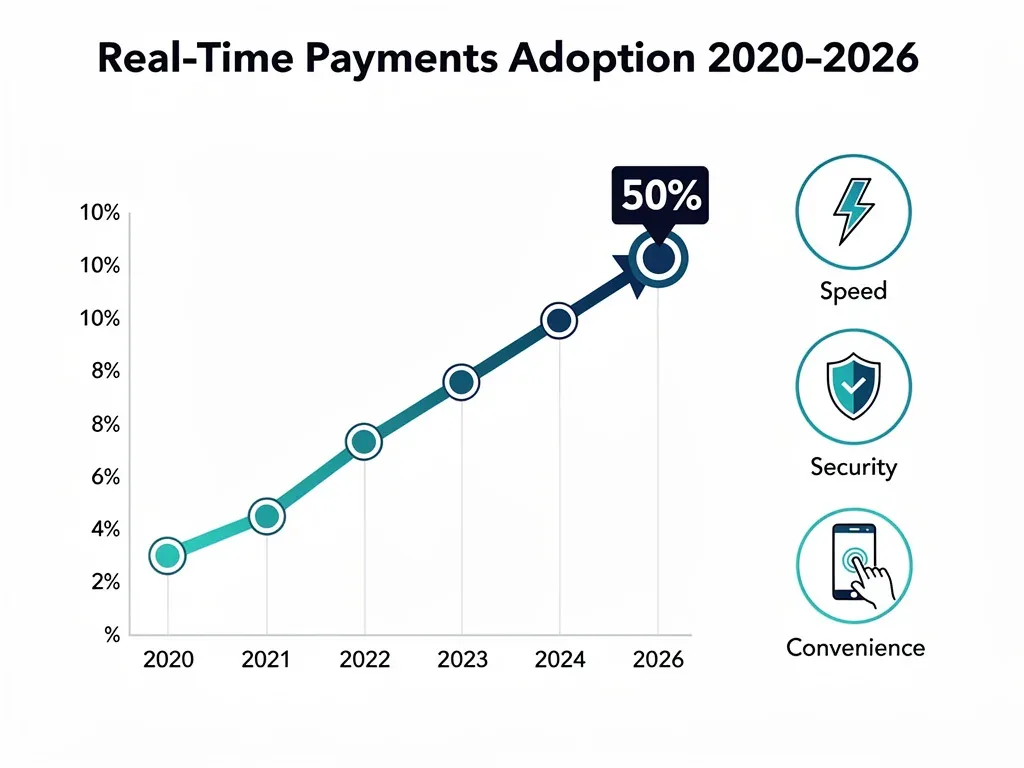
Reaching 50% consumer adoption by 2026 was a monumental achievement for the instant settlement era, but it marks merely a significant milestone, not the finish line. The future promises even greater integration and innovation, pushing real-time digital rails further into the fabric of global commerce and personal finance. The trajectory indicates continued growth and evolution.
As more consumers and businesses become accustomed to the speed and convenience of instant payments, the expectation for real-time transactions will only intensify. This will drive further innovation in areas such as cross-border payments, embedded finance, and new digital currency applications.
Emerging Trends and Potential Innovations
The ecosystem surrounding instant payments is dynamic, with new technologies and applications constantly emerging. The focus will shift from mere transaction speed to enriching the payment experience with additional data and services.
- Cross-Border Instant Payments: Efforts to extend real-time capabilities across international borders, reducing delays and costs.
- Request for Pay (RfP): Enabling payees to send digital requests for payment directly to payers, streamlining invoicing and collections.
- Open Banking Integration: Leveraging real-time rails to power innovative financial services through secure data sharing.
The integration of instant payments with emerging technologies like blockchain and central bank digital currencies (CBDCs) also holds significant potential. These technologies could offer even greater efficiency, security, and programmability for future payment systems, further enhancing the capabilities of real-time rails.
Ultimately, the instant settlement era is not just about faster payments; it's about building a more responsive, efficient, and inclusive financial system. The journey beyond 50% adoption will involve continuous adaptation, innovation, and collaboration to meet the evolving needs of a digitally-driven world, ensuring that instant access to funds becomes a universal expectation rather than a premium service.
| Key Aspect | Brief Description |
|---|---|
| 50% Adoption by 2026 | Instant settlement systems achieved significant consumer adoption, reshaping financial transactions. |
| Drivers of Growth | Technological innovation, consumer demand for immediacy, and regulatory support fueled adoption. |
| Impact on Daily Life | Enhanced financial control, faster payments, and improved cash flow for individuals and businesses. |
| Future Outlook | Continued innovation in cross-border payments, RfP, and integration with emerging technologies. |
Frequently Asked Questions About Instant Settlement
What exactly is instant settlement in finance?▼Instant settlement refers to payment systems that process and confirm financial transactions in real-time, 24/7, 365 days a year. This means funds are made available to the recipient almost immediately after the transaction is initiated, eliminating traditional waiting periods associated with older payment methods.
What factors contributed to 50% consumer adoption by 2026?▼Key factors included significant technological advancements in payment infrastructure, a growing consumer demand for immediate financial services, and supportive regulatory initiatives like the Federal Reserve's FedNow Service. Fintech innovation and improved user experience also played crucial roles in driving this widespread adoption.
How do instant payments benefit everyday consumers?▼Consumers benefit from immediate access to funds, allowing for better personal financial management, avoidance of late fees on bills, and instant person-to-person transfers. It provides greater control and flexibility over money, reducing financial stress and enhancing convenience in daily transactions.
What security measures are in place for instant settlements?▼Instant settlement systems employ robust security measures, including AI-powered fraud detection, multi-factor authentication (MFA), and advanced encryption. Financial institutions also conduct extensive consumer education campaigns to inform users about secure practices and common scams, mitigating risks associated with immediate and irrevocable transactions.
What does the future hold for instant settlement beyond 2026?▼Beyond 2026, the instant settlement era is expected to see further innovation in cross-border payments, Request for Pay (RfP) functionalities, and deeper integration with open banking. There's also potential for synergy with emerging technologies like blockchain and central bank digital currencies (CBDCs), creating an even more efficient global financial system.
Conclusion
The achievement of 50% consumer adoption for instant settlement by 2026 marks a pivotal moment in financial history. This era, driven by technological innovation, evolving consumer demands, and robust regulatory support, has fundamentally transformed how money moves. It has ushered in an age of unprecedented speed, convenience, and control for both individuals and businesses. While challenges such as security and interoperability were addressed through collaborative efforts, the journey continues towards a fully integrated, real-time financial ecosystem. The future promises further advancements, ensuring that instant access to funds and seamless financial interactions become the universal standard, reinforcing the profound impact of real-time digital rails on our modern world.
