US Consumer Spending: 2.8% Growth & Retail Resilience
Advertisements
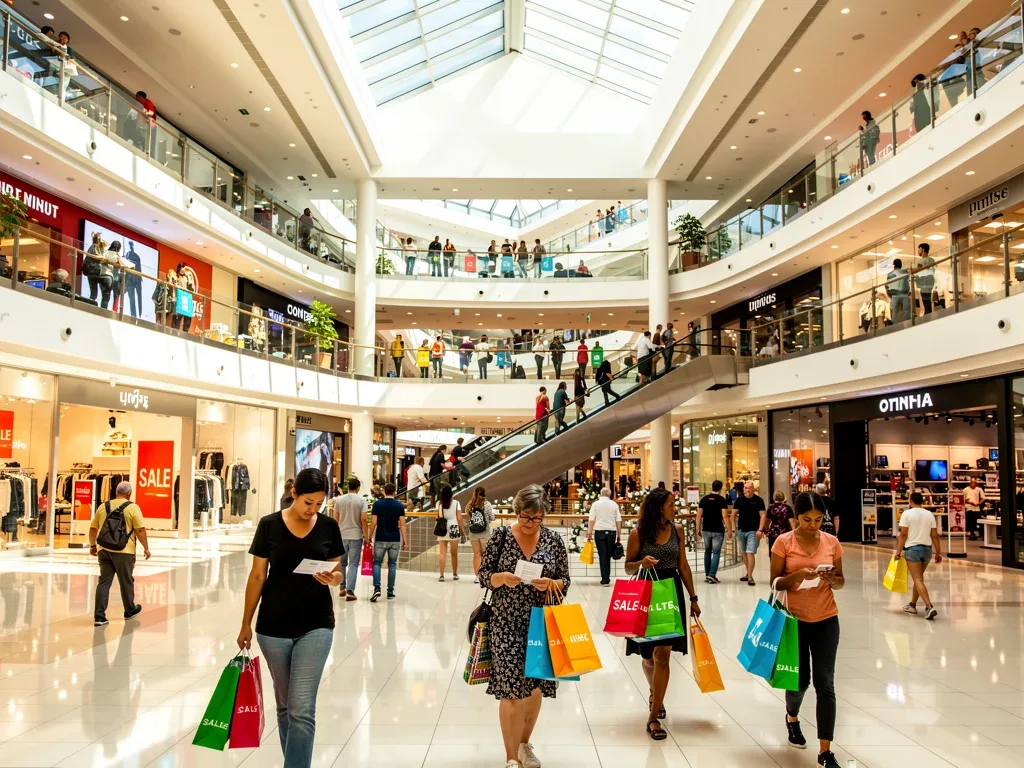
US consumer spending has seen a significant 2.8% increase, reflecting a resilient retail sector driven by various underlying economic and behavioral macro trends.
The recent report indicating that US consumer spending grows by 2.8%: Analyzing the Macro Trends Behind Current Retail Resilience offers a compelling snapshot of the nation's economic vitality. This growth isn't just a number; it reflects the complex interplay of various economic forces and evolving consumer behaviors shaping the American retail landscape today.
Understanding the 2.8% Growth in Consumer Spending
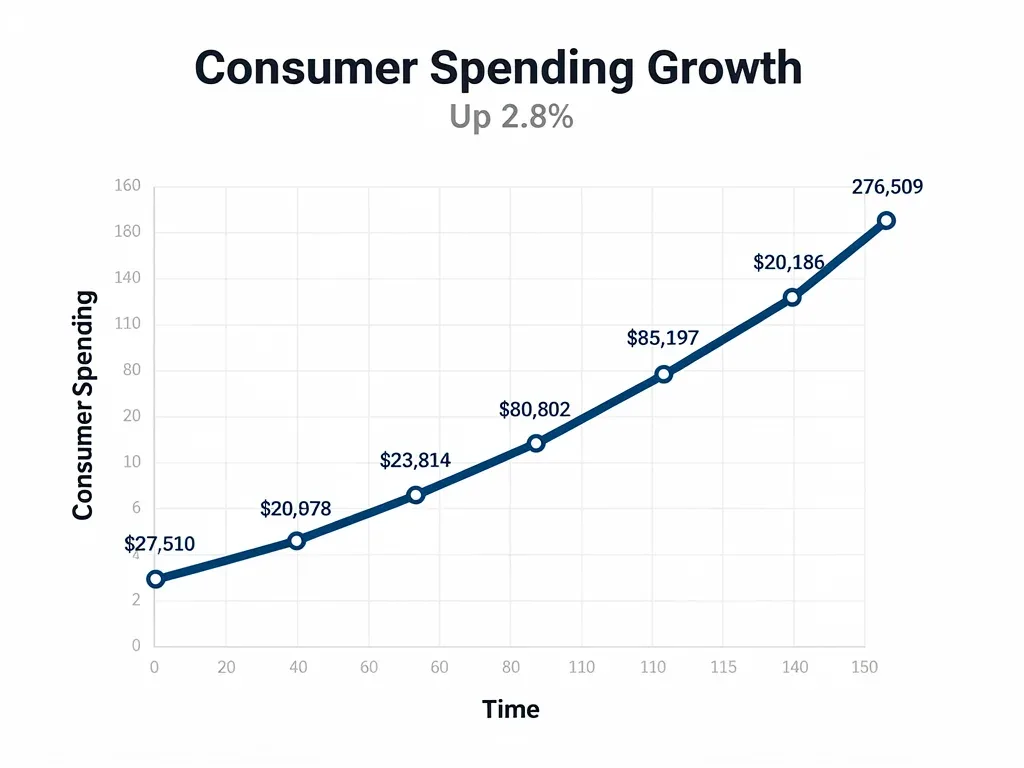
The reported 2.8% growth in US consumer spending is a significant indicator of economic health and consumer confidence. This figure, while seemingly modest, represents billions of dollars injected into the economy, influencing everything from local businesses to multinational corporations.
This growth rate provides a crucial benchmark for economists and businesses alike. It signifies a continued willingness and ability of American households to spend, defying some earlier predictions of a slowdown. The resilience observed isn't uniform across all sectors, but its overall positive trajectory paints an optimistic picture for the immediate future.
Key Drivers of Recent Spending Increases
Several factors contribute to this robust spending. Wage growth, while varied, has provided many consumers with increased disposable income. Additionally, a relatively stable job market has instilled confidence, encouraging spending on both essential and discretionary items.
- Wage Growth: Sustained increases in average hourly earnings.
- Employment Stability: Low unemployment rates bolstering job security.
- Savings Utilization: Consumers drawing down on pandemic-era savings.
- Credit Availability: Access to credit facilitating larger purchases.
Understanding these drivers is essential for dissecting the nuances of consumer behavior. The blend of increased earnings, job security, and accessible credit creates a fertile ground for sustained spending, even amidst inflationary pressures.
Ultimately, the 2.8% growth figure is more than just a statistic; it's a reflection of the underlying strength and adaptability of the American consumer. This resilience is a testament to the dynamic nature of the economy and the various mechanisms that support household purchasing power.
Macroeconomic Factors Fueling Retail Resilience
Retail resilience isn't simply a matter of consumers spending more; it's deeply intertwined with broader macroeconomic conditions. These factors create the environment in which businesses operate and consumers make their purchasing decisions, directly influencing the overall health of the retail sector.
The current economic climate, characterized by various challenges and opportunities, has shaped how retailers adapt and thrive. From inflation to interest rates, each macroeconomic element plays a crucial role in the unfolding narrative of retail strength.
Inflationary Pressures and Consumer Adaptation
While inflation has been a persistent concern, consumers have shown remarkable adaptability. Rather than completely curtailing spending, many have adjusted their purchasing habits, seeking value, changing brands, or opting for different retail channels. This behavioral shift has allowed spending to continue, albeit with a different composition.
The ability of consumers to navigate higher prices by making strategic choices underscores a deeper resilience than simply ignoring inflation. It highlights a proactive approach to managing household budgets while maintaining consumption levels.
Interest rates also play a significant role, particularly for big-ticket items and credit-reliant purchases. Despite rising rates, consumer demand has remained relatively strong, suggesting that other factors, such as accumulated savings or immediate needs, are outweighing the increased cost of borrowing for many.
Government policies, including fiscal stimulus and employment support programs, have also had a lasting impact. These measures, implemented during various economic shifts, have provided a buffer for many households, contributing to their ability to maintain spending levels even when faced with economic headwinds.
In essence, the retail sector's current resilience is a complex mosaic of consumer behavior and macroeconomic forces working in concert. Understanding this intricate relationship is key to anticipating future trends and challenges.
Shifting Consumer Behavior and Market Trends
The landscape of consumer behavior is in constant flux, and the current retail resilience is partly a reflection of significant shifts in how, where, and why people shop. These evolving preferences and habits are reshaping market trends and forcing retailers to innovate at an unprecedented pace.
Consumers today are more informed and demanding than ever before. Their decisions are influenced by a myriad of factors, including convenience, ethical considerations, digital integration, and personalized experiences, pushing businesses to re-evaluate their strategies.
The Rise of E-commerce and Omnichannel Retail
The accelerated adoption of e-commerce, initially spurred by global events, has cemented its place as a dominant retail channel. Consumers now expect seamless integration between online and offline shopping experiences, driving the growth of omnichannel strategies.
- Online Shopping Dominance: Continued preference for digital storefronts and convenience.
- Click-and-Collect Expansion: Blending online ordering with physical pickup.
- Personalized Experiences: Tailored recommendations and marketing.
- Social Commerce Integration: Shopping directly through social media platforms.
This shift means retailers must invest heavily in digital infrastructure, robust logistics, and data analytics to meet consumer expectations. The boundaries between physical and digital retail are blurring, creating new opportunities and challenges.
Sustainability and ethical consumption are also growing concerns. A significant portion of consumers now prioritize brands that demonstrate environmental responsibility and fair labor practices. This trend influences purchasing decisions and puts pressure on companies to align their values with those of their customers.
Furthermore, the demand for instant gratification and convenience continues to drive innovation in delivery services and streamlined shopping processes. Consumers expect fast, reliable, and flexible options, from same-day delivery to easy returns, further shaping the competitive retail environment.
These behavioral shifts are not temporary; they represent a fundamental change in the relationship between consumers and brands. Retailers who successfully adapt to these evolving market trends will be best positioned to capitalize on sustained consumer spending.
Impact on Different Retail Sectors
While the overall picture for US consumer spending shows growth and resilience, its impact is not evenly distributed across all retail sectors. Some areas are experiencing booming demand, while others face persistent challenges, reflecting the diverse preferences and economic realities of American consumers.
Understanding these sectoral variations is crucial for investors, businesses, and policymakers. It highlights where capital is flowing, where innovation is most needed, and where potential vulnerabilities might exist within the broader retail economy.
Winners and Losers in the Current Spending Climate
The sectors performing well often align with shifts in lifestyle and priorities. Travel and leisure, for instance, have seen a significant resurgence as consumers prioritize experiences. Similarly, certain segments of technology and home improvement continue to perform strongly, albeit with some moderation.
Conversely, some traditional retail segments, particularly those heavily reliant on physical storefronts without robust online integration, continue to struggle. The competitive landscape, coupled with evolving consumer habits, demands constant adaptation and strategic investment.
Categories experiencing particular growth include:
- Experiential Spending: Travel, dining out, entertainment.
- Health and Wellness: Products and services related to personal well-being.
- Digital Services: Streaming, subscriptions, online gaming.
- Value-Oriented Retailers: Discount stores and private labels capitalizing on price sensitivity.
The food and beverage sector remains a stable, albeit competitive, area, with consumers increasingly seeking convenience and healthier options. This has led to growth in meal kit services, prepared foods, and specialized grocery stores.
Conversely, areas like traditional apparel and some segments of general merchandise face ongoing pressures from fast fashion, direct-to-consumer brands, and the shift towards more casual wear. Retailers in these categories are forced to innovate with new designs, sustainable practices, and engaging in-store experiences.
Ultimately, the differential impact across sectors underscores the dynamic nature of consumer preferences and the need for businesses to remain agile and responsive to market signals. The overall spending growth masks a complex picture of varying success and ongoing transformation.
The Role of Technology and Innovation in Retail
Technology and innovation are not merely supporting players in the story of retail resilience; they are central to its narrative. From enhancing customer experiences to streamlining supply chains, technological advancements are redefining what's possible in the retail sector, enabling businesses to meet evolving consumer demands.
The rapid pace of technological change means that retailers must continuously adapt and invest to remain competitive. Those who embrace innovation are better positioned to capture market share and foster customer loyalty in an increasingly digital world.
Emerging Technologies Shaping the Retail Landscape
Artificial intelligence (AI) and machine learning (ML) are being deployed to personalize shopping experiences, optimize inventory management, and predict consumer trends. These technologies allow retailers to offer more relevant products and services, improving efficiency and customer satisfaction.
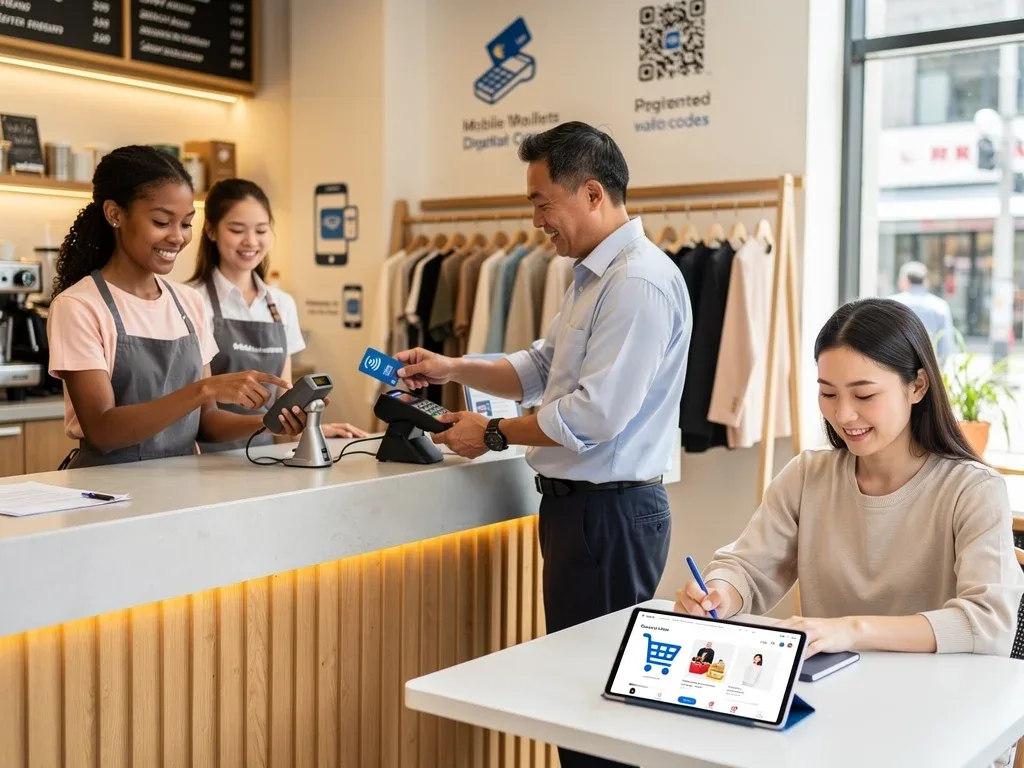
Augmented reality (AR) and virtual reality (VR) are also finding applications, particularly in allowing customers to visualize products in their own environments or try on clothing virtually. This enhances the online shopping experience and reduces return rates.
- AI-Powered Personalization: Customized product recommendations and marketing.
- Seamless Payment Solutions: Contactless payments, mobile wallets, and biometric authentication.
- Supply Chain Optimization: Predictive analytics for inventory and logistics.
- Data Analytics for Insights: Understanding consumer behavior and market trends.
The integration of the Internet of Things (IoT) in retail environments, such as smart shelves and connected devices, provides real-time data on product availability and customer interactions, leading to more efficient store operations and improved customer service.
Blockchain technology, while still in its nascent stages for retail, holds promise for enhancing transparency in supply chains, improving product traceability, and securing transactions, particularly for high-value goods or ethically sourced products.
These technological advancements are not just about efficiency; they are about creating more engaging, convenient, and personalized experiences for consumers, which in turn fuels continued spending and reinforces retail resilience. Investing in these innovations is no longer optional but a necessity for modern retailers.
Future Outlook and Potential Challenges for US Retail
While the present state of US consumer spending and retail resilience appears strong, looking ahead reveals a landscape filled with both promising opportunities and significant challenges. The future outlook requires careful consideration of ongoing economic shifts, evolving consumer expectations, and potential external shocks.
Retailers and policymakers must remain vigilant, adapting strategies to navigate a dynamic environment where past successes do not guarantee future performance. Proactive planning will be key to sustaining growth and mitigating risks.
Economic Headwinds and Opportunities Ahead
One of the persistent challenges remains inflation. While it has shown signs of moderation, any resurgence could dampen consumer purchasing power. Interest rate policies by the Federal Reserve will continue to influence borrowing costs for both consumers and businesses, impacting investment and spending decisions.
Geopolitical events and supply chain disruptions also pose ongoing risks. Global instability can lead to increased commodity prices, shipping delays, and reduced consumer confidence, all of which can negatively affect retail operations and consumer spending patterns.
On the opportunity front, continued innovation in retail technology offers avenues for growth. The metaverse, while still largely conceptual, presents a potential new frontier for retail experiences, allowing brands to engage with consumers in immersive virtual environments.
Furthermore, demographic shifts, such as the growing purchasing power of younger generations and evolving household structures, will create new market segments and demand for specific products and services. Retailers who can effectively cater to these emerging demographics will find significant growth opportunities.
Sustainability will also become an even more critical factor. Consumers are increasingly demanding eco-friendly products and ethical business practices. Retailers who embrace these values not only attract a growing segment of the market but also build long-term brand loyalty and trust.
The future of US retail is likely to be characterized by continued transformation, driven by technological advancements, evolving consumer values, and economic fluctuations. Businesses that prioritize agility, customer-centricity, and sustainable practices will be best equipped to thrive in this complex environment.
| Key Aspect | Brief Description |
|---|---|
| Consumer Spending Growth | US consumer spending increased by 2.8%, indicating strong economic health and confidence. |
| Retail Resilience Drivers | Fueled by wage growth, employment stability, and adaptable consumer behavior despite inflation. |
| Technological Impact | AI, e-commerce, and omnichannel strategies are crucial for enhancing customer experience and efficiency. |
| Future Outlook | Continued growth expected, but challenges like inflation and supply chain disruptions remain. |
Frequently Asked Questions About US Consumer Spending
What does a 2.8% growth in US consumer spending signify?▼A 2.8% growth in US consumer spending indicates a healthy and robust economy. It suggests strong consumer confidence, increased purchasing power, and a willingness to spend, contributing significantly to the nation's GDP and overall economic stability.
What are the primary drivers behind current retail resilience?▼Retail resilience is primarily driven by factors such as consistent wage growth, a stable job market with low unemployment, strategic utilization of accumulated savings, and adaptable consumer behavior in response to economic shifts and inflation.
How has inflation impacted consumer spending habits?▼While inflation has raised prices, consumers have adapted by seeking value, switching brands, and utilizing discount retailers. This behavioral flexibility has allowed spending to continue, albeit with shifts in product choices and purchasing channels, maintaining overall resilience.
What role does technology play in modern retail resilience?▼Technology is crucial for retail resilience, enabling e-commerce, omnichannel strategies, and personalized experiences. AI, data analytics, and seamless payment solutions enhance efficiency, optimize inventory, and meet evolving consumer demands, driving growth and competitiveness.
What future challenges might affect US consumer spending?▼Future challenges include persistent inflationary pressures, potential interest rate hikes, and geopolitical instability affecting supply chains. However, opportunities in technological innovation and catering to changing demographics also present avenues for continued growth and adaptation.
Conclusion
The 2.8% growth in US consumer spending underscores a remarkable period of retail resilience, driven by a complex interplay of macroeconomic stability, evolving consumer behaviors, and significant technological advancements. While the current outlook is largely positive, future success hinges on the ability of businesses and policymakers to navigate ongoing economic challenges and embrace continuous innovation. The American consumer remains a powerful force, consistently adapting and driving economic momentum, making the retail sector a dynamic and vital component of the nation's financial health.
