IRS 2026 Tax Brackets: Key Updates & Reporting Thresholds
Advertisements
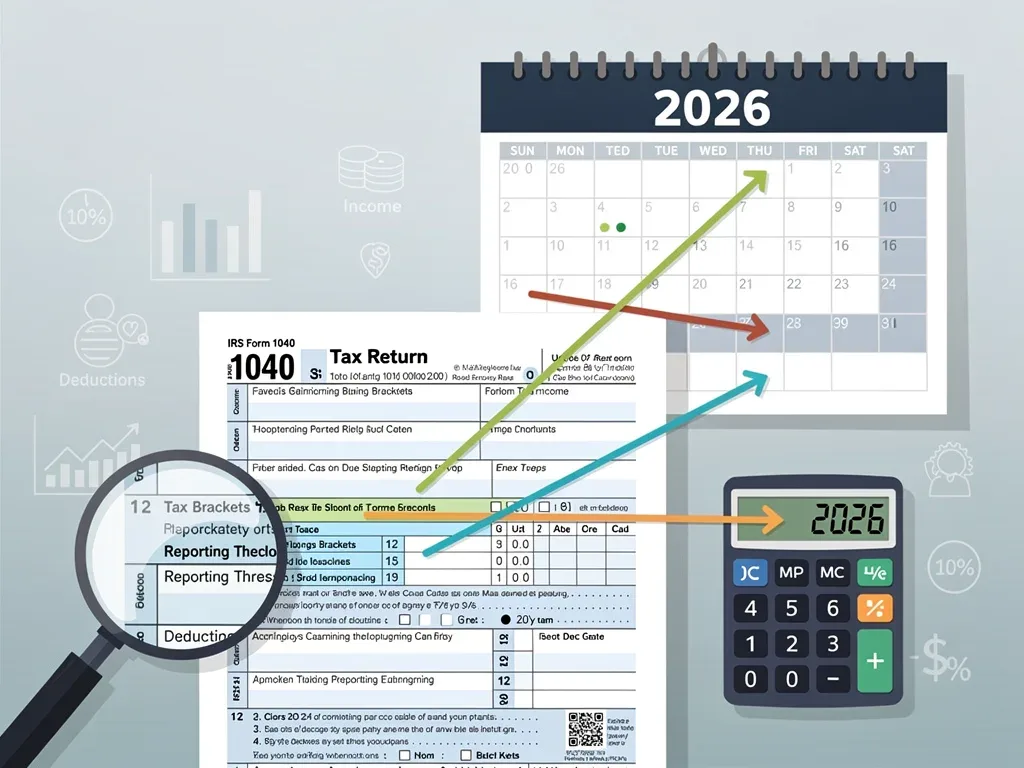
The IRS has unveiled updated 2026 tax brackets and new reporting thresholds nationwide, signifying crucial changes for taxpayers and businesses to navigate for effective financial planning and compliance.
The financial landscape is ever-evolving, and staying ahead of changes is paramount for every taxpayer. The recent announcement that the IRS Implements Updated 2026 Tax Brackets and New Reporting Thresholds Nationwide marks a significant development that will influence individual and business financial planning across the United States. Understanding these adjustments is not just about compliance; it's about optimizing your financial strategy for the coming years.
Understanding the 2026 Tax Bracket Adjustments
The Internal Revenue Service (IRS) periodically adjusts tax brackets to account for inflation and economic shifts. The 2026 updates are particularly notable, reflecting a comprehensive review of economic indicators and an effort to ensure fairness and accuracy in the tax system. These adjustments can have a direct impact on your taxable income and, consequently, your overall tax liability. It's crucial to recognize that even slight shifts in bracket thresholds can lead to significant differences in what you owe or receive as a refund.
These changes are not arbitrary; they are typically tied to the Consumer Price Index (CPI), which measures inflation. When inflation rises, the purchasing power of money decreases, and without adjustments, taxpayers could find themselves pushed into higher tax brackets even if their real income hasn't increased. This phenomenon is often referred to as 'bracket creep.' The 2026 adjustments aim to mitigate this, ensuring that the tax system remains responsive to economic realities.
How Inflation Impacts Tax Brackets
Inflation plays a pivotal role in the annual adjustment of tax brackets. As the cost of living increases, the IRS indexes certain provisions of the tax code to prevent taxpayers from being unfairly penalized. This indexing means that the income thresholds for each tax bracket are raised, allowing individuals to earn more before moving into a higher tax rate. Understanding this mechanism is key to comprehending why these adjustments are necessary and how they benefit (or sometimes challenge) taxpayers.
- Preserving Purchasing Power: Adjustments prevent inflation from eroding the value of your income, ensuring your tax burden doesn't disproportionately increase.
- Fairness in Taxation: Indexed brackets aim to maintain a progressive tax system where those with higher real incomes pay a larger percentage.
- Predictability for Planning: Regular adjustments, though sometimes complex, provide a framework for future financial and tax planning.
The 2026 tax bracket updates are a testament to the IRS's commitment to maintaining a dynamic and equitable tax system. While the specifics of these changes will be detailed further, the overarching goal is to align tax liabilities with current economic conditions, ensuring that taxpayers are not unduly burdened by inflationary pressures.
New Reporting Thresholds: What Businesses and Individuals Need to Know
Beyond tax bracket adjustments, the IRS has also introduced new reporting thresholds for various financial transactions. These changes are designed to enhance transparency, improve compliance, and potentially capture previously unreported income. Both individuals and businesses must familiarize themselves with these new thresholds to avoid penalties and ensure accurate reporting. The scope of these changes is broad, affecting everything from gig economy earnings to digital asset transactions.
For businesses, particularly small businesses and those operating in the burgeoning digital economy, these new thresholds necessitate a review of current accounting practices and reporting systems. Non-compliance, even unintentional, can lead to significant fines and audits. Therefore, proactive engagement with these new rules is not just advisable; it's essential for operational continuity and financial health.
Expanded Reporting for Digital Transactions
One of the most significant areas of change involves digital transactions. As digital payments, cryptocurrencies, and online marketplaces become more prevalent, the IRS is adapting its reporting requirements to keep pace. This means that platforms facilitating these transactions may now be required to report a broader range of activities, and individuals receiving payments through these channels will have clearer obligations.
- Gig Economy Income: Lower thresholds for reporting income from platforms like ride-sharing, freelancing, and delivery services.
- Digital Asset Transactions: Stricter reporting for cryptocurrency exchanges and other digital asset movements, aiming to track capital gains and losses more effectively.
- Payment Card Transactions: Potential adjustments to the thresholds for third-party payment network transactions, impacting small businesses significantly.
These expanded reporting requirements underscore a broader trend towards greater financial transparency. The IRS is leveraging technology and data analytics to gain a more comprehensive view of economic activity, making it imperative for all parties to ensure their reporting is accurate and complete. Staying informed about these specific thresholds will be critical for both individuals and businesses to navigate the evolving tax landscape successfully.
Impact on Individual Taxpayers and Financial Planning
The updated 2026 tax brackets will directly influence how much income individuals retain after taxes. For many, these adjustments might mean a slightly lower tax burden, freeing up more disposable income. However, for others, particularly those whose income has grown significantly, the changes could mean moving into a higher bracket, even with the inflation adjustments. It's not just about the percentage; it's about where your income falls within the new ranges.
Effective financial planning requires a thorough understanding of these changes. Individuals should review their income sources, deductions, and credits in light of the new brackets. This proactive approach allows for adjustments to investment strategies, retirement contributions, and charitable giving to maximize tax efficiency. Ignoring these updates could lead to missed opportunities for tax savings or unexpected liabilities.
Strategies for Adapting to New Brackets
Adapting to new tax brackets involves several key strategies that can help optimize your financial situation. These strategies are not one-size-fits-all but can be tailored to individual circumstances and financial goals. The goal is to minimize your taxable income and maximize your after-tax earnings.
- Maximizing Retirement Contributions: Increasing contributions to 401(k)s, IRAs, and other tax-advantaged accounts can reduce your current taxable income.
- Utilizing Tax Credits and Deductions: Staying informed about available tax credits and deductions can significantly lower your overall tax bill.
- Tax-Loss Harvesting: For investors, strategically selling investments at a loss can offset capital gains and even a limited amount of ordinary income.
Consulting with a qualified financial advisor is highly recommended. They can provide personalized advice based on your specific financial situation, ensuring you are making the most informed decisions in response to the 2026 tax bracket updates. Proactive planning is the cornerstone of effective tax management.
Business Implications: Compliance and Strategic Adjustments
For businesses, the new IRS reporting thresholds present a dual challenge: ensuring compliance with stricter rules and strategically adjusting operations to remain tax-efficient. The expanded scope of reportable transactions means that many businesses, especially those in sectors heavily reliant on digital payments or the gig economy, will need to upgrade their accounting and record-keeping systems. This isn't merely an administrative task; it's a critical component of risk management.
Beyond compliance, businesses should also evaluate how the updated tax brackets affect their employees and their own corporate tax liabilities. Changes in individual tax burdens can influence employee compensation expectations and benefit packages. Furthermore, any adjustments to corporate tax rates or deductions will directly impact a company's bottom line and investment decisions. A comprehensive review of financial strategies is essential for navigating these changes successfully.
Operational Changes for Enhanced Compliance
To meet the new reporting thresholds, businesses must implement robust operational changes. This often involves investing in new software, training staff, and developing clearer internal policies. The cost of non-compliance far outweighs the investment in these preventive measures, making them a priority for any forward-thinking business.
- Automated Reporting Systems: Implementing or upgrading software to automatically track and report transactions that meet the new thresholds.
- Employee Training: Educating staff on the importance of accurate data entry and the implications of the new reporting rules.\
- Regular Audits: Conducting internal audits to ensure all reporting obligations are being met consistently and accurately.
These operational adjustments are not just about avoiding penalties; they are about building a more resilient and transparent business. By proactively addressing the new IRS requirements, businesses can safeguard their reputation, maintain regulatory compliance, and focus on growth and innovation rather than grappling with tax issues.

Future-Proofing Your Finances: Long-Term Strategies
The 2026 tax bracket updates and new reporting thresholds are a clear reminder that the tax landscape is constantly shifting. For individuals and businesses alike, adopting a 'future-proofing' mindset is paramount. This involves not only reacting to current changes but also anticipating future regulatory shifts and economic trends. Long-term financial planning should incorporate flexibility and adaptability, allowing you to adjust your strategies as new information emerges.
This forward-looking approach extends beyond mere tax compliance. It encompasses a holistic view of your financial health, including savings, investments, debt management, and risk mitigation. By integrating tax considerations into every aspect of your financial plan, you can build a more robust and resilient financial future, capable of weathering economic fluctuations and regulatory changes.
Key Components of a Future-Proof Financial Plan
A truly future-proof financial plan is multifaceted, incorporating various elements designed to protect and grow your wealth over time. These components work in synergy to create a comprehensive strategy that can adapt to changing circumstances.
- Diversified Investment Portfolio: Spreading investments across different asset classes reduces risk and can capitalize on various market opportunities, regardless of tax changes.
- Emergency Fund: Maintaining a robust emergency fund provides a buffer against unexpected expenses, preventing the need to liquidate investments at inopportune times.\
- Estate Planning: Regular review and updating of estate plans ensure your assets are distributed according to your wishes, minimizing tax burdens for your heirs.
By proactively addressing these areas, you can ensure that your financial plan is not only compliant with current tax laws but also resilient enough to withstand future economic and legislative changes. This strategic foresight is invaluable in an increasingly complex financial world.
Navigating Resources and Professional Guidance
Given the complexity of the updated 2026 tax brackets and new reporting thresholds, leveraging reliable resources and seeking professional guidance is more important than ever. The IRS website is always the primary source for official information, providing detailed guidance, forms, and publications. However, interpreting this information and applying it to your specific situation often requires expert assistance.
Tax professionals, financial advisors, and certified public accountants (CPAs) specialize in navigating these intricate regulations. Their expertise can help individuals and businesses understand the nuances of the new rules, identify potential tax savings, and ensure full compliance. Investing in professional advice can often save significantly more in taxes and penalties than the cost of their services.
Choosing the Right Professional Advisor
Selecting the right professional advisor is a critical step in effective tax and financial planning. Not all advisors are created equal, and finding someone who understands your unique needs and goals is essential. Consider their qualifications, experience, and specialization.
- Credentials: Look for CPAs, Enrolled Agents (EAs), or financial advisors with relevant certifications and licenses.
- Experience: Choose professionals with a proven track record and experience in dealing with similar financial situations or business types.\
- Specialization: If you have complex investments, international income, or run a specific type of business, seek an advisor who specializes in those areas.
A good advisor will not only help you comply with the new IRS regulations but also serve as a trusted partner in achieving your broader financial objectives. They can provide invaluable insights, helping you to make informed decisions that align with your long-term financial health and aspirations. Don't underestimate the power of expert guidance in a world of ever-changing tax laws.
| Key Aspect | Brief Description |
|---|---|
| Tax Bracket Adjustments | IRS updated income thresholds for each tax bracket to account for inflation and economic shifts, impacting individual tax liabilities. |
| New Reporting Thresholds | Expanded requirements for reporting various financial transactions, including gig economy income and digital asset activities, affecting individuals and businesses. |
| Individual Impact | Direct influence on disposable income; requires review of deductions, credits, and investment strategies for optimal tax efficiency. |
| Business Compliance | Necessitates operational changes, system upgrades, and employee training to meet stricter reporting rules and avoid penalties. |
Frequently Asked Questions About 2026 Tax Changes
What are the primary reasons for the 2026 tax bracket updates?▼The IRS updates tax brackets primarily to account for inflation and economic shifts, a process known as indexing. This prevents 'bracket creep,' where taxpayers are pushed into higher tax brackets due to increased nominal income, even if their real purchasing power remains the same. The goal is to maintain fairness and accuracy in the tax system.
How will new reporting thresholds impact gig economy workers?▼Gig economy workers will likely see lower reporting thresholds for income earned through platforms. This means more transactions and smaller amounts of income will need to be reported to the IRS by the platforms themselves. Workers must ensure accurate record-keeping to reconcile reported income and avoid discrepancies.
Are digital assets like cryptocurrency affected by these new thresholds?▼Yes, digital assets are significantly affected. The IRS is implementing stricter reporting requirements for cryptocurrency exchanges and other digital asset transactions. This aims to improve the tracking of capital gains and losses associated with digital assets, making it crucial for investors to understand their reporting obligations.
What steps should small businesses take to comply with the new rules?▼Small businesses should review their accounting systems, potentially investing in updated software for automated reporting. Training employees on new data entry and reporting protocols is also essential. Regular internal audits can help ensure ongoing compliance and prevent penalties from the IRS.
When should I consult a tax professional about these changes?▼It's advisable to consult a tax professional as soon as possible, especially if you anticipate significant changes to your income or business operations. A qualified CPA or financial advisor can provide personalized guidance, help you understand the specific impact of the new rules, and optimize your financial strategy for 2026 and beyond.
Conclusion
The announcement that the IRS implements updated 2026 tax brackets and new reporting thresholds nationwide underscores the dynamic nature of tax policy. These changes are not merely administrative adjustments; they represent significant shifts that will influence financial decisions for individuals and businesses across the United States. Staying informed, adapting financial strategies, and seeking expert guidance are crucial steps to navigate this evolving landscape successfully. Proactive engagement with these updates will ensure compliance, optimize tax efficiency, and contribute to a more secure financial future.
