Longevity Wearables: 40% Increase in Continuous Biomarker Tracking
Advertisements
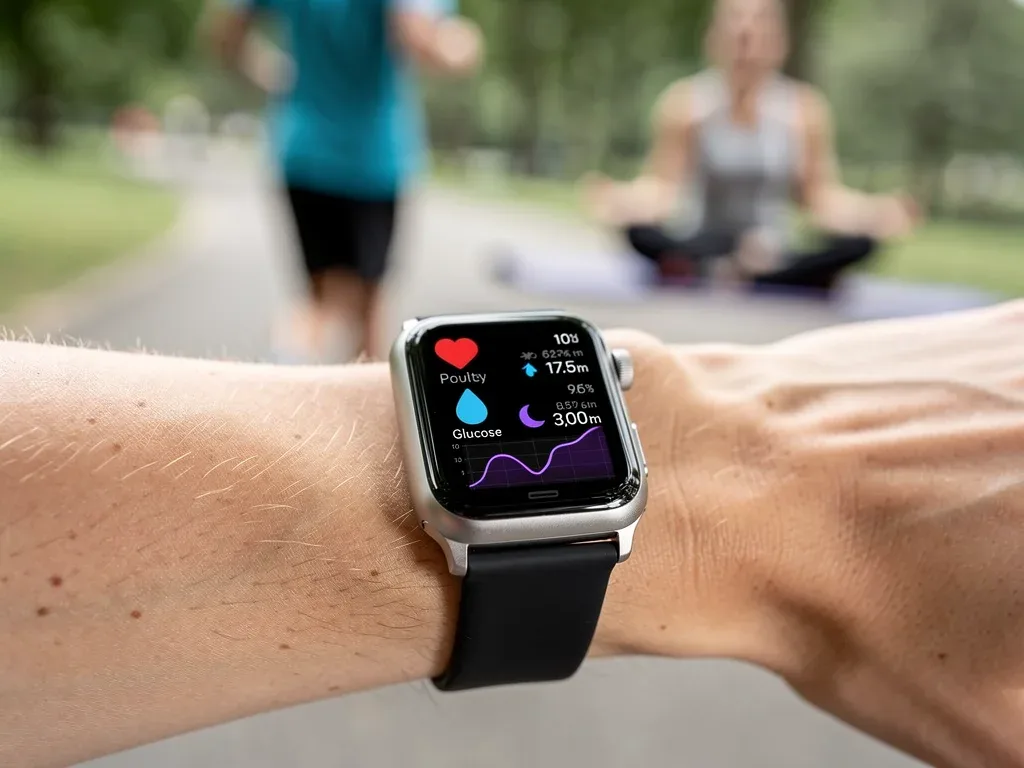
The market for longevity wearables and continuous biomarker tracking has witnessed a remarkable 40% growth, fundamentally shifting how individuals approach proactive health management and optimize their long-term well-being.
The landscape of personal health is undergoing a profound transformation, driven by an unprecedented surge in technological innovation. We are witnessing an impressive Inside the 40% Increase in Longevity Wearables and Continuous Biomarker Tracking, fundamentally reshaping how individuals approach their well-being and long-term health. This isn't just about fitness trackers anymore; it's about a sophisticated ecosystem designed to provide deep, actionable insights into our physiological states, empowering us to make informed decisions for a healthier, longer life.
The Rise of Proactive Health Management
The concept of health is evolving from reactive treatment to proactive prevention. Consumers are no longer content with simply addressing ailments as they arise; instead, there's a growing desire to understand and optimize their bodies before problems manifest. This shift is a primary catalyst behind the burgeoning market for longevity wearables and continuous biomarker tracking, which offers an unparalleled view into our internal health.
These devices are moving beyond simple step counting, delving into complex physiological markers that provide a holistic picture of health. The data collected ranges from heart rate variability to sleep quality, stress levels, and even early indicators of metabolic health. This wealth of information allows individuals to identify trends, understand the impact of lifestyle choices, and intervene proactively.
From Fitness to Healthspan
Initially, wearables were primarily associated with fitness tracking, helping users monitor workouts and daily activity. While this remains a core function, the focus has dramatically expanded to encompass healthspan – the period of life spent in good health, free from chronic disease and disability. This pivot reflects a broader societal interest in not just extending lifespan, but enhancing the quality of those extra years.
- Activity Monitoring: Beyond steps, tracking calories burned, active minutes, and various exercise types.
- Sleep Analysis: Detailed insights into sleep stages, disturbances, and overall sleep quality.
- Stress Detection: Measuring physiological markers associated with stress, offering timely alerts and coping mechanisms.
- Recovery Metrics: Assessing the body's readiness for physical and mental demands.
The increasing sophistication of these devices, coupled with advanced algorithms, means users receive personalized recommendations that go far beyond generic advice. This tailored approach is crucial for fostering genuine, sustainable changes in behavior, ultimately contributing to a longer, healthier life.
Understanding Continuous Biomarker Tracking
Continuous biomarker tracking represents the cutting edge of personal health technology. Unlike traditional, episodic health check-ups, these systems provide real-time, ongoing data streams that offer a dynamic picture of one's physiological state. This continuous feedback loop is invaluable for understanding how daily activities, diet, stress, and sleep impact our bodies.
Biomarkers are measurable indicators of a biological state. In the context of longevity wearables, these can include a wide array of physiological signals. The ability to track these continuously allows for the detection of subtle changes that might otherwise go unnoticed, potentially signaling the onset of health issues long before symptoms appear.
Key Biomarkers Monitored by Wearables
The range of biomarkers that can be continuously tracked is expanding rapidly, driven by advancements in sensor technology and data analytics. Each biomarker provides a unique piece of the puzzle, contributing to a more complete understanding of one's health trajectory.
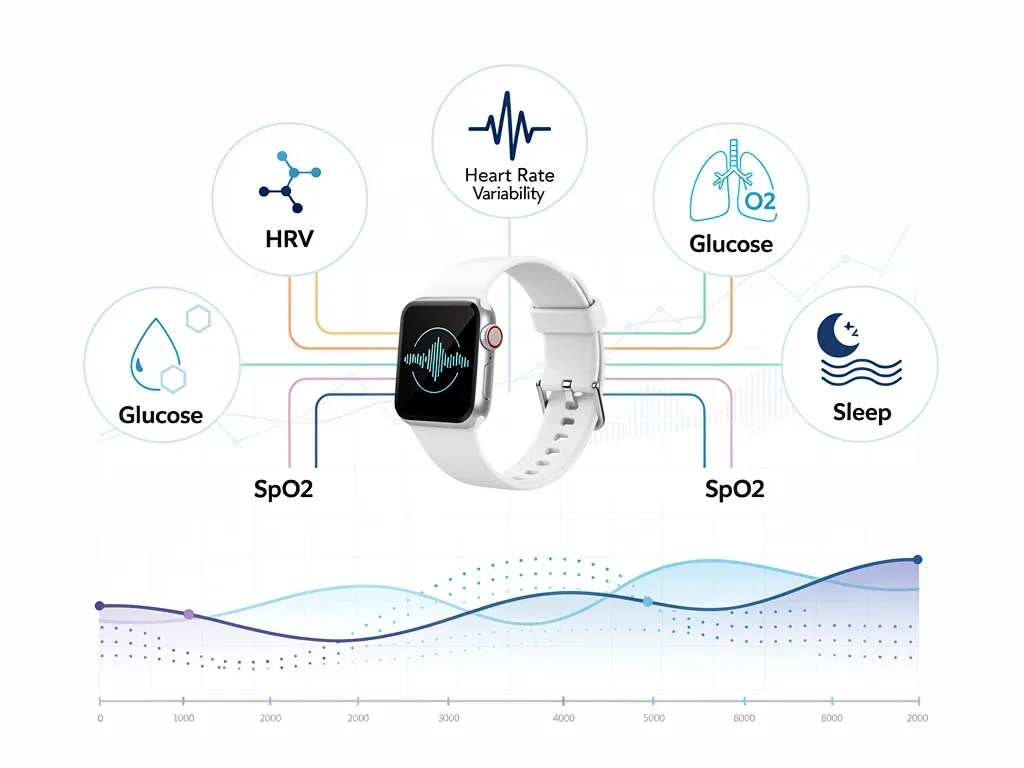
- Heart Rate Variability (HRV): An indicator of autonomic nervous system balance, reflecting stress and recovery.
- Glucose Levels: Crucial for metabolic health, especially for those managing or at risk of diabetes.
- Oxygen Saturation (SpO2): Measures blood oxygen levels, important for respiratory health and sleep apnea detection.
- Skin Temperature: Can indicate illness, ovulation, or changes in metabolic rate.
- Activity Levels: Beyond steps, monitoring intensity, duration, and consistency of movement.
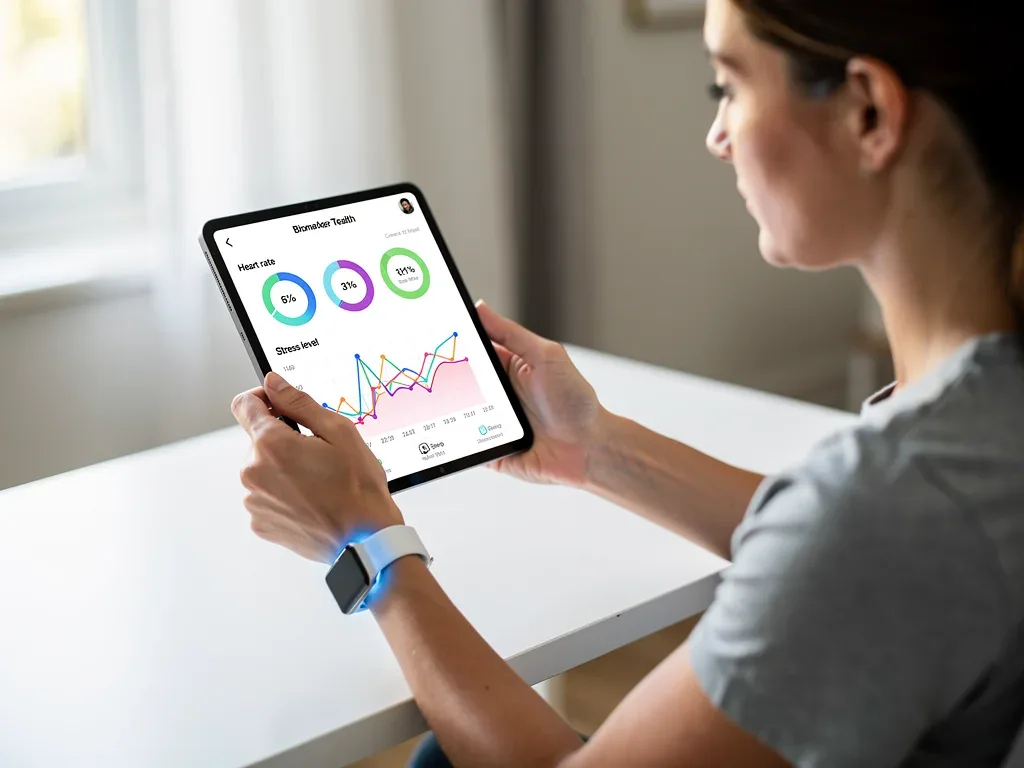
This continuous monitoring empowers individuals to identify patterns and correlations between their lifestyle choices and their physiological responses. For instance, a persistent drop in HRV might indicate overtraining or increased stress, prompting the user to prioritize rest and recovery. This level of personalized insight was previously only available in clinical settings.
Technological Innovations Driving the 40% Increase
The significant 40% increase in the adoption of longevity wearables and continuous biomarker tracking is not merely a shift in consumer interest; it's heavily underpinned by remarkable advancements in technology. These innovations have made devices more accurate, comfortable, user-friendly, and capable of collecting a wider range of sophisticated data.
Miniaturization of sensors, improved battery life, and enhanced data processing capabilities are central to this growth. Wearables are no longer bulky or inconvenient; they seamlessly integrate into daily life, often becoming indistinguishable from regular accessories. This ease of use encourages consistent wear, which is critical for continuous data collection and meaningful insights.
Sensor Advancements and AI Integration
The quality and variety of sensors have dramatically improved. Optical sensors, accelerometers, gyroscopes, and even bio-impedance sensors are becoming more precise and robust. Beyond hardware, the integration of artificial intelligence (AI) and machine learning (ML) is a game-changer, transforming raw data into actionable intelligence.
- Advanced Biometric Sensors: More accurate heart rate, SpO2, and temperature readings.
- Non-Invasive Glucose Monitoring: Emerging technologies aim for continuous glucose tracking without needles.
- AI-Powered Algorithms: Interpreting complex data patterns to predict health risks and offer personalized advice.
- Improved Connectivity: Seamless data transfer to smartphones and cloud-based platforms for analysis.
AI algorithms can detect subtle anomalies in biomarker data that human eyes might miss, providing early warnings for potential health issues. This predictive capability is a key differentiator, moving wearables from mere data loggers to powerful health diagnostic and preventative tools. The ability to process vast amounts of personal data securely and efficiently also plays a crucial role in user adoption and trust.
Impact on Disease Prevention and Early Detection
One of the most profound implications of the surge in longevity wearables and continuous biomarker tracking is their potential to revolutionize disease prevention and early detection. By providing constant surveillance of key physiological parameters, these devices can flag deviations from an individual's baseline, often before noticeable symptoms appear. This early warning system is invaluable for conditions where timely intervention can significantly improve outcomes.
Consider chronic diseases like cardiovascular disease, diabetes, and even certain neurological conditions. Wearables can track precursors such as irregular heart rhythms, persistent elevated glucose levels, or disturbed sleep patterns, prompting users to consult medical professionals sooner. This proactive approach can lead to earlier diagnoses, more effective treatments, and ultimately, a reduction in the severity and progression of many illnesses.
Personalized Risk Assessment
Beyond general health monitoring, these devices enable highly personalized risk assessments. By analyzing an individual's unique biomarker trends over time, combined with genetic data and lifestyle inputs, a more accurate and dynamic risk profile can be developed. This moves beyond population-level statistics to provide insights tailored specifically to the user.
- Cardiovascular Health: Detecting arrhythmias, assessing blood pressure trends, and monitoring heart rate recovery.
- Metabolic Health: Tracking glucose fluctuations, activity levels, and sleep to manage or prevent type 2 diabetes.
- Sleep Disorders: Identifying patterns indicative of sleep apnea or chronic insomnia, prompting medical evaluation.
- Stress-Related Conditions: Providing insights into chronic stress and its physiological impact, aiding in mental health management.
The data from continuous biomarker tracking can also be shared with healthcare providers, fostering a more collaborative and informed approach to patient care. This allows doctors to have a more complete picture of a patient's health outside of the clinic, leading to more precise diagnoses and treatment plans, and ultimately, better health outcomes for a large segment of the population.
The Role of Data Privacy and Security
As the adoption of longevity wearables and continuous biomarker tracking skyrockets, so too does the importance of data privacy and security. These devices collect highly sensitive personal health information, making robust protection measures absolutely critical. Users need assurance that their intimate physiological data is safeguarded against unauthorized access, breaches, and misuse.
Companies developing these technologies are under increasing scrutiny to implement stringent security protocols, comply with data protection regulations like HIPAA in the United States, and maintain transparency about how data is collected, stored, and utilized. Trust is paramount in this sector; any significant breach could severely undermine consumer confidence and slow the growth of this otherwise beneficial technology.
Ensuring User Trust and Control
Building and maintaining user trust is fundamental. This involves not only securing data but also empowering users with control over their information. Clear, understandable privacy policies, easy-to-manage consent settings, and options for data portability are essential elements. Users should feel confident that they own their health data and can decide who it's shared with and for what purpose.
- End-to-End Encryption: Protecting data during transmission and storage.
- Anonymization and Aggregation: Using data for research and development while protecting individual identities.
- HIPAA Compliance: Adhering to strict health information privacy regulations in the US.
- Transparent Data Policies: Clearly communicating how user data is handled.
Furthermore, the ethical implications of using this data for purposes beyond individual health optimization, such as insurance underwriting or employment decisions, must be carefully considered and regulated. Striking a balance between leveraging data for public health benefits and protecting individual privacy will be an ongoing challenge and a critical factor in the sustained growth and positive impact of longevity wearables.
Future Trends and Accessibility Challenges
The future of longevity wearables and continuous biomarker tracking appears incredibly promising, with ongoing research and development pointing towards even more sophisticated and integrated solutions. We can anticipate devices capable of monitoring an even wider array of biomarkers, potentially including advanced genetic markers, microbiome health, and even neurocognitive function. The integration with smart home systems and AI-powered health assistants will create a seamless, personalized health ecosystem.
However, alongside this exciting potential, there are significant accessibility challenges that need to be addressed. Currently, many advanced longevity wearables come with a considerable price tag, placing them out of reach for a large portion of the population. For these technologies to truly impact public health and extend healthspan across society, they must become more affordable and widely available.
Bridging the Health Equity Gap
Efforts to make these technologies more accessible are crucial to prevent exacerbating existing health disparities. This involves not only reducing manufacturing costs but also exploring models for insurance coverage, public health initiatives, and partnerships that can subsidize access for underserved communities. Education about the benefits and proper use of these devices is also vital.
- Miniaturization and Cost Reduction: Continued innovation to lower production costs.
- Integration with Healthcare Systems: Making data easily shareable with medical professionals for better care.
- Public Health Programs: Government and non-profit initiatives to subsidize device access.
- Educational Outreach: Informing the public about the benefits and responsible use of wearables.
The potential for these devices to transform healthcare from a reactive system to a truly preventative one is immense. By democratizing access to continuous biomarker tracking, we can empower a broader segment of the population to take control of their health destiny, fostering a society where a longer, healthier life is an achievable goal for everyone, not just a privileged few. This will require collaborative efforts from technology developers, healthcare providers, policymakers, and consumers alike.
| Key Aspect | Brief Description |
|---|---|
| Market Growth | A 40% increase in longevity wearables adoption, driven by proactive health interest. |
| Biomarker Tracking | Continuous monitoring of vital signs like HRV, glucose, and SpO2 for early health insights. |
| Technological Drivers | Advanced sensors, AI, and miniaturization enhance accuracy and user experience. |
| Future Outlook | Continued innovation, but challenges in ensuring equitable access and data privacy remain key. |
Frequently Asked Questions About Longevity Wearables
What are longevity wearables?▼Longevity wearables are advanced electronic devices worn on the body that continuously collect and analyze physiological data (biomarkers) to provide insights into an individual's health, aiming to promote a longer, healthier life by enabling proactive health management and early detection of potential issues.
How do biomarker tracking devices contribute to longevity?▼By continuously monitoring biomarkers like heart rate variability, sleep patterns, and glucose, these devices enable early detection of health deviations. This allows individuals to make timely lifestyle adjustments or seek medical advice, preventing chronic diseases and optimizing healthspan, thereby contributing to a longer, higher-quality life.
What kind of biomarkers can these devices track?▼Modern longevity wearables can track a diverse range of biomarkers including heart rate, heart rate variability (HRV), skin temperature, blood oxygen saturation (SpO2), sleep stages, activity levels, and increasingly, non-invasive glucose levels. This comprehensive data provides a holistic view of one's physiological state.
Is data privacy a concern with continuous biomarker tracking?▼Yes, data privacy and security are significant concerns. Longevity wearables collect highly sensitive personal health information. Reputable manufacturers employ robust encryption and adhere to privacy regulations like HIPAA. Users should always review privacy policies and understand how their data is collected, stored, and shared to ensure their information is protected.
What are the future prospects for longevity wearables?▼The future is bright for longevity wearables, with advancements expected in new biomarker tracking (e.g., genetic, microbiome), deeper AI integration for predictive health insights, and seamless connectivity with broader health ecosystems. The main challenges will be making these advanced technologies more affordable and ensuring equitable access for all.
Conclusion
The remarkable 40% increase in the adoption of longevity wearables and continuous biomarker tracking underscores a pivotal shift in how we approach health and aging. These sophisticated devices are empowering individuals with unprecedented insights into their own physiology, moving us decisively from reactive illness management to proactive health optimization. While technological innovation continues to push boundaries, addressing critical concerns such as data privacy, security, and equitable access will be paramount to ensuring these transformative tools can truly deliver on their promise of a longer, healthier life for everyone.
