30-Year Mortgage Rate Below 6.2%: Reshaping US Housing
Advertisements
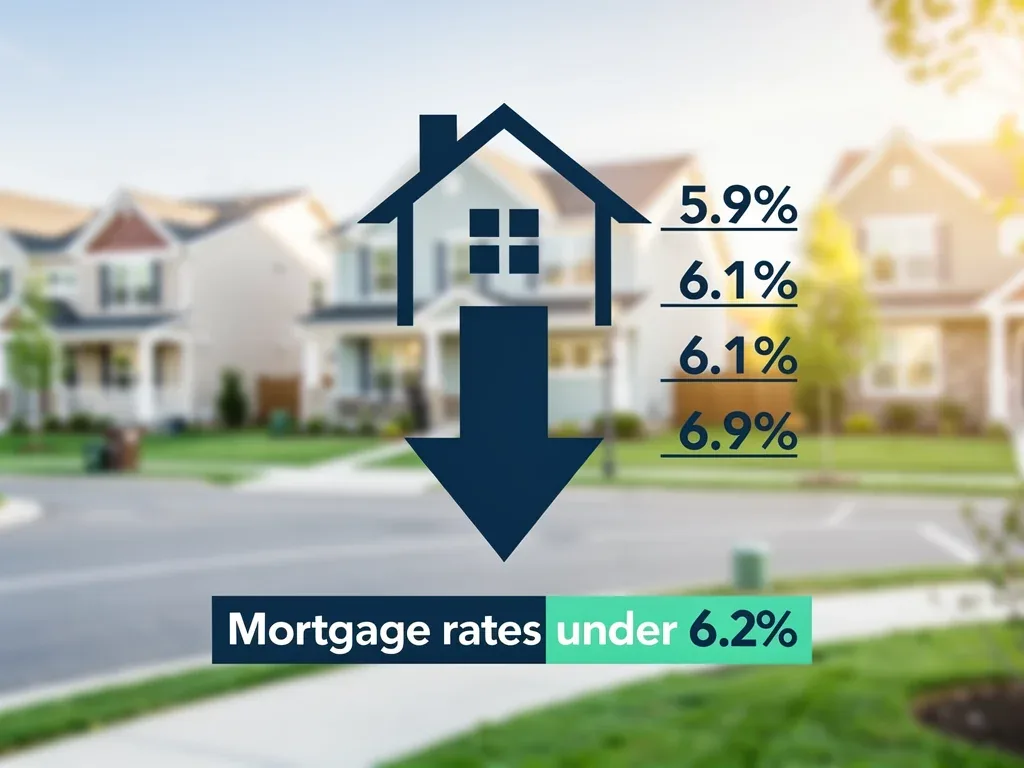
The 30-year mortgage rate dipping below 6.2% is a pivotal development that is actively reshaping the national housing market, directly impacting affordability and stimulating renewed buyer interest across the United States.
The national housing market has been a rollercoaster of highs and lows in recent years, but a significant shift is now underway. The 30-year mortgage rate dipping below 6.2% marks a critical turning point, potentially reshaping the landscape for homebuyers, sellers, and the broader economy. What does this mean for prospective homeowners and the existing market?
Understanding the Mortgage Rate Drop
The recent descent of the 30-year fixed-rate mortgage below the 6.2% threshold is more than just a minor adjustment; it's a major economic indicator with profound implications. This reduction in borrowing costs directly translates to more accessible homeownership for many Americans who were previously sidelined by higher rates.
For months, prospective buyers faced a challenging environment where elevated interest rates significantly eroded their purchasing power. A drop of even a few basis points can translate into hundreds of dollars saved on monthly mortgage payments, making the dream of owning a home suddenly achievable for a wider segment of the population.
Factors Influencing the Decline
Several macroeconomic factors contribute to fluctuations in mortgage rates. Understanding these underlying forces provides a clearer picture of why we're seeing this current dip.
- Inflation Trends: Slower inflation often signals to the Federal Reserve that aggressive rate hikes may not be necessary, leading to a more stable or even declining rate environment.
- Economic Outlook: A cautious or slowing economic outlook can also push bond yields, which mortgage rates often track, downwards as investors seek safer assets.
- Global Market Stability: International economic events and geopolitical stability can influence investor confidence, affecting the demand for U.S. Treasury bonds and, consequently, mortgage rates.
This confluence of factors has created a window of opportunity that many in the real estate sector are closely monitoring. The market is highly sensitive to these shifts, and even small changes can trigger substantial reactions from both buyers and sellers, leading to a dynamic and evolving landscape.
Increased Buyer Demand and Affordability
One of the most immediate and impactful consequences of lower mortgage rates is the surge in buyer demand. When monthly payments become more affordable, more individuals and families can qualify for loans, expanding the pool of eligible homebuyers.
This renewed interest can breathe new life into a market that may have experienced a slowdown due to previous rate hikes. The psychological effect on buyers is also significant; a sense of urgency can develop as people rush to lock in lower rates before they potentially climb again, creating a competitive environment.
Enhanced Purchasing Power
The direct correlation between mortgage rates and purchasing power is undeniable. A lower interest rate means that for the same monthly payment, a buyer can afford a more expensive home. This allows buyers to either secure a larger property, choose a more desirable location, or simply reduce their overall financial strain.
Consider a scenario where a buyer could only afford a $350,000 home at 7% interest. With rates dropping below 6.2%, that same buyer might now be able to comfortably purchase a $375,000 or even $400,000 home. This expansion of purchasing power is a key driver behind the current market reshuffle.
Impact on First-Time Homebuyers
First-time homebuyers, often the most rate-sensitive segment of the market, stand to benefit significantly. Lower rates can reduce the barrier to entry, making the initial investment seem less daunting. This group often struggles with down payments and closing costs, so any reduction in the ongoing cost of ownership is a major advantage. Their re-entry into the market can create a ripple effect, increasing demand for entry-level homes and potentially creating upward pressure on prices in those segments.

The increased affordability is not just about the monthly payment; it also impacts the total interest paid over the life of the loan, offering long-term financial benefits. This makes homeownership a more attractive and sustainable option for many who were previously on the fence.
Shifting Seller Dynamics and Inventory
The dip in mortgage rates doesn't just affect buyers; it also has a profound influence on sellers and the overall housing inventory. When rates were higher, many potential sellers were hesitant to list their homes, fearing they would trade their existing low-rate mortgages for new, more expensive ones.
This created a 'lock-in effect,' contributing to historically low inventory levels. With rates now falling, some of these hesitant sellers may feel more comfortable making a move, potentially leading to an increase in homes available on the market.
Potential for Increased Listings
- Upgrade Opportunity: Homeowners with substantial equity might consider selling their current property to move into a larger or more desirable home, now that financing is more affordable.
- Relocation Decisions: Individuals or families who postponed relocation plans due to high rates may now proceed, adding their homes to the market.
- Investment Properties: Investors might find the landscape more appealing for selling existing properties or acquiring new ones, influenced by better financing options.
However, it's important to note that this shift in seller behavior may not be immediate or uniform across all markets. Factors like local economic conditions, job growth, and individual financial situations will continue to play a role.
Impact on Home Prices and Market Competition
The relationship between mortgage rates, buyer demand, and home prices is complex and dynamic. While lower rates generally boost demand, which can put upward pressure on prices, the overall impact depends on a delicate balance with inventory levels.
If the increase in buyer demand outpaces any new inventory coming onto the market, we could see a resurgence of competitive bidding and continued home price appreciation. Conversely, a significant influx of new listings could help stabilize or even temper price growth.
Regional Variations in Price Trends
The national housing market is not monolithic; different regions will experience the effects of lower mortgage rates in varied ways. Areas with strong job markets, limited land availability, or high population growth may see more pronounced price increases. In contrast, regions with an abundance of new construction or slower economic growth might experience a more balanced market.
Understanding these regional nuances is crucial for both buyers and sellers. What happens in a bustling metropolitan area might be very different from the trends in a more rural or suburban market. Local market conditions, including employment rates and local government policies, always play a significant role.
The key takeaway is that while the national trend suggests increased activity, localized factors will determine the extent of price changes and competition. Buyers should research their specific target markets thoroughly.
Refinancing Opportunities and Existing Homeowners
The drop in the 30-year mortgage rate also presents significant opportunities for existing homeowners. Many homeowners who purchased or refinanced when rates were higher may now find themselves in a position to lower their monthly payments through refinancing.
Refinancing can not only reduce monthly expenses but also free up capital for other investments, home improvements, or debt consolidation. This can provide a much-needed financial boost to households, contributing to broader economic stability.
Benefits of Refinancing
- Lower Monthly Payments: The most obvious benefit, reducing the amount paid each month, can significantly improve household cash flow.
- Reduced Total Interest Paid: Over the life of the loan, a lower interest rate can save tens of thousands of dollars in interest.
- Access to Equity: Cash-out refinancing allows homeowners to tap into their home equity for various needs, often at a lower interest rate than other loan types.
- Change Loan Term: Some homeowners might choose to refinance from a 30-year to a 15-year mortgage, or vice-versa, depending on their financial goals and risk tolerance.
However, homeowners should carefully weigh the costs associated with refinancing, such as closing costs and fees, against the potential savings. A thorough analysis of their current loan terms and future financial goals is essential before making a decision.
Economic Implications and Future Outlook
The reshuffling of the national housing market due to lower mortgage rates has broader economic implications. A healthier housing market can stimulate economic growth through increased construction activity, home sales, and related industries like furnishing, appliances, and renovations.
Consumer confidence often improves with a stable or growing housing market, leading to increased spending and investment. This positive feedback loop can contribute to overall economic resilience. Policymakers and economists closely monitor these trends as they provide valuable insights into the health and direction of the national economy.
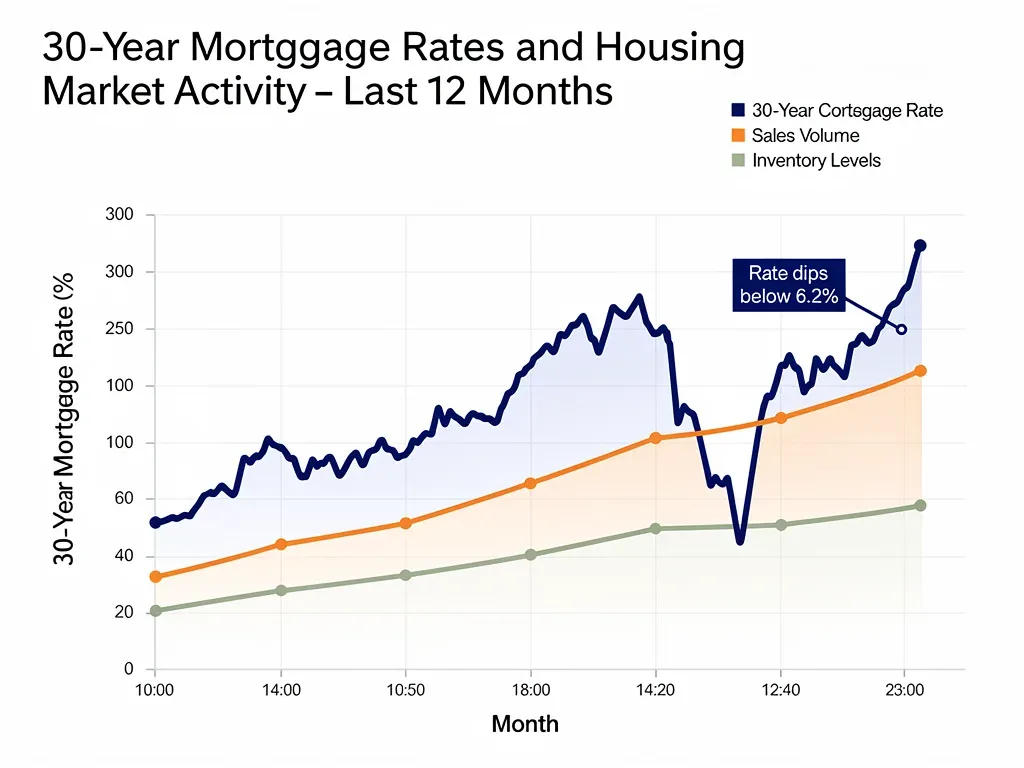
Potential Headwinds and Considerations
While the outlook appears positive, several factors could still influence the market's trajectory. Inflationary pressures, geopolitical events, and unexpected shifts in monetary policy could all impact future mortgage rate movements. The supply of housing also remains a critical factor; if new construction cannot keep pace with demand, affordability challenges could persist.
The market's ability to absorb increased demand without triggering excessive price inflation will be key to a sustainable recovery. Careful monitoring of inventory levels, construction starts, and economic indicators will be essential for understanding the long-term effects of this rate dip.
The current dip in the 30-year mortgage rate below 6.2% represents a significant moment for the national housing market. It has the potential to unlock pent-up demand, alleviate some inventory pressures, and provide much-needed relief to both prospective and existing homeowners. While the market will undoubtedly continue to evolve, this rate adjustment offers a fresh perspective on homeownership in the United States.
| Key Point | Brief Description |
|---|---|
| Mortgage Rate Drop | 30-year fixed-rate mortgage below 6.2% increases affordability. |
| Increased Buyer Demand | Lower rates boost purchasing power and attract more first-time homebuyers. |
| Shifting Seller Dynamics | Potential for increased inventory as homeowners are more willing to sell. |
| Refinancing Opportunities | Existing homeowners can lower payments, save interest, or access equity. |
Frequently Asked Questions About Mortgage Rate Changes
What does a 30-year mortgage rate below 6.2% mean for me?▼A rate below 6.2% typically means lower monthly mortgage payments, increasing your buying power. This can make homeownership more affordable and accessible, allowing you to qualify for a larger loan amount or reduce your overall housing costs significantly.
How does this rate drop affect home prices?▼Generally, lower mortgage rates boost buyer demand. If demand outpaces housing supply, home prices tend to rise due to increased competition. However, a significant increase in inventory could help stabilize or temper price growth in some markets.
Should I consider refinancing my current mortgage now?▼If your current mortgage rate is significantly higher than 6.2%, refinancing could save you money on monthly payments and total interest over the loan's life. It's wise to evaluate closing costs against potential savings to determine if it's financially beneficial for your situation.
Will this rate trend continue, or is it temporary?▼Mortgage rates are influenced by various economic factors, including inflation, Federal Reserve policies, and global stability. While predicting future trends is challenging, current indicators suggest a more favorable environment, though rates can fluctuate based on market changes.
What impact does this have on housing inventory?▼Lower rates may encourage more existing homeowners to sell, as they can upgrade or relocate without incurring much higher mortgage payments. This could lead to an increase in available housing inventory, easing supply constraints in some areas.
Conclusion
The recent dip in the 30-year mortgage rate below 6.2% is undoubtedly a significant development that is already reshaping the national housing market. It has the potential to unlock pent-up demand, alleviate some inventory pressures, and provide much-needed relief to both prospective and existing homeowners. While the market will undoubtedly continue to evolve, this rate adjustment offers a fresh perspective on homeownership in the United States. Staying informed about these evolving trends will be crucial for anyone navigating the dynamic world of real estate.
