US Inflation Settles at 2.4%: Reshaping Purchasing Power
Advertisements
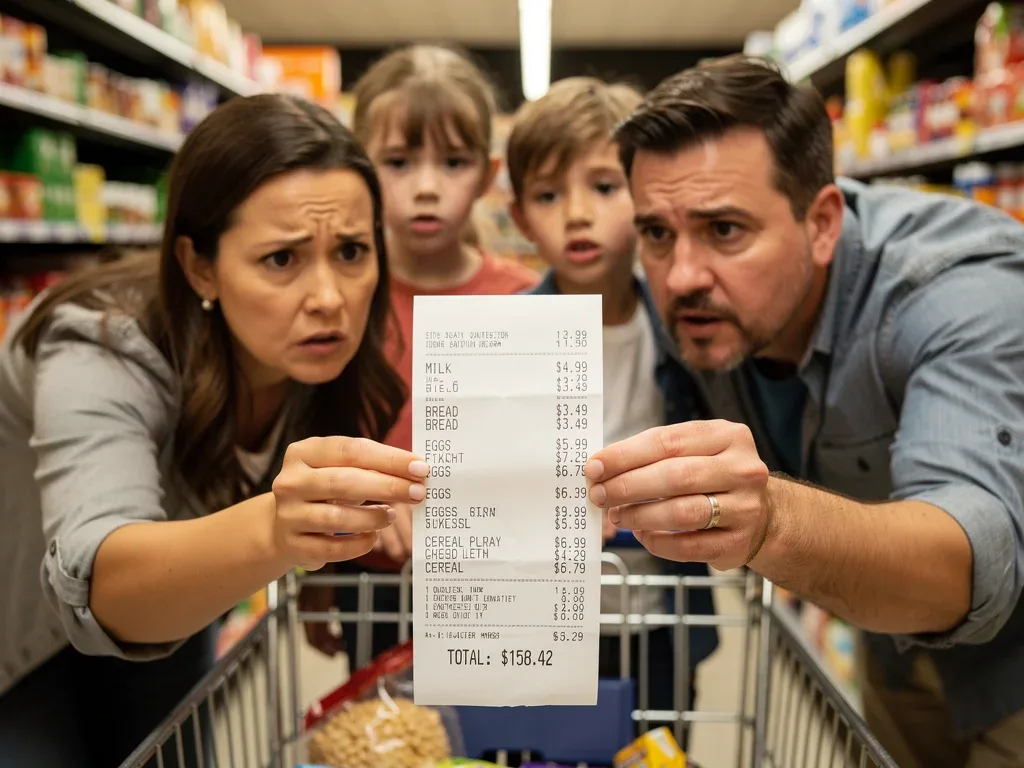
US inflation settling at 2.4% marks a significant shift in the economic landscape, directly influencing household purchasing power and requiring consumers to adapt their financial strategies.
The latest figures indicate that US inflation settles at 2.4%: how consumer price shifts are reshaping household purchasing power, a development that carries profound implications for every American household. This moderation, while a welcome sign for some, fundamentally alters the economic calculus for millions, demanding a reevaluation of spending habits, savings strategies, and investment choices.
Understanding the 2.4% Inflation Figure
The announcement that US inflation has settled at 2.4% is a pivotal moment in the nation's economic narrative. This figure represents the year-over-year percentage change in the Consumer Price Index (CPI), a key measure of the average change over time in the prices paid by urban consumers for a market basket of consumer goods and services. A rate of 2.4% is often considered within a healthy range by central banks, suggesting a balance between economic growth and price stability.
However, the headline number often masks the nuanced impacts felt across different sectors and by various income groups. While the overall rate might be subdued, specific categories of goods and services could still be experiencing higher-than-average price increases, directly affecting household budgets in ways that the aggregate figure doesn't fully capture. It's essential to delve deeper than the surface to understand what this 2.4% truly means for the average American family.
This 2.4% figure is a significant departure from the higher inflation rates observed in previous periods, reflecting a complex interplay of supply chain normalization, shifts in consumer demand, and monetary policy adjustments. Understanding its components is crucial for comprehending its broader economic implications.
Impact on Everyday Consumer Spending
When US inflation settles at 2.4%, it doesn't mean prices are falling; rather, it signifies that prices are rising at a slower, more manageable pace. For consumers, this translates into a continued, albeit less aggressive, erosion of purchasing power. The cost of everyday necessities, from groceries to gasoline, continues its upward trajectory, albeit at a reduced gradient compared to peak inflationary periods.
Grocery Bills and Household Essentials
Food prices, a major component of household budgets, have seen varying degrees of change. While some staples might show price stability, others, particularly fresh produce or imported goods, could still be subject to inflationary pressures. This forces families to make strategic choices at the supermarket.
- Switching to generic brands to save money.
- Reducing consumption of non-essential food items.
- Shopping at discount stores or bulk retailers.
- Planning meals more carefully to minimize waste.
These adjustments, though seemingly minor, accumulate over time and represent a tangible shift in consumer behavior driven by persistent, even if moderate, inflation.
Transportation Costs and Commuting
Fuel prices remain a significant factor in household expenses. While the rate of increase might slow, any continued rise directly impacts commuters and families reliant on personal vehicles. Public transportation costs and vehicle maintenance also contribute to this burden.
The 2.4% inflation rate means that while the sticker shock at the pump might be less frequent, the cumulative effect over months still adds up. Households may consider carpooling, utilizing public transport more often, or even relocating closer to work to mitigate these rising costs, illustrating how pervasive these effects are.
Ultimately, the impact on everyday consumer spending is about adaptation. Households are becoming more discerning with their expenditures, prioritizing needs over wants, and actively seeking ways to stretch their dollars further in an environment where prices are still climbing, even if at a slower rate.
Wage Growth vs. Inflation: The Real Purchasing Power Test
The true measure of a household's financial well-being under a 2.4% inflation rate lies in how wage growth keeps pace. If wages are increasing at a rate higher than 2.4%, then consumers effectively gain purchasing power, as their income can buy more goods and services. Conversely, if wage growth lags behind, even a moderate inflation rate can lead to a decline in real income.
Recent data suggests a mixed picture. While some sectors have seen robust wage increases, others, particularly those in lower-wage brackets, may find their incomes barely keeping up, or even falling behind, the cost of living. This disparity creates a widening gap in economic experience across different demographics.
Sectoral Wage Disparities
The tech and healthcare sectors, for instance, might be experiencing higher wage growth due to demand for skilled labor. In contrast, retail or hospitality workers might see more modest increases, making them more vulnerable to the eroding effects of inflation.
- High-demand industries often command better salary adjustments.
- Unionized workers may have stronger bargaining power for wage increases.
- Gig economy workers face more volatile income streams, making inflation harder to absorb.
These differences highlight that the impact of inflation is not uniform; it's a deeply personal experience shaped by individual employment circumstances.
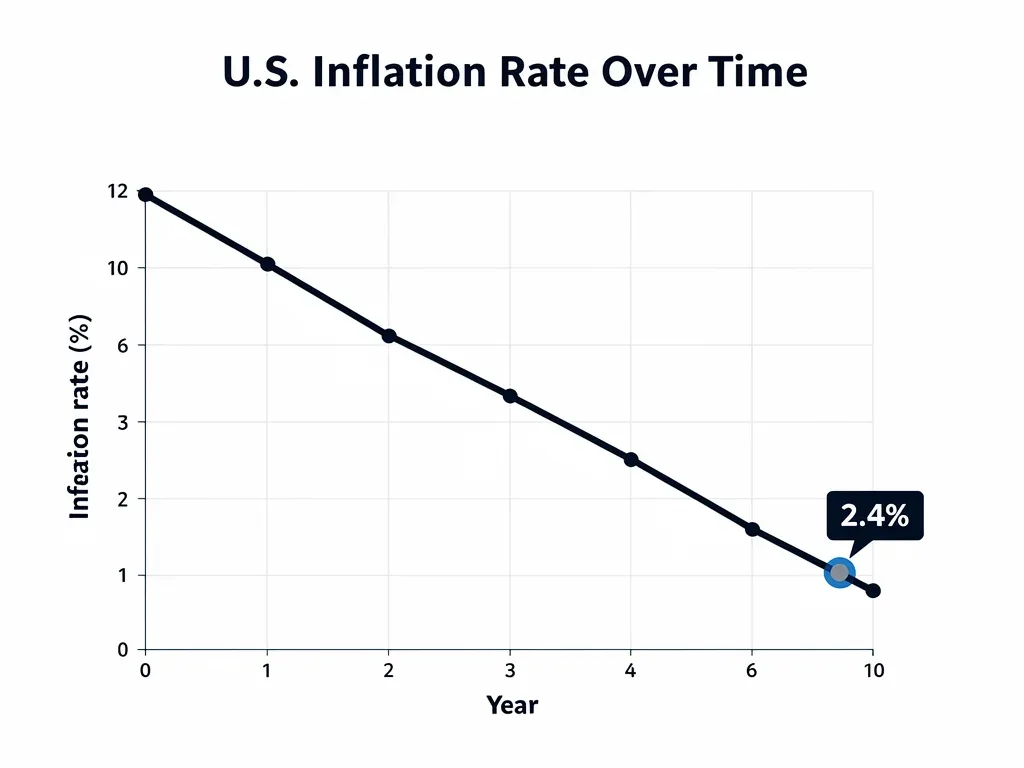
The concept of 'real wages' becomes paramount here. Real wages account for inflation, providing a more accurate picture of how much purchasing power an individual's income truly holds. A 2.4% inflation rate requires wage growth to exceed this threshold for consumers to feel genuinely better off. Without this, even with a seemingly moderate inflation rate, many will find their budgets tightening.
Investment and Savings Strategies in a 2.4% Inflation Environment
For investors and savers, a 2.4% inflation rate presents both challenges and opportunities. While not as aggressive as higher inflation, it still necessitates careful consideration of where to park funds to preserve and grow wealth. Traditional savings accounts, with often meager interest rates, are unlikely to outpace even this moderate inflation, leading to a slow but steady loss of purchasing power.
This environment encourages a shift towards investments that historically perform well during periods of moderate inflation, or those that offer yields above the inflation rate. Diversification and strategic asset allocation become even more critical to safeguard against the subtle erosion of capital.
Protecting Savings from Erosion
Cash held in conventional savings accounts or low-yield instruments will likely lose value in real terms. Individuals need to seek alternatives that offer better returns.
- High-yield savings accounts or money market funds.
- Certificates of Deposit (CDs) with competitive rates.
- Treasury Inflation-Protected Securities (TIPS) for direct inflation protection.
These options, while not always offering spectacular returns, are designed to at least keep pace with or slightly exceed the inflation rate, preserving the real value of savings.
Strategic Investment Choices
Equity markets can be a hedge against inflation, particularly companies with strong pricing power. Real estate, commodities, and certain types of bonds might also offer protection.
A 2.4% inflation rate might not trigger panic, but it should certainly prompt a review of one's financial portfolio. The goal is not just nominal growth, but real growth – increasing wealth faster than the rate at which its purchasing power diminishes. This requires an active and informed approach to financial planning, understanding that even moderate inflation demands a response.
Government Policies and Economic Outlook
The Federal Reserve and other government bodies closely monitor inflation figures like the 2.4% rate to inform their monetary and fiscal policies. This specific rate, often within the Fed's target range for price stability, suggests a more balanced economic environment, potentially influencing decisions on interest rates and quantitative easing.
A stable, moderate inflation rate can signal confidence in the economy's ability to grow without overheating. This outlook can, in turn, affect business investment, employment rates, and overall market sentiment. However, policymakers remain vigilant, as economic conditions can shift rapidly.
Monetary Policy Adjustments
With inflation settling at 2.4%, the Federal Reserve might adopt a more measured approach to interest rate adjustments. This could mean a pause in rate hikes or even discussions about potential rate cuts in the future, depending on other economic indicators like employment and GDP growth.
- Impact on borrowing costs for consumers and businesses.
- Influence on mortgage rates and consumer loans.
- Effects on the bond market and fixed-income investments.
These policy decisions have a cascading effect throughout the economy, directly touching everything from the cost of buying a home to the profitability of businesses.

Furthermore, government fiscal policies, such as tax reforms or spending initiatives, are often shaped by the current inflationary environment. A 2.4% inflation rate allows for more flexibility in these policies, as there's less immediate pressure to combat runaway price increases. The economic outlook under this scenario is generally more stable, fostering an environment where businesses can plan with greater certainty and consumers can make more informed financial decisions.
Adapting Household Budgets to New Realities
For many households, the 2.4% inflation rate, while lower than recent peaks, still necessitates a proactive approach to budgeting and financial planning. It's not just about cutting back, but about optimizing spending and identifying areas where adjustments can yield the most benefit. This adaptation is crucial for maintaining financial stability and even improving it in the face of ongoing price increases.
The key is to create a dynamic budget that can respond to subtle shifts in consumer prices. Regularly reviewing expenses and income, and making informed decisions about where money is allocated, becomes a cornerstone of sound financial management.
Strategies for Budget Optimization
Adopting smart budgeting practices can help mitigate the effects of persistent inflation. This involves a detailed look at income and expenditure, identifying discretionary spending that can be reduced or eliminated.
- Tracking all expenses rigorously to identify spending patterns.
- Creating a realistic budget that prioritizes essential needs.
- Automating savings to ensure consistent contributions.
- Seeking out discounts, sales, and loyalty programs to maximize value.
These practical steps empower households to regain a sense of control over their finances, even when external economic factors are at play.
Long-Term Financial Planning Adjustments
Beyond immediate budgeting, households should also consider how 2.4% inflation impacts their long-term financial goals, such as retirement planning, college savings, and major purchases. The erosion of purchasing power, however slight, can compound over decades.
This might mean adjusting retirement contribution levels, re-evaluating investment portfolios to ensure they're outperforming inflation, or even delaying certain large expenditures. The new reality of US inflation settling at 2.4% demands not just short-term fixes but a fundamental recalibration of financial strategies to ensure future financial security.
The Broader Economic Implications of Moderate Inflation
A sustained inflation rate of around 2.4% has significant broader economic implications that extend beyond individual household budgets. It influences business decisions, international trade, and the overall stability of the financial system. Understanding these wider effects is crucial for a complete picture of the current economic landscape.
For businesses, a predictable and moderate inflation rate can be beneficial. It allows for more stable pricing strategies, easier long-term planning, and can even encourage investment as the cost of capital becomes more predictable. However, businesses must also contend with rising input costs, which can squeeze profit margins if not managed effectively.
Business Investment and Growth
When inflation is stable at 2.4%, businesses can forecast future costs and revenues with greater certainty. This stability often encourages investment in new projects, expansion, and hiring, contributing to overall economic growth.
- Predictable operational costs foster business confidence.
- Investment in technology and efficiency can mitigate rising labor costs.
- Stable consumer demand allows for more consistent production planning.
Conversely, unexpected spikes or dips in inflation can introduce uncertainty, leading businesses to defer investment decisions and slow down growth.
International Trade and Currency Value
The US inflation rate also impacts the dollar's value relative to other currencies. A moderate and stable inflation rate can contribute to a stronger, more stable dollar, which has implications for imports and exports.
A stronger dollar makes imports cheaper for US consumers but makes US exports more expensive for international buyers. This can shift trade balances and influence global economic dynamics. The 2.4% figure, therefore, is not just a domestic concern but a factor in the intricate web of global commerce. Overall, a moderate inflation rate like 2.4% is generally viewed as a sign of a healthy, growing economy, provided that wage growth keeps pace and doesn't lead to significant erosion of purchasing power for the majority of the population.
| Key Point | Brief Description |
|---|---|
| Inflation Rate | US inflation has settled at 2.4%, indicating a slower but persistent rise in consumer prices. |
| Purchasing Power | Households must adapt spending habits as real income is tested against this moderate inflation. |
| Financial Strategy | Reviewing investments and savings is crucial to outpace inflation and preserve wealth. |
| Economic Outlook | Government policies will reflect this rate, influencing interest rates and overall market stability. |
Frequently Asked Questions About US Inflation at 2.4%
What does 2.4% inflation mean for my daily expenses?▼It means prices are still rising, but at a slower rate than before. You'll likely continue to see gradual increases in costs for groceries, gas, and other necessities, requiring ongoing budget adjustments to manage your spending effectively.
How does 2.4% inflation affect my savings?▼If your savings account interest rate is below 2.4%, your money is losing purchasing power over time. It's advisable to seek higher-yield savings options or consider investments that can outpace this rate to preserve your wealth.
Will my wages keep up with 2.4% inflation?▼That depends on your industry and employer. For your purchasing power to grow, your wage increases need to exceed 2.4%. If they don't, your real income will effectively decrease, making it harder to afford goods and services.
What role does the Federal Reserve play in this inflation rate?▼The Federal Reserve closely monitors inflation to guide its monetary policy, including interest rate decisions. A 2.4% rate, often within its target, may lead to more stable policies, potentially influencing borrowing costs and economic growth.
How can households adapt their budgets to this inflation?▼Households can adapt by tracking expenses, prioritizing needs, seeking discounts, and re-evaluating long-term financial goals. Creating a dynamic budget that responds to price shifts is crucial for maintaining financial stability.
Conclusion
The stabilization of US inflation at 2.4% represents a significant juncture in the nation's economic journey. While it signals a moderation from earlier, more volatile periods, its implications for household purchasing power are far from negligible. Consumers are compelled to navigate a landscape where prices continue to rise, albeit at a slower pace, demanding strategic adjustments in spending, saving, and investing. This moderate inflation rate shapes not only individual financial decisions but also influences broader governmental policies and the overall economic outlook, underscoring the interconnectedness of micro and macro-economic factors. Adapting to this new reality is crucial for maintaining financial resilience and fostering sustainable economic growth across the United States.
