Cellular Agriculture Breakthroughs: 6 Precision Fermentation Approvals
Advertisements

Six new precision fermentation approvals are set to profoundly transform the US food system, fostering the development of sustainable, animal-free ingredients and accelerating the commercialization of cellular agriculture.
The landscape of food production is undergoing a monumental shift, driven by advancements in biotechnology. Among these, precision fermentation approvals are emerging as a pivotal force, signaling a new era for the US food system. This innovative technology promises to deliver sustainable, animal-free alternatives for a wide array of food ingredients, challenging traditional agricultural methods and offering solutions to pressing global challenges.
Understanding Precision Fermentation: A Game Changer
Precision fermentation is a revolutionary technology that harnesses microorganisms to produce specific functional ingredients, such as proteins, fats, or vitamins, without the need for animal agriculture. This process is akin to brewing beer, but instead of alcohol, the microbes are engineered to produce desired food components.
This method offers significant advantages over conventional production, including reduced land and water usage, lower greenhouse gas emissions, and enhanced product consistency. It represents a critical step towards creating a more resilient and sustainable food supply chain for the future.
The Science Behind the Innovation
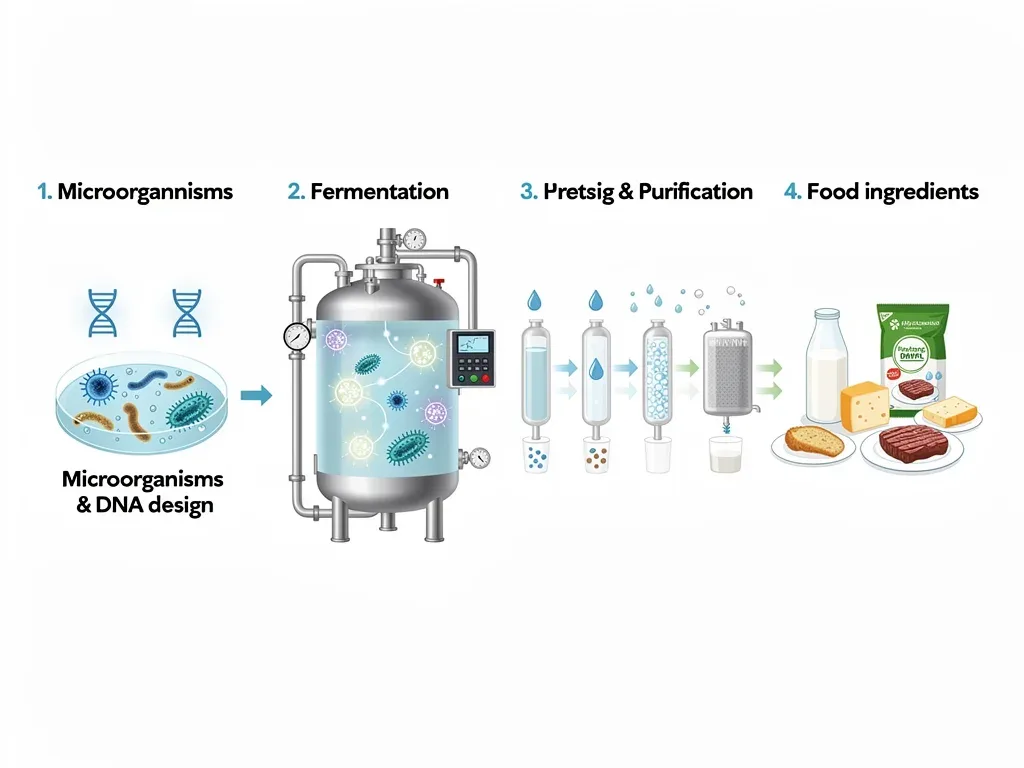
At its core, precision fermentation involves genetically modified microorganisms, often yeast or fungi, that are programmed to produce specific molecules. These microbes are fed simple sugars in bioreactors, where they multiply and secrete the desired compounds. The compounds are then harvested and purified for use in food products.
- Microbial Hosts: Commonly used organisms include various strains of yeast (e.g., Pichia pastoris, Saccharomyces cerevisiae) and filamentous fungi.
- Genetic Engineering: Genes encoding the desired protein or molecule are inserted into the host organism's DNA, enabling it to produce the target compound.
- Bioreactors: Controlled environments where microorganisms are grown under optimal conditions (temperature, pH, nutrient supply) to maximize production.
- Downstream Processing: After fermentation, the desired product is separated from the microbial cells and purified to food-grade standards.
The precision in this process ensures high purity and consistent quality of the ingredients, which is often difficult to achieve with traditional agricultural methods. This scientific rigor underpins the trust and regulatory acceptance now being seen.
In essence, precision fermentation allows us to decouple food ingredient production from animal farming, addressing ethical concerns and environmental impacts simultaneously. The recent regulatory approvals underscore the growing confidence in this technology's safety and efficacy, paving the way for its broader integration into our diets.
The Significance of Six New US Approvals
The recent approval of six new precision fermentation-derived ingredients in the US marks a pivotal moment for the cellular agriculture industry. These approvals, granted by regulatory bodies like the FDA, signify a robust endorsement of the safety and potential of these novel food components. Each approval opens new avenues for food manufacturers to innovate and offers consumers more sustainable and ethically produced choices.
These regulatory milestones are not merely bureaucratic checkboxes; they are critical validations that allow companies to scale production and bring these products to market. Without such approvals, even the most groundbreaking innovations remain confined to the lab. The sheer number of recent approvals indicates a growing acceptance and understanding of precision fermentation technologies within regulatory frameworks.
Broadening the Scope of Sustainable Ingredients
The approved ingredients span a diverse range, from dairy proteins to specialized fats, each designed to replicate or enhance existing food functionalities. This diversity is crucial, as it demonstrates the versatility of precision fermentation beyond just a few niche products. It suggests that a wide array of conventional ingredients could eventually be produced through this sustainable method.
- Dairy Proteins: Caseins and whey proteins, identical to those found in cow's milk, enabling the creation of animal-free dairy products with authentic taste and texture.
- Fats: Specific fatty acids or lipids that can replicate the mouthfeel and cooking properties of animal fats, suitable for alternative meats and baked goods.
- Enzymes: Highly efficient enzymes used in various food processing applications, such as cheese making or flavor development, without animal-derived sources.
- Vitamins and Pigments: Production of essential micronutrients and natural colorants, enhancing nutritional profiles and visual appeal sustainably.
These approvals accelerate the transition towards a food system less reliant on traditional animal agriculture. They empower food companies to develop products that align with consumer demands for sustainability, health, and ethical sourcing, without compromising on taste or functionality. This expansion of ingredient options is a direct outcome of rigorous scientific research and successful navigation of regulatory pathways.
Impact on the US Food System: A Paradigm Shift
The integration of precision fermentation-derived ingredients into the US food system is poised to trigger a profound paradigm shift. This technology offers solutions to several long-standing challenges, including environmental sustainability, food security, and public health concerns associated with intensive animal farming. The ripple effects will be felt across the entire food supply chain, from agricultural practices to consumer choices.
One of the most immediate impacts will be on the availability and diversity of animal-free products. With ingredients like authentic dairy proteins produced without cows, the quality and sensory experience of plant-based alternatives are expected to improve dramatically. This could lead to a significant increase in consumer adoption, pushing traditional industries to adapt.
Economic and Environmental Advantages
From an economic standpoint, precision fermentation could stabilize ingredient costs by reducing reliance on volatile agricultural commodities. It also creates new industries and job opportunities in biotechnology, manufacturing, and research and development. Environmentally, the benefits are substantial, addressing some of the most pressing issues of our time.
- Reduced Greenhouse Gas Emissions: Significantly lower carbon footprint compared to conventional animal agriculture.
- Decreased Land and Water Use: Requires a fraction of the land and water needed for traditional farming, freeing up resources.
- Enhanced Food Security: Less susceptible to climate change impacts, disease outbreaks, and geopolitical disruptions, leading to a more stable food supply.
- Ethical Sourcing: Provides animal-free alternatives, appealing to a growing segment of ethical consumers.
These advantages position precision fermentation as a key technology for building a more resilient and sustainable food future. The approvals validate the potential for these new ingredients to contribute positively to both the economy and the planet, fostering a new era of food production that is both innovative and responsible.
Challenges and Opportunities for Widespread Adoption
While the recent approvals are a significant leap forward, the path to widespread adoption of precision fermentation still presents several challenges. Consumer acceptance, scalability of production, and competitive pricing are critical factors that will determine the ultimate success of these new ingredients in the market. Education and transparency will be vital in building consumer trust and familiarity.
One of the primary hurdles is ensuring that products made with precision fermentation are not only sustainable but also delicious and affordable. Companies must invest in research and development to optimize taste, texture, and nutritional profiles, while simultaneously driving down production costs to compete with conventional alternatives.
Navigating Consumer Perceptions and Market Dynamics
Consumer perception of genetically engineered ingredients can be a significant barrier. Clear labeling, public education campaigns, and endorsement from trusted health organizations will be crucial to overcoming skepticism and fostering acceptance. The narrative needs to shift from 'engineered food' to 'sustainable, high-quality, and ethical food.'
- Transparency: Openly communicating how ingredients are made and their benefits.
- Education: Informing consumers about the scientific process and environmental advantages.
- Taste and Texture: Ensuring products meet or exceed the sensory expectations of traditional foods.
- Affordability: Making precision fermentation products competitive with conventional options to drive mass adoption.
Despite these challenges, the opportunities are immense. The market for alternative proteins and sustainable food solutions is rapidly expanding, driven by environmental concerns, health trends, and ethical considerations. Precision fermentation is uniquely positioned to capture a significant share of this growing market by offering superior products that align with evolving consumer values.
Regulatory Landscape and Future Outlook
The US regulatory framework, particularly the FDA's rigorous approval process, plays a crucial role in shaping the future of cellular agriculture. The recent approvals demonstrate a growing understanding and willingness within regulatory bodies to evaluate and approve novel food technologies. This structured approach ensures product safety and builds public confidence, which is essential for market growth.
As the technology continues to evolve, regulators will likely refine their guidelines to keep pace with innovation. A harmonized global regulatory approach would further accelerate the industry's growth, facilitating international trade and reducing complexities for companies operating across different markets.
Anticipating Future Innovations and Regulatory Shifts
The current approvals are just the beginning. The field of precision fermentation is rapidly advancing, with researchers exploring new microbial hosts, optimizing production processes, and discovering novel ingredients. We can expect to see an even wider range of precision fermentation-derived products entering the market in the coming years, from functional ingredients to complete food products.
- Expanded Ingredient Portfolio: Development of more complex molecules, such as growth factors for cultivated meat or highly specialized flavor compounds.
- Cost Reductions: Continuous improvements in fermentation efficiency and downstream processing will drive down production costs.
- New Applications: Beyond food, precision fermentation has potential in pharmaceuticals, cosmetics, and materials science.
- Global Harmonization: Increased collaboration among international regulatory bodies to standardize approval processes.
The future outlook for precision fermentation is incredibly promising. With sustained investment, continued scientific breakthroughs, and a supportive regulatory environment, this technology is set to become a cornerstone of the global food system, offering sustainable, ethical, and efficient ways to feed a growing population. The recent approvals are a clear indication that the US is embracing this future.
Consumer Benefits and Market Transformation
The ultimate beneficiaries of these precision fermentation breakthroughs are consumers. These advancements translate into a wider array of sustainable, high-quality food options that align with various dietary preferences and ethical considerations. The market will witness a transformation, moving towards products that are not only innovative but also more environmentally friendly and often healthier.
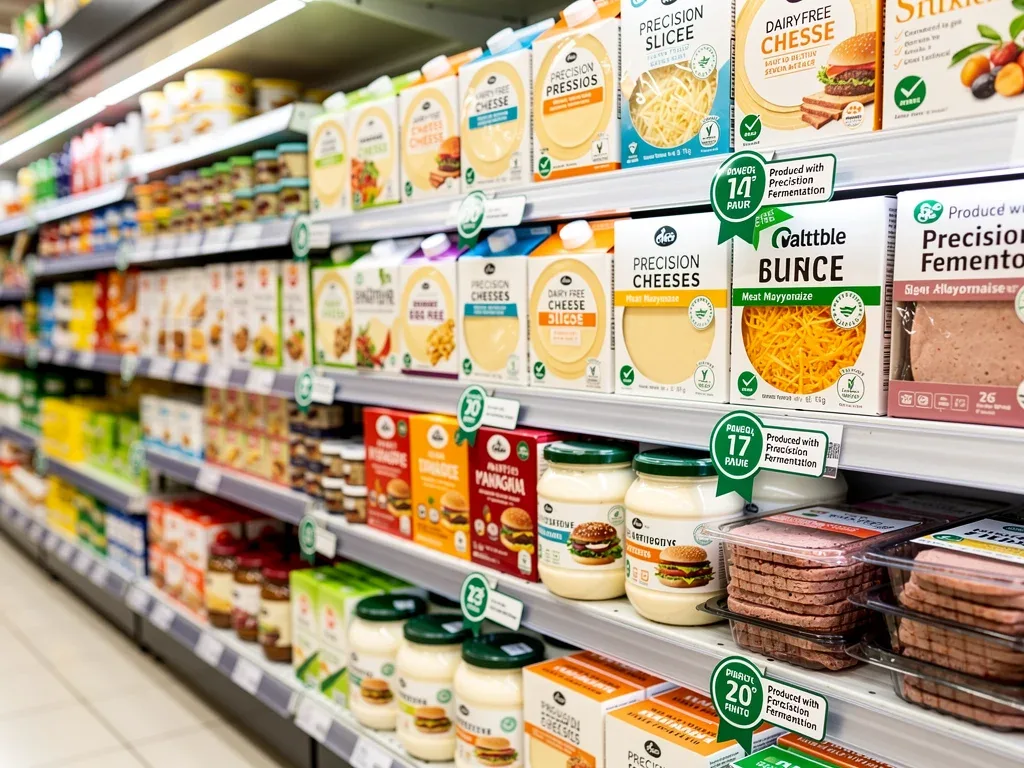
Consumers can look forward to animal-free dairy products that taste and perform identically to their traditional counterparts, egg-free alternatives with superior functionality, and new protein sources that are both nutritious and sustainable. This shift empowers consumers to make choices that support their values without sacrificing taste or convenience.
Health, Ethics, and Sustainability
Precision fermentation offers distinct advantages across three key dimensions: health, ethics, and sustainability. From a health perspective, these ingredients can be designed to be free from allergens, cholesterol, or saturated fats often found in animal products. Ethically, they provide alternatives that avoid animal exploitation, appealing to a growing vegan and vegetarian population.
- Dietary Inclusivity: Offers options for individuals with allergies or specific dietary restrictions (e.g., lactose intolerance).
- Nutritional Enhancement: Can be engineered to produce specific vitamins, minerals, or beneficial compounds.
- Reduced Contamination Risk: Production in controlled bioreactors minimizes the risk of pathogens and antibiotics.
- Environmental Stewardship: Significantly less environmental impact compared to traditional animal agriculture.
The market transformation driven by precision fermentation will extend beyond individual product categories. It will influence supply chains, retail strategies, and even agricultural policy. As consumers increasingly demand more sustainable and ethical food, companies that embrace precision fermentation will be well-positioned to meet these evolving needs, fostering a more innovative and responsible food industry.
| Key Aspect | Brief Description |
|---|---|
| Regulatory Approvals | Six new US approvals validate safety and open market for diverse precision fermentation ingredients. |
| Environmental Impact | Significant reductions in land, water use, and greenhouse gas emissions compared to traditional agriculture. |
| Consumer Benefits | Offers sustainable, ethical, and often healthier animal-free alternatives for various food categories. |
| Market Transformation | Drives innovation in food production, creating new industries and diversifying the food supply chain. |
Frequently Asked Questions
What is precision fermentation?▼Precision fermentation is a process where microorganisms are engineered to produce specific functional ingredients, such as proteins, fats, or enzymes, without using animals. It leverages biotechnology to create sustainable and animal-free food components, offering a novel approach to food production.
How do these approvals impact the US food system?▼These approvals accelerate the integration of sustainable, animal-free ingredients into mainstream food products. They enable food manufacturers to innovate, offering consumers more ethical and environmentally friendly choices, and reducing reliance on traditional animal agriculture.
Are precision fermentation products safe to eat?▼Yes, products derived from precision fermentation undergo rigorous safety evaluations by regulatory bodies like the FDA in the US. The recent approvals confirm that these specific ingredients meet strict safety standards for human consumption, ensuring consumer confidence.
What types of food products will use these ingredients?▼These ingredients can be used in a wide range of products, including animal-free dairy (milk, cheese, yogurt), egg alternatives, alternative meats, and even specialized fats for baking or confectionery. They aim to replicate the taste and functionality of conventional ingredients.
What are the environmental benefits of precision fermentation?▼Precision fermentation offers significant environmental advantages, including substantially lower greenhouse gas emissions, reduced land and water usage, and decreased waste compared to traditional animal agriculture. It's a key technology for sustainable food production.
Conclusion
The recent wave of six precision fermentation approvals in the US represents a monumental stride forward for cellular agriculture and the broader food industry. These regulatory endorsements not only validate the safety and efficacy of groundbreaking technology but also unlock immense potential for transforming our food systems. By providing sustainable, animal-free alternatives for critical food components, precision fermentation is poised to address pressing environmental concerns, enhance food security, and offer consumers a wider array of ethical and healthy choices. While challenges remain in terms of scalability and consumer adoption, the trajectory is clear: precision fermentation is a cornerstone of the future of food, promising a more resilient, innovative, and responsible approach to feeding the world.
