Precision Fermentation Breakthroughs: 22% US Grocery Aisles Captured
Advertisements

Precision fermentation breakthroughs are revolutionizing the food industry, allowing alternative proteins to capture a significant 22% of US grocery aisle space by producing highly functional and sustainable ingredients.
The food landscape is undergoing a remarkable transformation, driven by innovative technologies and a growing consumer demand for sustainable and ethical options. Among these advancements, precision fermentation breakthroughs are emerging as a pivotal force, propelling alternative proteins to an unprecedented presence, now commanding a remarkable 22% of US grocery aisles. This isn't just a fleeting trend; it represents a fundamental shift in how we produce and consume food, promising a future where delicious, nutritious, and environmentally friendly options are readily available to everyone.
understanding precision fermentation: the science behind the shift
Precision fermentation is a cutting-edge biotechnology that harnesses microorganisms to produce specific functional ingredients, including proteins, fats, and enzymes, identical to those found in animals or plants. This process is distinct from traditional fermentation, which often aims to preserve or alter food products, as precision fermentation focuses on creating novel ingredients with precise characteristics. It's akin to brewing, but instead of alcohol, these tiny cellular factories produce complex organic molecules.
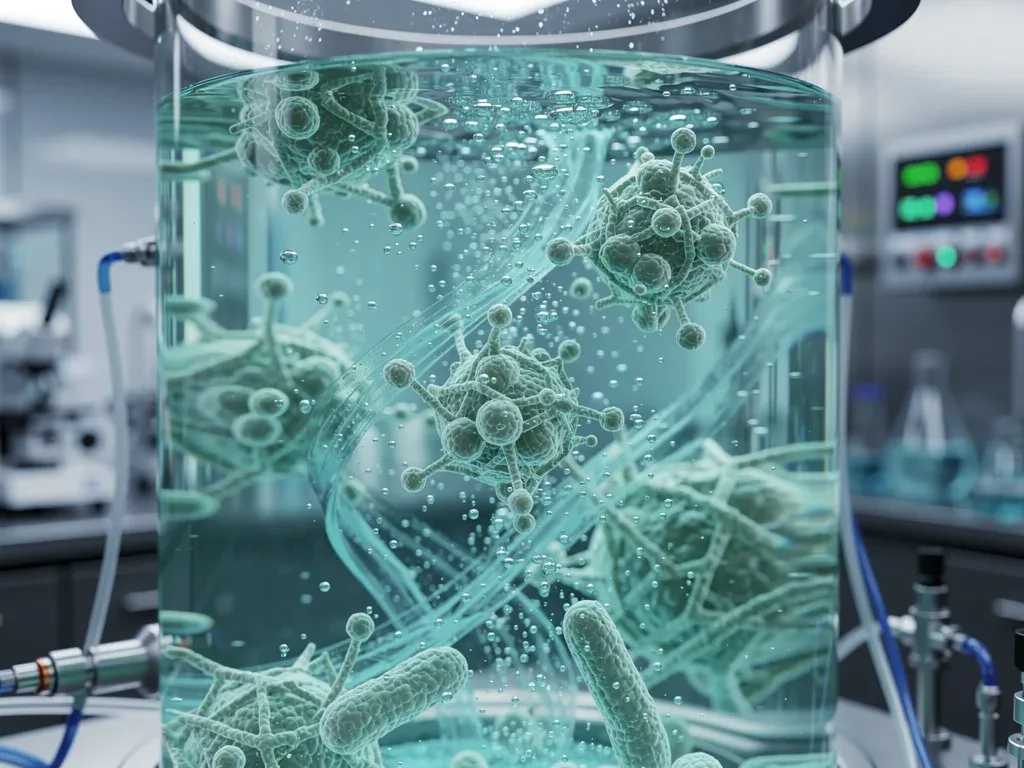
The core concept involves programming microorganisms, often yeast or fungi, with genetic instructions to produce desired compounds. These microbes are then cultivated in bioreactors, where they are fed nutrients and allowed to grow and synthesize the target molecules. The result is a highly efficient and scalable production method that offers significant advantages over conventional agriculture, particularly in terms of resource utilization and environmental impact.
how it works: a biochemical marvel
- Microorganism Selection: Identifying and genetically engineering suitable microorganisms, typically yeast or fungi, to act as cell factories.
- Genetic Programming: Inserting specific genes into the microbes that contain the blueprint for the desired protein or compound.
- Bioreactor Cultivation: Growing these engineered microbes in controlled environments called bioreactors, providing them with optimal conditions and nutrients.
- Compound Production: As the microbes grow, they express the inserted genes and produce the target protein or ingredient.
- Purification and Harvesting: Separating and purifying the desired compound from the microbial culture, resulting in a clean and functional ingredient.
This intricate process allows for the creation of ingredients that are molecularly identical to their animal-derived counterparts, yet produced without the need for animals. This technological leap is crucial for developing alternative proteins that can truly replicate the taste, texture, and nutritional profile of traditional meat, dairy, and egg products, thereby appealing to a broader consumer base.
the rise of alternative protein: meeting consumer demands
The surge in alternative protein's market share is not accidental; it's a direct response to evolving consumer priorities. Modern consumers are increasingly aware of the environmental footprint of their food choices, the ethical implications of animal agriculture, and the health benefits associated with plant-forward diets. Alternative proteins, especially those enabled by precision fermentation, address these concerns head-on, offering compelling solutions.
Initially, plant-based alternatives struggled to fully mimic the sensory experiences of animal products. However, precision fermentation has been a game-changer, allowing for the creation of dairy proteins without cows, egg proteins without chickens, and even heme molecules that give plant-based meats their characteristic meaty flavor and color. This technological advancement has significantly improved the quality and appeal of alternative protein products, making them more competitive with traditional options.
driving forces behind adoption
- Sustainability Concerns: Reduced land use, water consumption, and greenhouse gas emissions compared to conventional animal agriculture.
- Ethical Considerations: Eliminating the need for animal farming, appealing to vegetarian, vegan, and flexitarian consumers.
- Health and Nutrition: Often lower in saturated fat and cholesterol, with customizable nutritional profiles.
- Food Security: Offering a more resilient and scalable food production system less susceptible to climate change and disease outbreaks.
The confluence of these factors has created a fertile ground for alternative proteins to thrive. Consumers are no longer willing to compromise on taste or texture for the sake of sustainability, and precision fermentation is delivering products that meet these high expectations. This has been instrumental in the remarkable growth seen in US grocery aisles.
how precision fermentation fuels grocery aisle expansion
The 22% market penetration of alternative protein in US grocery aisles is a testament to the versatility and efficacy of precision fermentation. This technology allows for the production of a wide array of ingredients that were previously difficult or impossible to obtain sustainably. From dairy-identical proteins in milk and cheese alternatives to egg proteins in baked goods and meat analogs, precision fermentation is diversifying the alternative protein portfolio beyond traditional plant-based options.
One of the key advantages is the ability to produce functional ingredients that improve the taste, texture, and nutritional value of alternative products. For example, specific dairy proteins produced via fermentation can provide the melt and stretch characteristics often missing in plant-based cheeses. Similarly, fermented heme can elevate the sensory experience of plant-based burgers, making them more appealing to a broader consumer base, including meat-eaters.
innovative product categories
Precision fermentation is enabling the creation of entirely new categories of alternative protein products that were once unimaginable. These products are not merely substitutes; they are often superior in terms of consistency, purity, and environmental impact. The technology allows for precise control over the molecular composition, leading to highly consistent and high-quality ingredients.
Consider the impact on the dairy sector. Companies are now producing casein and whey proteins through fermentation that are molecularly identical to those from cows. This allows for the creation of dairy-free milk, cheese, and yogurt that perform and taste just like their animal-derived counterparts, without the lactose, hormones, or antibiotics often associated with traditional dairy. This level of authenticity is crucial for widespread consumer acceptance and repeat purchases.
major players and investment in precision fermentation
The rapid growth in precision fermentation is attracting significant investment and fostering innovation from both established food giants and agile startups. Venture capital funding in the alternative protein sector, particularly for fermentation-based companies, has soared in recent years. This influx of capital is fueling research and development, scaling production, and bringing new products to market at an accelerated pace.
Large food corporations are either acquiring promising startups or investing heavily in their own precision fermentation capabilities, recognizing the transformative potential of this technology. This corporate interest validates the long-term viability and scalability of precision fermentation, moving it from a niche scientific endeavor to a mainstream food production method. The competitive landscape is becoming increasingly vibrant, driving further innovation and efficiency.
key industry developments
- Increased Funding: Billions of dollars in private and public investment are pouring into precision fermentation companies globally.
- Strategic Partnerships: Collaborations between biotech firms and established food manufacturers to integrate new ingredients into existing product lines.
- Regulatory Approvals: Gaining necessary approvals from food safety authorities (like the FDA in the US) is crucial for market entry and expansion.
- Scaling Production: Building larger bioreactor facilities to achieve economies of scale and bring down production costs.
These developments are critical for overcoming the initial hurdles of high production costs and regulatory complexities. As the technology matures and scales, the cost of precision-fermented ingredients is expected to decrease, making alternative protein products more affordable and accessible to a wider demographic. This will further accelerate their presence in grocery aisles.

challenges and opportunities for continued growth
Despite the impressive growth, the precision fermentation and alternative protein sectors face several challenges that need to be addressed for continued expansion. One significant hurdle is consumer education. Many consumers are still unfamiliar with precision fermentation and its benefits, leading to skepticism or confusion. Clear communication about the technology and its safety is essential to build trust and acceptance.
Another challenge lies in scaling production to meet surging demand while simultaneously driving down costs. While significant investments are being made, the infrastructure for large-scale precision fermentation is still developing. Optimizing bioreactor efficiency, improving downstream processing, and securing sustainable nutrient sources are all critical for achieving cost parity with traditional animal products.
navigating the future landscape
However, these challenges also present significant opportunities. The global demand for protein is projected to increase substantially in the coming decades, and traditional agriculture alone may not be able to meet this demand sustainably. Precision fermentation offers a robust and environmentally responsible solution, positioning it as a cornerstone of future food systems.
Further research into new microbial strains, optimized fermentation processes, and novel ingredient applications will unlock even greater potential. The ability to customize proteins for specific functional needs, such as enhanced solubility, gelling properties, or nutritional profiles, opens up a vast array of product development possibilities. Continued innovation in this space will cement alternative protein's place in the mainstream diet.
the future outlook: beyond 22% of grocery aisles
The current 22% capture of US grocery aisles by alternative protein products is just the beginning. As precision fermentation technology continues to advance and become more efficient, its impact on the food system is expected to grow exponentially. We are likely to see an even broader range of products, from highly specialized ingredients to everyday staples, all produced through these innovative methods.
The convergence of technological breakthroughs, increasing consumer awareness, and supportive regulatory environments creates a powerful momentum for alternative proteins. This isn't just about offering alternatives; it's about creating a more resilient, sustainable, and ethical food system for future generations. The journey from niche to mainstream is accelerating, promising a delicious and responsible future for food.
envisioning a transformed food system
- Broader Product Availability: More diverse and affordable precision-fermented products in every grocery category.
- Enhanced Nutritional Profiles: Tailored ingredients to address specific dietary needs and health goals.
- Global Food Security: A more stable and efficient protein supply chain, less vulnerable to environmental shocks.
- Reduced Environmental Impact: Significant decreases in agricultural land use, water consumption, and greenhouse gas emissions.
The long-term vision involves a food system where precision fermentation plays a central role in providing high-quality, sustainable protein. The continuous innovation in this field, coupled with growing consumer acceptance, suggests that the 22% market share is merely a stepping stone toward a much larger presence in our daily diets and grocery carts. The future of food is fermenting, and it looks incredibly promising.
| Key Aspect | Description |
|---|---|
| Precision Fermentation | Biotechnology using microorganisms to produce specific, functional ingredients like proteins. |
| Alternative Protein Growth | Captured 22% of US grocery aisles, driven by sustainability and health demands. |
| Market Drivers | Environmental ethics, health benefits, and improved product quality fuel adoption. |
| Future Outlook | Continued innovation, scaling, and consumer education expected to drive further expansion. |
Frequently Asked Questions about Precision Fermentation and Alternative Proteins
What exactly is precision fermentation?▼Precision fermentation utilizes microorganisms, like yeast or fungi, as cell factories to produce specific functional ingredients such as proteins, fats, or enzymes. These ingredients are molecularly identical to those found in animals or plants, but are produced without the need for traditional agriculture, offering a sustainable alternative.
How has alternative protein captured 22% of US grocery aisles?▼This market capture is due to advancements in precision fermentation, which significantly improved the taste, texture, and nutritional profiles of alternative protein products. Coupled with growing consumer demand for sustainable, ethical, and healthy food options, these innovations have driven widespread adoption and availability.
What are the main benefits of precision fermentation for food production?▼Key benefits include reduced environmental impact (less land, water, and emissions), improved food safety and consistency, enhanced nutritional customization, and the ability to produce high-quality ingredients independently of animal agriculture, leading to more resilient food systems.
Are precision-fermented proteins safe to eat?▼Yes, precision-fermented proteins undergo rigorous safety assessments by regulatory bodies like the FDA in the US before they can be sold to consumers. The process is highly controlled, and the resulting ingredients are purified to meet strict food safety standards, ensuring they are safe for consumption.
What types of products use precision-fermented ingredients?▼Precision fermentation is used in a wide range of products, including dairy-free milk, cheese, and yogurt that contain real dairy proteins, egg substitutes for baking, and plant-based meat alternatives enhanced with fermented heme for improved flavor and texture. The applications are continuously expanding.
conclusion
The remarkable rise of alternative proteins, driven significantly by precision fermentation breakthroughs, marks a pivotal moment in the evolution of our food system. Capturing 22% of US grocery aisles is not merely a statistic; it reflects a profound shift in consumer values and technological capabilities. As this innovative field continues to mature, we can anticipate an even more diverse, sustainable, and delicious array of food options, fundamentally reshaping how we eat and interact with our planet.
