Quiet Travel & Off-Peak Escapes: US Vacationers' 37% Surge
Advertisements

Quiet travel and off-peak escapes are experiencing a remarkable 37% surge among US vacationers, reflecting a growing desire for authentic, less crowded, and more meaningful experiences away from the conventional tourist rush.
A significant shift is underway in the American travel landscape: a remarkable 37% jump in US vacationers embracing quiet travel escapes. This trend signifies a profound desire for more meaningful, less crowded experiences, moving away from the conventional hustle and bustle of peak season tourism. Join us as we delve into the reasons behind this surge and explore how you can benefit from this evolving travel philosophy.
The rise of mindful exploration
The concept of mindful exploration has gained considerable traction, transforming how Americans approach their vacations. No longer content with merely ticking off tourist hotspots, a growing segment of travelers seeks deeper connections with their destinations, prioritizing tranquility and authentic engagement over rushed itineraries and crowded attractions.
This shift is not merely anecdotal; it is reflected in booking data and traveler surveys. The pandemic, with its enforced slowdown, played a pivotal role in recalibrating travel priorities, leading many to discover the profound benefits of quieter, more reflective journeys.
Understanding the quiet travel philosophy
Quiet travel isn't just about avoiding crowds; it's a holistic approach to experiencing a destination. It encompasses a desire for:
- Authentic local interactions, away from commercialized tourist traps.
- Slower paces of travel, allowing for deeper immersion and appreciation.
- Minimized environmental impact and support for local economies.
- Personal rejuvenation and a break from digital distractions.
These elements combine to create a travel experience that is both enriching and restorative, addressing a fundamental need for peace in an increasingly noisy world. The focus shifts from external validation to internal fulfillment, making each journey a personal discovery.
Ultimately, mindful exploration is about intention. It's about choosing to travel in a way that aligns with personal values, seeking out experiences that nourish the soul rather than simply entertain the senses. This deliberate approach to travel is a cornerstone of the quiet travel movement, promising more profound and lasting memories.
The allure of off-peak seasons
Opting for off-peak seasons is a cornerstone of the quiet travel movement, presenting a compelling alternative to the traditional summer or holiday rushes. This strategic timing unlocks a myriad of benefits, from reduced costs to more intimate encounters with destinations. The 37% surge in off-peak escapes among US vacationers underscores a growing savvy and preference for these advantages.
Traveling during the shoulder or low seasons means fewer crowds, which translates directly into a more relaxed and authentic experience. Imagine strolling through a historic town square without battling throngs of tourists, or enjoying a museum's masterpieces in contemplative silence. This unhurried pace allows for genuine connection with the local culture and environment, a stark contrast to the often-stressful peak season scramble.
Economic advantages and greater value
Beyond the tranquility, significant financial incentives drive the move towards off-peak travel. Airlines, hotels, and tour operators typically offer lower prices during these periods to stimulate demand. This means travelers can often secure better deals on flights, accommodation, and even local activities, stretching their vacation budget further.
- Lower Airfares: Airlines often reduce prices outside of major holiday periods.
- Reduced Accommodation Costs: Hotels and rentals frequently offer discounts to fill rooms.
- Cheaper Activities: Many tours and attractions may have lower prices or special offers.
- Better Value for Money: The combination of lower costs and fewer crowds often results in a superior overall travel experience.
These economic benefits are a powerful motivator for many, making otherwise unattainable destinations more accessible. It’s a smart way to experience luxury or simply enjoy a longer trip without breaking the bank.
The charm of off-peak travel extends to the quality of service as well. With fewer customers, staff in hotels, restaurants, and attractions can often provide more personalized attention, enhancing the overall experience. This higher level of service, combined with the relaxed atmosphere, contributes significantly to the appeal of these quieter periods.
Beyond the crowds: authentic experiences
The pursuit of authentic experiences is a core driver behind the increased popularity of quiet travel and off-peak escapes. Modern travelers are increasingly seeking to delve deeper into the heart of a destination, moving beyond superficial tourist attractions to discover genuine local life and culture. This desire for authenticity is fundamentally reshaping the travel industry.
When mass tourism subsides, the true character of a place often emerges. Local businesses thrive on more intimate interactions, and visitors have the opportunity to engage with communities in a way that simply isn't possible during peak season. This allows for a richer, more nuanced understanding of the destination's unique identity.
Connecting with local culture and nature
Quiet travel facilitates a more profound connection with both local culture and natural environments. Without the pressure of crowds and commercialized offerings, travelers can:
- Participate in local festivals or events that are not geared solely towards tourists.
- Discover hidden gems, from family-run eateries to artisan workshops, through genuine recommendations.
- Engage in unhurried conversations with residents, gaining insights into their daily lives and traditions.
- Explore natural landscapes in solitude, experiencing their beauty without interruption or degradation from excessive foot traffic.
These experiences are not just memorable; they are transformative. They foster a sense of belonging and respect, turning a simple vacation into a journey of cultural exchange and personal growth. The focus shifts from consumption to contribution, enriching both the traveler and the visited community.
Ultimately, the quest for authenticity is about creating memories that resonate long after the trip ends. It's about feeling truly connected to a place and its people, rather than just observing from a distance. This deep engagement is what distinguishes quiet travel from conventional tourism, offering a more rewarding and impactful adventure.
Wellness and rejuvenation: a primary motivator
In an era defined by constant connectivity and demanding schedules, the need for wellness and rejuvenation has become a primary motivator for travel. Quiet travel and off-peak escapes cater directly to this need, offering environments conducive to mental and physical restoration. The surge in these types of trips highlights a collective yearning among US vacationers for a true escape from daily stressors.
The relentless pace of modern life often leaves individuals feeling depleted. A vacation, traditionally seen as a break, can sometimes become just as stressful if it involves navigating massive crowds, strict itineraries, and the pressure to 'do it all.' Quiet travel offers a refreshing alternative, prioritizing personal well-being above all else.
Escaping the digital noise
A significant aspect of seeking rejuvenation through quiet travel involves disconnecting from the digital world. The constant barrage of notifications, emails, and social media can prevent true relaxation. Off-peak destinations often provide the perfect backdrop for a digital detox, allowing travelers to fully immerse themselves in their surroundings.
- Reduced Screen Time: Intentional disconnection from devices to be present.
- Enhanced Sleep Quality: Peaceful environments promote better rest.
- Stress Reduction: Absence of crowds and hurried schedules lowers anxiety.
- Mindfulness Practices: Opportunities for meditation, journaling, and quiet reflection.
This deliberate unplugging allows the mind to decompress and recharge, fostering greater clarity and peace. The focus shifts inward, promoting self-care and a deeper understanding of one's own needs, away from external pressures.
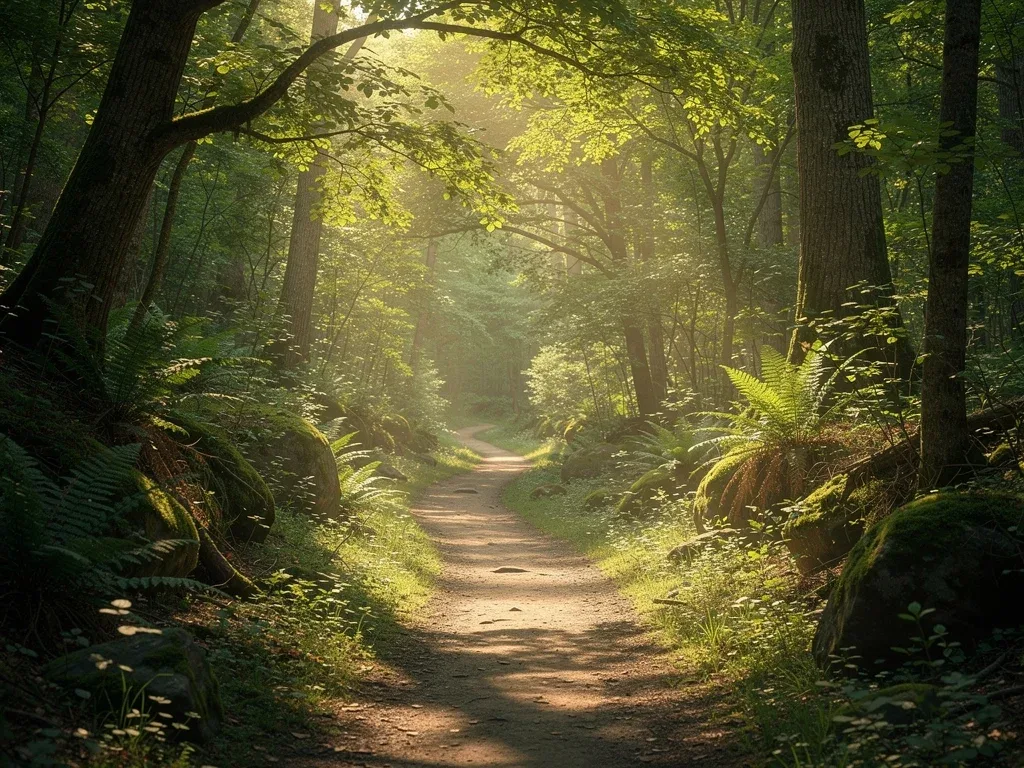
Moreover, the natural beauty often found in quieter destinations plays a crucial role in wellness. Spending time in nature, whether hiking through a serene forest or relaxing by a tranquil lake, has scientifically proven benefits for mental health. It reduces cortisol levels, improves mood, and enhances overall feelings of well-being, making quiet travel an an ideal choice for those prioritizing their health.
Sustainable tourism and responsible choices
The growing awareness of environmental impact and the desire for responsible consumption have undeniably influenced travel choices. Sustainable tourism is no longer a niche concept but a significant factor, especially among those opting for quiet travel and off-peak escapes. This movement reflects a deeper commitment to preserving destinations for future generations and supporting local communities ethically.
Mass tourism often leads to over-tourism, causing environmental degradation, strain on local resources, and cultural dilution. Quiet travel, by its very nature, mitigates many of these issues. By spreading tourism throughout the year and to less-trodden paths, it helps distribute the economic benefits more evenly and reduces the concentrated impact on popular sites.
Minimizing footprint, maximizing impact
Travelers embracing quiet and off-peak options are often more inclined to make choices that minimize their environmental footprint and maximize positive social impact. This includes:
- Choosing eco-friendly accommodations that prioritize sustainability.
- Supporting local businesses, artisans, and farmers directly.
- Utilizing public transportation or walking/cycling to explore.
- Respecting local customs, traditions, and natural habitats.
These conscious decisions contribute to a more sustainable travel ecosystem. They ensure that the economic benefits of tourism remain within the local community, fostering a sense of pride and ownership, rather than being siphoned off by large, international corporations.
Furthermore, off-peak travel helps to alleviate the burden on fragile ecosystems that might otherwise be overwhelmed during peak seasons. Reduced visitor numbers mean less waste, less noise pollution, and less stress on wildlife and natural attractions. This allows destinations to recover and maintain their pristine condition, ensuring their beauty can be enjoyed for years to come by both locals and respectful visitors.
Planning your own quiet escape
Embracing the trend of quiet travel and off-peak escapes doesn't have to be complicated. With a little planning and a shift in perspective, anyone can curate a rejuvenating and authentic travel experience. The key lies in strategic timing, thoughtful destination selection, and an openness to discovery beyond the usual tourist circuit.
Start by identifying what 'quiet' means to you. Is it solitude in nature, a peaceful immersion in a cultural city, or a slow exploration of a charming small town? Your definition will guide your choices and ensure your escape truly meets your needs for tranquility and authenticity.
Tips for a serene journey
To successfully plan a quiet travel escape, consider these practical tips:
- Research Off-Peak Times: Identify the shoulder or low seasons for your desired destination. This often means avoiding major holidays and school breaks.
- Choose Less-Known Destinations: Explore regions or towns adjacent to popular areas, which often offer similar charm without the crowds.
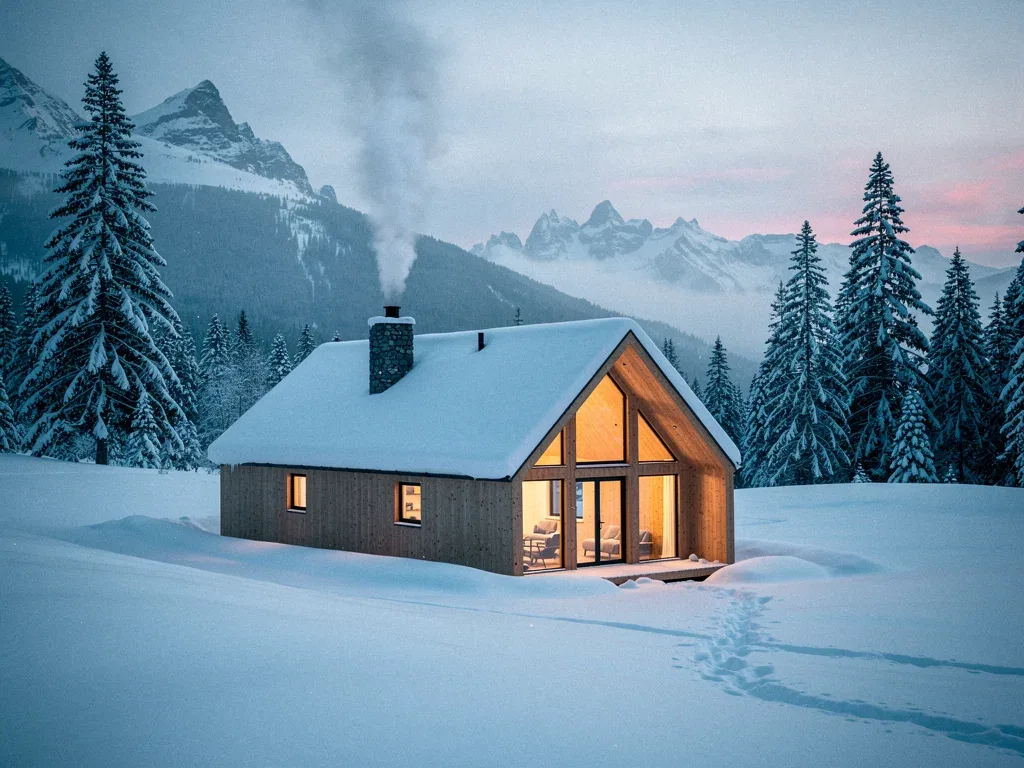
- Book Accommodations Strategically: Look for boutique hotels, guesthouses, or remote cabins that prioritize peace and privacy.
- Embrace Slow Travel: Resist the urge to pack too much into your itinerary. Allow for spontaneous exploration and plenty of downtime.
- Pack Mindfully: Consider bringing a journal, a good book, or art supplies to enhance your quiet moments, and minimize reliance on digital devices.
These strategies empower you to craft an itinerary that aligns with the principles of quiet travel, ensuring a deeply satisfying and restorative journey. Remember, the goal is not to see everything, but to truly experience what matters most to you.
Finally, be open to unexpected discoveries. Some of the most memorable moments in quiet travel come from straying from the planned path, engaging with locals, or stumbling upon a hidden gem. This flexibility is a hallmark of authentic travel, allowing for a more profound and personal connection with your chosen destination.
The future of travel: a quieter, more intentional path
The significant 37% surge in US vacationers choosing quiet travel and off-peak escapes isn't just a fleeting trend; it represents a fundamental shift in how people approach leisure and exploration. This movement signifies a growing desire for more intentional, sustainable, and personally enriching journeys, pointing towards a future of travel that prioritizes well-being over sheer volume.
As the world continues to accelerate, the appeal of slowing down and truly connecting with a destination will only grow. Travelers are becoming more discerning, seeking experiences that offer genuine value, cultural immersion, and a chance for personal rejuvenation, rather than simply following the well-worn paths of mass tourism.
Adapting to evolving traveler demands
The travel industry is already beginning to adapt to these evolving demands. We are seeing a rise in:
- Specialized tour operators focusing on niche, immersive experiences.
- Accommodations designed for tranquility and connection with nature.
- Destinations actively promoting sustainable practices and off-season attractions.
- Technology that helps travelers discover less-crowded routes and hidden gems.
These adaptations are crucial for meeting the needs of a new generation of travelers who are more conscious, more connected to global issues, and more focused on personal growth through their adventures. The emphasis is shifting from simply selling trips to facilitating transformative experiences.
Ultimately, the future of travel appears to be a more balanced and respectful one. Quiet travel and off-peak escapes offer a blueprint for how we can explore our world in a way that benefits both the traveler and the visited community, fostering a deeper appreciation for diverse cultures and pristine natural environments. This intentional path promises not just better vacations, but a more harmonious approach to global exploration.
| Key Trend | Brief Description |
|---|---|
| Quiet Travel Surge | 37% increase in US vacationers seeking serene, less crowded travel experiences. |
| Off-Peak Advantages | Benefits include lower costs, fewer crowds, and more authentic local interactions. |
| Wellness Focus | Travelers prioritize mental and physical rejuvenation, often seeking digital detoxes. |
| Sustainable Choices | Growing preference for eco-friendly options and supporting local economies. |
Frequently asked questions about quiet travel
What exactly is quiet travel?▼Quiet travel is a philosophy focused on experiencing destinations in a more mindful, unhurried, and authentic way. It prioritizes solitude, local immersion, and personal rejuvenation over crowded tourist attractions and fast-paced itineraries. The goal is to foster deeper connections with places and cultures, often by avoiding peak seasons.
Why are US vacationers increasingly choosing off-peak escapes?▼US vacationers are increasingly choosing off-peak escapes primarily for fewer crowds, lower costs, and more authentic experiences. Traveling during shoulder or low seasons allows for better deals on flights and accommodation, more personalized service, and the chance to engage with destinations without the pressure of mass tourism, enhancing overall satisfaction.
How does quiet travel contribute to personal well-being?▼Quiet travel significantly contributes to personal well-being by offering opportunities for mental and physical rejuvenation. It encourages digital detoxes, reduces stress from crowded environments, and promotes mindfulness. Spending time in peaceful settings and nature has proven benefits for mood and overall health, leading to a more restorative and impactful vacation experience.
Is quiet travel more sustainable?▼Yes, quiet travel is generally more sustainable. By distributing tourism throughout the year and to less-visited areas, it helps reduce the environmental and social impact of over-tourism. It often involves supporting local businesses, choosing eco-friendly accommodations, and minimizing one's carbon footprint, fostering a more responsible and ethical approach to travel.
What kind of destinations are best for quiet travel?▼Destinations best for quiet travel are often those that offer natural beauty, rich cultural experiences, or charming small-town atmospheres, particularly during their off-peak seasons. Examples include national parks in the fall, European cities in early spring, or coastal towns in the late autumn. The key is to seek places where tranquility and local immersion are easily found.
Conclusion: embracing a new era of mindful journeys
The remarkable 37% surge in US vacationers opting for quiet travel and off-peak escapes is a clear indicator of a profound shift in travel preferences. This isn't merely a temporary fad, but a growing movement towards more intentional, sustainable, and personally enriching journeys. As individuals increasingly seek respite from the demands of modern life, the appeal of serene destinations, authentic cultural immersion, and mindful exploration will only continue to grow. Embracing this trend offers not just more enjoyable vacations, but a more responsible and restorative way to experience the world, fostering deeper connections with both ourselves and the places we visit.
