Smart Home Interoperability 2026: Unifying Over 70% of Devices
Advertisements
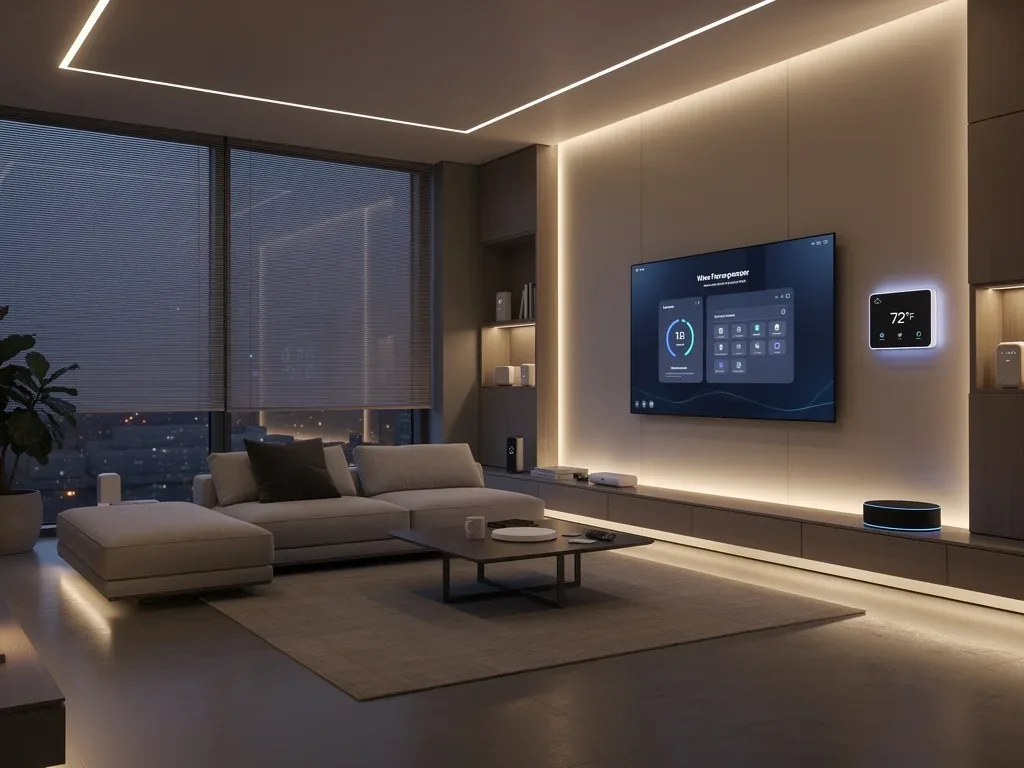
By 2026, open protocols are set to unify over 70% of connected household devices, drastically improving smart home interoperability and user experience through seamless communication and integrated ecosystems.
Imagine a world where every smart device in your home speaks the same language, working in perfect harmony regardless of brand. This vision is rapidly becoming a reality, as smart home interoperability in 2026 is on track to unify over 70% of connected household devices through the power of open protocols. This significant shift promises to redefine our interaction with technology, making our homes not just smarter, but truly intuitive and seamless.
The Evolution of Smart Home Interoperability
The journey towards a truly interconnected smart home has been a complex one, marked by proprietary ecosystems and fragmented experiences. For years, consumers faced the frustration of devices from different manufacturers refusing to communicate, limiting the true potential of home automation. However, the landscape is rapidly changing, driven by a collective industry push towards open standards.
Early smart homes often felt like a collection of isolated gadgets rather than a cohesive system. A light switch from one brand might not interact with a thermostat from another, forcing users to juggle multiple apps and complex configurations. This lack of interoperability hindered adoption and created a significant barrier for mainstream consumers.
Overcoming Fragmentation Challenges
The primary challenge has always been the proprietary nature of early smart home ecosystems. Each company developed its own communication protocols, often with the intention of locking users into their product lines. While this fostered competition, it inadvertently created a chaotic environment for consumers.
- Proprietary Lock-ins: Manufacturers designed devices to work exclusively within their own brand ecosystems.
- Complex Setup: Integrating devices often required technical expertise and workarounds.
- Limited Functionality: The inability of devices to share data restricted advanced automation scenarios.
- Consumer Frustration: Users grew tired of managing multiple apps and incompatible hardware.
The past few years have seen a significant shift in this paradigm. Recognizing the limitations of fragmentation, major players in the tech industry began collaborating on universal standards, paving the way for a more unified future. This cooperative spirit is the bedrock upon which the enhanced interoperability of 2026 is being built.
The evolution from isolated devices to integrated ecosystems represents a monumental leap. This shift is not merely about convenience; it's about unlocking the full potential of smart technology to create truly responsive, efficient, and intelligent living spaces. The collective effort to embrace open protocols is a testament to the industry's commitment to a user-centric future.
Key Open Protocols Driving Unification
The dramatic increase in smart home interoperability by 2026 is largely attributable to the emergence and widespread adoption of several key open protocols. These standards act as universal translators, allowing devices from different manufacturers to understand and respond to each other's commands, fostering a truly integrated home environment.
Among these, Matter and Thread stand out as revolutionary forces. While Wi-Fi and Bluetooth have long been foundational, these newer protocols are specifically designed to address the unique demands of smart home networks, offering enhanced reliability, security, and low-power consumption.
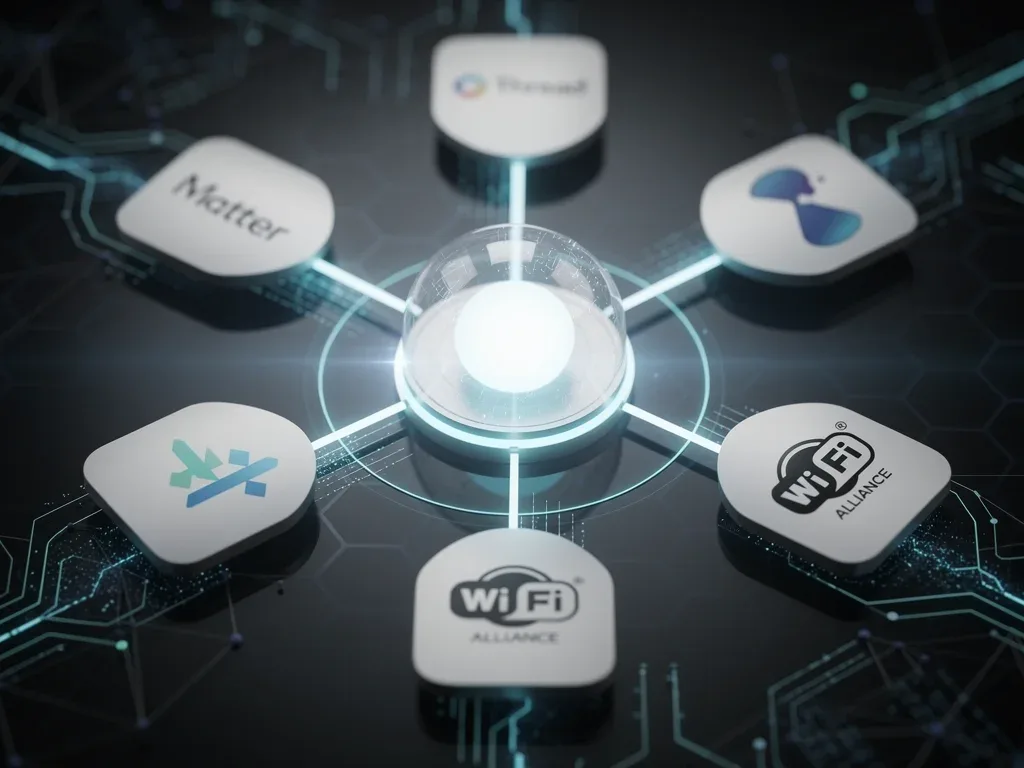
Matter: The Universal Language
Matter, spearheaded by the Connectivity Standards Alliance (CSA), is arguably the most significant development in smart home interoperability. It aims to be the unifying application layer for smart home devices, allowing them to work seamlessly across various ecosystems like Apple HomeKit, Google Home, Amazon Alexa, and Samsung SmartThings. This means a Matter-certified device will work with any Matter-certified controller, regardless of brand.
- Simplified Setup: Matter devices are designed for easy, plug-and-play installation.
- Broad Compatibility: Works across multiple platforms and brands.
- Enhanced Security: Built with robust security features from the ground up.
- Local Control: Many functions can operate locally, reducing reliance on cloud services.
Thread: The Reliable Mesh Network
Thread is an IP-based, low-power wireless mesh networking protocol designed for smart home devices. It creates a self-healing, self-configuring network where devices can communicate directly with each other, extending the range and reliability of the network. Thread often works in conjunction with Matter, providing the underlying network layer for Matter-enabled devices.
The combination of Matter and Thread is particularly powerful. Matter provides the language, and Thread provides a robust, efficient communication pathway. This synergy is crucial for building scalable and reliable smart home ecosystems that can support a growing number of devices without performance degradation.
Other protocols like Zigbee and Z-Wave continue to play roles, especially in legacy systems, but Matter and Thread are rapidly becoming the cornerstones of future smart home connectivity. Their open-source nature and industry-wide backing are accelerating the pace of unification, making the 70% interoperability target by 2026 not just ambitious, but highly achievable.
Benefits for Consumers and Manufacturers
The widespread adoption of open protocols and the resulting surge in smart home interoperability bring substantial advantages for both consumers and manufacturers. For years, the smart home market wrestled with complex choices and limited compatibility, a scenario that is now rapidly dissolving.
Consumers stand to gain significantly from a more unified smart home experience. The days of being locked into a single brand's ecosystem are fading, replaced by a freedom of choice that empowers users to select the best devices for their needs, irrespective of the manufacturer. This shift simplifies the entire smart home journey, from purchase to daily use.
Empowering Consumer Choices
One of the most immediate benefits for consumers is the ability to choose devices based on features, price, or design, rather than being restricted by compatibility concerns. This means a wider array of options and a more personalized smart home setup.
- Reduced Frustration: No more dealing with incompatible devices or multiple apps.
- Cost Savings: Greater competition and choice can lead to more affordable devices.
- Enhanced Functionality: Devices from different brands can work together to create more sophisticated automation routines.
- Future-Proofing: Open standards ensure devices remain relevant even as technology evolves.
Streamlining Development for Manufacturers
Manufacturers also benefit from this move towards open standards. Instead of investing heavily in developing and maintaining proprietary protocols, they can focus their resources on innovation, product design, and unique features. This standardization lowers barriers to entry for new companies and fosters a more competitive and dynamic market.
By adhering to open protocols, manufacturers can reach a broader customer base, as their products will be compatible with a wider range of existing smart home setups. This expanded market access encourages investment and innovation, ultimately leading to better products for everyone. The collective effort also reduces the burden of support, as interoperability issues become less frequent.
The synergy created by open protocols means that the smart home market can grow more rapidly and sustainably. Consumers will be more inclined to adopt smart home technology when it's simpler and more reliable, creating a larger market for manufacturers. This symbiotic relationship ensures that the benefits of interoperability ripple throughout the entire ecosystem, fostering innovation and user satisfaction.
Security and Privacy in a Unified Smart Home
As smart home interoperability expands, so does the importance of robust security and privacy measures. A unified ecosystem, while offering immense convenience, also presents a larger attack surface if not properly secured. Addressing these concerns is paramount to building trust and ensuring the long-term success of integrated smart homes.
The development of open protocols like Matter has placed a significant emphasis on security from the ground up. This proactive approach aims to mitigate risks associated with interconnected devices, protecting sensitive user data and preventing unauthorized access to home networks. However, users still play a crucial role in maintaining their digital security.
Built-in Security Features of Open Protocols
Modern open protocols incorporate advanced security features to safeguard smart home networks. These include strong encryption, secure boot processes, and regular firmware updates to patch vulnerabilities. The collaborative nature of these standards means that security best practices are shared and implemented across the industry.
- End-to-End Encryption: Secures data transmission between devices and the cloud.
- Device Authentication: Ensures only authorized devices can join the network.
- Secure Updates: Protects against malicious firmware injections.
- Regular Audits: Open-source nature allows for community and expert scrutiny of code.
User Responsibilities and Best Practices
While protocols provide a strong foundation, user vigilance remains critical. Strong, unique passwords for Wi-Fi networks and smart home accounts are essential. Regularly reviewing device permissions and understanding data collection practices can further enhance privacy.
Furthermore, isolating smart home devices on a separate network (VLAN) can add an extra layer of security, preventing potential breaches from affecting personal computers or other sensitive devices. Staying informed about security updates and manufacturer recommendations is also vital for maintaining a secure smart home environment. The focus on strong security and privacy within open protocols fosters confidence, ensuring that the convenience of a unified smart home doesn't come at the expense of personal safety or data integrity.
Challenges and the Path Forward
While the trajectory towards unified smart home interoperability by 2026 is promising, the path is not without its challenges. Overcoming these hurdles is essential to ensure the seamless integration of over 70% of connected devices and to deliver on the promise of a truly intelligent home. Addressing these issues requires ongoing collaboration, innovation, and a commitment to user experience.
One of the primary challenges lies in the sheer diversity of existing smart home devices and legacy systems. Not all older devices will be compatible with new open protocols, creating a potential divide between early adopters and those upgrading their homes. Bridging this gap gracefully is crucial for widespread adoption.
Overcoming Adoption Hurdles
The transition to new open protocols requires significant effort from both manufacturers and consumers. Manufacturers must update their product lines and firmware, while consumers need to be educated on the benefits and how to integrate new devices. The complexity of some smart home setups can still deter less tech-savvy users.
- Legacy Device Integration: Finding solutions for older, non-compatible devices.
- Consumer Education: Simplifying the understanding and adoption of new standards.
- Developer Support: Ensuring tools and resources are available for developers to build compliant products.
- Market Consolidation: Managing the potential for certain platforms to dominate.
The Role of Industry Collaboration
Continued collaboration among industry giants, smaller innovators, and standards organizations is vital. The success of initiatives like Matter hinges on broad industry buy-in and a shared commitment to open standards. This cooperation extends beyond technical specifications to include marketing and consumer outreach.
Furthermore, regulatory bodies may play a role in ensuring fair practices and preventing anti-competitive behaviors that could stifle interoperability. The path forward involves not just technological advancement, but also a concerted effort to create an inclusive and accessible smart home ecosystem for everyone. By proactively addressing these challenges, the industry can ensure that the vision of a truly unified and intelligent home becomes a widespread reality.
The Impact on Daily Life and Future Trends
The unification of over 70% of connected household devices by 2026 through open protocols will profoundly reshape daily life, moving beyond mere convenience to fundamentally altering how we interact with our living spaces. This level of interoperability paves the way for truly intelligent environments that anticipate needs and adapt seamlessly.
Imagine a home that learns your routines, adjusts lighting and temperature based on your presence and preferences, and even proactively manages energy consumption without constant manual input. This integrated experience will free up mental bandwidth, allowing individuals to focus on more meaningful aspects of their lives rather than managing disparate technologies.
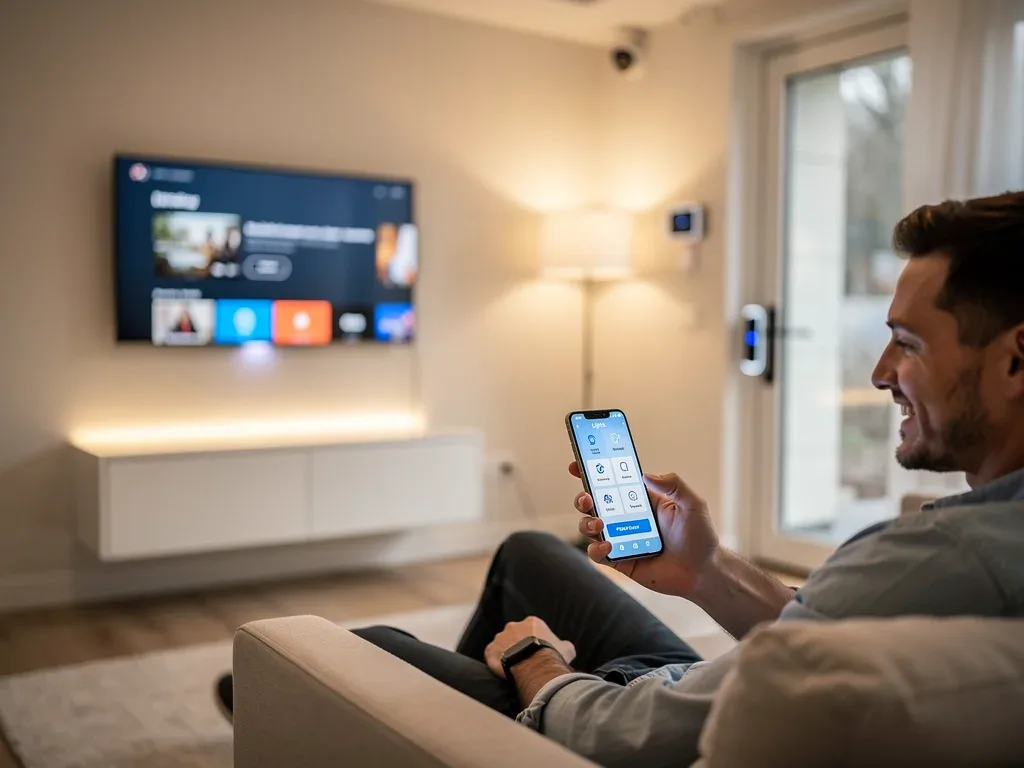
Enhanced Comfort and Efficiency
The immediate impact will be felt in enhanced comfort and efficiency. Seamless coordination between heating, ventilation, air conditioning (HVAC) systems, lighting, and window coverings will optimize indoor climates, leading to significant energy savings. Security systems will integrate with lighting and sound, creating more effective deterrents and personalized alerts.
Beyond individual device interactions, the true power lies in sophisticated automation routines. For example, a single voice command could trigger a 'movie night' scene, dimming the lights, lowering the blinds, turning on the TV, and adjusting the thermostat, all coordinated across different brands of devices. This level of integration transforms a house into a responsive, intelligent companion.
Emerging Smart Home Trends
The foundation of widespread interoperability will enable several exciting future trends:
- Contextual Awareness: Homes will become more 'aware' of their occupants' activities and moods, adjusting environments accordingly.
- Proactive Maintenance: Devices will communicate their status and potential issues, enabling predictive maintenance.
- Energy Grid Integration: Smart homes will play a larger role in smart grids, optimizing energy use and potentially selling excess power back to the grid.
- Personalized Wellness: Integration with wearables and health monitors could lead to homes that support physical and mental well-being.
Ultimately, the impact of smart home interoperability extends beyond individual homes. It creates a blueprint for smarter cities, more efficient energy management, and a more sustainable future. The unified smart home of 2026 is not just a technological achievement; it's a stepping stone towards a more connected and responsive world, where technology serves to enhance, rather than complicate, human lives.
The Future Beyond 2026: What's Next?
Looking beyond the significant milestone of 70% smart home interoperability by 2026, the future holds even greater promise for connected living. This achievement is not an endpoint but a crucial stepping stone towards more sophisticated, intuitive, and seamlessly integrated environments. The foundation laid by open protocols will accelerate innovation and expand the very definition of a 'smart home.'
The next phase will likely focus on deeper integration with artificial intelligence and machine learning, allowing smart homes to become truly predictive and personalized. As devices communicate more effectively, the data generated will fuel advanced algorithms that can anticipate user needs, optimize resource consumption, and even detect potential issues before they arise.
Advanced AI and Machine Learning Integration
With interoperability largely solved, the focus will shift to making homes truly intelligent. AI will move beyond simple voice commands to contextual understanding, learning individual habits and preferences over time. This means homes that can proactively adjust to your mood, schedule, and even health metrics.
- Predictive Automation: Systems anticipate needs based on learned patterns and external data (weather, traffic).
- Personalized Experiences: Environments adapt uniquely to each occupant's preferences.
- Proactive Health Monitoring: Integration with health tech to support well-being and provide alerts.
- Adaptive Energy Management: AI-driven optimization of energy consumption based on real-time data and grid conditions.
The Expansion of the Smart Ecosystem
The scope of the smart home will also expand beyond the four walls of a house. We can expect greater integration with smart cities infrastructure, intelligent vehicles, and even personal health devices. This will create a truly interconnected personal ecosystem that supports individuals wherever they go.
Furthermore, the increased reliability and ease of use will drive further adoption, bringing smart home technology to a broader demographic. This widespread acceptance will foster new business models and services, from subscription-based home intelligence platforms to personalized wellness programs delivered through the home environment. The future smart home will not just be a collection of devices, but a dynamic, evolving entity that continuously enhances quality of life.
| Key Aspect | Description in 2026 |
|---|---|
| Device Unification | Over 70% of smart home devices will communicate seamlessly due to open protocols. |
| Core Protocols | Matter and Thread will be primary drivers for universal compatibility and robust networking. |
| Consumer Benefits | Simplified setup, expanded device choice, and enhanced automation experiences. |
| Security Focus | Emphasis on built-in security and user best practices to protect unified ecosystems. |
Frequently Asked Questions About Smart Home Interoperability
What does smart home interoperability mean for me?▼It means your smart devices, regardless of brand, will work together seamlessly. You won't need multiple apps or complex setups; lights, thermostats, and security systems will communicate effortlessly to create a unified and intuitive home experience.
How will open protocols achieve 70% device unification by 2026?▼Protocols like Matter and Thread provide a universal language and robust network for devices. With major tech companies backing these standards, more manufacturers are integrating them, leading to widespread compatibility and a significant reduction in fragmented ecosystems across the industry.
Will my old smart home devices still work?▼Some older devices may not be directly compatible with new open protocols. However, many manufacturers are offering firmware updates, or you might use a bridge device to connect them. The industry is working on solutions to integrate legacy systems where possible, but newer devices will offer the best interoperability.
What are the main security benefits of unified smart homes?▼Open protocols are designed with security at their core, featuring strong encryption and secure authentication. This reduces vulnerabilities inherent in fragmented systems. Centralized management through unified platforms also simplifies security updates and monitoring, enhancing overall home protection.
How will this impact future smart home innovations?▼Increased interoperability will accelerate innovation significantly. Manufacturers can focus on unique features rather than compatibility issues. This will lead to more advanced AI integration, truly predictive automation, and the expansion of smart home capabilities into areas like proactive health monitoring and energy grid interaction.
Conclusion
The journey towards a truly interconnected home has been long, but the vision of seamless smart home interoperability in 2026, driven by open protocols, is now firmly within reach. The unification of over 70% of connected household devices promises to transform our living spaces into intelligent, responsive environments that simplify daily life, enhance comfort, and empower consumers with unprecedented choice. While challenges remain, the collective commitment of the industry to open standards, coupled with robust security frameworks, is paving the way for a future where technology truly serves humanity, making our homes not just smarter, but genuinely intuitive and harmonious.
