Solid-State Battery Breakthrough: 750-Mile Range EVs in 2026
Advertisements
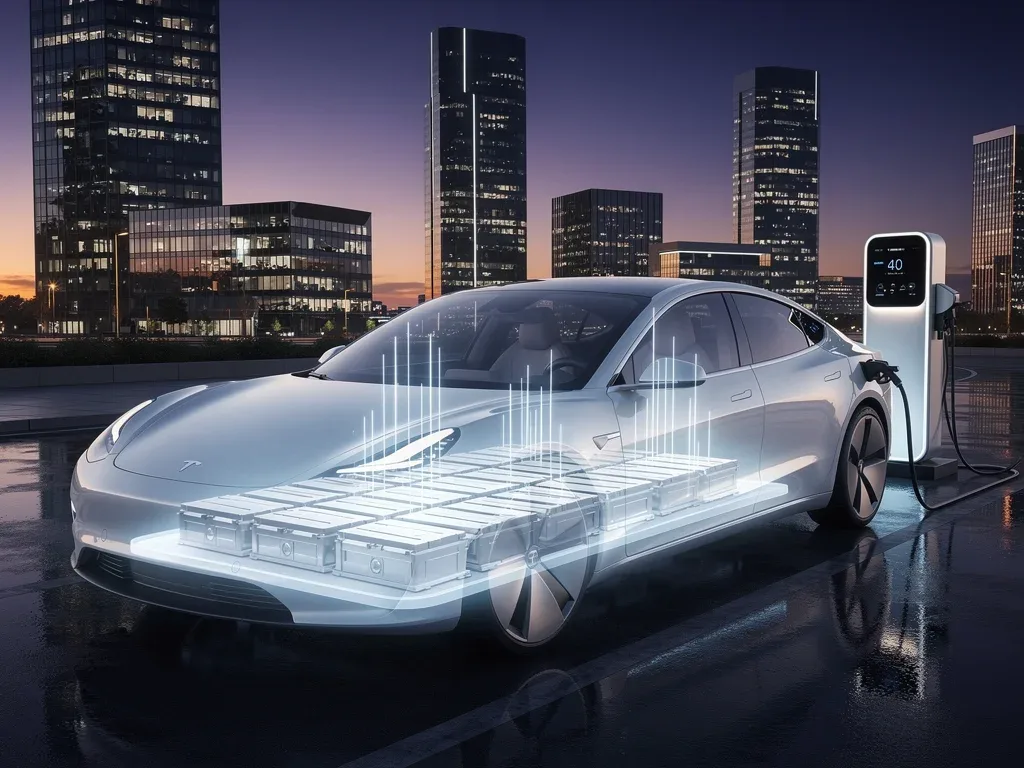
The solid-state battery breakthrough is set to transform US electric mobility by 2026, delivering electric vehicles with a 750-mile range and significantly improving safety and charging efficiency.
Imagine driving from New York City to Chicago on a single charge. This isn't a futuristic fantasy anymore, but a nearing reality thanks to the incredible solid-state battery breakthrough. This monumental advancement is not just an incremental improvement; it's a paradigm shift poised to fundamentally reshape US electric mobility by 2026, promising an unprecedented 750-mile range that will erase range anxiety and accelerate EV adoption.
The Dawn of a New Era: Understanding Solid-State Batteries
The electric vehicle (EV) revolution has been steadily gaining momentum, but often, the conversation circles back to battery limitations. Traditional lithium-ion batteries, while effective, come with inherent trade-offs in terms of energy density, charging speed, and safety. However, a new chapter is unfolding with the advent of solid-state batteries. These innovative power sources replace the liquid or gel electrolyte found in conventional batteries with a solid material, unlocking a host of benefits that were once considered unattainable.
This shift isn't merely about a material change; it’s about fundamentally altering the chemistry and architecture of energy storage. The solid electrolyte allows for denser packing of energy, significantly reducing the battery's size and weight while increasing its capacity. This translates directly into a longer driving range for electric vehicles, making cross-country trips a seamless experience without frequent stops.
Key Advantages of Solid-State Technology
The transition to solid-state technology brings several compelling advantages that address the primary concerns of potential EV owners and enhance the overall performance of electric vehicles.
- Increased Energy Density: Solid electrolytes enable more active material to be stored in the same volume, leading to higher energy density and, consequently, longer ranges.
- Enhanced Safety: The absence of flammable liquid electrolytes drastically reduces the risk of thermal runaway and fires, making solid-state batteries inherently safer.
- Faster Charging: The solid electrolyte can facilitate quicker ion transfer, potentially allowing for ultra-fast charging times that rival refueling a gasoline car.
- Longer Lifespan: Solid-state batteries are expected to have a longer cycle life, meaning they can endure more charge and discharge cycles before degrading, thus extending the vehicle's useful life.
In essence, solid-state batteries represent a leap forward, promising to deliver on the full potential of electric mobility by offering a safer, more powerful, and more efficient energy storage solution. This breakthrough is not just an upgrade; it's a complete reimagining of what an EV battery can achieve.
750-Mile Range: Eliminating Range Anxiety in the US
One of the most significant barriers to widespread EV adoption in the United States has been 'range anxiety' – the fear of running out of power before reaching a charging station. The prospect of a 750-mile range, made possible by the solid-state battery breakthrough, is set to virtually eliminate this concern, making electric vehicles a viable and attractive option for even the longest journeys across the vast American landscape.
A 750-mile range means that a driver could travel from Los Angeles to San Francisco and back on a single charge, or cover the distance from Dallas to Denver with minimal stops. This level of endurance transforms the practicality of EVs from primarily urban commuters to true long-distance cruisers, directly competing with and often surpassing the range of conventional gasoline-powered vehicles.
Impact on Consumer Behavior and Infrastructure
The extended range will undoubtedly alter consumer perceptions and purchasing decisions. With less need for frequent charging, the perceived inconvenience of EV ownership diminishes significantly. This could lead to a surge in demand, pushing manufacturers to accelerate their EV production and innovation cycles.
- Increased Adoption: More consumers will consider EVs for their primary vehicle, including those who frequently travel long distances.
- Reduced Charging Infrastructure Pressure: While charging infrastructure remains crucial, a longer range reduces the urgency for ultra-dense charging networks, allowing for more strategic deployment.
- Enhanced Travel Freedom: Drivers will experience unparalleled freedom, able to undertake spontaneous road trips without meticulously planning charging stops.
Ultimately, the 750-mile range is more than just a number; it's a psychological turning point. It signifies that EVs can now offer not just an eco-friendly alternative, but a superior driving experience in terms of convenience and capability for the average American driver. This makes the solid-state battery breakthrough a game-changer for the entire automotive industry.
Transforming US Electric Mobility by 2026: A National Impact
The integration of solid-state battery technology and its promise of extended range is not just an individual vehicle upgrade; it represents a profound transformation of the entire US electric mobility landscape by 2026. This shift will have ripple effects across various sectors, from manufacturing and energy to urban planning and consumer lifestyle.
The United States, with its vast distances and diverse geographies, is particularly well-suited to benefit from this technology. Long-haul trucking, which currently relies heavily on fossil fuels, could see a viable electric alternative emerge, significantly reducing emissions in the transportation sector. Personal vehicles will become more versatile, capable of handling daily commutes and cross-country adventures with equal ease.
Economic and Environmental Implications
The economic implications are substantial. Domestic production of solid-state batteries could create thousands of new jobs in research, manufacturing, and related industries. Furthermore, a reduced reliance on imported oil for transportation will bolster national energy security and contribute to a more stable economy.
- Job Creation: Growth in battery manufacturing and EV production will stimulate economic development and create new employment opportunities.
- Energy Independence: Less reliance on foreign oil imports through widespread EV adoption enhances national energy security.
- Reduced Emissions: A significant decrease in tailpipe emissions from a larger EV fleet will lead to cleaner air and a healthier environment, especially in urban areas.
From an environmental perspective, the widespread adoption of 750-mile range EVs will be a critical step towards achieving climate goals. Lower emissions from transportation will directly contribute to improved air quality and a reduction in greenhouse gases. This technological advancement, therefore, aligns perfectly with national sustainability objectives and positions the US as a leader in green innovation.
The Road to Commercialization: Challenges and Milestones
While the promise of the solid-state battery breakthrough is immense, the journey from laboratory prototypes to mass-produced electric vehicles by 2026 involves navigating several significant challenges. The commercialization of any groundbreaking technology requires overcoming hurdles in manufacturing scale, cost reduction, and robust performance validation.
One of the primary challenges lies in scaling up production to meet the anticipated demand. Manufacturing solid-state batteries at a cost-effective rate and in volumes sufficient for the automotive industry requires entirely new production processes and infrastructure. Current methods are often complex and expensive, making the initial cost of these batteries higher than traditional lithium-ion counterparts.
Overcoming Technical and Economic Hurdles
Researchers and engineers are actively working on innovative solutions to these challenges, focusing on material science, manufacturing efficiency, and cost optimization. Collaborations between battery developers, automakers, and government agencies are crucial in accelerating this transition.
- Material Development: Discovering and refining solid electrolyte materials that offer high conductivity, stability, and affordability is an ongoing focus.
- Manufacturing Processes: Developing scalable, efficient, and cost-effective manufacturing techniques for solid-state battery cells and packs.
- Integration with Vehicles: Ensuring seamless integration of these new battery systems into existing and future EV platforms, including thermal management and battery management systems.
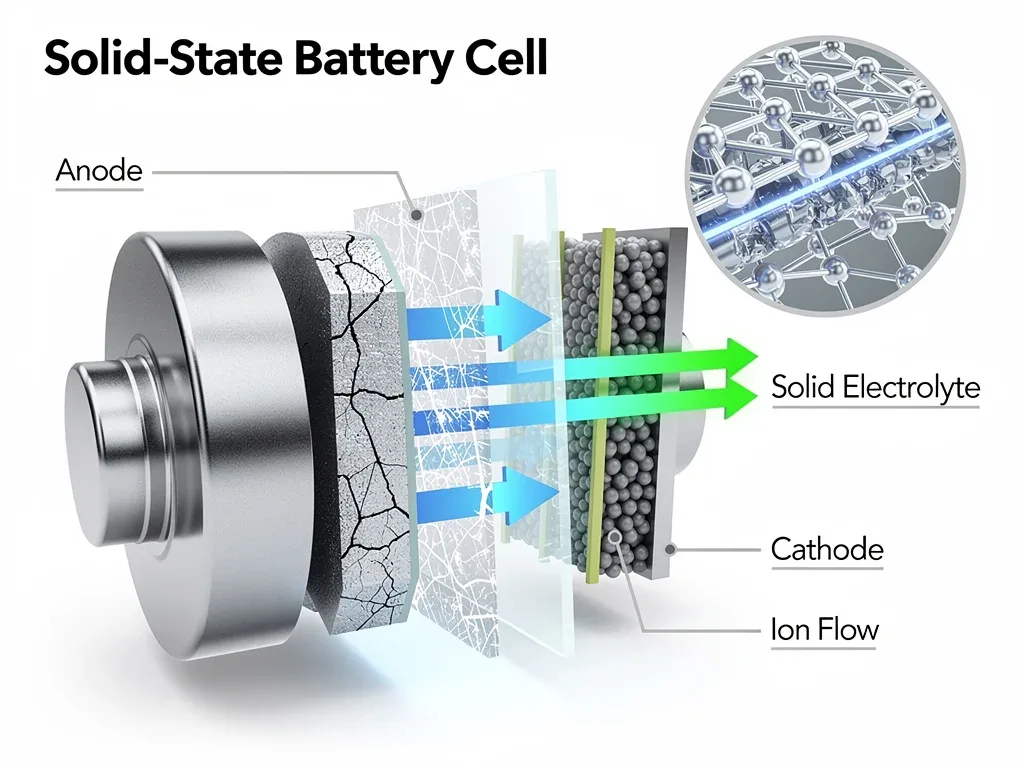
Despite these challenges, significant milestones are being achieved regularly. Pilot production lines are already demonstrating the feasibility of manufacturing these batteries, and several automakers have announced plans to integrate solid-state technology into their vehicles within the next few years. The 2026 timeline for widespread adoption of 750-mile range EVs is ambitious but increasingly realistic, driven by intense research and development efforts.
Key Players and Innovations Driving the Solid-State Revolution
The race to commercialize solid-state batteries is highly competitive, with numerous companies and research institutions globally investing heavily in this transformative technology. In the US, a vibrant ecosystem of startups, established automotive giants, and academic powerhouses are all contributing to the solid-state battery breakthrough.
Leading the charge are companies like QuantumScape, Solid Power, and StoreDot, which have made significant strides in developing promising solid-state chemistries and manufacturing processes. These companies are not only focused on improving energy density but also on addressing critical aspects like charging speed, cycle life, and overall safety.
Collaborations and Strategic Partnerships
Automakers are keenly aware of the potential of solid-state batteries and are forming strategic partnerships to secure their future in the EV market. Companies such as Volkswagen, Ford, and BMW have invested heavily in solid-state battery startups, recognizing that this technology will be a key differentiator in the next generation of electric vehicles.
- Automaker Investments: Major car manufacturers are funding research and development, and establishing joint ventures to accelerate solid-state battery production.
- Government Funding: Federal and state grants are supporting innovative battery research and domestic manufacturing initiatives to secure a competitive edge.
- Academic Research: Universities are playing a vital role in fundamental material science and electrochemical engineering, pushing the boundaries of what's possible.
These collaborations are crucial for bridging the gap between laboratory success and commercial viability. By pooling resources and expertise, these diverse players are collectively accelerating the development and deployment of solid-state battery technology, ensuring that the 750-mile range becomes a reality for consumers in the US by 2026. The synergistic approach is not only fostering innovation but also creating a robust supply chain for these advanced batteries.
The Future of Charging and EV Ecosystem in 2026
The introduction of 750-mile range electric vehicles by 2026, powered by the solid-state battery breakthrough, will necessitate and enable significant evolution in the broader EV ecosystem, particularly concerning charging infrastructure and energy management. While longer ranges reduce the frequency of charging, the demand for faster and more efficient charging solutions will remain paramount.
Ultra-fast charging networks will become more prevalent, capable of replenishing a significant portion of the 750-mile range in a matter of minutes. This will be crucial for maintaining the convenience of long-distance travel and ensuring that charging stops are as brief as possible, mimicking the current experience of refueling a gasoline car. Innovations in charging technology will likely include higher power outputs and more intelligent charging stations.
Smart Grids and V2G Technology
Beyond simply charging, the advanced capabilities of solid-state batteries will also unlock new possibilities for vehicle-to-grid (V2G) technology. EVs, with their massive energy storage capacity, can become active participants in the electrical grid, storing renewable energy and feeding power back during peak demand, thus enhancing grid stability and efficiency.
- Widespread Ultra-Fast Chargers: Development and deployment of charging stations capable of delivering hundreds of miles of range in very short periods.
- Vehicle-to-Grid Integration: EVs acting as mobile energy storage units, supporting grid stability and enabling more renewable energy integration.
- Enhanced Battery Management Systems: Sophisticated software and hardware to optimize charging, discharging, and overall battery health for solid-state cells.
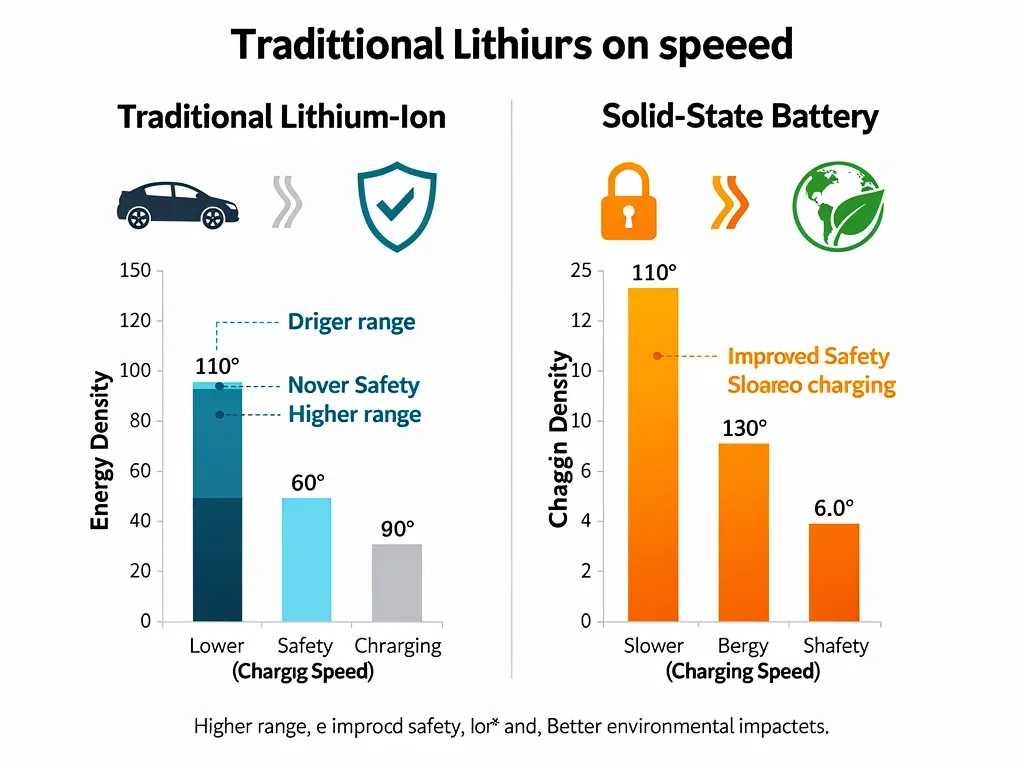
The evolution of the EV ecosystem in 2026 will be characterized by a seamless integration of vehicles, charging infrastructure, and smart energy grids. Solid-state batteries will not only power our cars but also play a critical role in our broader energy infrastructure, making electric mobility not just a transportation solution, but a cornerstone of a sustainable future. This holistic transformation will redefine how we interact with energy and transportation.
| Key Aspect | Brief Description |
|---|---|
| 750-Mile Range | Solid-state batteries enable unprecedented EV driving distances, eliminating range anxiety for US consumers. |
| Enhanced Safety | Solid electrolytes reduce fire risks, making EVs significantly safer than traditional lithium-ion counterparts. |
| Faster Charging | New battery architecture facilitates ultra-fast charging, comparable to gasoline refueling times. |
| Economic Impact | Boosts job creation, energy independence, and reduces emissions across the US. |
Frequently Asked Questions about Solid-State Batteries
What is a solid-state battery and how does it differ from current EV batteries?▼A solid-state battery uses a solid electrolyte instead of the liquid or gel electrolyte found in traditional lithium-ion batteries. This fundamental change allows for higher energy density, faster charging capabilities, and significantly improved safety by eliminating flammable liquids.
How will a 750-mile range impact electric vehicle adoption in the US?▼A 750-mile range will largely eliminate 'range anxiety,' a major barrier to EV adoption. It makes electric vehicles practical for long-distance travel across the US, appealing to a much broader consumer base and accelerating the transition from gasoline cars.
When can we expect solid-state batteries to be widely available in EVs?▼While some prototypes exist, widespread commercial availability of electric vehicles featuring solid-state batteries with a 750-mile range is projected for 2026. This timeline accounts for necessary advancements in manufacturing scale and cost reduction.
What are the main safety benefits of solid-state batteries?▼The primary safety benefit is the removal of flammable liquid electrolytes, which significantly reduces the risk of thermal runaway and fires that can occur in traditional lithium-ion batteries, leading to a much safer EV experience.
Will current charging infrastructure be compatible with solid-state battery EVs?▼Solid-state battery EVs will likely use existing charging standards but will benefit from upgraded ultra-fast chargers to maximize their quick-charging capabilities. The extended range will also reduce the frequency of charging stops, impacting infrastructure demand.
Conclusion
The solid-state battery breakthrough is not just another incremental step in automotive technology; it represents a monumental leap forward that will redefine electric mobility in the United States by 2026. With the promise of an unprecedented 750-mile range, enhanced safety, and faster charging, these advanced batteries are poised to eliminate the primary concerns that have hindered widespread EV adoption. This transformation extends beyond individual vehicles, impacting national energy independence, environmental sustainability, and economic growth. As research and development continue to accelerate, the future of driving in America looks undeniably electric, efficient, and exhilarating.
