Supply Chain Normalization: 14% Freight Cost Drop Forecast
Advertisements
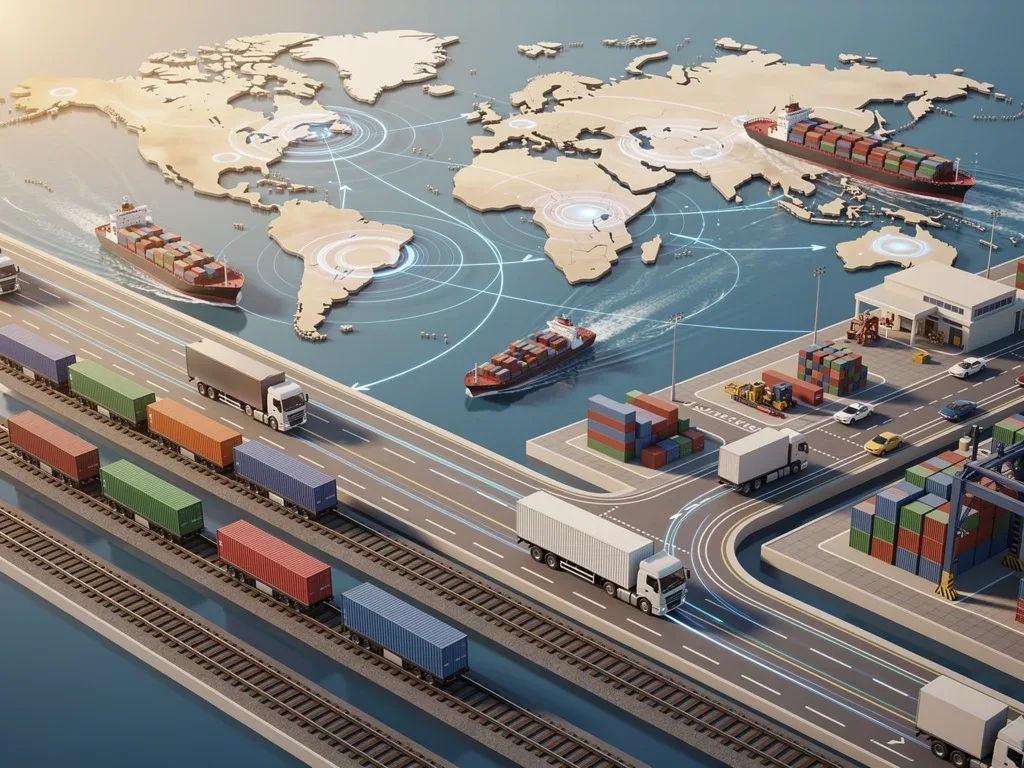
Supply chain normalization is anticipated to lead to a 14% reduction in national freight costs, directly influencing consumer prices and overall economic stability.
The intricate web of global commerce, often referred to as the supply chain, has faced unprecedented disruptions in recent years. However, a significant shift is underway. Current macroeconomic forecasts indicate that supply chain normalization is set to lower national freight costs by an impressive 14%, a development with substantial implications for consumers across the United States. This anticipated reduction promises to ease inflationary pressures and bring a much-needed sense of stability to household budgets.
Understanding supply chain normalization
Supply chain normalization refers to the return of global logistics and production networks to their pre-disruption efficiency levels. This process involves resolving bottlenecks, improving inventory management, and enhancing the overall flow of goods from manufacturers to consumers. For years, the world experienced a turbulent period marked by port congestion, labor shortages, and unexpected demand surges, all contributing to elevated freight costs.
The journey towards normalization is multifaceted, involving a delicate balance of various economic and operational factors. It's not merely about goods moving faster; it's about the entire ecosystem regaining its equilibrium, allowing for predictable and cost-effective transportation. This return to normalcy is a critical indicator of economic health, signaling a transition from reactive crisis management to proactive strategic planning within the logistics sector.
Key drivers of normalization
Several factors are converging to drive this normalization. Improved port efficiency, increased availability of shipping containers, and a more stable labor market are all playing crucial roles. Additionally, advancements in technology and data analytics are enabling companies to better forecast demand and optimize their routes, further contributing to cost reductions.
- Reduced port congestion: Fewer ships waiting to unload means faster turnaround times.
- Increased container availability: The global supply of shipping containers has stabilized.
- Improved labor market: More truck drivers and warehouse staff are available.
- Technological advancements: Better tracking and predictive analytics streamline operations.
The confluence of these elements creates a powerful force pushing freight costs downward. As these improvements become more entrenched, businesses can operate with greater certainty, passing on savings to the end consumer. This positive feedback loop is essential for sustained economic recovery and growth.
The 14% reduction in national freight costs: What it means
A projected 14% decrease in national freight costs is not just a statistic; it represents a tangible shift in the economic landscape. This reduction directly impacts the cost of transporting goods across the country, from raw materials to finished products. For businesses, it means lower operational expenses, which can translate into higher profit margins or, more likely, competitive pricing strategies.
For consumers, this forecast is particularly welcome. Freight costs are embedded in the price of nearly every item purchased, from groceries to electronics. When these costs fall, the potential for lower retail prices becomes significant. This could alleviate some of the financial strain experienced by households due to recent inflationary pressures, making everyday essentials more affordable.
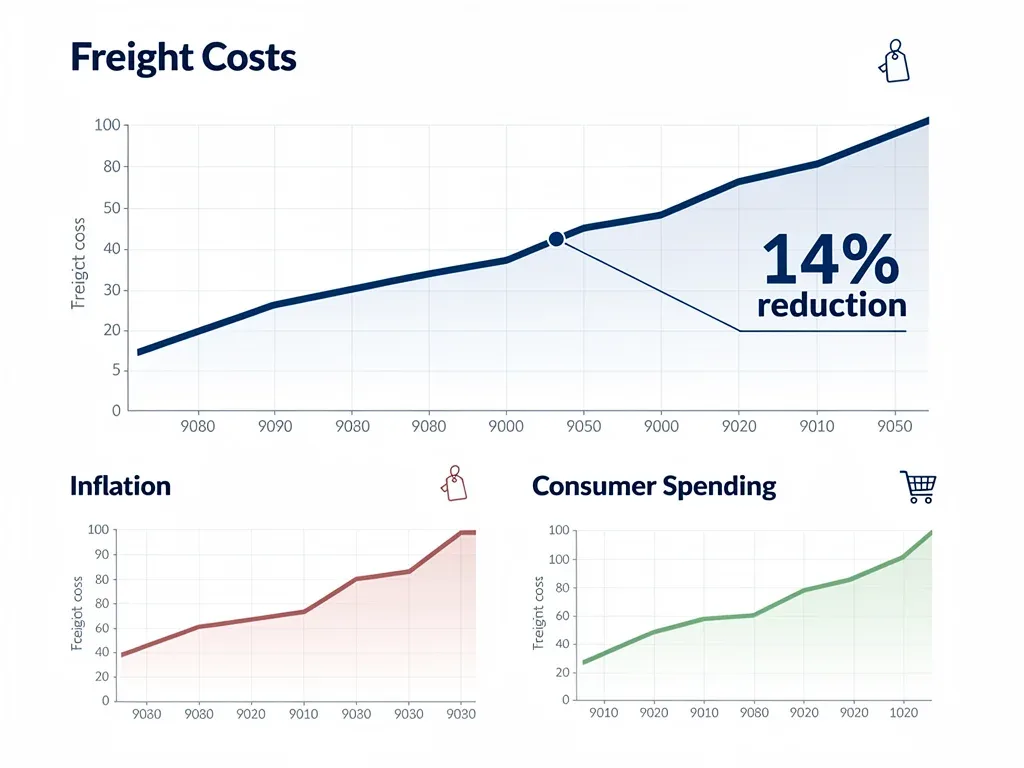
This percentage reduction is not uniform across all sectors, but its overall effect is expected to be widespread. Industries heavily reliant on extensive transportation networks, such as retail, manufacturing, and agriculture, will likely see the most immediate benefits. The ripple effect will touch almost every aspect of the economy, fostering an environment where businesses can invest and expand with greater confidence.
Impact on various sectors
The implications of this freight cost reduction are far-reaching. Consider the agricultural sector, where transporting produce from farms to supermarkets is a major expense. A 14% drop could reduce food prices, benefiting consumers directly. Similarly, in manufacturing, lower inbound logistics costs for raw materials could lead to more competitively priced finished goods.
- Retail: Lower shipping costs for inventory, potentially leading to reduced consumer prices.
- Manufacturing: Reduced expenses for raw material transport, boosting production efficiency.
- Agriculture: Cheaper distribution of produce, contributing to more affordable food.
- E-commerce: Reduced delivery costs, potentially enabling faster or free shipping options.
Ultimately, this reduction in freight costs acts as a deflationary force, counteracting some of the upward price pressures seen in recent years. It provides businesses with greater flexibility in their pricing strategies, which can be a powerful tool in attracting and retaining customers in a competitive market.
Macroeconomic forecast for consumers: A silver lining
The macroeconomic forecast stemming from this supply chain normalization offers a distinct silver lining for consumers. The anticipated reduction in freight costs is a key component of a broader trend towards economic stability and affordability. As the cost of moving goods decreases, the overall cost of living is expected to become more manageable for many American households.
This positive outlook extends beyond just lower prices. A more efficient and predictable supply chain reduces the risk of stockouts and delays, ensuring that goods are available when and where consumers need them. This reliability enhances consumer confidence and contributes to a more stable marketplace. The era of empty shelves and long waits for popular products may finally be behind us, replaced by a consistent and robust availability of goods.
Moreover, the savings realized by businesses can be reinvested into innovation, job creation, or improved wages, further stimulating economic growth. This creates a virtuous cycle where efficiency gains translate into widespread economic benefits. For consumers, this could mean not only more affordable goods but also a stronger job market and increased purchasing power.
Consumer spending and inflation
One of the most direct impacts on consumers will be seen in their spending power. Lower freight costs contribute to lower inflation, meaning that consumers' dollars will stretch further. This is a welcome change after a period of high inflation eroded real wages and purchasing power. The ability to buy more with the same amount of money improves the overall quality of life and allows for greater discretionary spending.
The reduction in freight costs acts as a natural brake on price increases, helping to stabilize the overall inflation rate. This stability is crucial for long-term financial planning and investment decisions for individuals and families. It fosters an environment where economic growth can occur without the constant threat of runaway price increases.
Addressing persistent supply chain challenges
While the outlook for supply chain normalization is positive, it's important to acknowledge that some challenges persist. The global nature of supply chains means they remain susceptible to geopolitical events, natural disasters, and unforeseen economic shifts. However, the lessons learned from recent disruptions have led to a more resilient and adaptable approach to logistics.
Companies are now investing in diversified sourcing strategies, building buffer stocks, and adopting advanced risk management techniques. These measures are designed to mitigate the impact of future disruptions, ensuring that the progress made in reducing freight costs is sustainable. The focus has shifted from just-in-time inventory to just-in-case, creating a more robust system capable of weathering unexpected storms.
Furthermore, governments and international organizations are collaborating to improve infrastructure and standardize regulations, further supporting the smooth flow of goods. This collaborative effort is essential for maintaining the momentum towards a truly normalized global supply chain. The goal is not just to return to previous levels of efficiency but to build a more resilient system for the future.
Future resilience strategies
Building future resilience involves several key strategies. Companies are increasingly exploring nearshoring and reshoring options to reduce reliance on distant supply sources. This brings production closer to consumer markets, shortening lead times and reducing transportation costs.
- Diversified sourcing: Spreading production across multiple regions to reduce risk.
- Nearshoring/Reshoring: Bringing manufacturing closer to home markets.
- Technology adoption: Implementing AI and IoT for better visibility and control.
- Buffer stocks: Maintaining strategic reserves of critical components and finished goods.
These strategies, while sometimes requiring initial investment, ultimately contribute to a more stable and cost-effective supply chain in the long run. They move beyond simply reacting to problems and instead focus on creating a proactive framework for managing global logistics.
The consumer's role in a normalized market
Consumers also play a vital role in shaping a normalized market. Informed purchasing decisions, a willingness to adapt to new product availability, and supporting businesses that prioritize efficient supply chain practices all contribute to the overall health of the economy. As freight costs decrease and product availability improves, consumers can expect a wider range of choices and more competitive pricing.
The transparency that comes with a more predictable supply chain also empowers consumers. They can make better decisions about where to buy, knowing that the products they seek are likely to be in stock and priced fairly. This increased confidence in the market can lead to more consistent spending patterns, further aiding economic stability.
Furthermore, consumer feedback on product availability and delivery times provides valuable data for businesses to continue refining their logistics operations. This dynamic interaction between consumers and the supply chain ecosystem ensures continuous improvement and adaptation. The collective actions of millions of consumers create a powerful signal that guides market behavior.
Benefiting from increased competition
As freight costs decrease, the barriers to entry for new businesses can also be reduced. This can foster increased competition, which typically benefits consumers through lower prices, higher quality products, and more innovative offerings. Existing businesses, in turn, are incentivized to optimize their operations further to remain competitive.
This healthy competition encourages a focus on efficiency and customer satisfaction. Consumers are no longer beholden to a few dominant players, as the playing field becomes more level for smaller businesses and startups. This dynamic ultimately leads to a more vibrant and responsive marketplace where consumer needs are met with greater precision and affordability.
Long-term economic outlook and consumer prosperity
The long-term economic outlook, significantly influenced by supply chain normalization and the resulting reduction in freight costs, points towards increased consumer prosperity. A sustained period of lower transportation expenses can lead to a more stable price environment, allowing household incomes to go further and savings to accumulate more effectively. This fosters an environment conducive to long-term financial planning and investment.
Beyond immediate price reductions, the structural improvements in supply chains contribute to overall economic resilience. Businesses are better equipped to handle future shocks, reducing the likelihood of sudden price spikes or widespread product shortages. This stability is a cornerstone of sustained economic growth and improved living standards for all.
Moreover, the efficiency gains from a normalized supply chain can free up capital and resources that can be directed towards innovation, research and development, and infrastructure improvements. These investments lay the groundwork for future economic expansion and create new opportunities for employment and wealth creation. For consumers, this translates into a higher quality of life, access to new technologies, and a more robust economy capable of meeting evolving needs.
Strategic consumer advantages
Consumers stand to gain several strategic advantages in a normalized market. The increased predictability means they can plan purchases more effectively, taking advantage of stable pricing and reliable availability. This reduces the stress associated with unpredictable market conditions and allows for more confident financial decisions.
- Stable prices: Easier budgeting and financial planning.
- Reliable product availability: Reduced stress and more confident purchasing.
- Increased product variety: More choices due to lower entry barriers for businesses.
- Enhanced purchasing power: Real wages go further as inflation moderates.
These advantages collectively contribute to a stronger consumer base, which is the engine of the U.S. economy. A confident and financially secure consumer population drives demand, encourages business investment, and supports overall economic health and prosperity for years to come. The journey towards supply chain normalization is a critical step in this broader economic evolution.
| Key Point | Brief Description |
|---|---|
| Freight Cost Reduction | National freight costs are projected to decrease by 14% due to supply chain normalization. |
| Consumer Price Impact | Lower freight costs are expected to translate into reduced retail prices for a wide range of goods. |
| Economic Stability | Normalization fosters a more predictable market, enhancing business confidence and consumer spending power. |
| Future Resilience | Companies are implementing strategies like diversified sourcing to prevent future disruptions. |
Frequently asked questions about supply chain normalization
What exactly is supply chain normalization?▼Supply chain normalization refers to the process where global logistics and production systems recover from disruptions, returning to efficient, predictable, and cost-effective operations. It involves resolving bottlenecks, improving inventory flows, and stabilizing transportation networks worldwide.
How will a 14% reduction in freight costs affect my daily purchases?▼A 14% reduction in freight costs is expected to lower the embedded transportation expenses in most products you buy. This should lead to reduced retail prices for various goods, from groceries to electronics, making everyday items more affordable for consumers.
What factors are driving this normalization trend?▼Key drivers include improved port efficiency, increased availability of shipping containers, a more stable labor market for logistics, and the widespread adoption of advanced technologies for better forecasting and route optimization. These combined efforts are streamlining global trade.
Will this reduction in freight costs be sustainable in the long term?▼Yes, companies are building resilience through diversified sourcing, nearshoring, and robust inventory management. These strategic shifts aim to mitigate future disruptions, suggesting that the cost reductions and efficiency gains from normalization are sustainable for the long term.
How does supply chain normalization impact the overall U.S. economy?▼It contributes to macroeconomic stability by easing inflationary pressures, boosting consumer purchasing power, and encouraging business investment. This fosters a healthier economic environment with predictable growth, job creation, and improved living standards for Americans.
Conclusion
The projected 14% reduction in national freight costs, driven by ongoing supply chain normalization, marks a pivotal moment for the U.S. economy and its consumers. This significant shift promises to alleviate inflationary pressures, enhance product availability, and ultimately contribute to greater affordability across a vast array of goods. As businesses adapt to more efficient logistics, the benefits will ripple through various sectors, fostering increased competition and innovation. For the average American household, this macroeconomic forecast signals a welcome return to more predictable prices and a stronger purchasing power, paving the way for sustained economic stability and improved prosperity in the years to come.
