Advanced Biofabrication: 3D Bioprinters Achieve 85% Vascularization
Advertisements
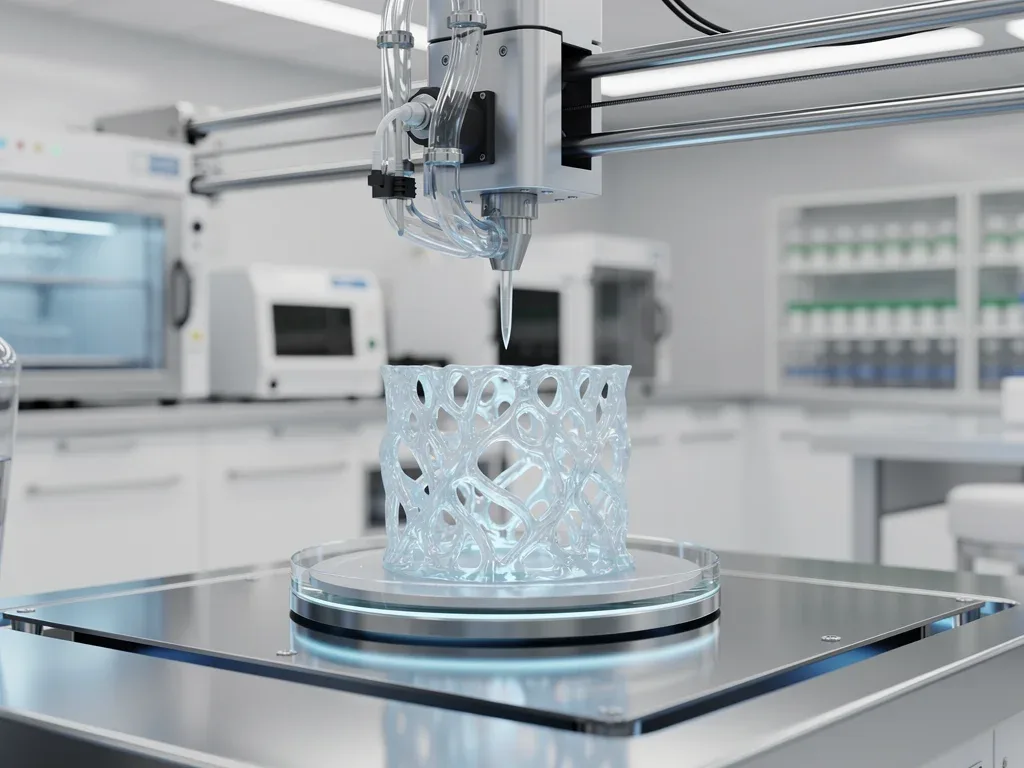
Advanced biofabrication, utilizing cutting-edge 3D bioprinters, is making significant strides in regenerative medicine by achieving up to 85% vascularization viability, a critical benchmark for the successful integration and function of engineered tissues.
Imagine a future where failing organs can be replaced not by donors, but by custom-made, fully functional biological tissues engineered in a lab. This isn't science fiction; it's the groundbreaking reality of advanced biofabrication in regenerative medicine: how 3D bioprinters are achieving 85% vascularization viability. The ability to create complex tissues with a robust blood supply is revolutionizing medical possibilities, offering hope for countless patients.
The vascularization challenge in tissue engineering
One of the most formidable hurdles in creating functional engineered tissues for regenerative medicine has always been ensuring adequate vascularization. Tissues, much like complex cities, require a comprehensive network of 'roads' – blood vessels – to deliver nutrients and remove waste. Without this intricate system, cells within engineered constructs quickly starve and die, limiting the size and complexity of tissues that can be successfully fabricated.
Early attempts at tissue engineering often resulted in constructs that were only viable for a few millimeters in thickness, as cells beyond this range could not receive sufficient oxygen and nutrients. This bottleneck severely restricted the translational potential of many promising regenerative therapies. Researchers understood that mimicking the body's natural vasculature was paramount to progressing beyond simple, thin tissue structures.
Overcoming nutrient and oxygen limitations
The core problem lies in diffusion limits. Oxygen and nutrients can only diffuse a short distance through tissue before their concentration drops below a critical level needed for cell survival. For any engineered tissue to thrive and integrate into a host organism, it must rapidly establish a connection to the host's circulatory system or possess its own functional vascular network.
- Diffusion barriers: Cells more than 150-200 micrometers from a blood supply face hypoxia and necrosis.
- Scale limitations: The inability to vascularize limits the creation of larger, clinically relevant tissue constructs.
- Waste removal: Efficient vascular networks are also essential for expelling metabolic byproducts, preventing cellular toxicity.
Addressing these limitations has been a central focus of biofabrication research for decades. The goal is not just to create cells, but to arrange them into functional, living structures that can survive and integrate, ultimately restoring or replacing damaged biological functions. Achieving 85% vascularization viability represents a monumental leap forward in this pursuit, opening doors to previously unimaginable therapeutic avenues.
In conclusion, the challenge of vascularization is fundamental to tissue engineering. Without a viable blood supply, engineered tissues cannot survive or function long-term. This understanding has driven innovations in advanced biofabrication, pushing the boundaries of what is possible in regenerative medicine.
The rise of 3D bioprinting technology
The advent of 3D bioprinting has revolutionized the approach to constructing complex biological tissues. Unlike traditional tissue engineering methods that often relied on static scaffolds, 3D bioprinting offers unparalleled control over the spatial arrangement of cells, biomaterials, and growth factors. This precision allows for the fabrication of intricate architectures that more closely mimic natural tissues, including their vascular networks.
Bioprinters operate on principles similar to conventional 3D printers, but instead of plastic or metal, they use 'bio-inks' – formulations containing living cells, hydrogels, and other biocompatible materials. These bio-inks are precisely deposited layer by layer to build three-dimensional structures. The ability to program the exact placement of different cell types and materials is crucial for creating functional tissues.
Innovations in bio-ink development
The success of 3D bioprinting heavily relies on the development of advanced bio-inks. These materials must be biocompatible, provide structural support, and allow for cell survival, proliferation, and differentiation. Crucially, they must also be printable, meaning they can be extruded through fine nozzles without damaging the encapsulated cells and then solidify to maintain the desired shape.
- Hydrogel formulations: Common bio-inks include alginate, gelatin, collagen, and fibrin, often modified to enhance printability and cellular interaction.
- Cell-laden inks: Direct encapsulation of various cell types, including endothelial cells and mesenchymal stem cells, within the bio-ink.
- Growth factor integration: Incorporation of angiogenic growth factors to stimulate blood vessel formation post-printing.
Recent advancements have focused on creating smart bio-inks that respond to external stimuli or degrade at controlled rates, facilitating the integration of new vessels. The meticulous design of these bio-inks is a cornerstone of achieving high vascularization viability, as they provide the ideal microenvironment for vessel formation and maturation. The precision offered by 3D bioprinting, coupled with sophisticated bio-ink chemistries, is driving the remarkable progress seen in advanced biofabrication.
In summary, 3D bioprinting has emerged as a transformative technology in regenerative medicine, offering unprecedented control over tissue architecture. The continuous innovation in bio-ink formulations is a key enabler, allowing for the precise creation of complex, vascularized constructs.
Strategies for achieving 85% vascularization viability
The impressive achievement of 85% vascularization viability is not a result of a single breakthrough but rather the culmination of several sophisticated strategies employed in advanced biofabrication. These strategies focus on both actively promoting vessel formation and designing tissue constructs that inherently support vascular network development. The goal is to create conditions within the bioprinted tissue that encourage rapid and robust connection to the host's circulatory system.
One primary approach involves incorporating endothelial cells, the building blocks of blood vessels, directly into the bio-ink. By strategically placing these cells, researchers can guide the formation of nascent vascular structures within the printed tissue. These pre-vascularized constructs are then more readily accepted by the body and can quickly establish functional blood flow upon implantation.
Direct and indirect vascularization techniques
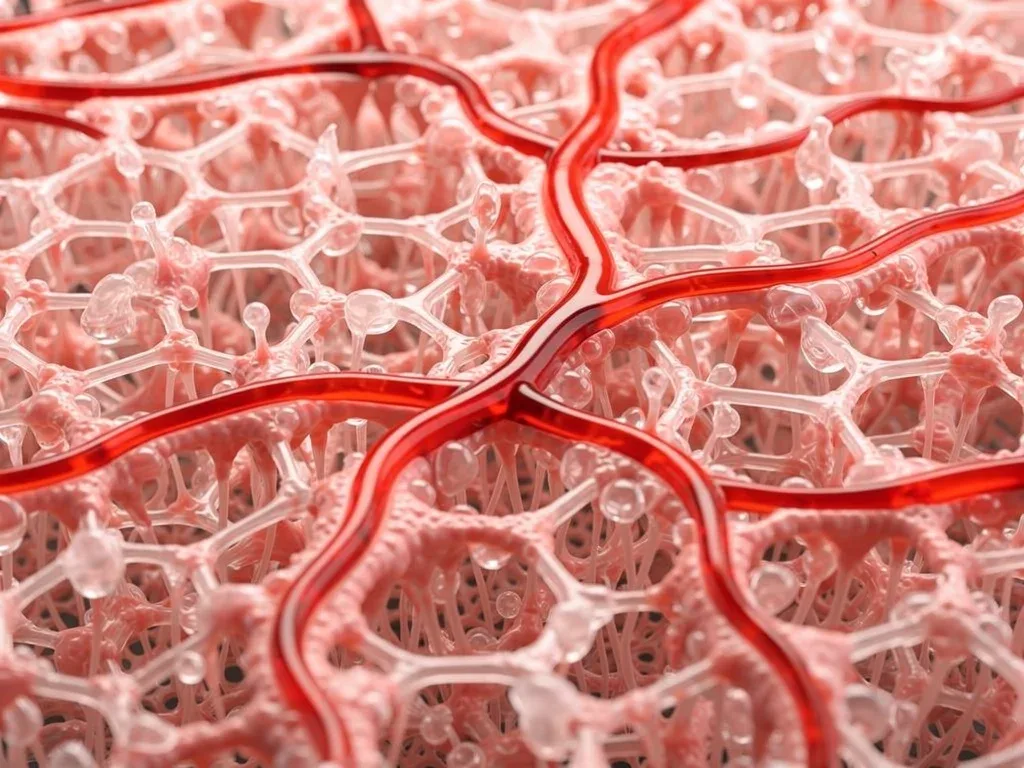
Advanced biofabrication leverages both direct and indirect methods to achieve high vascularization. Direct methods involve printing vascular channels or endothelial cells, while indirect methods create a pro-angiogenic environment within the tissue.
- Direct bioprinting of vascular networks: Printing hollow channels or seeding endothelial cells directly into predefined patterns that mimic natural vessel architectures.
- Sacrificial templating: Printing fugitive inks (e.g., pluronic F-127) that are later removed, leaving behind perfusable channels for blood flow.
- Angiogenic factor delivery: Sustained release of growth factors like VEGF (Vascular Endothelial Growth Factor) from the bioprinted scaffold to stimulate host vessel ingrowth.
Another critical strategy involves co-culturing different cell types. For instance, combining endothelial cells with mesenchymal stem cells or pericytes has been shown to enhance vascular stability and maturation. These supporting cells contribute to the structural integrity and functionality of the newly formed blood vessels. The careful orchestration of cell types and their microenvironment is central to achieving high viability rates.
Furthermore, optimizing the mechanical properties of the bio-ink and the overall scaffold design plays a crucial role. A scaffold that provides appropriate mechanical cues can guide cell behavior and promote vascular remodeling. These multifaceted strategies, when combined, create a powerful synergy that pushes the boundaries of what is possible in tissue vascularization. This integrated approach is essential for the continued progress in advanced biofabrication.
In conclusion, achieving high vascularization viability is a complex endeavor that benefits from a combination of direct printing of vessel components, indirect stimulation of angiogenesis, and thoughtful scaffold design. These strategies are paving the way for more functional and clinically relevant engineered tissues.
Impact on regenerative medicine applications
The ability of 3D bioprinters to achieve 85% vascularization viability fundamentally changes the landscape of regenerative medicine. This breakthrough moves us closer to a future where functional, complex tissues and organs can be reliably engineered and transplanted, addressing critical shortages and improving patient outcomes. The implications span a wide range of medical conditions, from chronic diseases to acute injuries.
For patients awaiting organ transplants, this technology offers a glimmer of hope for personalized, on-demand organs, eliminating the need for immunosuppressive drugs and reducing the risk of rejection. Beyond whole organs, the engineering of smaller, functional tissue units can revolutionize treatments for various conditions where tissue repair or replacement is currently limited.
Key therapeutic areas benefiting from enhanced vascularization
Enhanced vascularization is a game-changer for several therapeutic applications, making previously theoretical treatments a tangible reality.
- Organ transplantation: Creating functional kidneys, livers, and hearts with inherent vascular networks reduces reliance on donor organs.
- Bone and cartilage repair: Engineering vascularized bone grafts that integrate seamlessly and promote faster healing in complex fractures or defects.
- Cardiac tissue repair: Developing myocardial patches with a blood supply to restore function after heart attacks, preventing scar tissue formation.
- Skin grafts for burns: Producing thicker, more robust skin grafts with integrated vasculature for severe burn victims, improving healing and reducing complications.
Moreover, the capacity to create highly vascularized tissues has profound implications for drug discovery and disease modeling. Scientists can now develop more physiologically relevant in vitro models that mimic human tissues more accurately, leading to better drug screening and a deeper understanding of disease progression. This reduces the need for animal testing and accelerates the development of new therapies.
The successful vascularization of engineered tissues significantly expands the potential for clinical translation. As these technologies mature, we can anticipate a paradigm shift in how we approach tissue and organ failure, moving from managing symptoms to truly regenerating healthy, functional biological structures. This represents a monumental step forward for patient care.
In conclusion, the high vascularization viability achieved through advanced biofabrication is set to transform regenerative medicine. It promises to address organ shortages, revolutionize tissue repair, and provide superior models for research, ultimately improving human health.
Challenges and future directions
While achieving 85% vascularization viability is a significant milestone, the field of advanced biofabrication still faces considerable challenges before widespread clinical application. Scaling up production, ensuring long-term graft stability, and navigating regulatory pathways are complex hurdles that require ongoing research and collaboration. The journey from laboratory breakthrough to routine clinical practice is often long and arduous.
One major challenge is the complexity of replicating the intricate hierarchical structure of natural vascular networks. The body's blood vessels range from large arteries and veins down to microscopic capillaries, each with specific functions and cellular compositions. Current bioprinting technologies can create impressive microvascular networks but struggle with seamlessly integrating larger vessels and ensuring long-term patency and functionality.
Innovations driving future progress
The future of advanced biofabrication is bright, with several key areas of innovation poised to overcome current limitations and further enhance vascularization viability.
- Multi-material bioprinting: Developing printers capable of simultaneously depositing multiple bio-inks with varying properties to create more heterogeneous and functional tissues.
- In-situ bioprinting: Direct bioprinting within the patient's body to repair damaged tissues, eliminating the need for ex-vivo fabrication and subsequent implantation.
- AI and machine learning integration: Using AI to optimize bio-ink formulations, print parameters, and scaffold designs for improved vascularization and tissue maturation.
- Bioreactor development: Designing advanced bioreactors that provide dynamic mechanical and biochemical stimuli to engineered tissues, promoting better maturation and vascular development.
Another critical area of focus is the long-term integration and functionality of bioprinted tissues within the host. While initial vascularization might be successful, ensuring that these new vessels remain patent and responsive to physiological demands over time is essential. This involves understanding the complex interplay between engineered tissue and host immunity, as well as optimizing the mechanical and biochemical cues that promote stable vascular networks.
Furthermore, the regulatory landscape for bioprinted tissues is still evolving. Establishing clear guidelines for safety, efficacy, and quality control will be crucial for bringing these innovative therapies to patients. Despite these challenges, the rapid pace of research and the multidisciplinary nature of the field suggest that solutions are on the horizon, promising even greater advancements in advanced biofabrication.
In conclusion, while significant progress has been made, challenges remain in scaling up, ensuring long-term functionality, and navigating regulation. However, ongoing innovations in multi-material printing, AI, and bioreactor technology are paving the way for future breakthroughs in vascularized tissue engineering.
Ethical considerations and societal implications
As advanced biofabrication in regenerative medicine: how 3D bioprinters are achieving 85% vascularization viability progresses, it brings forth a myriad of ethical considerations and profound societal implications. The ability to engineer complex human tissues and potentially entire organs raises questions that extend beyond scientific feasibility into the realms of morality, access, and identity. It is imperative to engage in thoughtful discourse as these technologies move closer to clinical reality.
One immediate ethical concern revolves around equitable access. If bioprinted organs become a reality, how will they be distributed? Will they be accessible only to the wealthy, exacerbating existing healthcare disparities? Ensuring that these life-saving technologies are available to all who need them, regardless of socioeconomic status, will be a critical societal challenge that needs proactive policy development.
Navigating the ethical landscape of biofabrication
The ethical landscape of advanced biofabrication is complex, touching upon issues of human dignity, identity, and the very definition of life.
- Resource allocation: How do we fairly distribute highly advanced and potentially expensive bioprinted organs or tissues?
- Human enhancement: Where is the line between therapeutic intervention and enhancement if tissues can be engineered to be 'better' than natural ones?
- Identity and self: Does replacing significant portions of the body with engineered tissues alter one's sense of self or identity?
- Animal welfare: While aiming to reduce animal testing, the initial stages of research often still rely on animal models, prompting ethical considerations.
Another significant ethical debate centers on the potential for human enhancement. If we can engineer tissues to be more robust or functional than naturally occurring ones, where do we draw the line between therapy and enhancement? This question has broad philosophical implications and requires careful consideration to prevent unintended societal consequences. The potential for 'designer organs' or 'optimized tissues' could reshape human capabilities and create new forms of social stratification.
Furthermore, the use of human cells, particularly stem cells, in biofabrication research also raises ethical questions regarding their source, consent, and potential for misuse. Robust ethical frameworks and transparent regulatory oversight are essential to guide the responsible development and application of these powerful technologies. Engaging public dialogue and establishing clear societal boundaries will be crucial to harnessing the full potential of advanced biofabrication responsibly.
In conclusion, while advanced biofabrication offers immense promise, it also demands careful consideration of ethical dilemmas concerning access, human enhancement, and identity. Proactive policy and public engagement are vital for responsible development.
The economic outlook and market potential
The economic outlook for advanced biofabrication, particularly with the breakthroughs in vascularization viability, is exceptionally promising. The global regenerative medicine market is already substantial and poised for exponential growth, driven by an aging population, increasing prevalence of chronic diseases, and the limitations of traditional treatments. 3D bioprinting, by addressing critical unmet needs, is positioned to capture a significant share of this expanding market.
Analysts project that the market for bioprinted tissues and organs will reach billions of dollars within the next decade. This growth will be fueled by both therapeutic applications, such as organ and tissue transplants, and non-therapeutic uses, including drug testing platforms and disease models. The ability to produce functional, vascularized tissues at scale will unlock new revenue streams and create entirely new industries.
Investment and market drivers
Significant investment is pouring into the advanced biofabrication sector, reflecting confidence in its transformative potential. Several key drivers are propelling this market forward.
- Unmet medical needs: Shortage of donor organs and limitations of current treatments for tissue damage drive demand for engineered alternatives.
- Reduced R&D costs: Bioprinted tissue models can accelerate drug discovery and reduce costs associated with clinical trials.
- Personalized medicine: The ability to create patient-specific tissues minimizes rejection and improves treatment efficacy.
- Government funding and initiatives: Increased public and private funding for regenerative medicine research and development.
The economic impact extends beyond direct product sales. The development of advanced bioprinting technologies will stimulate innovation in related sectors, including biomaterials science, robotics, software development, and medical device manufacturing. This creates a ripple effect, generating employment opportunities and fostering economic growth across various industries. Companies that successfully commercialize vascularized bioprinted tissues will gain a significant competitive advantage.
Furthermore, the long-term cost savings associated with these technologies could be substantial. By reducing the need for repeated surgeries, long-term hospital stays, and immunosuppressive therapies, bioprinted organs and tissues could alleviate the immense financial burden on healthcare systems. This shift towards more effective and potentially curative treatments represents a profound economic and societal benefit. The market potential is not merely theoretical; it is rapidly becoming a tangible reality.
In conclusion, the economic outlook for advanced biofabrication is robust, driven by unmet medical needs, personalized medicine, and significant investment. This sector promises to create new industries, generate employment, and deliver substantial cost savings to healthcare systems.
| Key Point | Brief Description |
|---|---|
| Vascularization Breakthrough | 3D bioprinters achieving 85% vascularization viability, critical for tissue survival and function. |
| 3D Bioprinting Role | Enables precise placement of cells and biomaterials to mimic natural tissue architecture, including blood vessels. |
| Regenerative Impact | Revolutionizes organ transplantation, tissue repair, and drug discovery by creating functional, integrated tissues. |
| Future & Ethics | Challenges include scaling and regulation, while ethical debates on access and enhancement require careful consideration. |
Frequently asked questions about advanced biofabrication
What is advanced biofabrication?▼Advanced biofabrication refers to the use of sophisticated technologies, primarily 3D bioprinting, to create functional living tissues and organs from biological materials. It precisely arranges cells, biomaterials, and growth factors to mimic natural biological structures, aiming to replace or repair damaged tissues in the human body.
Why is vascularization important for engineered tissues?▼Vascularization is crucial because engineered tissues, like natural ones, require a blood supply to deliver oxygen and nutrients to cells and remove waste products. Without adequate vascular networks, cells within the tissue constructs cannot survive, limiting the size and complexity of tissues that can be successfully created and integrated into a patient.
How do 3D bioprinters achieve high vascularization viability?▼3D bioprinters achieve high vascularization through precise deposition of bio-inks containing endothelial cells, sacrificial templating to create perfusable channels, and the incorporation of angiogenic growth factors. These methods encourage the formation of intricate blood vessel networks, enabling effective nutrient and oxygen exchange within the printed tissue.
What are the key applications of vascularized bioprinted tissues?▼Vascularized bioprinted tissues have vast applications in regenerative medicine, including creating functional organs for transplantation, repairing damaged bone, cartilage, and cardiac tissues, and developing more accurate disease models for drug discovery. This technology aims to address organ shortages and improve treatment outcomes for various medical conditions.
What ethical considerations surround advanced biofabrication?▼Ethical considerations include ensuring equitable access to these advanced therapies, defining boundaries for human enhancement, and addressing questions about identity when significant body parts are replaced. The use of human cells and the potential for societal disparities also necessitate robust ethical frameworks and public dialogue for responsible development.
Conclusion
The remarkable progress in advanced biofabrication in regenerative medicine: how 3D bioprinters are achieving 85% vascularization viability marks a pivotal moment in medical science. Overcoming the long-standing challenge of vascularization has opened new frontiers for creating functional, complex tissues and organs, promising to revolutionize treatments for a myriad of diseases and injuries. While significant hurdles remain, particularly in scaling production, ensuring long-term integration, and navigating complex ethical landscapes, the rapid pace of innovation and dedicated research efforts suggest a future where personalized, bioprinted organs are not just a dream, but a tangible reality. This transformative technology holds immense potential to alleviate human suffering, extend lives, and fundamentally reshape healthcare as we know it, demanding continued investment and thoughtful societal engagement.
