Direct Air Carbon Capture: 2026 Megawatt Facilities & Cost Cuts
Advertisements
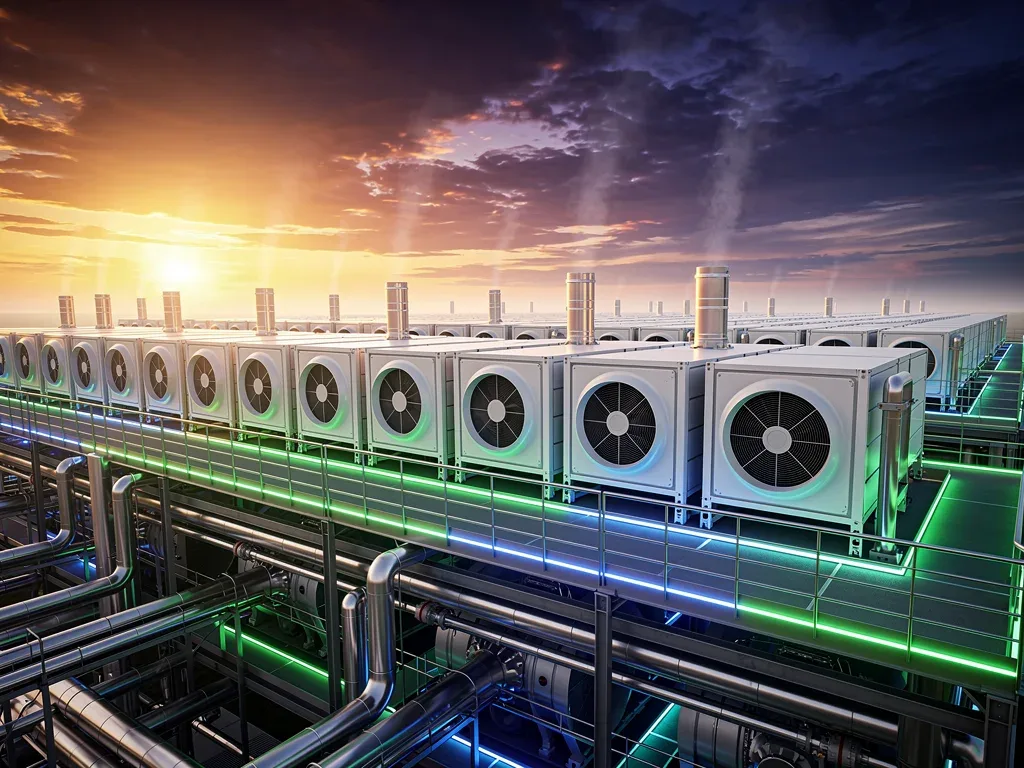
Direct air carbon capture is on the cusp of a major breakthrough, with 2026 industrial megawatt facilities projected to dramatically reduce CO2 extraction costs by 50%, accelerating global climate action efforts.
The urgency of climate change demands innovative solutions, and among the most promising is direct air carbon capture (DAC). Imagine technology that can literally pull carbon dioxide out of the atmosphere, cleaning the air we breathe and mitigating global warming. This isn't science fiction; it's a rapidly advancing reality. By 2026, we anticipate the unveiling of industrial megawatt facilities that promise to revolutionize the economics of DAC, potentially lowering CO2 extraction costs by an astounding 50%. This article delves into the technological marvels, economic implications, and future prospects of these groundbreaking facilities, exploring how they could reshape our fight against climate change.
The Dawn of Industrial-Scale Direct Air Capture
For years, direct air carbon capture remained largely a theoretical concept or a small-scale pilot project. However, significant advancements in material science, engineering, and energy integration are now propelling DAC into an industrial-scale reality. The year 2026 is poised to be a pivotal moment, with several megawatt-scale facilities expected to come online, demonstrating the commercial viability and immense potential of this technology.
These next-generation facilities are not merely larger versions of their predecessors; they represent a fundamental shift in design and operational efficiency. They leverage economies of scale, optimized energy consumption, and innovative capture materials to achieve unprecedented levels of CO2 removal. The focus is on creating robust, continuous operations that can effectively process vast volumes of air.
Technological Leaps in CO2 Absorption
Central to the success of industrial DAC are the breakthroughs in CO2 absorption technologies. Researchers have been tirelessly working on developing sorbents that are more efficient, durable, and cost-effective.
- Advanced Sorbent Materials: New solid sorbents and liquid solvents with higher selectivity and regeneration efficiency are being deployed, significantly reducing the energy required for CO2 release.
- Modular Design: Facilities are adopting modular architectures, allowing for easier scaling, faster deployment, and more flexible operation. This also facilitates maintenance and upgrades.
- Integrated Heat Recovery: Smart energy management systems are being integrated to recover waste heat from other industrial processes, drastically lowering the energy penalty associated with sorbent regeneration.
- Optimized Air Contactors: Innovations in air contactor design are maximizing the surface area for CO2 absorption while minimizing pressure drop, leading to more efficient air processing.
The combination of these technological advancements is what underpins the ambitious goal of halving extraction costs. By minimizing energy inputs and maximizing capture rates, these facilities are setting a new benchmark for what is achievable in carbon removal.
In essence, the move to industrial scale is not just about size, but about a comprehensive re-engineering of the entire DAC process. From the initial air intake to the final CO2 compression, every step is being optimized for cost-effectiveness and environmental impact. This holistic approach is critical for DAC to become a truly impactful climate solution.
How 2026 Facilities Will Halve Extraction Costs
The promise of a 50% reduction in CO2 extraction costs by 2026 is a bold one, but it is rooted in concrete technological and economic strategies. Current DAC costs are often prohibitive, ranging from several hundred to over a thousand dollars per ton of CO2. Achieving this reduction involves a multi-pronged approach that addresses both capital expenditure (CapEx) and operational expenditure (OpEx).
Economies of Scale and Manufacturing Innovations
One of the primary drivers for cost reduction is the transition from pilot plants to large-scale industrial facilities. Mass production of components and standardized designs will significantly lower manufacturing costs.
- Standardized Component Manufacturing: Moving away from bespoke fabrication to mass-produced, standardized modules will reduce unit costs, similar to how solar panels or wind turbines have seen dramatic cost drops.
- Optimized Supply Chains: As the industry matures, dedicated supply chains for DAC components and materials will emerge, leading to greater efficiency and lower procurement costs.
- Construction Efficiencies: Experience gained from initial large-scale projects will lead to more efficient construction practices, reducing labor and material costs for subsequent facilities.
These economies of scale are not just theoretical; they are a proven pathway for emerging technologies to achieve cost competitiveness. The DAC industry is now reaching a critical mass where such benefits are becoming tangible.
Energy Integration and Renewable Power
Energy consumption is a major component of DAC operational costs. The 2026 facilities are being designed with deep integration of renewable energy sources and advanced heat recovery systems.
By siting facilities near geothermal plants, waste heat sources, or abundant solar and wind farms, the cost of energy for sorbent regeneration – often the most energy-intensive step – can be dramatically reduced. Furthermore, innovations in sorbent chemistry allow for regeneration at lower temperatures, further decreasing energy demand. The aim is to power these facilities with 100% clean energy, minimizing their own carbon footprint and maximizing their net carbon removal impact.
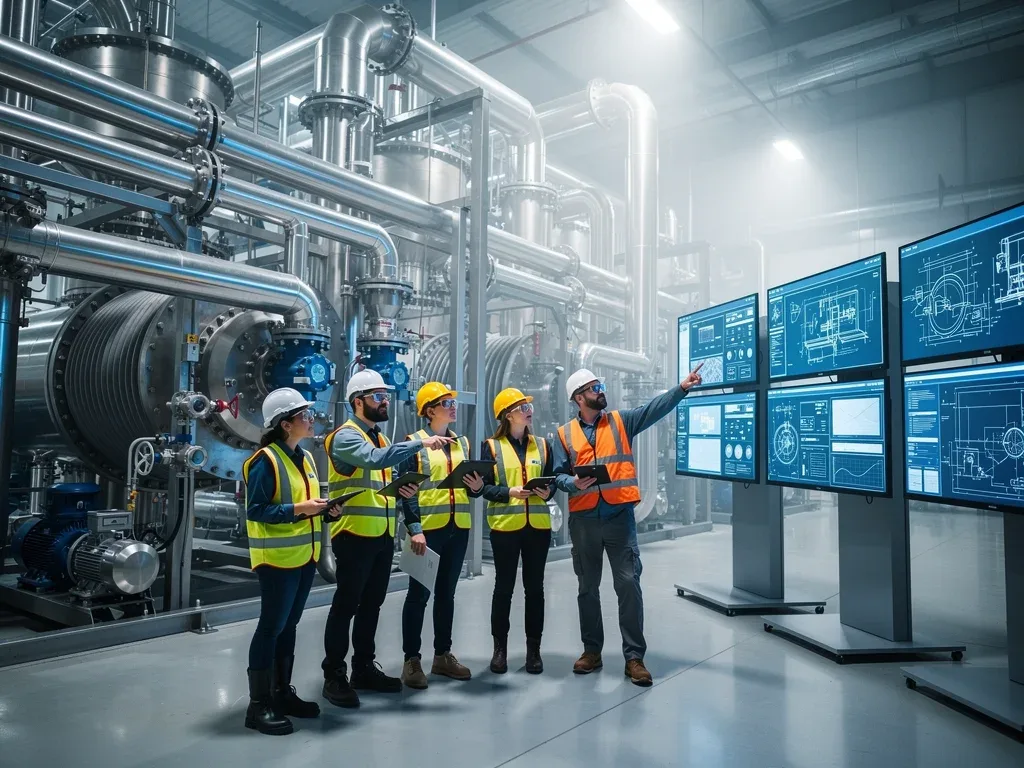
In conclusion, the cost reduction strategy is comprehensive, tackling everything from the initial build to ongoing operations. This integrated approach is essential for making DAC a scalable and economically viable solution for climate mitigation.
Technological Architecture of 2026 Megawatt Facilities
The industrial megawatt facilities slated for 2026 represent a pinnacle of engineering and scientific innovation. Their architecture is a testament to the pursuit of efficiency, scalability, and environmental performance. These are not just bigger machines; they are intricately designed ecosystems for carbon removal.
Modular Design and Scalability
A key characteristic of these facilities is their modularity. Instead of building one massive, monolithic structure, they are composed of numerous identical, independent capture units.
- Rapid Deployment: Modular units can be pre-fabricated off-site and quickly assembled on location, significantly reducing construction time and costs.
- Flexible Scaling: Facilities can easily expand their capacity by adding more modules as demand or funding grows, allowing for adaptive development.
- Redundancy and Reliability: The failure of one module does not cripple the entire operation, enhancing overall system reliability and uptime.
This modular approach mirrors the success seen in other large-scale industrial endeavors, providing a robust framework for rapid and cost-effective deployment.
Advanced Air Contactors and Sorbent Beds
The heart of a DAC facility lies in its air contactors, where atmospheric air comes into contact with the CO2-absorbing material. The 2026 designs feature highly optimized contactors.
These contactors are engineered to maximize the interaction between air and sorbent while minimizing energy consumption for air movement. They incorporate advanced fluid dynamics and material science to ensure uniform airflow and efficient CO2 capture. The sorbent beds themselves are designed for rapid cycling, meaning they can absorb CO2 and then release it for storage or utilization in a highly energy-efficient manner, a critical factor in achieving the targeted cost reductions.
The integration of these sophisticated components within a modular framework creates a powerful and adaptable system. This architectural foresight is crucial for meeting the ambitious targets for cost reduction and CO2 removal capacity.
The Economic Impact and Investment Landscape
The significant reduction in direct air carbon capture costs by 2026 is poised to have a profound economic impact, transforming DAC from a niche technology into a competitive solution in the broader climate mitigation portfolio. This shift will attract substantial investment and create new market opportunities.
Attracting Private and Public Investment
Lowering extraction costs by 50% makes DAC projects far more attractive to investors. The improved economic viability means a clearer path to profitability, de-risking investments in this nascent industry.
- Increased Project Funding: More favorable unit economics will spur greater private sector investment, moving beyond government grants and philanthropic funding.
- Carbon Credit Markets: As DAC becomes cheaper, its role in carbon credit markets will expand, providing a robust revenue stream for facility operators.
- Government Incentives: Lower costs will also strengthen the case for continued government support through tax credits, subsidies, and procurement programs, accelerating deployment.
This convergence of factors creates a fertile ground for the DAC industry to flourish, attracting capital from diverse sources and accelerating its growth trajectory.
Job Creation and Regional Development
The construction and operation of industrial-scale DAC facilities will generate significant economic activity and job creation. These are large infrastructure projects that require a skilled workforce.
From engineers and scientists involved in R&D and design, to construction workers building the facilities, and technicians operating and maintaining them, DAC is set to create a wide array of jobs. Furthermore, these facilities are often located in industrial areas, providing economic revitalization and high-tech employment opportunities in regions that may be transitioning away from fossil fuel industries. The ripple effect extends to local supply chains, logistics, and service industries, fostering broader regional economic development.
The economic narrative around DAC is shifting from a cost burden to an economic opportunity, positioning it as a driver of sustainable growth and innovation.
Global Implications and Climate Goals
The advancements in direct air carbon capture by 2026 carry significant global implications for climate action and the pursuit of net-zero emissions targets. With costs projected to halve, DAC becomes a much more accessible and viable tool in the climate mitigation arsenal, enabling countries and corporations to achieve their ambitious environmental goals.
Accelerating Net-Zero Pathways
Many net-zero pledges rely on a combination of emissions reduction and carbon removal. Cheaper DAC makes the carbon removal component more feasible and scalable.
- Bridging Emission Gaps: DAC can address hard-to-abate emissions from sectors like aviation or heavy industry, where direct emission reductions are challenging or prohibitively expensive.
- Historical CO2 Removal: Beyond current emissions, DAC offers the unique capability to remove legacy CO2 from the atmosphere, a critical step for genuinely reversing climate change.
- Enhanced Climate Resilience: By directly reducing atmospheric CO2 concentrations, DAC contributes to stabilizing global temperatures and mitigating the most severe impacts of climate change.
The ability to remove CO2 directly from the air provides a crucial backstop, ensuring that even if other mitigation efforts fall short, a pathway to net-zero remains open.
International Collaboration and Technology Transfer
As DAC technology matures and costs decrease, there will be increased opportunities for international collaboration and technology transfer. Developed nations can assist developing economies in deploying DAC solutions.
This sharing of expertise and infrastructure can accelerate global decarbonization efforts, ensuring that the benefits of DAC are not confined to a few regions. International partnerships, joint ventures, and capacity-building initiatives will be vital for realizing the full global potential of this technology. Such collaborations foster a collective approach to climate challenges, leveraging shared knowledge and resources for a common goal.
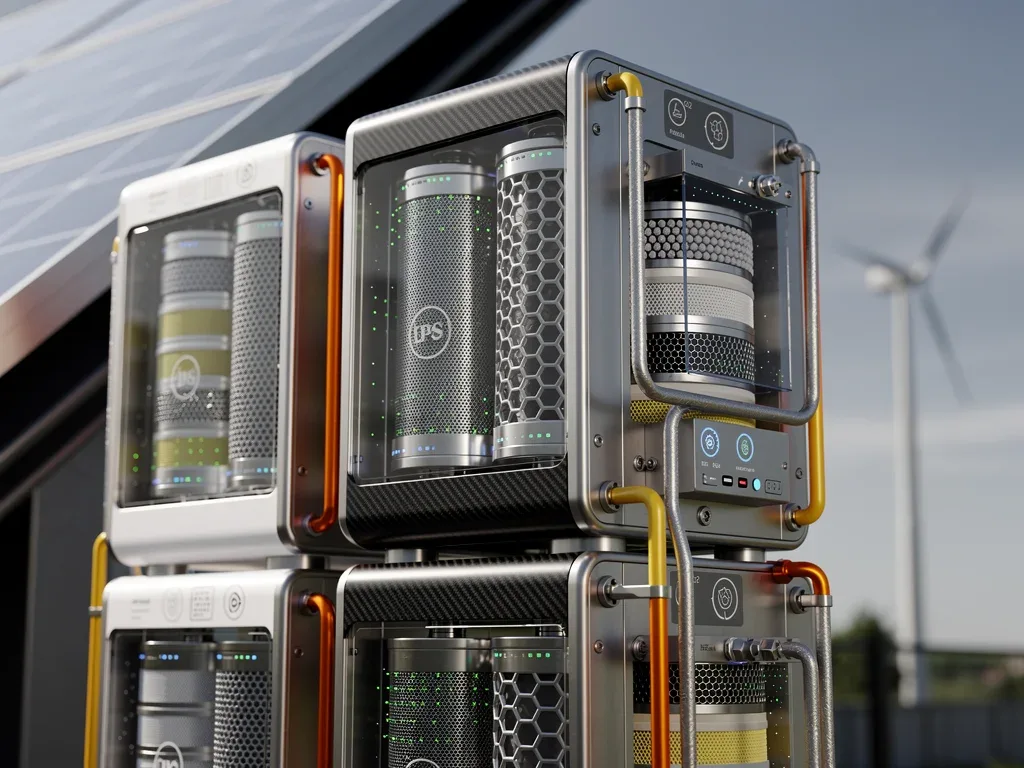
Ultimately, the global impact of these 2026 facilities extends beyond mere carbon removal; it represents a paradigm shift in our collective ability to actively manage and restore our planet's atmospheric balance.
Challenges and the Road Ahead for DAC
While the prospects for direct air carbon capture are incredibly promising, particularly with the cost reductions anticipated by 2026, the journey ahead is not without its challenges. Addressing these hurdles is crucial for DAC to fulfill its potential as a cornerstone of climate action.
Scaling Infrastructure and Energy Demands
Even with significant efficiency gains, deploying DAC at a scale sufficient to impact global CO2 levels will require substantial infrastructure and energy resources. Building hundreds or thousands of megawatt-scale facilities is a monumental undertaking.
- Land Use: Large DAC facilities require considerable land, which can lead to competition with agriculture or other land-intensive activities. Careful site selection and land-efficient designs are paramount.
- Energy Supply: While renewable energy integration is a priority, securing dedicated, reliable, and affordable clean energy supplies for all future DAC plants remains a significant challenge.
- CO2 Transport and Storage: Once captured, CO2 needs to be transported and permanently stored or utilized. Developing the necessary pipeline infrastructure and secure geological storage sites is a massive logistical and financial undertaking.
These infrastructure challenges highlight the need for comprehensive planning and significant public-private partnerships to ensure seamless deployment.
Public Acceptance and Policy Support
Public understanding and acceptance of DAC, along with consistent policy support, are vital for its long-term success. Misconceptions or skepticism can hinder progress.
Effective communication about the benefits and necessity of DAC, alongside transparent project development, can build public trust. Furthermore, stable and predictable policy frameworks, including carbon pricing mechanisms and direct incentives, are essential to provide the regulatory certainty needed for continued investment and innovation. Without robust policy support, even the most cost-effective DAC technologies may struggle to achieve widespread adoption.
Overcoming these challenges requires a concerted effort from technologists, policymakers, investors, and the public. The path to a decarbonized future with DAC is clear, but it demands sustained commitment and collaborative action.
| Key Aspect | Brief Description |
|---|---|
| Cost Reduction Goal | Targeting a 50% decrease in CO2 extraction costs by 2026, making DAC more economically viable. |
| Megawatt Facilities | Industrial-scale plants coming online in 2026, designed for high-volume CO2 removal. |
| Technological Drivers | Advanced sorbents, modular design, integrated energy recovery, and optimized air contactors. |
| Economic Impact | Attracting significant investment, creating jobs, and fostering regional development. |
Frequently Asked Questions About Direct Air Carbon Capture
What is direct air carbon capture (DAC)?▼Direct air carbon capture (DAC) is a technology that extracts carbon dioxide (CO2) directly from the ambient air. It uses chemical processes to separate CO2, which can then be permanently stored underground or utilized in various industrial applications, playing a vital role in reducing atmospheric greenhouse gases.
How will 2026 facilities lower DAC costs by 50%?▼The projected 50% cost reduction by 2026 is driven by economies of scale, advanced sorbent materials requiring less energy for regeneration, modular designs for efficient construction, and deep integration with renewable energy sources, significantly cutting both capital and operational expenditures.
What are the primary uses for captured CO2?▼Captured CO2 can be utilized in several ways, including enhanced oil recovery (though controversial), producing synthetic fuels, creating building materials, manufacturing carbonated beverages, or most importantly, being permanently stored in secure geological formations deep underground, preventing its release back into the atmosphere.
Is DAC a replacement for reducing emissions?▼No, DAC is not a replacement for reducing emissions. It is a complementary technology. While reducing emissions at the source remains the top priority for climate action, DAC is crucial for addressing hard-to-abate emissions and removing historical CO2, helping achieve net-zero targets and even net-negative emissions.
What are the environmental benefits of industrial DAC?▼Industrial DAC facilities offer significant environmental benefits by directly removing large quantities of CO2 from the atmosphere, mitigating global warming, reducing ocean acidification, and helping to stabilize global temperatures. When powered by renewable energy, their net environmental impact is overwhelmingly positive, contributing to a healthier planet.
Conclusion
The year 2026 marks a pivotal moment for direct air carbon capture. The anticipated launch of industrial megawatt facilities, coupled with a projected 50% reduction in CO2 extraction costs, signals a new era in climate technology. This breakthrough moves DAC from a promising concept to a scalable, economically viable solution, capable of making a substantial contribution to global decarbonization efforts. While challenges remain in infrastructure development and sustained policy support, the trajectory is clear: DAC is poised to become an indispensable tool in our collective fight against climate change, offering a tangible pathway to a net-zero future and beyond.
