2026 Labor Market Shift: Real Wage Growth Exceeds 3.1%
Advertisements

The 2026 labor market has seen real wage growth exceed 3.1% across crucial US industries, propelled by significant technological integration, skills-based demands, and strategic policy shifts.
Have you felt a change in the air regarding your paycheck? The economic landscape of the United States in 2026 has witnessed a remarkable phenomenon: real wage growth 2026 surpassing 3.1% across several key industries. This isn't just a statistical blip; it signifies a profound shift in the labor market, impacting workers, businesses, and the broader economy. Let's delve into the forces driving this unprecedented growth and what it means for you.
Understanding the Economic Landscape of 2026
The year 2026 marks a pivotal moment in economic history, characterized by a unique confluence of factors that have reshaped the labor market. Unlike previous cycles, the current surge in real wage growth is not merely inflationary; it reflects genuine increases in purchasing power for many American workers. This robust economic environment has been fostered by a combination of strategic investments, technological acceleration, and evolving global dynamics.
Several underlying macroeconomic trends have contributed to this positive shift. Post-pandemic recovery efforts, coupled with sustained government and private sector investments in infrastructure and innovation, have created a fertile ground for job creation and skill development. This has led to a tighter labor market in critical sectors, giving workers more leverage in salary negotiations.
Technological Integration and Productivity Gains
One of the primary drivers behind the significant real wage growth is the widespread adoption of advanced technologies across industries. Automation, artificial intelligence, and sophisticated data analytics have not only streamlined processes but also increased overall productivity. This enhanced efficiency allows companies to generate more value, which can then be reinvested into their workforce through higher wages.
- AI-driven Efficiency: AI tools are augmenting human capabilities, enabling workers to accomplish more complex tasks in less time, directly translating to higher output per employee.
- Automation Benefits: While some feared job displacement, automation has largely created new, higher-skilled roles focused on managing and maintaining these advanced systems.
- Data Analytics Impact: Better data insights lead to optimized business strategies, reducing waste and identifying new revenue streams that support increased compensation.
The integration of these technologies has fundamentally altered the skill sets required for many positions. Workers who adapt and acquire these new competencies are finding themselves in high demand, further contributing to their increased earning potential. This symbiotic relationship between technology and human capital is a defining characteristic of the 2026 labor market.
In conclusion, the economic landscape of 2026 is defined by a dynamic interplay of post-recovery momentum, strategic investments, and transformative technological adoption. These elements have collectively fueled a robust labor market where real wage growth is not just a fleeting trend but a reflection of fundamental structural changes.
Key Industries Leading the Wage Surge
While the overall labor market has seen impressive real wage growth, certain industries have emerged as frontrunners, experiencing particularly significant increases. These sectors are often at the forefront of innovation, addressing critical societal needs, or benefiting from substantial investment. Understanding these leading industries provides insight into where future opportunities and growth potential lie.
The sectors driving this unprecedented wage surge are diverse, encompassing both long-standing industries undergoing modernization and newer fields experiencing rapid expansion. This broad-based growth indicates a healthy and adaptable economy, capable of generating value across multiple fronts.
Technology and Digital Transformation
Unsurprisingly, the technology sector continues to be a powerhouse for wage growth. The relentless pace of digital transformation across all aspects of business and daily life has created an insatiable demand for skilled tech professionals. From software development to cybersecurity, and from cloud architecture to AI engineering, roles in this industry command premium salaries.
- Software Development: Continued demand for new applications and system upgrades keeps developer salaries high.
- Cybersecurity Specialists: The increasing threat landscape drives competitive compensation for those protecting digital assets.
- AI and Machine Learning Engineers: Experts in artificial intelligence are among the highest paid, reflecting their critical role in future innovation.
Healthcare and Biotechnology
The healthcare and biotechnology sectors have also witnessed substantial wage increases, driven by an aging population, advancements in medical science, and a renewed focus on public health infrastructure. Roles ranging from specialized medical practitioners to research scientists and biotech engineers are experiencing strong demand and corresponding wage hikes.
The pandemic underscored the critical importance of robust healthcare systems and continuous innovation in biotechnology. This realization has translated into increased funding and investment, creating a buoyant job market where professionals are highly valued and well-compensated. Furthermore, the integration of technology, such as telehealth and personalized medicine, is creating new, high-skill positions.
Green Energy and Sustainability
Another significant contributor to the real wage growth phenomenon is the burgeoning green energy and sustainability sector. As global efforts to combat climate change intensify, investments in renewable energy, sustainable technologies, and eco-friendly practices have soared. This has created a wealth of new jobs requiring specialized skills in engineering, research, and project management.
From solar panel installers and wind turbine technicians to environmental consultants and sustainable urban planners, the demand for professionals in this field is rapidly expanding. These roles are not only well-compensated but also offer the appeal of contributing to a more sustainable future, attracting a dedicated workforce.
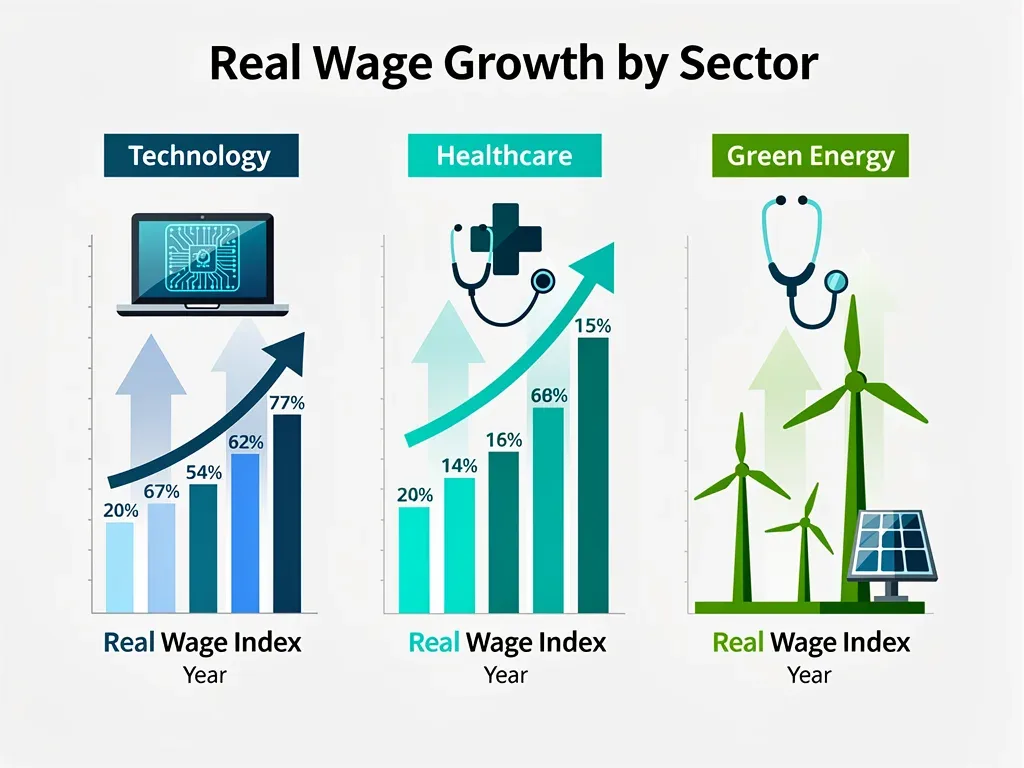
In summary, the technology, healthcare, and green energy sectors are at the vanguard of the 2026 real wage growth. Their continuous innovation, critical societal contributions, and substantial investments are creating a high-demand environment for skilled professionals, leading to significant increases in compensation.
The Role of Skill Development and Education
The impressive real wage growth observed in 2026 is inextricably linked to the ongoing evolution of skill requirements across industries. As technology advances and economic priorities shift, the demand for specialized and adaptable skills has never been higher. This has placed a premium on continuous learning and strategic educational pathways.
The traditional model of education is being challenged and supplemented by new approaches that prioritize agile skill acquisition. Workers who proactively invest in their professional development are reaping the benefits of higher wages and enhanced career opportunities, illustrating a clear correlation between skills and earning potential in this dynamic labor market.
Upskilling and Reskilling Initiatives
Both individuals and organizations are recognizing the vital importance of upskilling and reskilling programs. Companies are investing heavily in training their existing workforce to adapt to new technologies and methodologies, ensuring their employees remain competitive and productive. Simultaneously, individuals are seeking out opportunities to acquire in-demand skills through online courses, certifications, and vocational training.
- Corporate Training Programs: Many corporations are establishing robust internal academies to train employees in AI, data science, and advanced manufacturing.
- Online Learning Platforms: Platforms offering specialized certifications in areas like cloud computing and cybersecurity are seeing unprecedented enrollment.
- Vocational and Technical Schools: These institutions are playing a crucial role in preparing workers for hands-on roles in green energy and advanced manufacturing.
The emphasis on practical, applied skills is particularly strong. Employers are looking for candidates who can immediately contribute to projects and solve complex problems, rather than just possessing theoretical knowledge. This shift is empowering workers with tangible skills to command higher wages.
The Impact of STEM Education
Science, Technology, Engineering, and Mathematics (STEM) education continues to be a cornerstone of high-wage career paths. The foundational knowledge and problem-solving abilities fostered by STEM disciplines are directly applicable to the leading growth industries. Governments and educational institutions are increasing their focus on promoting STEM learning from an early age to build a future-ready workforce.
Beyond traditional STEM fields, there's a growing recognition of the importance of interdisciplinary skills, combining technical expertise with critical thinking, creativity, and communication. This holistic approach to education is preparing graduates not just for specific jobs, but for dynamic careers that require continuous adaptation and innovation.
In essence, the robust real wage growth of 2026 is a testament to the power of continuous skill development and strategic education. As industries evolve, the ability to learn, adapt, and acquire new competencies remains the most valuable asset for workers seeking to thrive in the modern economy.
Policy and Regulatory Influences on Wage Growth
The impressive real wage growth witnessed in 2026 hasn't occurred in a vacuum; it has been significantly shaped by a combination of deliberate policy decisions and evolving regulatory frameworks. Government interventions, labor laws, and trade policies have all played a crucial role in fostering an environment conducive to higher wages and improved worker conditions.
These policy influences demonstrate a conscious effort to balance economic growth with equitable distribution of prosperity. By addressing issues such as labor protections, minimum wage standards, and investment incentives, policymakers have contributed to the upward trajectory of real wages across various sectors.
Government Initiatives and Investment
Strategic government investments in key areas have stimulated economic activity and, consequently, wage growth. Infrastructure projects, research and development grants, and tax incentives for businesses that invest in domestic job creation have had a ripple effect throughout the economy. These initiatives not only create jobs but also increase demand for skilled labor, pushing wages upward.
- Infrastructure Spending: Large-scale projects in transportation, energy, and digital infrastructure create direct and indirect jobs, boosting demand for construction workers, engineers, and technicians.
- R&D Funding: Government support for research and development in critical technologies stimulates innovation, leading to new industries and high-paying jobs.
- Workforce Development Programs: Federally funded training programs align worker skills with industry needs, reducing skill gaps and increasing earning potential.
Furthermore, policies aimed at supporting small and medium-sized enterprises (SMEs) have helped these businesses grow and create local jobs, contributing to a more distributed wage growth across different regions.
Labor Market Regulations and Unionization
Changes in labor market regulations and a resurgence in unionization efforts have also contributed to the upward pressure on wages. Policies that strengthen collective bargaining rights, improve worker safety standards, and ensure fair employment practices empower employees to negotiate for better compensation and benefits. While not universally applied, these shifts have set a higher baseline for worker expectations and corporate responsibility.
The increased awareness around fair wages and working conditions, partly driven by social movements and legislative changes, has prompted many companies to proactively review and adjust their compensation structures. This proactive approach helps businesses attract and retain talent in a competitive labor market, further contributing to the overall real wage growth.
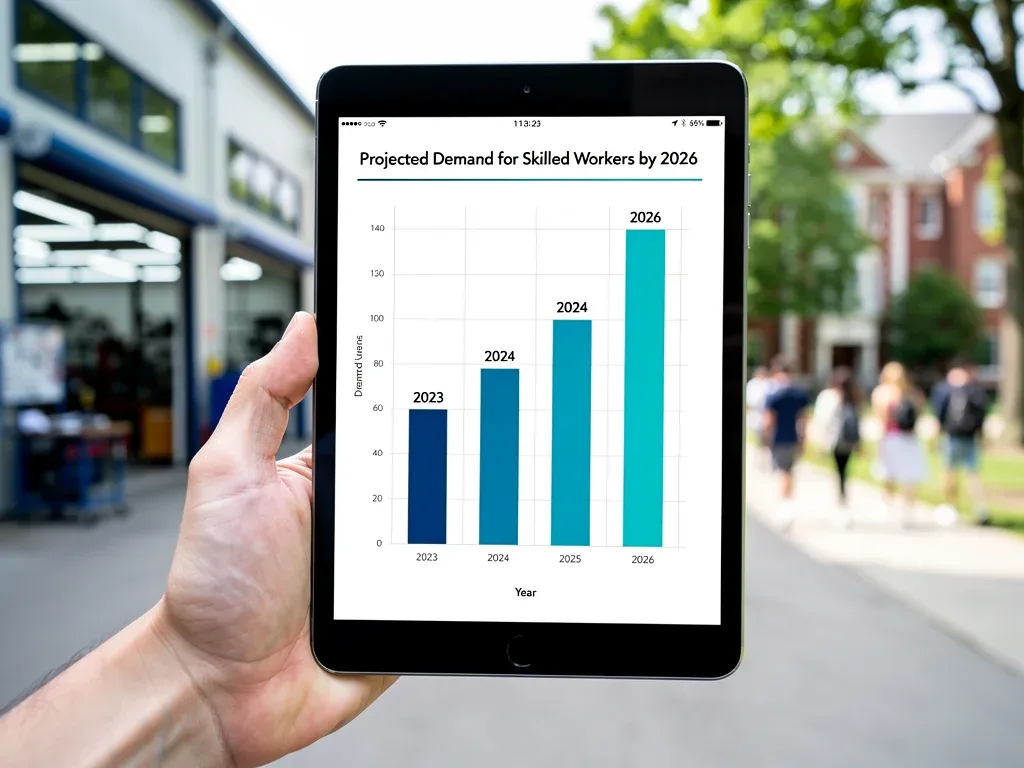
In conclusion, the policy and regulatory landscape of 2026 has been instrumental in shaping the environment for real wage growth. Through strategic investments and supportive labor frameworks, governments have played a significant role in empowering workers and fostering a more equitable and prosperous economy.
Challenges and Sustainability of Wage Growth
While the current trend of real wage growth is largely positive, it is essential to acknowledge the potential challenges and consider the long-term sustainability of this trajectory. Economic phenomena are rarely linear, and various internal and external factors could influence future wage dynamics. Understanding these complexities is crucial for maintaining a balanced and resilient labor market.
The sustainability of real wage growth depends on a delicate balance of productivity gains, inflation control, and global economic stability. Addressing potential headwinds proactively will be key to ensuring that the benefits of higher wages continue to accrue to workers in the coming years.
Inflationary Pressures and Cost of Living
One of the primary concerns regarding sustained wage growth is the potential for inflationary pressures. If wage increases outpace productivity gains, it could lead to businesses raising prices, thereby eroding the real purchasing power of those higher wages. While the current growth is considered 'real' (meaning it exceeds inflation), vigilance is required to prevent an inflationary spiral.
- Supply Chain Resilience: Disruptions in global supply chains can lead to higher input costs for businesses, potentially passed on to consumers and negating wage gains.
- Energy Prices: Volatility in energy markets can significantly impact production costs and consumer prices, affecting real wage values.
- Monetary Policy: Central banks must carefully manage interest rates and money supply to prevent overheating the economy while supporting sustainable growth.
Monitoring the relationship between wage growth, productivity, and the broader Consumer Price Index (CPI) is critical for policymakers and economists to ensure that real wage gains are not undermined by rising living costs.
Global Competition and Automation Risks
The globalized nature of the economy means that domestic wage growth can be influenced by international competition. Industries facing intense global pressure might find it challenging to sustain high wage increases if their competitors operate with lower labor costs. Additionally, while automation has been a net positive for wage growth by creating new jobs, there is always the potential for certain roles to be fully automated, leading to localized job displacement.
Businesses must continually innovate and find ways to increase productivity to justify higher labor costs in a competitive global market. For workers, this reinforces the importance of acquiring skills that are less susceptible to automation or are highly specialized and in demand globally.
In conclusion, while the 2026 real wage growth is a positive indicator, its long-term sustainability hinges on effectively managing inflationary pressures, maintaining productivity growth, and navigating the complexities of global competition and technological advancements. Proactive strategies are essential to ensure continued prosperity for American workers.
Societal Impact and Future Outlook
The significant real wage growth experienced in 2026 has far-reaching societal impacts, influencing everything from consumer spending patterns to social mobility and overall quality of life. This economic shift has the potential to reshape communities, alter demographic trends, and foster a more equitable society. Understanding these broader implications is vital for anticipating future societal developments.
Looking ahead, the trajectory of real wage growth will depend on how effectively we address emerging challenges and capitalize on new opportunities. The future outlook suggests a continued emphasis on adaptability, innovation, and inclusive growth strategies.
Enhanced Consumer Purchasing Power
One of the most immediate and tangible societal impacts of increased real wages is the boost in consumer purchasing power. With more disposable income, households can invest in better housing, education, healthcare, and leisure activities. This not only improves individual quality of life but also stimulates economic activity across various sectors, creating a virtuous cycle of growth.
The ability of more Americans to save and invest also contributes to greater financial stability and long-term economic security. This can reduce reliance on debt and build a stronger foundation for future generations, fostering a more resilient and prosperous society.
Addressing Income Inequality
While income inequality remains a persistent challenge, significant real wage growth, particularly in middle-income and skilled blue-collar professions, can play a role in narrowing the gap. When wages rise across a broad spectrum of industries, it can lift more families into financial stability and expand the middle class, contributing to greater social cohesion.
- Middle-Class Reinforcement: Strong wage growth helps prevent the erosion of the middle class, which is crucial for a stable economy and society.
- Opportunity for Upward Mobility: Higher earning potential provides more opportunities for individuals to advance their careers and improve their socio-economic standing.
- Regional Economic Revival: Wage growth in diverse industries can revitalize local economies, particularly in regions that have historically lagged.
Policies that support equitable access to education and skill development are crucial to ensure that the benefits of wage growth are broadly distributed, rather than concentrated among a select few.
Future Trends and Adaptability
The future outlook for real wage growth suggests a continued emphasis on adaptability and lifelong learning. As new technologies emerge and global dynamics shift, the ability of the workforce to quickly acquire new skills will be paramount. Industries like biotech, AI ethics, and advanced robotics are poised for further expansion, creating new high-wage opportunities.
Furthermore, the growing focus on environmental, social, and governance (ESG) factors in business is likely to create new roles and drive demand for professionals with expertise in sustainability and ethical practices. This indicates a future labor market that values not only technical prowess but also a broader understanding of societal impact.
In conclusion, the real wage growth of 2026 has profound societal implications, from boosting consumer power to potentially mitigating income inequality. The future will require continued adaptability and strategic investment in human capital to sustain these positive trends and ensure a prosperous and equitable society.
| Key Aspect | Description |
|---|---|
| Real Wage Growth | Surpassed 3.1% across key US industries in 2026, indicating increased purchasing power. |
| Driving Factors | Technological integration, skill development, and strategic policy decisions. |
| Leading Industries | Technology, healthcare, and green energy sectors are experiencing the highest growth. |
| Future Outlook | Continued adaptability, skill investment, and careful management of economic pressures are key. |
Frequently Asked Questions About 2026 Wage Growth
What does 'real wage growth' mean in the context of 2026?▼Real wage growth refers to the increase in wages after accounting for inflation. In 2026, it means that the average worker's purchasing power has increased by over 3.1%, allowing them to afford more goods and services than before.
Which US industries are seeing the most significant wage increases?▼The technology, healthcare, and green energy sectors are currently leading the way in real wage growth. These industries are driven by innovation, critical societal needs, and substantial investments, creating high demand for skilled professionals.
How do policy decisions influence this wage growth?▼Government investments in infrastructure, research and development, and workforce training programs, alongside evolving labor market regulations and a resurgence in unionization, have significantly contributed to fostering an environment for higher wages.
What role does skill development play in securing higher wages?▼Skill development is crucial. Workers who actively engage in upskilling and reskilling, particularly in areas like AI, data analytics, and green technologies, are in high demand and can command significantly higher salaries in the evolving 2026 labor market.
Are there challenges to sustaining this real wage growth?▼Yes, potential challenges include managing inflationary pressures, navigating global competition, and addressing the risks of automation in certain job sectors. Sustained growth will require continuous productivity gains and careful economic management.
Conclusion
The 2026 labor market has delivered a truly remarkable story of economic resilience and progress, with real wage growth surpassing 3.1% across pivotal US industries. This significant shift is a testament to the transformative power of technological innovation, strategic investments in skill development, and supportive policy frameworks. While challenges like inflation and global competition persist, the current trajectory indicates a healthier, more dynamic economy where workers are seeing tangible improvements in their purchasing power and quality of life. The future of work in America appears to be one of continuous adaptation and opportunity, rewarding those who embrace lifelong learning and contribute to the evolving demands of a modern, interconnected world.
