Smart Glasses Evolution: 3-Fold Adoption Leap This Year
Advertisements
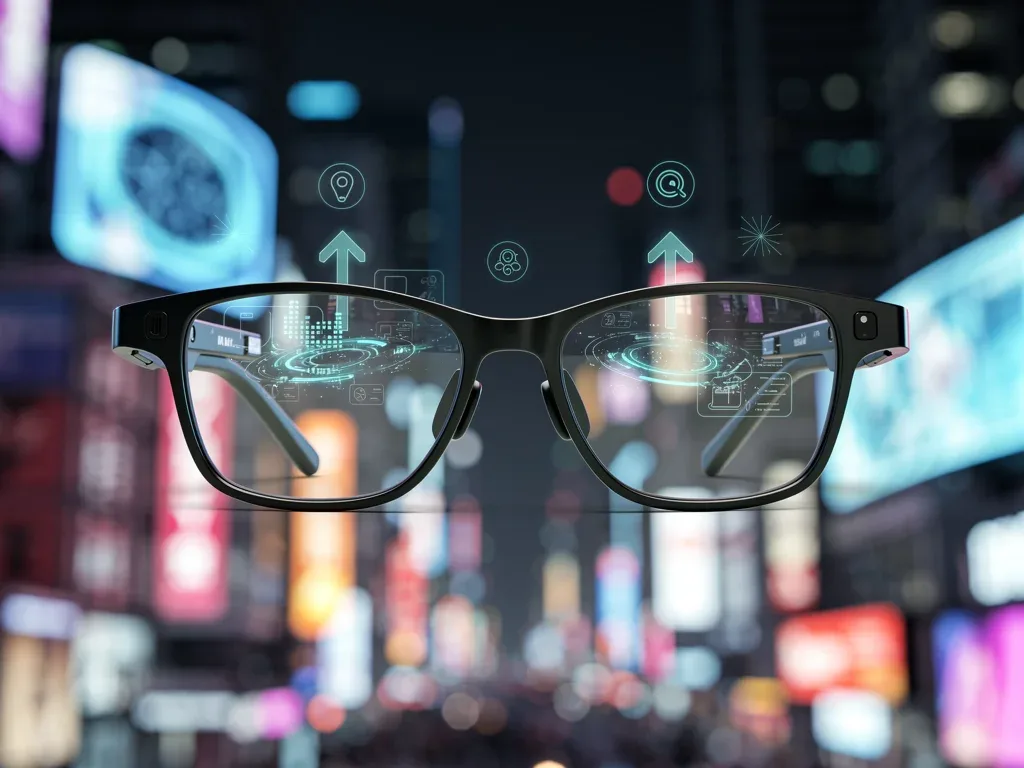
Lightweight display specifications have been the primary catalyst for a remarkable three-fold increase in smart glasses adoption this year, signaling a significant shift in personal and professional technology use.
The landscape of personal technology is in constant flux, but few advancements have captured the public's imagination and accelerated adoption rates quite like the recent surge in smart glasses adoption leap. This year alone, we've witnessed an astonishing three-fold increase in the uptake of these innovative devices, largely propelled by significant advancements in lightweight display specifications. What exactly is driving this rapid integration into our daily lives?
The dawn of truly wearable displays
For years, the concept of smart glasses promised a futuristic blend of digital information and physical reality. However, early iterations often struggled with bulkiness, limited battery life, and display technologies that were either too obtrusive or lacked sufficient clarity. The recent breakthrough in lightweight display specifications has fundamentally altered this narrative, moving smart glasses from niche gadgets to mainstream contenders.
These new displays leverage micro-LED and waveguide technologies, allowing for projectors and optics to be miniaturized without compromising on image quality. This miniaturization directly translates to lighter frames, making the devices comfortable for extended wear—a crucial factor in consumer acceptance.
Evolution of display technology
The journey from bulky prototypes to sleek, everyday eyewear has been arduous, marked by continuous innovation in several key areas:
- Micro-LED advances: Offering superior brightness and efficiency in a much smaller footprint than traditional LCD or OLED.
- Waveguide optics: Directing light into the wearer's field of view without needing large, heavy lenses.
- Improved power management: Allowing for longer battery life in a compact form factor, essential for all-day use.
The cumulative effect of these advancements has been a paradigm shift. Users are no longer sacrificing comfort or aesthetics for functionality, which has been a major barrier to widespread adoption. This new era of lightweight, high-performance displays is not just about showing information; it's about seamlessly integrating it into our perception of reality.
The ability to have contextual information, navigation cues, or communication tools overlaid directly onto one's vision, without the need to constantly pull out a smartphone, represents a significant leap forward in human-computer interaction. This unobtrusive integration is what truly defines the next generation of wearable technology.
Lightweight design: the key to mass appeal
The clunky, often awkward appearance of early smart glasses was a significant deterrent for many potential users. Modern design principles, combined with the aforementioned technological breakthroughs, have transformed smart glasses into devices that are not only functional but also aesthetically pleasing. The focus on lightweight materials and discreet integration of components has been paramount to unlocking their mass appeal.
Gone are the days of bulky frames and conspicuous cameras. Today's smart glasses often resemble conventional eyewear, making them socially acceptable and reducing the self-consciousness associated with wearing advanced tech. This shift from 'tech gadget' to 'stylish accessory' is a critical psychological hurdle overcome.

Engineers and designers have worked in tandem to shave off every possible gram, utilizing advanced polymers and carbon fiber composites. This obsession with weight reduction isn't just about comfort; it's about making the technology disappear into the background of daily life, allowing the user to focus on the augmented experience rather than the device itself.
Impact on user experience
- Enhanced comfort: Reduced weight prevents fatigue, enabling longer wear times.
- Improved aesthetics: Sleeker designs make smart glasses more socially acceptable.
- Seamless integration: The technology feels less like an external device and more like a natural extension of the user.
The perception of smart glasses has shifted from a novelty item to a practical tool. This transition is largely due to the meticulous attention paid to the physical design, ensuring that the technology enhances, rather than detracts from, the user's overall experience. The less noticeable the device, the more natural the interaction becomes, fostering greater engagement and utility.
Furthermore, the ability to customize frames and lens types means smart glasses can now cater to a wider range of personal styles and prescription needs, further broadening their appeal. This personalization is vital for any product aiming for widespread consumer adoption.
Beyond novelty: practical applications driving adoption
While the 'cool factor' might draw initial attention, sustained adoption hinges on practical utility. The recent surge in smart glasses adoption leap is not merely a fad; it's driven by tangible benefits across various sectors, from everyday personal use to specialized professional applications. The enhanced capabilities of lightweight display specs have unlocked new possibilities, making these devices indispensable tools.
In the consumer realm, smart glasses offer hands-free navigation, instant language translation, and discrete notifications, allowing users to stay connected without being constantly tethered to their smartphones. Imagine walking through a foreign city with real-time translations appearing unobtrusively in your field of vision, or receiving urgent messages without breaking stride.
Professional paradigm shifts
The enterprise sector is experiencing an even more profound transformation. Industries such as manufacturing, healthcare, and logistics are leveraging smart glasses to boost efficiency, improve safety, and enhance training:
- Field service and maintenance: Technicians can receive remote assistance, view schematics, and follow step-by-step instructions overlaid on equipment, reducing errors and downtime.
- Healthcare: Surgeons can access patient data during operations, while nurses can record vital signs hands-free, improving patient care and operational workflows.
- Logistics and warehousing: Workers can optimize picking routes and confirm inventory with augmented reality overlays, streamlining operations and reducing errors.
These practical applications demonstrate a clear return on investment, making smart glasses a compelling proposition for businesses seeking to innovate and gain a competitive edge. The ability to perform complex tasks with greater accuracy and efficiency, while keeping hands free, is a game-changer for many industries. This functional versatility is a powerful driver of the increased adoption rates.
The role of ecosystem development and content
Hardware, no matter how advanced, is only as good as the software and content ecosystem that supports it. The significant smart glasses adoption leap we've observed is also a testament to the maturation of the broader ecosystem surrounding these devices. Developers are now creating compelling applications that leverage the unique capabilities of smart glasses, moving beyond mere smartphone mirroring.
Operating systems designed specifically for wearable augmented reality are becoming more robust, offering intuitive user interfaces and seamless integration with existing digital platforms. This focus on user experience, combined with a growing library of applications, is making smart glasses more accessible and useful to a wider audience.
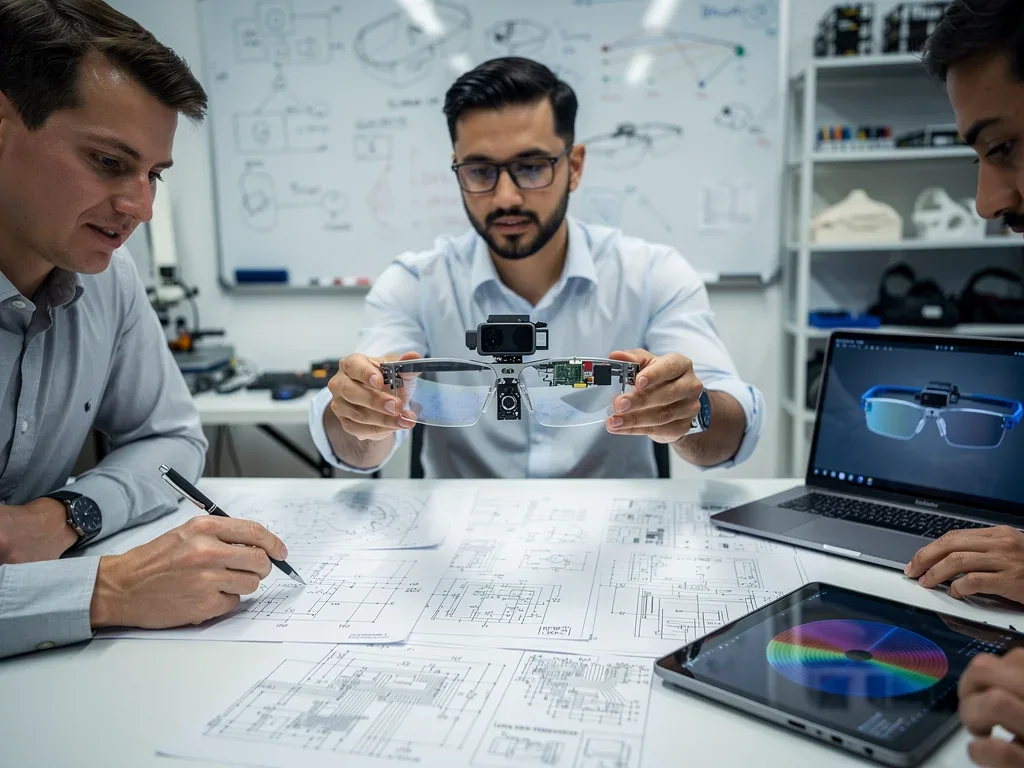
Furthermore, content creators are beginning to explore new forms of immersive experiences tailored for augmented reality. From interactive educational tools to location-based games, the potential for engaging content is vast and largely untapped. This rich content landscape is crucial for sustaining long-term interest and driving continued adoption.
Key ecosystem enablers
- Developer tools: Easier access to SDKs and APIs encourages innovation and app development.
- Cloud integration: Seamless connectivity to cloud services for data processing and storage.
- Standardization efforts: Industry efforts to create common protocols and platforms, reducing fragmentation.
The growth of this ecosystem fosters a virtuous cycle: more users attract more developers, who in turn create more compelling applications, which then attracts even more users. This collaborative environment is essential for any emerging technology to achieve critical mass. The availability of diverse and high-quality applications transforms smart glasses from a novelty into an essential daily companion.
Addressing challenges: privacy, battery, and cost
Despite the impressive smart glasses adoption leap, the technology is not without its challenges. Privacy concerns, battery limitations, and high costs remain significant hurdles that need to be addressed for smart glasses to achieve truly ubiquitous adoption. Overcoming these will be crucial for sustained growth and public trust.
Privacy is perhaps the most contentious issue. The ability to discreetly record video or capture images raises ethical questions and public apprehension. Manufacturers and developers are actively working on solutions, such as clear visual indicators when recording is active and stricter data handling policies, to build user confidence and ensure responsible use.
Overcoming technical and societal barriers
While lightweight displays have improved battery life, achieving all-day power in a compact form factor is still an ongoing engineering challenge. Innovations in energy-efficient components and alternative power sources, such as kinetic or solar charging, are areas of active research.
- Privacy by design: Implementing features that protect user and bystander privacy from the ground up.
- Battery breakthroughs: Developing more efficient power sources and management systems.
- Cost reduction strategies: Scaling production and optimizing manufacturing processes to lower retail prices.
The initial cost of smart glasses can also be a barrier for many consumers. As production scales and technology matures, prices are expected to become more competitive, making these devices accessible to a broader demographic. The trajectory of other consumer electronics, like smartphones, suggests that initial high prices eventually give way to more affordable options as the market expands. Addressing these challenges head-on is vital for the long-term success and widespread acceptance of smart glasses.
The future outlook: continued innovation and integration
The current smart glasses adoption leap is merely a prelude to a future where these devices are as commonplace as smartphones are today. Continued innovation in display technology, processing power, and artificial intelligence will further enhance their capabilities, making them an even more integral part of our digital lives. We are on the cusp of a new era of ambient computing.
Imagine smart glasses that can not only overlay digital information but also intelligently filter out distractions, provide real-time health monitoring, or even project holographic interfaces onto any surface. The possibilities are vast, and the pace of innovation suggests that many of these futuristic concepts are closer than we think.
Next-gen features on the horizon
Future iterations of smart glasses are expected to integrate even more advanced features, pushing the boundaries of what's possible:
- Advanced AI integration: More sophisticated contextual awareness and predictive assistance.
- Haptic feedback: Tactile responses to digital interactions, enhancing immersion.
- Brain-computer interfaces (BCI): Direct thought control for seamless interaction, though this is a longer-term vision.
The convergence of smart glasses with other emerging technologies, such as 5G connectivity and advanced cloud computing, will unlock unprecedented levels of functionality and responsiveness. This will enable complex augmented reality experiences that are indistinguishable from reality, paving the way for truly immersive digital interactions in our physical world. The journey of smart glasses is just beginning, and the future promises an even deeper integration of technology into the fabric of our daily existence.
| Key Aspect | Brief Description |
|---|---|
| Lightweight Displays | Micro-LED and waveguide tech enabled smaller, lighter, and more efficient smart glasses, boosting comfort. |
| Mass Appeal Drivers | Improved aesthetics and comfort have transitioned smart glasses from novelties to stylish, practical accessories. |
| Practical Applications | Utility in navigation, translation, and enterprise (e.g., manufacturing, healthcare) is driving significant adoption. |
| Ecosystem Growth | Maturing software, developer tools, and engaging content are crucial for sustained user engagement and growth. |
Frequently asked questions about smart glasses
What specifically drove the 3-fold adoption leap in smart glasses this year?▼The primary driver was significant advancements in lightweight display specifications, including micro-LED and waveguide technologies. These innovations enabled sleeker, more comfortable designs and clearer visual overlays, making smart glasses far more appealing for daily use and professional applications than previous iterations.
How do lightweight displays enhance the user experience of smart glasses?▼Lightweight displays significantly reduce the physical burden on the wearer, allowing for extended use without discomfort. They also contribute to more discreet and aesthetically pleasing designs, making the technology feel less intrusive and more integrated into everyday life, fostering greater social acceptance.
What are some key practical applications of smart glasses driving their increased adoption?▼Beyond consumer uses like navigation and translation, smart glasses are transforming industries such as manufacturing for remote assistance, healthcare for hands-free data access, and logistics for optimized workflows. These practical benefits demonstrate clear ROI for businesses.
What challenges still need to be addressed for widespread smart glasses adoption?▼Key challenges include privacy concerns regarding recording capabilities, limitations in battery life for all-day use, and the relatively high cost of advanced models. Manufacturers are working on solutions like privacy-by-design features, battery innovations, and cost reduction through scale.
What does the future hold for smart glasses technology?▼The future promises continued innovation with advanced AI integration for contextual awareness, haptic feedback, and potentially brain-computer interfaces. Convergence with 5G and cloud computing will enable even more immersive and responsive augmented reality experiences, making smart glasses an indispensable part of daily life.
Conclusion
The remarkable three-fold smart glasses adoption leap observed this year is a clear indicator that wearable augmented reality is finally hitting its stride. Driven primarily by the revolutionary advancements in lightweight display specifications, these devices have shed their bulky past to become sleek, comfortable, and increasingly indispensable tools. From enhancing personal navigation to revolutionizing industrial workflows, the practical applications are expanding rapidly, fueled by a maturing ecosystem of software and content. While challenges concerning privacy, battery life, and cost persist, the trajectory of innovation points towards a future where smart glasses seamlessly integrate with our daily lives, offering an unprecedented blend of digital information and physical reality. This is not just a technological trend; it's a fundamental shift in how we interact with the world, promising a more connected and augmented future.
