Video-First Search Trends: Why Gen Z Prefers Visual Discovery
Advertisements

Gen Z's preference for video-first search platforms marks a significant departure from traditional search engines, driven by the desire for more engaging and visually immediate information.
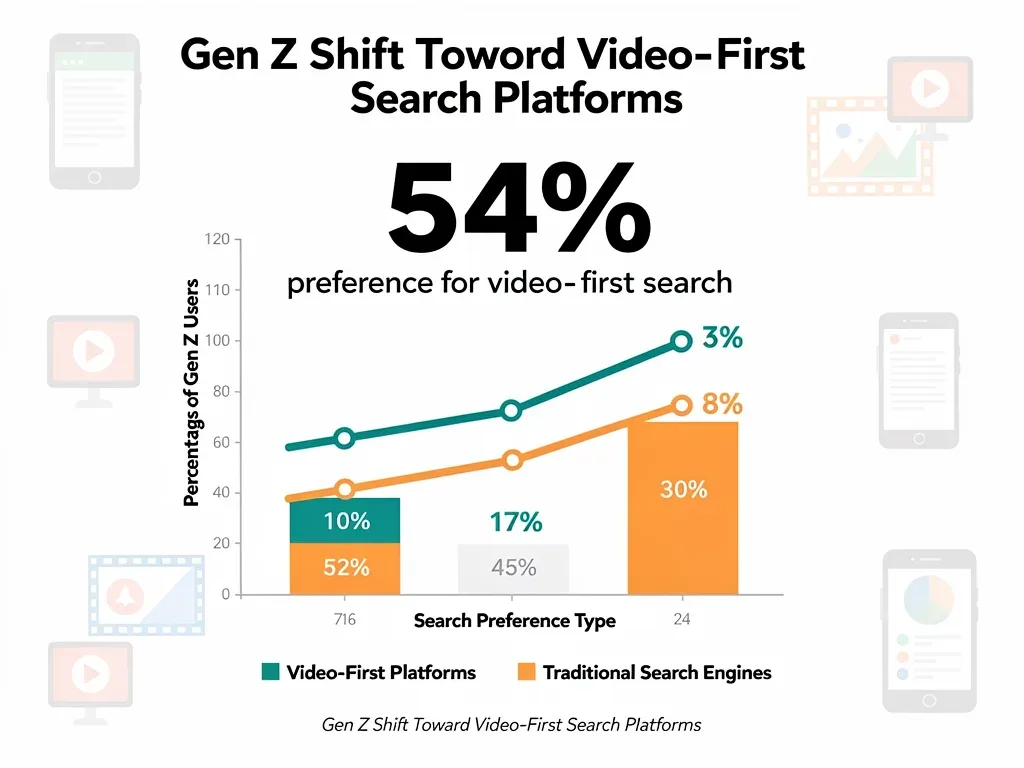
The digital landscape is constantly evolving, and nowhere is this more evident than in how younger generations seek information. The rise of video-first search trends highlights a profound shift, with data indicating that a striking 54% of Gen Z have moved away from traditional search engines in favor of visual platforms. This transformation isn't just a fleeting fad; it's a fundamental change in how information is discovered, consumed, and trusted, signaling a new era for content creators, marketers, and businesses alike.
The Generational Divide in Information Seeking
Generational differences have always influenced media consumption, but the current divergence in search behavior between Gen Z and older demographics is particularly pronounced. This segment, born roughly between the mid-1990s and early 2010s, grew up in a world saturated with digital content and instant gratification, shaping their expectations for information retrieval.
Their native understanding of digital tools means they are not merely consumers but active participants in the creation and dissemination of content. This inherent familiarity with dynamic media forms part of the reason why static, text-heavy search results often fall short of their expectations. They seek not just answers, but experiences, context, and authenticity, all of which video inherently provides.
The Allure of Visual Storytelling
Video offers a richness that text often cannot match. It combines audio, visuals, and motion to create a more immersive and engaging experience. For Gen Z, who are highly visual learners, video content is naturally more appealing and easier to digest.
- Enhanced Engagement: Videos capture attention more effectively than text, making complex topics easier to understand.
- Authenticity and Trust: Seeing a person explain a concept or demonstrate a product builds a stronger sense of trust and authenticity.
- Contextual Understanding: Visual demonstrations provide context that written instructions might lack, especially for practical tasks.
- Efficiency in Learning: Many Gen Z individuals find they can grasp concepts faster through a short video than by reading lengthy articles.
The shift is a clear indicator that traditional search engines, while still powerful, are facing a challenge from platforms that prioritize visual content. Understanding this generational preference is crucial for anyone aiming to connect with this influential demographic.
Why Traditional Search Falls Short for Gen Z
For decades, traditional search engines like Google have been the undisputed gatekeepers of information. However, their text-based, link-driven format, while highly effective for many, presents certain limitations for a generation accustomed to dynamic, interactive content. Gen Z often finds the results from these engines to be overwhelming, unengaging, or lacking the specific type of information they truly seek.
The sheer volume of text on a typical search results page can be daunting. While algorithms have become incredibly sophisticated, they still primarily serve up links to articles, blogs, and websites. For a generation that processes information rapidly and visually, sifting through pages of text to find an answer can feel inefficient and tedious.
The Need for Immediacy and Practicality
Gen Z values immediate gratification and practical application. When they search for something, they often want to see it, hear it, and understand how to do it, rather than just read about it. This desire for 'show, don't tell' is a key driver behind their migration to video platforms.
- Lack of Direct Answers: Traditional search often provides links to pages containing answers, rather than the answers themselves.
- Overwhelming Text: Long articles or complex web pages can be off-putting for a generation used to concise, digestible content.
- Limited Sensory Input: Text alone cannot convey tone, emotion, or visual demonstration, which are critical for certain types of information.
- Perceived Irrelevance: Generic search results may not feel tailored to their specific, often niche, interests or learning styles.
This isn't to say traditional search is obsolete, but rather that it needs to evolve to meet the changing demands of its youngest users. The expectation is no longer just about finding information, but about finding it in the most accessible, engaging, and practical format possible.
The Rise of Video-First Search Platforms
The vacuum left by traditional search engines for Gen Z has been rapidly filled by platforms that intrinsically understand and cater to their visual preferences. YouTube, TikTok, and Instagram have transformed from mere social media sites into powerful search engines in their own right. Users, particularly Gen Z, are increasingly turning to these platforms not just for entertainment, but for tutorials, product reviews, news, and even local business information.
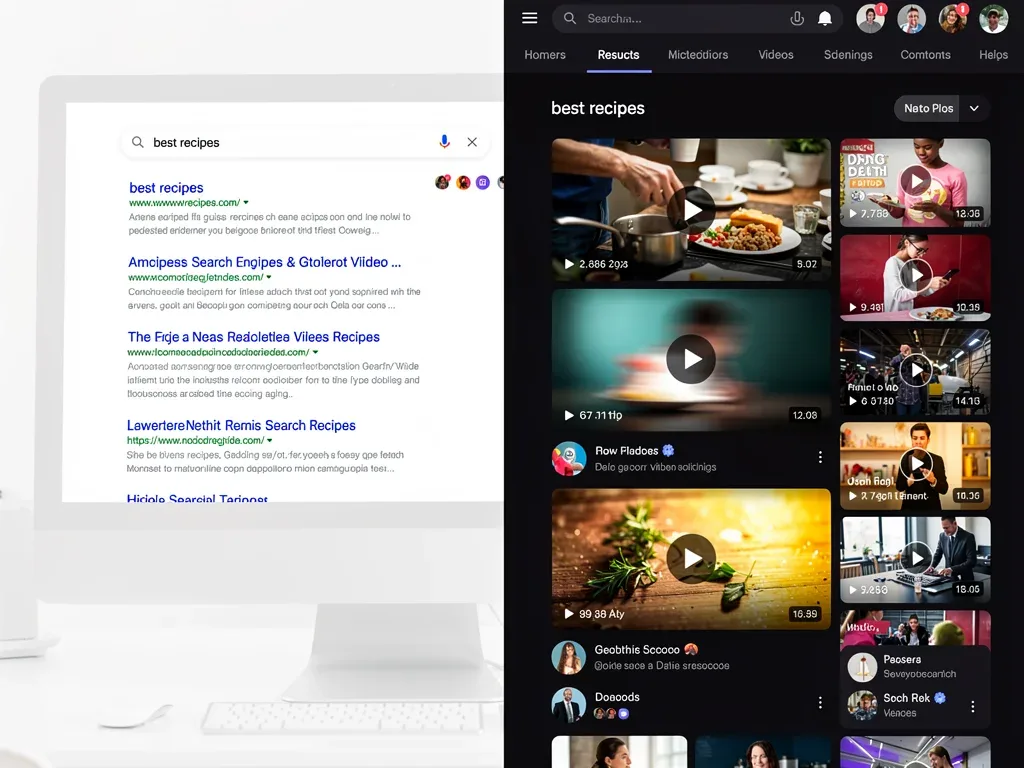
These platforms offer a search experience that is fundamentally different. Instead of a list of blue links, users are presented with a feed of videos, often personalized through sophisticated algorithms, that directly address their queries. The content is dynamic, user-generated, and often feels more authentic and relatable than professionally produced articles.
Content Discovery and Community
Beyond simple search, these platforms foster communities around shared interests. When Gen Z searches for a topic, they're not just finding information; they're discovering creators, engaging with comments, and becoming part of a larger conversation. This social aspect adds another layer of value that traditional search engines typically lack.
For example, a search for 'how to fix a leaky faucet' on YouTube yields dozens of step-by-step video guides, often with real-time commentary and troubleshooting tips from other users. This interactive, community-driven approach makes learning more effective and enjoyable for Gen Z. The content is often created by peers, which further enhances its perceived credibility and relevance.
The evolution of these platforms into primary search tools underscores a shift towards more experiential and community-oriented information discovery. Businesses and content creators must adapt their strategies to thrive in this new video-centric ecosystem.
Impact on Content Creation and SEO Strategies
The significant shift towards video-first search trends has profound implications for anyone involved in content creation and search engine optimization. What worked effectively for text-based search needs a serious re-evaluation in a world where visual content dominates the information-seeking habits of a key demographic. Ignoring this trend means missing out on reaching a substantial and influential audience.
Content creators must now think beyond written articles and embrace video as a primary medium. This involves not only producing high-quality video content but also optimizing it for discovery on platforms like YouTube and TikTok. Video SEO is becoming as crucial, if not more so, than traditional text-based SEO for certain niches.
Optimizing for Video Search
Video optimization involves a different set of considerations compared to traditional SEO. Keywords are still vital, but their application extends to video titles, descriptions, tags, and even spoken content within the video itself (through transcriptions).
- Keyword Research for Video: Understanding what terms Gen Z uses to search for video content.
- Engaging Thumbnails and Titles: Crucial for attracting clicks in a visually driven environment.
- Video Transcriptions: Improves accessibility and provides more text for search algorithms to crawl.
- Audience Engagement Metrics: Watch time, likes, comments, and shares all signal video quality to algorithms.
- Platform-Specific Optimization: Each video platform has unique nuances for optimal discoverability.
Furthermore, the storytelling aspect of content becomes paramount. Videos that are informative, entertaining, and authentic tend to perform best. This requires a deeper understanding of narrative structure and visual communication, moving beyond simply regurgitating facts into a more compelling format. Businesses need to invest in video production capabilities and talent to stay competitive.
The Future of Search: Blending Visual and Textual
While the momentum is clearly with video-first search trends, it's unlikely that traditional text-based search will disappear entirely. Instead, the future of search will likely involve a more sophisticated integration of both visual and textual elements, creating a hybrid experience that caters to diverse preferences and information needs. Search engines are already adapting, incorporating video snippets and visual results more prominently.
Google, for instance, has been enhancing its Universal Search results to include more video carousels, image packs, and rich snippets that pull directly from video content. This indicates an acknowledgment that users increasingly want visual answers, even within a traditionally text-centric environment. The goal is to provide the most relevant answer in the most digestible format, regardless of its origin.
AI and Personalized Search Experiences
Artificial intelligence (AI) will play a pivotal role in this evolution. AI-powered algorithms will become even better at understanding user intent, not just from keywords, but from visual cues, voice queries, and past consumption patterns. This will lead to highly personalized search results that seamlessly blend videos, images, and text to provide the most effective answer.
- Contextual Understanding: AI will discern the nuances of visual content to provide more precise results.
- Voice Search Integration: As voice search grows, video responses will become more natural and expected.
- Augmented Reality (AR) Search: Imagine pointing your phone at an object and getting a video tutorial on how to use or fix it.
- Interactive Video Search: The ability to click within a video to explore related topics or products.
The lines between different content formats will blur, offering a unified search experience. Users will expect to move fluidly between watching a demonstration, reading a detailed explanation, and interacting with a product, all within a single search journey. This integrated approach will define the next generation of information discovery.
Adapting to the New Digital Landscape
For businesses, marketers, and content creators, understanding and adapting to video-first search trends is no longer optional; it's a necessity for relevance and growth. The shift in Gen Z's search behavior signals a broader evolution in digital consumption that will eventually influence other demographics as well. Proactive adaptation can secure a competitive edge, while resistance risks obsolescence.
This adaptation requires a multi-faceted approach, encompassing strategy, investment, and a willingness to experiment. It's about meeting the audience where they are and delivering information in the format they prefer. This means dedicating resources to video production, understanding video SEO, and integrating visual content into every aspect of the digital strategy.
Strategic Imperatives for the Video-First Era
Successfully navigating this new landscape demands a strategic pivot. It's not just about creating videos, but about creating the right videos, for the right platforms, targeting the right audience with authentic and valuable content. This requires deep audience insights and a commitment to continuous learning and iteration.
- Audience-Centric Content: Create videos that directly address Gen Z's questions and interests.
- Platform Diversity: Optimize content for YouTube, TikTok, Instagram, and other emerging video platforms.
- Authenticity Over Polish: Gen Z often prefers raw, relatable content over highly produced, corporate videos.
- Call to Action Integration: Guide viewers to further engagement, whether it's subscribing, visiting a website, or making a purchase.
- Performance Analysis: Track video metrics to understand what resonates and refine future content.
Ultimately, the digital landscape is a dynamic ecosystem. Those who embrace change and innovate in their content strategies will be the ones who effectively capture the attention and loyalty of the next generation of consumers. The video-first revolution is here, and its impact will only continue to grow.
| Key Trend | Brief Description |
|---|---|
| Gen Z's Shift | 54% of Gen Z prefer video-first platforms for information discovery over traditional search engines. |
| Visual Preference | Gen Z values visual storytelling, authenticity, and immediate, practical answers found in video content. |
| SEO Evolution | Content creators must adapt to video SEO, focusing on engaging visuals, clear titles, and platform-specific optimization. |
| Hybrid Future | The future of search will likely blend visual and textual elements, enhanced by AI for personalized experiences. |
Frequently Asked Questions About Video-First Search
What are video-first search trends?▼Video-first search trends refer to the growing preference among users, particularly Gen Z, to use video platforms like YouTube and TikTok as their primary source for information and answers, instead of traditional text-based search engines. This shift emphasizes visual content for discovery.
Why is Gen Z moving away from traditional search engines?▼Gen Z finds traditional search engines often too text-heavy and less engaging. They prefer the immediacy, authenticity, and practical demonstrations offered by video content, which aligns better with their visual learning styles and desire for quick, digestible information.
How does video-first search impact SEO?▼Video-first search demands a new approach to SEO, focusing on optimizing video titles, descriptions, tags, and content for platforms like YouTube. Metrics like watch time and engagement become crucial, alongside traditional keyword research, to improve discoverability and ranking.
Which platforms are leading the video-first search trend?▼YouTube, TikTok, and Instagram are at the forefront of the video-first search trend. These platforms offer robust search functionalities and are increasingly used by Gen Z for tutorials, product reviews, news, and general information discovery due to their visual and interactive nature.
What should businesses do to adapt to video-first search?▼Businesses should invest in high-quality video content creation, optimize videos for platform-specific search algorithms, and prioritize authentic, engaging visual storytelling. Integrating video into overall marketing strategies is essential to connect with Gen Z and future digital consumers.
Conclusion
The profound shift towards video-first search trends, particularly among Gen Z, marks a critical juncture in the evolution of digital information discovery. With over half of this influential generation favoring visual platforms over traditional search engines, the imperative for content creators and businesses to adapt is clear. This isn't merely a technological change but a cultural one, reflecting a desire for more engaging, authentic, and immediately practical information. As artificial intelligence continues to refine personalized experiences, the future of search will undoubtedly be a rich tapestry woven from both visual and textual threads, demanding a holistic and adaptive approach from all who seek to connect with modern audiences.
