The Digital Minimalism Shift: 25% Jump in Minimalist Phone Sales
Advertisements
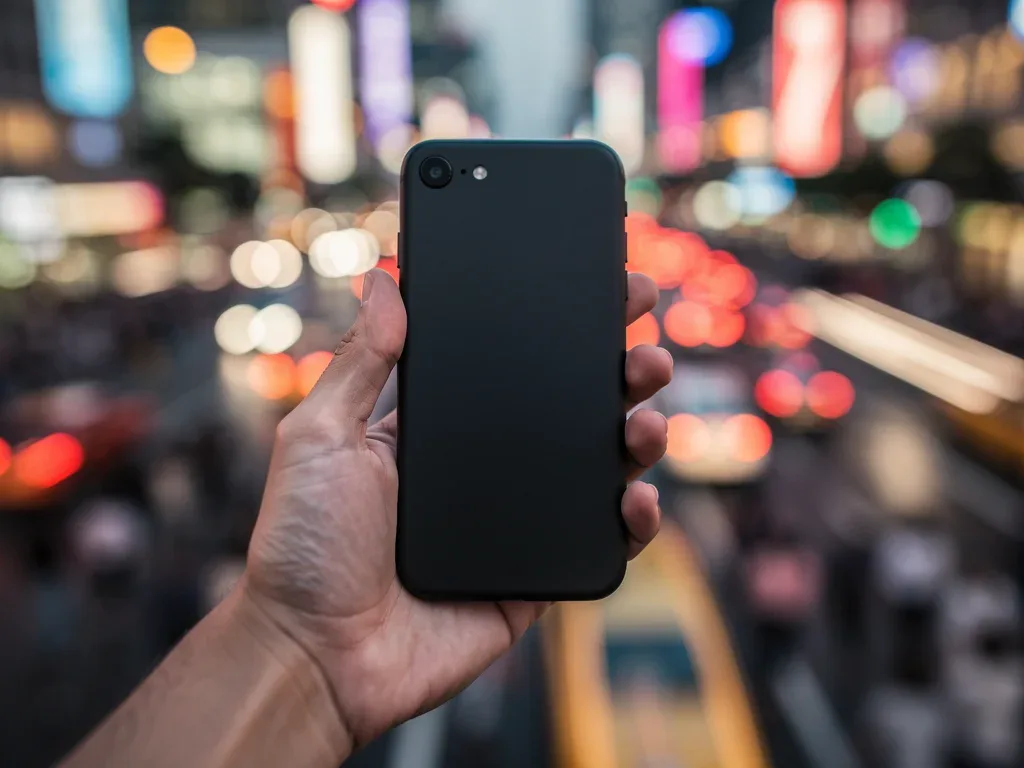
The digital minimalism shift is gaining significant traction across the United States, evidenced by a remarkable 25% surge in minimalist phone sales nationwide, as consumers actively seek to reduce screen dependency and foster a more intentional relationship with technology.
The conversation around our relationship with technology has never been more pressing. In an era dominated by constant notifications and endless scrolling, a counter-movement is quietly, yet powerfully, gaining momentum. This is the digital minimalism shift, a conscious effort by individuals to re-evaluate their tech habits and reclaim their attention. Recent data underscores this profound change: a remarkable 25% jump in minimalist phone sales nationwide, signaling a significant cultural pivot towards more intentional technology use. This isn't just a niche trend; it's a growing phenomenon reflecting a collective yearning for greater focus, reduced anxiety, and a deeper connection with the real world.
Understanding the rise of digital minimalism
Digital minimalism, at its core, is a philosophy that encourages individuals to critically assess their digital lives and intentionally limit their engagement with technologies that do not bring significant value. It's not about abandoning technology entirely, but rather about using it deliberately and purposefully. This approach stems from a growing awareness of the detrimental effects of excessive screen time, such as decreased attention spans, increased stress levels, and a pervasive sense of being constantly overwhelmed.
The concept gained prominence through authors like Cal Newport, who advocate for a thoughtful approach to technology. Instead of passively accepting every new app or feature, digital minimalists ask whether a tool genuinely supports their values and goals. This discerning mindset is now translating into tangible consumer choices, most notably in the realm of mobile phones. The appeal lies in simplifying one's digital environment to create more space for meaningful activities and deeper human connections.
The philosophical underpinnings
The philosophy of digital minimalism is rooted in a desire for intentional living. It challenges the assumption that more technology automatically leads to a better life. Instead, it posits that true well-being comes from carefully curating our digital tools to serve our deepest values, rather than allowing them to dictate our attention and time. This involves a conscious decision to opt out of the attention economy's constant demands.
- Reclaiming attention: Minimizing distractions to focus on important tasks and relationships.
- Intentional use: Using technology as a tool for specific purposes, not as an endless source of entertainment.
- Value alignment: Ensuring digital habits align with personal values and long-term goals.
- Reduced cognitive load: Freeing up mental resources by decreasing digital clutter and constant decision-making.
This philosophical shift is fostering a new generation of tech users who are more empowered and less enslaved by their devices. They are actively seeking products and practices that support their quest for a more balanced and fulfilling life, and minimalist phones are emerging as a key enabler of this lifestyle.
The 25% surge in minimalist phone sales
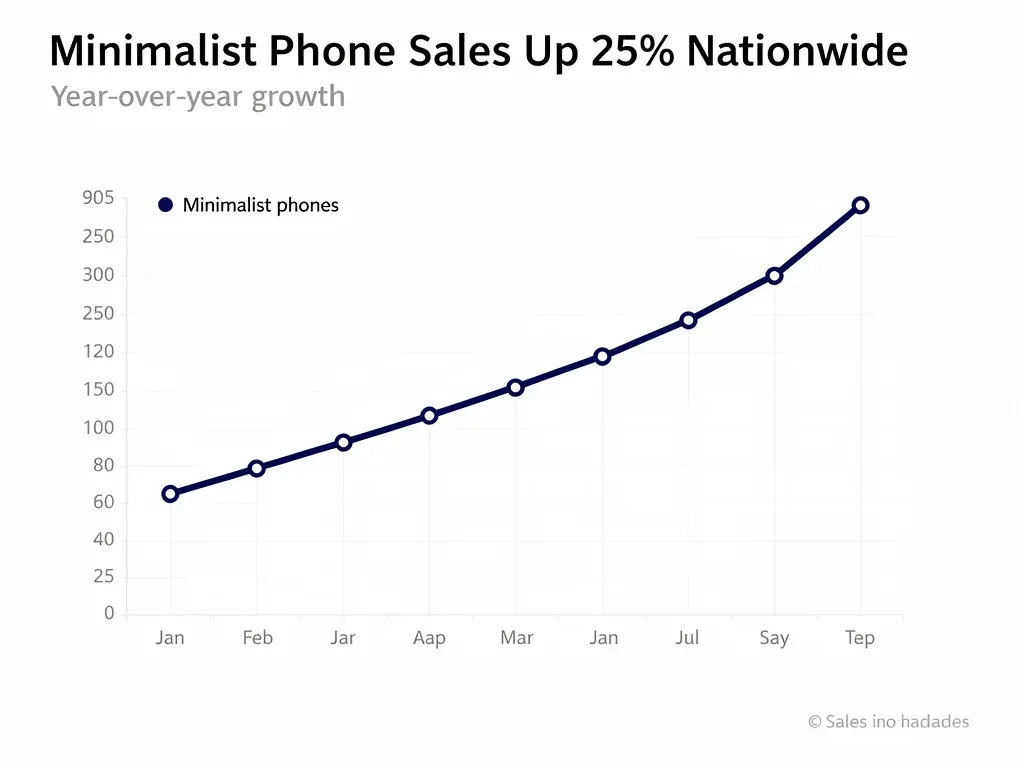
The recent data revealing a 25% increase in minimalist phone sales nationwide is a compelling indicator of this cultural shift. This isn't a marginal uptick; it represents a substantial segment of the population actively seeking alternatives to the feature-rich, attention-demanding smartphones that have become ubiquitous. These devices, often referred to as 'dumb phones' or 'feature phones,' prioritize basic communication functionalities over advanced apps and internet browsing capabilities.
Several factors contribute to this significant growth. Consumers are increasingly reporting 'digital fatigue,' a sense of exhaustion from the relentless pace of digital life. They are recognizing the opportunity cost of constant connectivity – the time and mental energy diverted from other pursuits. Minimalist phones offer a clear solution: a device that allows them to stay connected for essential purposes without the constant temptation of social media, news feeds, and endless entertainment. This conscious choice reflects a desire to regain control over one's time and focus, moving away from a reactive digital existence towards a more proactive and intentional one.
Driving forces behind the trend
The drivers behind this sales surge are multifaceted. A primary factor is the growing body of research highlighting the negative impacts of excessive smartphone use on mental health, sleep patterns, and productivity. People are becoming more educated about these effects and are actively looking for ways to mitigate them. Another significant driver is the desire for improved focus and productivity. Many professionals and students find their concentration constantly fragmented by smartphone notifications, and a minimalist phone provides a reprieve.
Furthermore, there's a nostalgic element at play for some, reminiscent of simpler times before smartphones dominated every aspect of life. Others are drawn to the aesthetic and practical simplicity of these devices. They appreciate the longer battery life, durability, and often lower cost. Ultimately, the cumulative effect of these motivations is creating a robust market for minimalist phones, transforming what was once a niche product into a mainstream alternative for a significant portion of the population.
Who is adopting minimalist phones?
The demographic embracing minimalist phones is surprisingly diverse, extending beyond what one might initially assume. While some might picture tech-averse individuals or those seeking a complete digital detox, the reality is far more nuanced. We are seeing adoption across various age groups and professions, each with their own specific motivations for making the switch. This widespread appeal underscores the universal desire for a healthier relationship with technology.
Students, for example, are turning to these devices to minimize distractions during study hours, hoping to improve academic performance. Professionals, particularly those in high-demand fields, are using them to create clear boundaries between work and personal life, preventing burnout. Parents are also exploring minimalist phones as a way to model healthy tech habits for their children and reduce their own screen time, setting a precedent for a more balanced family environment. The common thread among these diverse groups is a shared understanding that their current smartphone usage patterns are unsustainable or detrimental to their well-being.
Diverse user profiles
The adoption of minimalist phones is not confined to a single demographic. It's a cross-generational movement reflecting a broader societal re-evaluation of technology's role. From Gen Z, who grew up with smartphones and are now seeking an escape from digital overload, to older generations who appreciate the simplicity and ease of use, the appeal is broad.
- Gen Z and Millennials: Seeking to reduce social media pressure and digital burnout.
- Professionals: Aiming to enhance focus, productivity, and work-life balance.
- Parents: Desiring to set better examples for children and reduce family screen time.
- Artists and Creatives: Looking to foster deeper concentration and reduce external distractions.
This diversity highlights that the need for digital boundaries is not exclusive to any particular group but is a widespread human experience in the modern age. The shift towards minimalist phones is a testament to individuals actively seeking solutions to the pervasive challenges of an always-on digital culture, demonstrating a proactive approach to personal well-being and productivity.
The impact on well-being and productivity
The decision to switch to a minimalist phone often stems from a desire to improve overall well-being and productivity, and anecdotal evidence, coupled with emerging research, suggests these benefits are tangible. Users frequently report a significant reduction in stress and anxiety levels, as the constant barrage of notifications and the pressure to be constantly 'on' are removed. This newfound mental space allows for greater clarity and a sense of calm, fostering a more peaceful daily experience.
Beyond mental health, productivity sees a notable boost. With fewer distractions, individuals can dedicate uninterrupted blocks of time to tasks, leading to more efficient work and deeper engagement with their activities. The absence of endless scrolling also frees up considerable time, which users then redirect towards hobbies, exercise, reading, or spending quality time with loved ones. This reallocation of time and attention is central to the digital minimalism philosophy, proving that less digital engagement can indeed lead to a richer, more fulfilling life.

Tangible benefits reported by users
Users of minimalist phones often share compelling stories of transformation. Many describe feeling more present in their daily lives, enjoying conversations without the urge to check their phone, and experiencing a renewed appreciation for their surroundings. The ability to disconnect easily fosters deeper engagement with the physical world and stronger interpersonal relationships.
- Improved mental clarity: Reduced anxiety and a clearer mind due to fewer distractions.
- Enhanced focus: Greater ability to concentrate on tasks without digital interruptions.
- Better sleep quality: Less exposure to blue light before bed and reduced late-night scrolling.
- Increased real-world engagement: More time for hobbies, physical activity, and face-to-face interactions.
- Stronger relationships: Being more present and attentive in social situations.
These benefits collectively paint a picture of a more balanced and intentional existence. The minimalist phone, in this context, is not just a device; it's a gateway to a lifestyle where technology serves humanity, rather than the other way around. The positive outcomes reported by users are a powerful testament to the efficacy of digital minimalism in addressing contemporary challenges.
Challenges and considerations for adopters
While the benefits of adopting a minimalist phone are considerable, the transition isn't without its challenges. Modern smartphones have become deeply integrated into our daily routines, serving not just as communication tools but also as cameras, navigation systems, payment methods, and entertainment hubs. Shifting away from these conveniences requires a degree of adaptation and often a re-evaluation of how certain tasks are accomplished. Users may initially feel a sense of 'FOMO' (fear of missing out) or inconvenience when they can't instantly access information or social feeds.
Furthermore, some minimalist phones may lack essential apps for specific professional or personal needs, requiring users to find alternative solutions or carry a secondary device. The learning curve for navigating a simpler interface can also be a minor hurdle for those accustomed to sophisticated touchscreens. However, many adopters view these challenges as opportunities for creative problem-solving and a chance to truly assess what technology is essential versus what is merely habitual. The initial discomfort often gives way to a profound sense of liberation and control.
Navigating the transition
Making the switch to a minimalist phone often involves a period of adjustment. It requires intentional planning and a willingness to embrace new habits. Users might need to invest in a dedicated camera, print out maps, or revert to traditional methods for certain tasks. This process, however, can be incredibly rewarding, forcing a closer look at ingrained digital dependencies.
- Identifying essential apps: Determining which smartphone functions are truly necessary and finding alternatives.
- Developing new habits: Replacing passive scrolling with active engagement in other activities.
- Managing social expectations: Communicating to friends and family about reduced digital availability.
- Embracing inconvenience: Viewing minor inconveniences as opportunities for growth and presence.
Ultimately, the challenges associated with adopting a minimalist phone are often outweighed by the long-term benefits of reduced digital overload and increased intentionality. The journey itself becomes part of the digital minimalism practice, encouraging self-awareness and a conscious reshaping of one's relationship with technology, proving that a deliberate approach can transform digital habits.
The future of digital minimalism and tech innovation
The significant increase in minimalist phone sales suggests that digital minimalism is more than a fleeting trend; it's a growing movement that is likely to influence future tech innovation. As consumers increasingly demand products that support their well-being and focus, technology companies will need to adapt. This could lead to a new wave of devices designed with intentionality at their core, offering users more control over their digital experience rather than constantly vying for their attention. We might see a proliferation of 'smart' features that can be selectively activated or deactivated, allowing for a personalized level of digital engagement.
Furthermore, the success of minimalist phones could inspire broader design principles across the tech industry, emphasizing simplicity, durability, and user-centric control. Software developers might also be encouraged to create apps that align with minimalist principles, focusing on single-purpose functionality and respectful notification practices. This shift could redefine what 'smart' technology truly means, moving beyond mere feature accumulation to encompass tools that genuinely enhance human life without overwhelming it. The future of tech may well be one where less truly is more, prioritizing quality of interaction over quantity.
Innovations beyond minimalist phones
The principles of digital minimalism are already beginning to permeate other areas of technology. We are seeing more focus on 'digital wellness' features in mainstream smartphones, offering users tools to monitor and manage their screen time. This indicates that even major tech players are recognizing the widespread desire for a more balanced digital life. The demand for intentional technology extends beyond just phones.
- Smart devices with 'do not disturb' modes: More advanced and customizable quiet settings.
- Productivity apps with minimalist interfaces: Streamlined tools designed for single-task focus.
- Wearable tech with essential notifications only: Devices that filter out non-critical alerts.
- Operating systems with customizable digital boundaries: Giving users greater control over their digital environment.
This evolving landscape suggests a promising future where technology is designed to empower users, rather than distract them. The digital minimalism shift is not just about reducing tech, but about consciously shaping it to better serve our human needs. This movement is likely to continue pushing innovation towards more mindful and humane technological solutions, ensuring that our devices enhance our lives without consuming them.
| Key Aspect | Brief Description |
|---|---|
| Sales Surge | Minimalist phone sales increased by 25% nationwide, indicating a strong trend. |
| Core Philosophy | Intentional use of technology, focusing on value and minimizing distractions. |
| User Benefits | Improved well-being, enhanced focus, better sleep, and stronger real-world connections. |
| Future Impact | Influencing tech innovation towards more mindful and user-centric design. |
Frequently Asked Questions about Digital Minimalism
What exactly is digital minimalism?▼Digital minimalism is a philosophy promoting intentional technology use, where individuals critically assess their digital habits to limit engagement with tools that don't add significant value. It's about using technology purposefully, not abandoning it entirely, to reduce distractions and enhance focus.
Why are minimalist phone sales increasing so significantly?▼The 25% surge reflects a growing desire among consumers to combat digital fatigue, reduce screen time, and improve mental well-being. People are seeking simpler devices to regain control over their attention and prioritize real-world interactions over constant digital connectivity.
What are the main benefits of adopting a minimalist phone?▼Adopters report reduced stress and anxiety, improved mental clarity, enhanced productivity, and better sleep quality. It also fosters stronger real-world engagement, allowing individuals to be more present in their daily lives and relationships.
Who is typically adopting this digital minimalism trend?▼The adoption is diverse, including Gen Z, millennials, professionals, and parents. Each group seeks to mitigate digital overload, improve focus, set better examples, or simply find a more balanced approach to technology in their lives.
How might digital minimalism influence future tech development?▼It's likely to drive innovation towards more intentional, user-centric designs, emphasizing simplicity, durability, and control. Tech companies may focus on developing devices and software that enhance well-being and productivity without demanding constant attention, redefining 'smart' technology.
Conclusion
The data unequivocally points to a significant cultural shift: the digital minimalism shift is not merely a passing fad but a profound re-evaluation of our relationship with technology. The 25% jump in minimalist phone sales nationwide serves as a powerful testament to a collective yearning for greater intentionality, reduced digital overload, and enhanced well-being. As individuals increasingly recognize the hidden costs of constant connectivity, they are actively seeking tools and practices that empower them to reclaim their attention and focus on what truly matters. This movement promises not only personal benefits for adopters but also a transformative influence on future tech innovation, pushing the industry towards more humane and mindful designs. The path forward suggests a future where technology serves humanity more effectively, fostering a more balanced and fulfilling digital existence for all.
