Federal Reserve Cuts Rates to 3.75%: Impact on US Borrowing
Advertisements
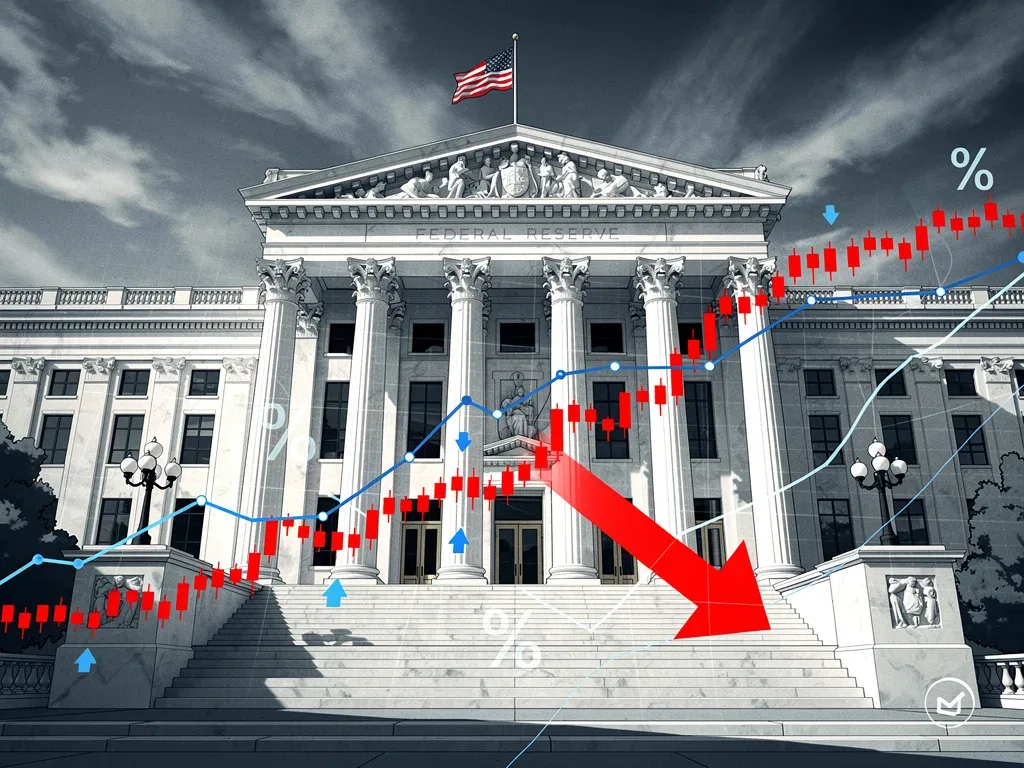
The Federal Reserve's recent reduction of benchmark interest rates to 3.75% directly influences national borrowing costs, making loans more affordable for consumers and businesses, and stimulating economic activity across the United States.
The recent announcement that the Federal Reserve Cuts Benchmark Rates to 3.75%: What It Means for National Borrowing Costs has sent ripples through the financial markets and households across the United States. This move by the nation's central bank is more than just a headline; it's a critical adjustment designed to influence the economic landscape, from the smallest consumer loan to the largest corporate investment. Understanding these shifts is paramount for anyone looking to navigate their personal finances or business strategies in the coming months.
Understanding the Federal Reserve's Role and Rate Cuts
The Federal Reserve, often simply called the Fed, serves as the central bank of the United States. Its primary responsibilities include conducting monetary policy, supervising and regulating banking institutions, maintaining the stability of the financial system, and providing financial services to depository institutions, the U.S. government, and foreign official institutions. One of its most powerful tools is setting the federal funds rate, a target rate for overnight lending between banks.
When the Federal Reserve cuts this benchmark rate, it's typically a signal that the Fed aims to stimulate economic growth. Lowering the federal funds rate makes it cheaper for banks to borrow money from each other. These savings are then ideally passed on to consumers and businesses in the form of lower interest rates on various loans, encouraging spending and investment. This mechanism is a cornerstone of monetary policy, influencing everything from job creation to inflation.
Why the Fed Cuts Rates
The decision to cut interest rates is not made lightly. It usually stems from a careful assessment of economic indicators. The Fed's dual mandate is to achieve maximum employment and stable prices (low inflation). When economic growth slows, or there are concerns about deflation, a rate cut can provide the necessary impetus.
- Economic Slowdown: To boost a flagging economy by making borrowing more attractive.
- Low Inflation: To counter deflationary pressures and move inflation towards the Fed's target.
- Global Economic Headwinds: To shield the domestic economy from international downturns.
- Unemployment Concerns: To encourage hiring by making business expansion less costly.
The recent cut to 3.75% suggests the Fed has identified a need to inject more liquidity into the system, potentially to counteract an anticipated slowdown or to provide a buffer against unforeseen economic challenges. This proactive approach aims to maintain a healthy and stable economic environment for all Americans.
Impact on Mortgage Rates and Housing Market
For many Americans, the most immediate and tangible effect of a Federal Reserve rate cut is felt in the housing market, particularly through mortgage rates. While the federal funds rate is an overnight lending rate for banks, it significantly influences the prime rate, which in turn affects a myriad of other lending products, including mortgages.
When the Fed lowers its benchmark rate, mortgage rates typically follow suit, though not always in a direct, one-to-one correlation. Lenders often adjust their rates downward to remain competitive and attract borrowers in a more affordable lending environment. This can lead to a surge in refinancing activity and an increase in new home purchases, as the cost of borrowing becomes more manageable for prospective buyers.
Refinancing Opportunities
Existing homeowners with adjustable-rate mortgages (ARMs) will likely see their monthly payments decrease as their rates reset. Those with fixed-rate mortgages might find attractive opportunities to refinance their loans at a lower interest rate, potentially saving thousands of dollars over the life of their loan. This can free up disposable income, which can then be spent or saved, further stimulating the economy.
- Lower Monthly Payments: Reduces the financial burden on homeowners.
- Increased Buying Power: Makes housing more accessible for first-time buyers.
- Market Stimulation: Encourages construction and real estate transactions.
- Equity Growth: Lower rates can indirectly support home values by increasing demand.
The housing market is a significant component of the U.S. economy, and lower mortgage rates can provide a much-needed boost, encouraging both supply and demand. However, potential buyers should also consider other factors like housing inventory and local market conditions.
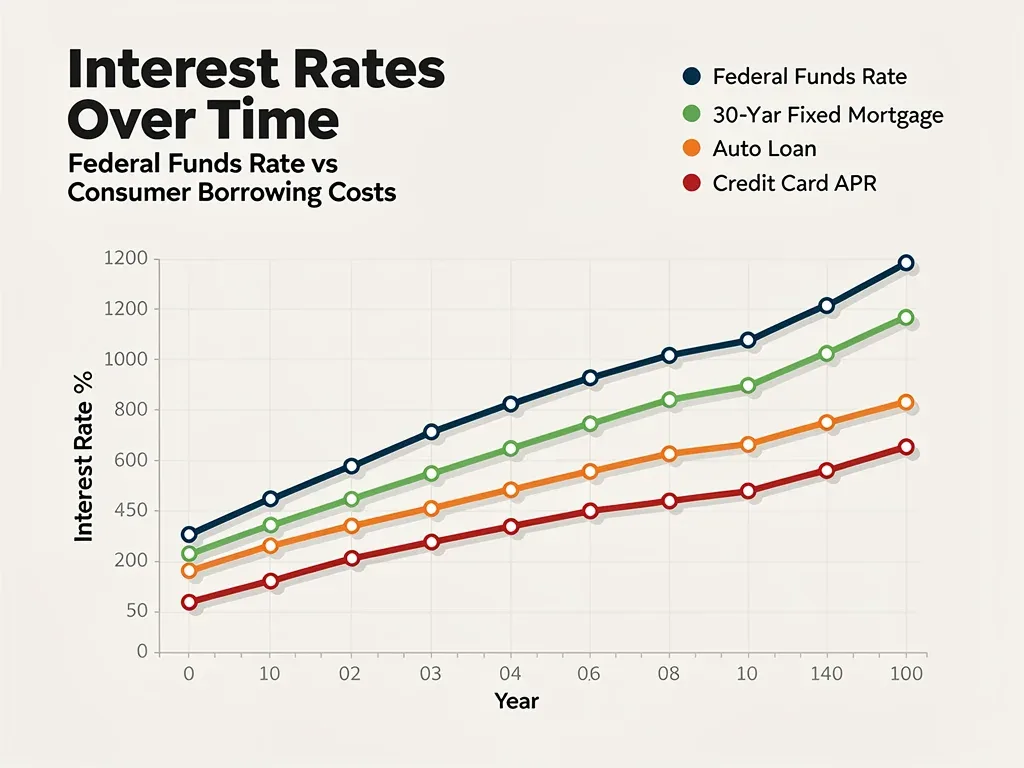
Consumer Borrowing: Auto Loans, Credit Cards, and Personal Loans
Beyond mortgages, the Federal Reserve's rate cut has a broad influence on other forms of consumer credit, directly impacting the daily financial lives of millions of Americans. Auto loans, credit card rates, and personal loans are all sensitive to changes in the federal funds rate, albeit with varying degrees of responsiveness. This makes borrowing cheaper across the board, which can encourage consumer spending and investment in durable goods.
For auto loans, a lower benchmark rate generally translates to more attractive financing options for new and used vehicles. Car dealerships often offer lower APRs to entice buyers, making it easier for individuals and families to afford a new car. This can revitalize the automotive industry, which is a major employer and economic contributor in the United States.
Credit Card and Personal Loan Adjustments
Credit card interest rates, which are typically variable and tied to the prime rate, will likely see a decrease. While the impact might be less dramatic than on mortgages or auto loans due to higher base rates, any reduction can offer some relief to consumers carrying balances. Similarly, personal loan rates, used for various purposes from debt consolidation to home improvements, are also expected to trend downward, making these financial tools more accessible and affordable.
- Reduced Monthly Payments: Helps consumers manage existing debt more effectively.
- Increased Purchasing Power: Encourages spending on larger ticket items.
- Debt Consolidation Opportunities: Makes it cheaper to combine high-interest debts.
- Stimulates Retail Sales: Benefits businesses reliant on consumer spending.
These lower borrowing costs can provide a significant boost to consumer confidence and spending, which are vital engines of economic growth. However, consumers should still practice responsible borrowing and avoid taking on more debt than they can comfortably manage.
Business Lending and Investment Implications
The Federal Reserve's decision to cut benchmark rates to 3.75% extends its influence far beyond individual consumers, profoundly affecting businesses of all sizes across the nation. For corporations, especially small and medium-sized enterprises (SMEs), lower interest rates can be a game-changer, fostering an environment ripe for expansion, innovation, and job creation. When the cost of capital decreases, businesses are more inclined to borrow money for various strategic purposes.
This includes funding for new projects, upgrading equipment, expanding operations, or even acquiring other companies. The reduced cost of borrowing can significantly improve a company's profitability and competitiveness. For startups, lower rates can make it easier to secure initial funding or expansion capital, encouraging entrepreneurship and technological advancement. This ripple effect can lead to increased productivity and a stronger national economy.
Corporate Bond Market and Capital Expenditure
Large corporations often access capital through the corporate bond market. A lower federal funds rate can lead to lower yields on newly issued corporate bonds, making it cheaper for companies to raise funds directly from investors. This can translate into increased capital expenditure (CapEx), as businesses invest in long-term assets such as property, plant, and equipment. Such investments are crucial for long-term economic growth and maintaining a competitive edge.
- Cheaper Business Loans: Encourages expansion and operational improvements.
- Increased Investment: Fosters innovation and productivity growth.
- Job Creation: Business expansion often leads to more employment opportunities.
- Enhanced Competitiveness: Allows companies to invest more in research and development.
Ultimately, the Fed's rate cut aims to create a more favorable financial environment for businesses, stimulating investment and contributing to overall economic prosperity. This is a critical component of the Fed's strategy to achieve its dual mandate of maximum employment and stable prices.
Savings Accounts and Investment Returns: A Different Perspective
While lower interest rates are generally good news for borrowers, they present a different scenario for savers and investors. When the Federal Reserve cuts its benchmark rate, the interest rates offered on savings accounts, money market accounts, and certificates of deposit (CDs) typically follow a downward trend. This can be a challenging environment for individuals who rely on interest income from their savings to grow their wealth or supplement their retirement.
Banks often reduce the interest they pay on deposits because their own borrowing costs have decreased. While this helps them maintain profit margins, it means less return for depositors. Savers might find themselves earning less on their liquid assets, potentially prompting them to seek alternative investment avenues with higher, albeit riskier, returns. This shift can redirect capital into other parts of the economy, such as the stock market or real estate.
Seeking Alternative Investments
In a low-interest-rate environment, traditional conservative savings options become less appealing. This often encourages investors to consider a broader range of assets. The stock market, for instance, can become more attractive as companies find it cheaper to borrow and invest, potentially leading to higher earnings and stock valuations. Real estate investments might also see increased interest due to lower mortgage rates and potentially higher rental yields.
- Lower Savings Returns: Diminished income from traditional savings vehicles.
- Diversification Encouraged: Prompts exploration of other investment options.
- Stock Market Impact: Can lead to increased equity valuations as borrowing costs fall for companies.
- Bond Market Dynamics: Existing bonds with higher yields become more valuable, but new bonds offer lower returns.
It's crucial for savers and investors to reassess their financial strategies in response to these rate changes. Consulting with a financial advisor can help in identifying suitable options that align with individual risk tolerance and financial goals in the current economic climate.

Economic Growth, Inflation, and the Fed's Forward Guidance
The Federal Reserve's decision to cut benchmark rates to 3.75% is a powerful lever in its arsenal to influence the broader economic trajectory of the United States. This move is fundamentally aimed at stimulating economic growth. By making borrowing cheaper for consumers and businesses, the Fed hopes to encourage spending, investment, and ultimately, job creation. This can lead to an expansion of economic activity, often measured by gross domestic product (GDP).
However, stimulating growth also comes with the potential for increased inflation. When money is cheaper and more readily available, demand for goods and services can rise, which can push prices upward. The Fed carefully balances these two objectives—maximizing employment and maintaining price stability—in its monetary policy decisions. The current rate cut suggests that the Fed believes the economy can absorb this stimulus without leading to excessive inflation, or that the risks of an economic slowdown outweigh the risks of moderate inflation.
The Role of Forward Guidance
Beyond the immediate rate cut, the Fed's "forward guidance" plays a critical role in shaping market expectations and economic behavior. Forward guidance refers to the central bank's communication about the likely future path of monetary policy. By providing clear signals about its intentions, the Fed aims to reduce uncertainty and help businesses and consumers make more informed decisions.
- Economic Stimulation: Lower rates encourage borrowing and spending, boosting GDP.
- Inflation Management: The Fed monitors price levels to prevent overheating.
- Market Stability: Clear communication helps stabilize financial markets.
- Investor Confidence: Predictable policy fosters greater long-term investment.
The Fed's communication regarding this rate cut will likely include insights into its assessment of current economic conditions, its outlook for inflation and employment, and any potential future policy adjustments. This transparency is crucial for maintaining market confidence and ensuring the effectiveness of its monetary policy actions.
Navigating Personal Finance in a Lower Rate Environment
The Federal Reserve's rate cut to 3.75% creates both opportunities and challenges for individuals managing their personal finances. Understanding how to adapt to this new environment is key to optimizing one's financial health. For those with debt, particularly variable-rate loans, the immediate benefit is lower interest payments, freeing up cash flow. This extra cash can be used to pay down principal faster, save for future goals, or invest.
Homeowners considering refinancing their mortgages should act promptly, as attractive rates may not last indefinitely. Similarly, individuals looking to purchase a new car or consolidate high-interest credit card debt will find more favorable terms. However, it's also a time for strategic thinking for savers, as traditional savings accounts yield less. This environment encourages a proactive approach to financial planning and a review of existing financial products.
Strategic Financial Adjustments
For savers, this period might necessitate exploring options beyond conventional bank accounts. Diversifying investments, even with a small portion of savings, into instruments that offer potentially higher returns (while understanding associated risks) could be beneficial. This could include exploring dividend stocks, real estate investment trusts (REITs), or corporate bonds, depending on individual risk tolerance and financial goals. The goal is to ensure that your money is working as hard as possible for you in the current economic climate.
- Review Debt: Prioritize paying down high-interest variable debt.
- Consider Refinancing: Evaluate mortgages and other large loans for better terms.
- Re-evaluate Savings: Look beyond traditional accounts for better returns.
- Consult an Advisor: Seek professional guidance for personalized financial strategies.
Ultimately, a lower interest rate environment demands a more engaged approach to personal finance. By understanding the implications of the Fed's actions, individuals can make informed decisions that support their long-term financial well-being and capitalize on the opportunities presented.
| Key Impact Area | Brief Description of Change |
|---|---|
| Mortgage Rates | Likely to decrease, leading to refinancing opportunities and increased housing affordability. |
| Consumer Loans | Auto loans, credit card rates, and personal loan interest rates are expected to fall. |
| Business Lending | Cheaper capital for businesses encourages investment, expansion, and job creation. |
| Savings & Investments | Lower returns on traditional savings, prompting exploration of alternative investments. |
Frequently Asked Questions About the Fed Rate Cut
What does a Federal Reserve rate cut mean for me directly?▼A Federal Reserve rate cut can directly lower your borrowing costs for things like mortgages, auto loans, and credit cards. It might also reduce the interest earned on savings accounts, prompting you to review your financial strategy for better returns.
How quickly will mortgage rates change after the Fed's decision?▼Mortgage rates typically react quite quickly to Fed rate changes, often within days or weeks. However, the exact movement depends on market sentiment and other economic factors, so it's not always an immediate, direct correlation.
Will my credit card interest rates go down?▼'>Most credit card rates are variable and tied to the prime rate, which is influenced by the federal funds rate. You should see a slight decrease in your Annual Percentage Rate (APR) on credit card balances within one or two billing cycles.
Is this rate cut good for the economy?▼Generally, a rate cut is intended to stimulate economic growth by making borrowing cheaper for consumers and businesses, encouraging spending and investment. It aims to prevent an economic slowdown and support employment levels across the nation.
What should savers do in a lower interest rate environment?▼Savers might consider diversifying their portfolios beyond traditional savings accounts. Exploring options like dividend stocks, higher-yield corporate bonds, or consulting a financial advisor can help find suitable alternatives to maintain or grow wealth.
Conclusion
The Federal Reserve's decision to cut benchmark interest rates to 3.75% is a pivotal moment for the U.S. economy, designed to inject vitality into various sectors. This move promises lower borrowing costs for consumers and businesses, potentially stimulating growth in the housing market, auto sales, and corporate investment. While borrowers stand to benefit significantly from reduced interest payments, savers will need to strategically adapt their financial plans to a landscape offering diminished returns on traditional savings vehicles. Understanding these nuanced implications is crucial for navigating personal and business finances in the coming period, ensuring that individuals and enterprises can effectively leverage the opportunities and mitigate the challenges presented by this significant monetary policy adjustment.
