Healthcare Expenditure: Macro Consequences for US Stability
Advertisements
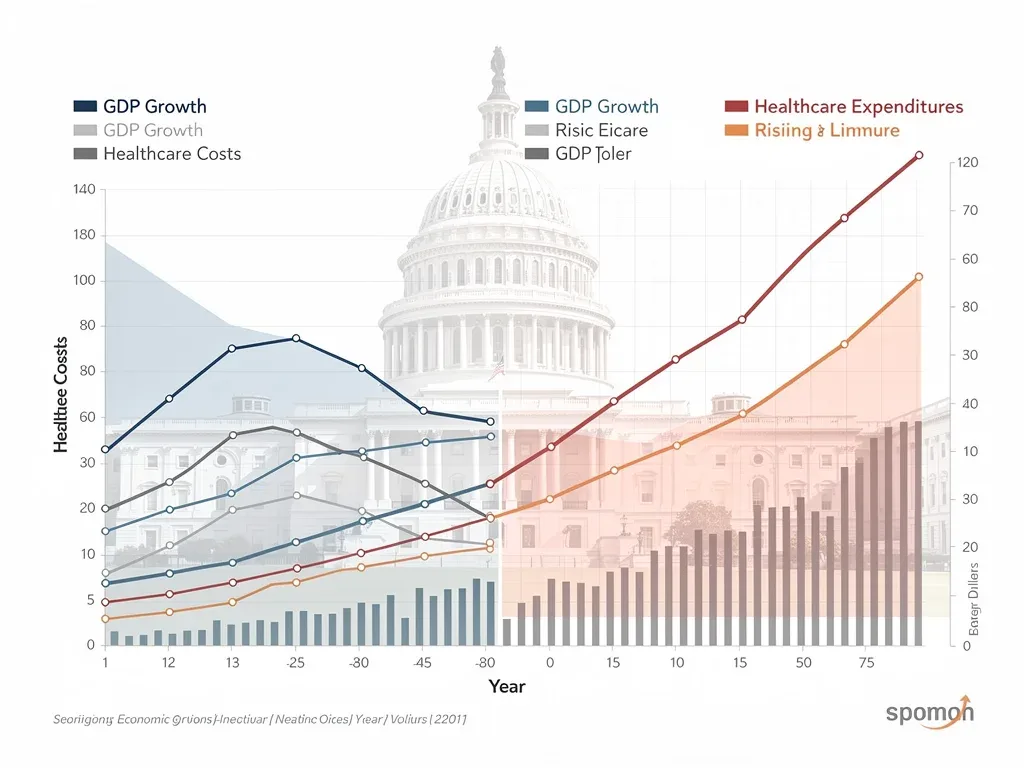
Rising healthcare expenditure, increasing at 5.5% of GDP growth, poses significant macro consequences for US economic stability, affecting fiscal budgets, household burdens, and global competitiveness.
The continuous surge in US healthcare spending is a topic that demands immediate attention. With rising healthcare expenditure at 5.5% of GDP growth, the macro consequences for US economic stability are becoming increasingly profound. This trend impacts not only government budgets but also the financial well-being of American families and the nation's competitive edge on the global stage. Understanding these complex dynamics is crucial for navigating the future economic landscape.
Understanding the Escalation of Healthcare Costs
The United States consistently outspends other developed nations on healthcare, yet often without superior health outcomes. This phenomenon is not new, but its acceleration, now at 5.5% of GDP growth, presents a critical challenge. Several factors contribute to this relentless upward trajectory, from technological advancements to administrative complexities.
One primary driver is the adoption of new medical technologies and pharmaceuticals. While these innovations offer life-saving treatments, they often come with exorbitant price tags. The cost of research and development, coupled with intellectual property protections, allows pharmaceutical companies to set high prices, particularly for novel drugs. This creates a cycle where cutting-edge treatments become a significant component of overall healthcare expenditure.
Technological Advancements and Pharmaceutical Pricing
The rapid pace of medical innovation, while beneficial for patient care, also fuels cost escalation. Advanced diagnostic tools, robotic surgery, and personalized medicine therapies are expensive to develop and implement. These costs are then passed on to consumers and insurers, contributing to the overall increase in spending.
- High cost of new drug development and clinical trials.
- Monopoly power of pharmaceutical companies due to patent protection.
- Limited negotiation power for drug prices at a national level.
- The demand for cutting-edge, often expensive, medical devices.
Another significant factor is the administrative overhead within the US healthcare system. Compared to other countries, the US has a highly fragmented and complex system involving multiple payers, providers, and regulatory bodies. This complexity leads to substantial administrative costs, including billing, coding, and insurance claims processing, which add little direct value to patient care but significantly inflate overall expenses. Simplifying these processes could yield considerable savings, yet political and economic interests often impede such reforms.
In conclusion, the escalation of healthcare costs is a multifaceted issue driven by technological advancements, pharmaceutical pricing strategies, and systemic administrative inefficiencies. Addressing these underlying causes is essential for mitigating the financial burden on the US economy and ensuring sustainable healthcare for the future.
Fiscal Strain on Government Budgets
The burgeoning healthcare expenditure places immense pressure on federal and state budgets. As a significant portion of government spending is allocated to healthcare programs like Medicare, Medicaid, and the Affordable Care Act, rising costs directly impact fiscal stability. This often necessitates difficult trade-offs, potentially leading to reduced funding for other critical public services or increased national debt.
Medicare, serving the elderly and disabled, and Medicaid, assisting low-income individuals, are particularly vulnerable to these rising costs. These programs are entitlement programs, meaning that eligible individuals are guaranteed benefits, making their costs largely non-discretionary. As the population ages and healthcare costs continue to climb, the financial sustainability of these programs becomes a major concern. The government must either increase taxes, borrow more, or cut benefits, all of which have significant economic and social implications.
Impact on National Debt and Public Services
Increased government spending on healthcare directly contributes to the national debt. When revenues do not keep pace with expenditures, the government borrows to cover the deficit. This accumulation of debt can lead to higher interest rates, crowding out private investment, and a greater burden on future generations. Moreover, the need to fund healthcare can divert resources from other essential public services.
- Growing national debt due to increased healthcare outlays.
- Potential for cuts in education, infrastructure, or defense spending.
- Higher interest payments on national debt, reducing fiscal flexibility.
- Intergenerational equity concerns as future generations bear the debt burden.
The fiscal strain also extends to state budgets, which co-fund Medicaid. States face similar pressures, often leading to difficult decisions regarding taxation, public services, and program eligibility. This can create disparities in healthcare access and quality across different states, further complicating the national healthcare landscape. The long-term implications for fiscal health are severe, demanding comprehensive policy responses.
In summary, the escalating healthcare expenditure poses a substantial fiscal challenge to both federal and state governments. It contributes to national debt, forces difficult budgetary choices, and potentially undermines the funding of other vital public services. Sustainable fiscal management requires innovative solutions to control healthcare costs.
Household Financial Burden and Economic Inequality
Beyond government budgets, the rising cost of healthcare disproportionately affects American households. High deductibles, co-pays, and out-of-pocket expenses mean that even insured individuals can face significant financial hardship. This burden can lead to medical debt, bankruptcy, and a reduction in discretionary spending, ultimately stifling economic growth and exacerbating income inequality.
For many families, healthcare costs are a leading cause of financial stress. A sudden illness or chronic condition can quickly deplete savings and force individuals to make difficult choices between medical care and other necessities. This financial vulnerability is particularly acute for those with lower incomes or without comprehensive insurance coverage. The fear of medical debt can also deter individuals from seeking necessary care, leading to poorer health outcomes in the long run.

Medical Debt and Reduced Disposable Income
Medical debt is a pervasive issue in the United States, impacting millions of households. Even with insurance, unexpected medical events can result in bills that are impossible to pay. This debt can damage credit scores, prevent homeownership, and trap families in a cycle of financial instability. Furthermore, the constant worry about healthcare costs reduces the disposable income available for other goods and services, which can slow down overall economic activity.
- Increased medical debt leading to personal bankruptcies.
- Reduction in discretionary spending, impacting consumer demand.
- Deterrence from seeking necessary medical care due to cost concerns.
- Widening gap between high-income and low-income households regarding healthcare access.
The impact on economic inequality is also significant. Wealthier individuals can more easily absorb high healthcare costs or access premium care, while lower-income individuals often struggle to afford even basic services. This creates a two-tiered system where health outcomes are increasingly tied to socioeconomic status, undermining the principle of equitable access to care. Addressing the household financial burden of healthcare is crucial for fostering a more just and stable economy.
In conclusion, the escalating healthcare expenditure places a heavy financial burden on American households, contributing to medical debt, reducing disposable income, and exacerbating economic inequality. Mitigating these impacts requires policies that make healthcare more affordable and accessible for all segments of the population.
Impact on Business Competitiveness and Labor Market
The rising cost of healthcare also has profound implications for businesses, particularly small and medium-sized enterprises (SMEs). Employers often bear a significant portion of healthcare costs through employee benefits, which can increase operational expenses and reduce profitability. This can make US businesses less competitive globally and influence hiring decisions and wage growth.
For many companies, providing health insurance to employees is one of their largest expenses after salaries. As these costs continue to rise, businesses may respond by increasing prices, reducing wages, or scaling back benefits. This creates a challenging environment for both employers and employees. Smaller businesses, which often operate on tighter margins, are particularly vulnerable, sometimes struggling to offer competitive benefits, which can affect their ability to attract and retain talent.
Employer-Sponsored Health Plans and Global Competitiveness
The US system of employer-sponsored health insurance is unique among developed nations. While it provides coverage for many, it also links healthcare access to employment, creating complexities for both employers and workers. The rising premiums and administrative burdens associated with these plans can put US companies at a disadvantage compared to international competitors operating in countries with universal healthcare systems.
- Increased operational costs for businesses due to rising premiums.
- Reduced ability for SMEs to offer competitive employee benefits.
- Potential for slower wage growth as employers absorb healthcare costs.
- Disadvantage for US companies in global markets due to higher labor overheads.
Furthermore, the labor market is affected by the healthcare cost crisis. Employees may be reluctant to switch jobs if it means losing good health benefits, leading to reduced labor mobility. Companies might also choose to automate processes or outsource jobs to countries with lower healthcare costs, impacting domestic employment. The overall effect is a less dynamic labor market and potentially slower economic growth.
In summary, rising healthcare expenditure negatively impacts business competitiveness by increasing operational costs and affecting the labor market. This necessitates a reevaluation of how healthcare is funded and delivered to ensure that US businesses can thrive and workers are adequately supported.
Long-Term Macroeconomic Stability Risks
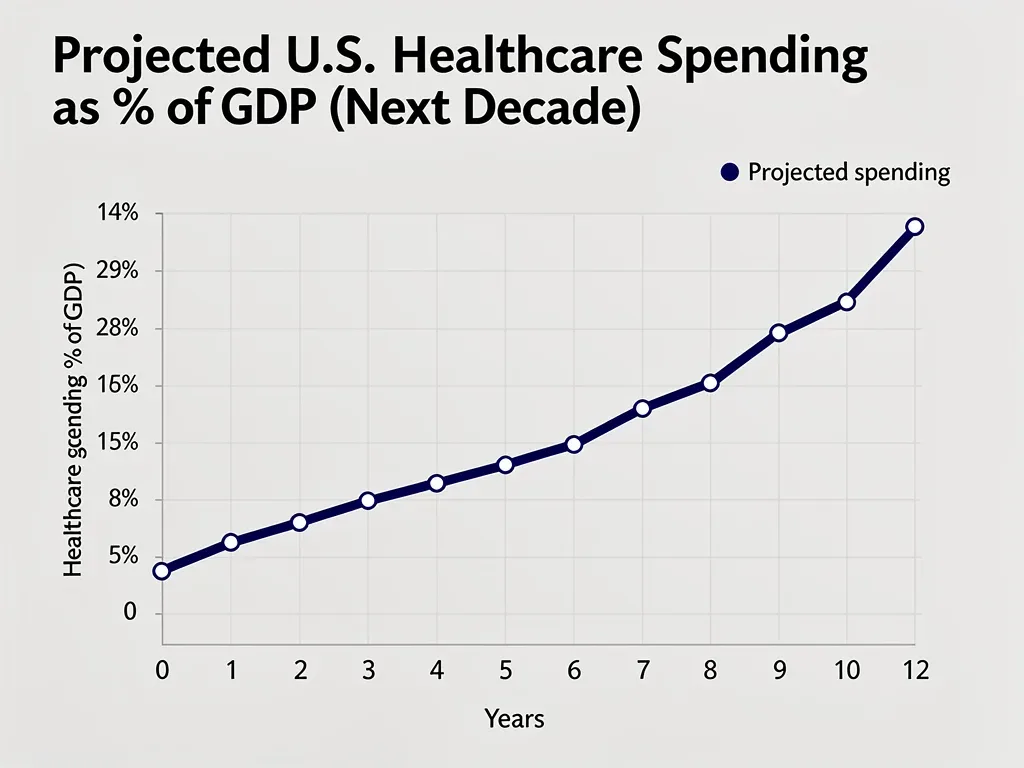
The unchecked growth of healthcare expenditure poses significant long-term risks to overall US macroeconomic stability. Persistent high spending can lead to a cycle of increasing national debt, inflationary pressures, and reduced investment in productivity-enhancing sectors. This erodes the nation's economic foundation and limits its capacity for future growth and innovation.
When a substantial portion of economic output is consumed by healthcare, fewer resources are available for other critical investments, such as research and development, infrastructure, and education. These are the engines of long-term economic growth and competitiveness. A diversion of resources towards healthcare, particularly inefficient spending, can lead to slower productivity gains and a decline in the nation's innovative capacity over time. This trend, if unaddressed, could diminish America's standing as a global economic leader.
Inflationary Pressures and Investment Diversion
Healthcare cost inflation can spill over into other sectors of the economy, contributing to overall inflationary pressures. As costs for medical goods and services rise, businesses may pass these increases on to consumers, leading to higher prices for a wide range of products. This can reduce purchasing power and negatively impact consumer confidence, which are vital for sustained economic growth.
- Increased national debt impacting future fiscal flexibility.
- Crowding out of private investment due to government borrowing.
- Reduced public and private investment in innovation and infrastructure.
- Potential for higher inflation eroding purchasing power.
Moreover, the focus on healthcare spending can divert both public and private investment away from areas that could yield greater economic returns. For instance, if a company must allocate more of its budget to employee health benefits, it may have less to invest in new technologies or expansion. Similarly, government budgets strained by healthcare may be unable to fund critical research initiatives. This misallocation of capital can hinder long-term economic dynamism.
In conclusion, the sustained growth in healthcare expenditure presents severe long-term risks to US macroeconomic stability. It threatens to increase national debt, fuel inflation, and divert essential investments from productivity-enhancing sectors, thereby undermining the nation's future economic potential. Proactive policy measures are imperative to mitigate these risks.
Potential Policy Responses and Reforms
Addressing the challenge of rising healthcare expenditure at 5.5% of GDP growth requires a multi-faceted approach involving significant policy reforms. There is no single solution, but rather a combination of strategies aimed at cost control, efficiency improvement, and value-based care. These reforms must balance access, quality, and affordability to ensure a sustainable healthcare system for the US.
One key area for reform is enhancing price transparency. The opaque pricing structures within the US healthcare system make it difficult for consumers and even providers to understand the true cost of services. Mandating greater transparency could empower consumers to make more informed choices and foster greater competition among providers, potentially driving down costs. This could involve making hospital prices, drug costs, and insurance plan coverages more readily available and understandable to the public.
Strategies for Cost Control and Efficiency
Implementing strategies focused on cost control and efficiency is paramount. This includes promoting preventive care to reduce the incidence of expensive chronic diseases, negotiating drug prices more effectively, and reducing administrative waste. Shifting towards value-based care models, where providers are reimbursed based on patient outcomes rather than the volume of services, could also incentivize more efficient and effective care delivery.
- Implementing stricter drug price negotiation policies.
- Promoting preventive health measures and wellness programs.
- Reducing administrative overhead through standardization and digitalization.
- Transitioning to value-based care models from fee-for-service.
Another avenue for reform involves exploring alternative healthcare financing models. While a complete overhaul to a single-payer system may be politically challenging, hybrid models that blend public and private insurance, or expand public options, could be considered. These could aim to achieve universal coverage while controlling costs through centralized negotiation and simplified administration. Furthermore, investing in public health infrastructure can yield long-term benefits by improving population health and reducing the need for expensive acute care interventions.
In conclusion, tackling the rising healthcare expenditure necessitates comprehensive policy responses. These include improving price transparency, implementing robust cost control and efficiency measures, and exploring innovative financing models to ensure a more affordable and sustainable healthcare system for the United States.
The Role of Innovation and Prevention
Innovation and prevention are two critical pillars in the long-term strategy to manage and mitigate rising healthcare expenditure at 5.5% of GDP growth. While technological advancements often contribute to higher costs, strategic innovation in delivery models and a strong focus on preventative health can paradoxically reduce the overall burden. Shifting from a reactive, illness-focused system to a proactive, wellness-oriented one holds immense potential.
Digital health technologies, such as telemedicine, remote monitoring, and artificial intelligence-driven diagnostics, offer promising avenues for improving efficiency and access while potentially lowering costs. Telemedicine, for instance, can reduce the need for expensive in-person visits, particularly in rural areas, making healthcare more accessible and convenient. AI can assist in early disease detection and personalized treatment plans, leading to better outcomes and preventing costly complications.
Leveraging Digital Health and Preventative Care
Investing in and integrating digital health solutions can streamline processes, reduce administrative costs, and provide more efficient care delivery. These technologies can also empower patients to take a more active role in managing their own health, leading to better adherence to treatment plans and healthier lifestyles. The initial investment in these technologies can yield significant returns in cost savings over time.
- Expansion of telemedicine to reduce travel and facility costs.
- Utilization of AI for early diagnosis and personalized treatment.
- Remote patient monitoring to manage chronic conditions more effectively.
- Digital platforms for health education and patient engagement.
Equally important is a robust emphasis on preventative care. Many chronic diseases, which account for a large portion of healthcare spending, are preventable through lifestyle changes, regular screenings, and early interventions. Investing in public health campaigns, accessible primary care, and incentivizing healthy behaviors can significantly reduce the incidence of conditions like diabetes, heart disease, and certain cancers, thereby lowering the demand for expensive acute and long-term care.
In conclusion, harnessing the power of innovation, particularly in digital health, and prioritizing preventative care are essential strategies for controlling healthcare expenditure. These approaches can lead to a more efficient, accessible, and ultimately more affordable healthcare system, contributing positively to US economic stability.
| Key Point | Brief Description |
|---|---|
| Fiscal Strain | Increased government spending on healthcare contributes to national debt and reduces funds for other public services. |
| Household Burden | High out-of-pocket costs lead to medical debt, bankruptcy, and reduced discretionary spending for families. |
| Business Competitiveness | Rising employer-sponsored insurance costs increase operational expenses, affecting profitability and global standing. |
| Macroeconomic Risks | Unchecked growth can lead to inflation, diverted investment, and slower long-term economic growth. |
Frequently Asked Questions About Healthcare Spending
What is the current rate of healthcare expenditure growth in relation to US GDP?▼Currently, healthcare expenditure in the US is growing at an approximate rate of 5.5% of GDP. This significant growth rate indicates a substantial portion of the nation's economic output is being dedicated to healthcare services and related costs, impacting various economic sectors.
How does rising healthcare expenditure affect the US national debt?▼Rising healthcare expenditure, particularly through government programs like Medicare and Medicaid, directly increases federal and state spending. When these expenditures outpace revenues, the government often resorts to borrowing, thereby contributing to the national debt and increasing future fiscal burdens.
What are the main drivers of increasing healthcare costs in the US?▼Key drivers include the high cost of new medical technologies and pharmaceuticals, administrative complexities within the fragmented healthcare system, an aging population requiring more care, and the prevalence of chronic diseases. These factors collectively push expenditure upwards.
How does this impact the average American household financially?▼Households face higher out-of-pocket costs, including deductibles and co-pays, leading to increased medical debt and, in some cases, bankruptcy. This financial burden reduces disposable income, affecting consumer spending and exacerbating economic inequality across different income brackets.
What policy approaches can help mitigate rising healthcare expenditure?▼Potential policy responses include enhancing price transparency, negotiating drug prices, promoting preventative care, reducing administrative waste, and shifting towards value-based care models. Exploring alternative financing mechanisms and leveraging digital health technologies also offer promising solutions.
Conclusion
The trajectory of rising healthcare expenditure at 5.5% of GDP growth presents a formidable challenge to the United States' economic stability. The macro consequences are far-reaching, impacting government fiscal health, burdening American households, affecting business competitiveness, and posing significant long-term macroeconomic risks. Addressing this complex issue demands a comprehensive and collaborative approach, focusing on innovative policy reforms, technological integration, and a renewed emphasis on preventative care. By tackling the underlying drivers of cost escalation and fostering a more efficient, equitable, and sustainable healthcare system, the US can safeguard its economic future and ensure the well-being of its population.
