Industrial Energy Price Surges: Impact on Manufacturing Output
Advertisements
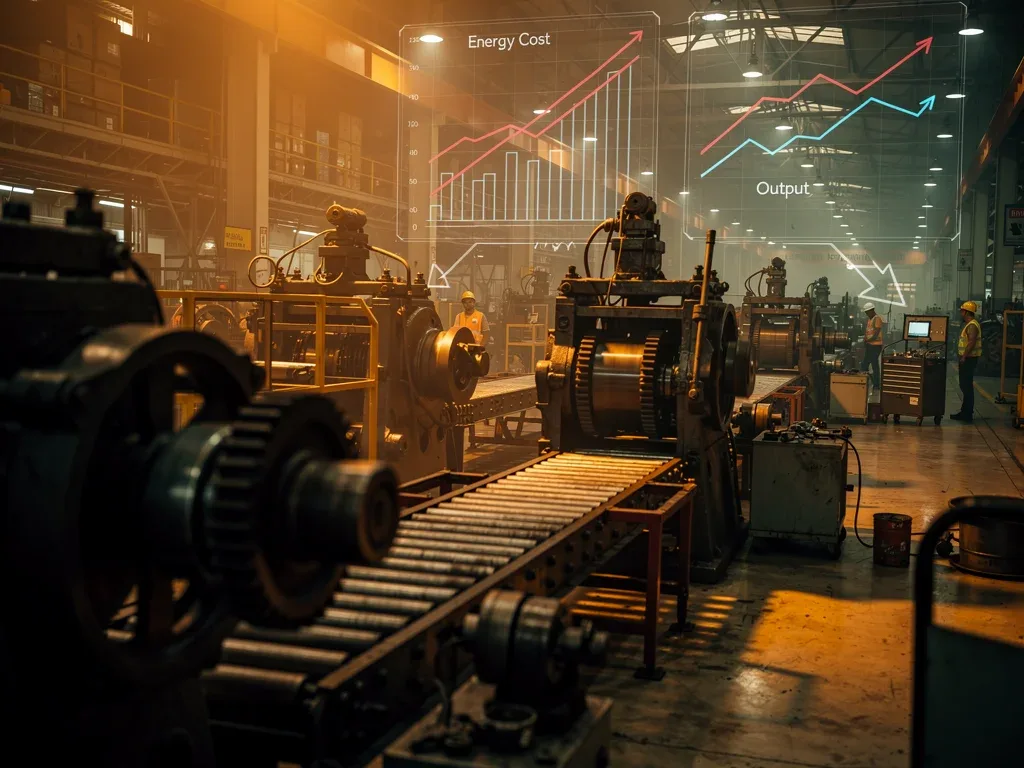
An 8% surge in industrial energy prices, driven by commodity volatility, is profoundly affecting manufacturing output across various sectors in the United States, forcing businesses to adapt to rising operational costs and supply chain disruptions.
The recent industrial energy price surges of 8%: how commodity volatility is impacting manufacturing output presents a significant challenge for businesses across the United States. This substantial increase in operating costs demands immediate attention and strategic adjustments from manufacturers.
Understanding the 8% Industrial Energy Price Surge
The recent 8% surge in industrial energy prices represents a critical development for the manufacturing sector. This increase is not merely a minor fluctuation but a significant jump that directly affects the cost structures of businesses heavily reliant on energy for their operations. Understanding the root causes of this surge is crucial for developing effective mitigation strategies.
Several factors contribute to this volatility. Global geopolitical events often disrupt supply chains and energy markets, leading to price instability. Additionally, shifts in demand, unexpected weather patterns affecting energy production, and speculative trading in commodity markets can all play a role. These elements combine to create an unpredictable environment for industrial energy consumers.
Key Drivers of Energy Price Volatility
Commodity markets are inherently susceptible to a range of influences that can trigger rapid price changes. The interconnectedness of global economies means that an event in one region can have ripple effects worldwide, particularly in essential resources like oil, natural gas, and electricity.
- Geopolitical tensions: Conflicts or political instability in major energy-producing regions can restrict supply.
- Supply chain disruptions: Bottlenecks in transportation or logistics can limit energy delivery, driving up prices.
- Increased demand: Economic recovery or industrial expansion can lead to higher energy consumption.
- Currency fluctuations: The value of the US dollar against other currencies can influence commodity prices.
Moreover, the transition towards renewable energy sources, while beneficial in the long term, can introduce short-term volatility as infrastructure adapts and traditional energy sources are phased out. The interplay of these diverse factors makes forecasting energy prices a complex endeavor for manufacturers.
In conclusion, the 8% industrial energy price surge is a multifaceted issue stemming from a confluence of global and domestic factors. Recognizing these drivers is the first step for manufacturers to navigate this challenging economic landscape and protect their operational viability.
Direct Impact on Manufacturing Operational Costs
The immediate and most palpable effect of rising industrial energy prices is the significant increase in manufacturing operational costs. Energy is a fundamental input for nearly all industrial processes, from powering machinery and heating facilities to fueling transportation and production lines. An 8% increase translates directly into higher overheads, squeezing profit margins and potentially impacting competitiveness.
Manufacturers are now faced with the difficult decision of absorbing these increased costs, passing them on to consumers, or finding innovative ways to reduce energy consumption. Each option carries its own set of risks and benefits, requiring careful analysis and strategic planning. The ability to manage these costs effectively will be a key differentiator for businesses in the current economic climate.

Energy-Intensive Industries Hit Hardest
While all manufacturing sectors are affected, certain industries are particularly vulnerable due to their high energy intensity. Industries such as chemicals, steel, glass, cement, and paper production consume vast amounts of energy in their processes, making them highly sensitive to price fluctuations.
- Chemical production: Requires significant energy for heating, cooling, and chemical reactions.
- Steel manufacturing: Furnaces and rolling mills are extremely energy-intensive.
- Cement production: Kilns operate at very high temperatures, demanding substantial energy input.
- Glass manufacturing: Melting raw materials requires sustained high temperatures.
For these sectors, even a modest increase in energy prices can lead to substantial financial strain, potentially forcing production cuts or even plant closures if not managed properly. The long-term viability of these industries hinges on their capacity to innovate and adapt to a landscape of fluctuating energy costs.
The ripple effect extends beyond direct energy costs. Higher energy prices can also increase the cost of raw materials and transportation, further compounding the financial burden on manufacturers. This necessitates a holistic approach to cost management, looking beyond just direct energy consumption to the entire supply chain.
Ultimately, the direct impact on manufacturing operational costs from the energy price surge is undeniable. Businesses must prioritize energy efficiency, explore alternative energy sources, and potentially re-evaluate their pricing strategies to remain competitive and profitable.
Supply Chain Disruptions and Production Delays
Beyond direct operational costs, the industrial energy price surges of 8% are creating significant disruptions throughout global supply chains, leading to production delays and increased lead times. The interconnectedness of modern manufacturing means that a bottleneck at one point can have cascading effects across the entire chain, from raw material sourcing to final product delivery.
Higher energy costs directly impact transportation, making it more expensive to move goods and components. This added cost is often passed down the supply chain, affecting the affordability and availability of crucial inputs. Furthermore, some suppliers might reduce production due to their own energy cost pressures, leading to shortages for manufacturers downstream.
Logistical Challenges and Freight Costs
The logistics sector, heavily reliant on fuel, experiences immediate and pronounced effects from energy price increases. Freight costs, whether by land, sea, or air, rise significantly, impacting the overall cost of goods. This can make previously viable sourcing strategies uneconomical, forcing manufacturers to reconsider their supplier networks.
- Increased shipping rates: Higher fuel prices directly translate to elevated freight charges.
- Route optimization challenges: Companies may struggle to find cost-effective shipping routes.
- Container shortages: Energy-intensive container production can be affected, leading to scarcity.
- Port congestion: Delayed shipments due to higher costs or limited capacity can exacerbate congestion.
These logistical challenges can lead to longer delivery times, making it difficult for manufacturers to meet production schedules and customer demands. The unpredictability introduced by these delays further complicates inventory management and production planning, requiring greater flexibility and resilience from businesses.

Ultimately, the disruptions caused by industrial energy price surges extend far beyond the factory floor. They permeate the entire supply chain, creating a complex web of challenges that manufacturers must untangle to maintain consistent production and meet market expectations. Proactive supply chain management and diversification are becoming increasingly vital.
Strategies for Manufacturers to Mitigate Energy Costs
In response to the substantial industrial energy price surges, manufacturers are compelled to adopt robust strategies to mitigate rising costs and maintain profitability. Passive acceptance of higher energy bills is no longer a viable option; proactive measures are essential for long-term sustainability and competitiveness in the face of commodity volatility.
These strategies encompass a range of approaches, from immediate operational adjustments to long-term capital investments in energy efficiency and alternative energy sources. The most effective approach often involves a combination of these tactics, tailored to the specific needs and capabilities of each manufacturing operation.
Investing in Energy Efficiency and Renewables
One of the most impactful long-term strategies is to reduce overall energy consumption through efficiency improvements and to shift towards renewable energy sources. This not only lowers operational costs but also enhances environmental sustainability and reduces exposure to fossil fuel price volatility.
- Upgrading machinery: Replacing older, inefficient equipment with modern, energy-efficient models.
- Optimizing processes: Implementing smart manufacturing techniques to reduce energy waste.
- Insulation and HVAC improvements: Enhancing building envelopes and heating/cooling systems to minimize energy loss.
- On-site renewable generation: Installing solar panels or wind turbines to produce clean energy.
Beyond direct investments, manufacturers can also explore power purchase agreements (PPAs) for renewable energy or participate in demand response programs, where they reduce energy consumption during peak hours in exchange for financial incentives. These initiatives can provide a stable energy cost component, protecting against future price shocks.
Furthermore, regular energy audits can identify areas of significant waste and pinpoint opportunities for improvement. By systematically analyzing energy usage, manufacturers can make data-driven decisions that lead to substantial savings over time. The initial investment in energy efficiency often yields a rapid return, making it a sound financial decision.
In essence, manufacturers must view energy cost mitigation not as a temporary fix but as an integral part of their long-term business strategy. Embracing energy efficiency and renewable sources provides a pathway to greater resilience against future price volatility and enhances overall operational sustainability.
Innovation and Adaptation in Production Processes
The pressure from industrial energy price surges of 8% is spurring significant innovation and adaptation within manufacturing production processes. Companies are realizing that simply absorbing costs or passing them on to consumers is unsustainable. Instead, a fundamental re-evaluation of how goods are produced is becoming necessary, leading to more efficient and resilient operations.
This adaptation extends beyond just energy consumption to encompass material usage, waste reduction, and the entire lifecycle of products. Manufacturers are exploring advanced technologies and methodologies that can reduce reliance on energy-intensive steps, optimize resource allocation, and enhance overall productivity.
Embracing Advanced Manufacturing Technologies
New technologies are proving instrumental in helping manufacturers navigate the challenges posed by energy price volatility. Digitalization, automation, and advanced analytics offer opportunities to optimize processes, predict energy consumption patterns, and make real-time adjustments that reduce waste.
- IoT and AI: Using sensors and artificial intelligence to monitor and optimize energy usage in real-time.
- Additive manufacturing (3D printing): Reducing material waste and often consuming less energy for specific parts.
- Robotics and automation: Streamlining production lines to improve efficiency and reduce human error, which can lead to energy waste.
- Predictive maintenance: Preventing equipment breakdowns that can lead to inefficient operation and unexpected energy spikes.
By integrating these advanced manufacturing technologies, companies can gain greater control over their production environments, identify inefficiencies, and make more informed decisions about energy management. This not only helps mitigate the impact of current price surges but also positions them for future resilience.
Moreover, the focus on innovation encourages a shift towards circular economy principles, where materials are reused, recycled, and repurposed, reducing the need for new, energy-intensive production. This holistic approach to production process adaptation is crucial for manufacturers seeking to thrive in an era of volatile commodity prices.
Ultimately, the current energy price environment is a catalyst for transformative change in manufacturing. By embracing innovation and adapting their production processes, companies can not only overcome immediate challenges but also build more sustainable, efficient, and competitive operations for the future.
Government and Policy Responses to Energy Costs
Recognizing the significant impact of industrial energy price surges on manufacturing output, governments and policymakers are increasingly stepping in with various responses. These interventions aim to alleviate the burden on businesses, stabilize energy markets, and foster long-term energy security. Understanding these policy measures is crucial for manufacturers to leverage available support and plan their future strategies.
Government responses can range from direct financial aid and tax incentives to regulatory adjustments and investments in energy infrastructure. The goal is often to balance immediate relief with sustainable solutions that prevent future price shocks and promote economic stability.
Support Programs and Regulatory Frameworks
Several types of support programs and regulatory frameworks are being implemented or considered to assist the manufacturing sector. These initiatives are designed to help businesses manage energy costs, invest in efficiency, and transition to more stable energy sources.
- Tax credits and grants: Financial incentives for manufacturers investing in energy-efficient equipment or renewable energy generation.
- Subsidies for energy-intensive industries: Targeted support for sectors most severely impacted by high energy costs.
- Energy market stabilization: Policies aimed at increasing domestic energy production or diversifying energy imports to reduce volatility.
- Research and development funding: Support for innovation in energy storage, smart grids, and advanced manufacturing processes.
Furthermore, governments may implement regulations that promote energy conservation or set standards for industrial energy consumption, encouraging a broader shift towards efficiency. These policy signals can guide manufacturers in their investment decisions and long-term planning.
The effectiveness of these government and policy responses often depends on their scope, duration, and how well they are aligned with the specific needs of the manufacturing sector. Manufacturers should actively monitor these developments and engage with relevant agencies to ensure their voices are heard and that policies are effective.
In conclusion, government and policy responses play a vital role in cushioning the blow of industrial energy price surges and fostering a more stable environment for manufacturing. By understanding and utilizing these programs, businesses can enhance their resilience and contribute to a more secure energy future.
Long-Term Economic Implications and Future Outlook
The industrial energy price surges of 8% carry significant long-term economic implications for the manufacturing sector and the broader economy. While immediate impacts are visible in operational costs and supply chain disruptions, the sustained pressure from commodity volatility could reshape industrial landscapes, influence investment patterns, and alter global competitiveness. Understanding this future outlook is essential for strategic planning.
In the long run, persistent high energy costs can accelerate the adoption of new technologies, drive relocation of manufacturing facilities, and even influence consumer pricing and inflationary pressures. The resilience built by manufacturers today will determine their position in the economy of tomorrow.
Shifting Global Competitiveness and Investment
The disparity in energy costs across different regions can significantly impact global competitiveness. Manufacturers in countries with lower or more stable energy prices might gain a competitive advantage, potentially leading to shifts in global production hubs. This could encourage reshoring or nearshoring efforts in some cases, or further offshore production in others, depending on regional energy policies and costs.
- Investment in energy-rich regions: Companies might favor locations with more stable or abundant energy supplies.
- R&D focus on energy independence: Increased funding for technologies that reduce reliance on external energy sources.
- Diversification of manufacturing bases: Spreading production across multiple regions to mitigate localized energy risks.
- Demand for green manufacturing: Pressure from consumers and regulations for more sustainable, energy-efficient production.
Moreover, the need for energy resilience will likely drive increased investment in advanced energy technologies, such as energy storage solutions, smart grid integration, and carbon capture technologies. This shift in investment priorities could create new industries and job opportunities, while potentially displacing older, less sustainable practices.
The future outlook for manufacturing in the face of energy price volatility is one of continuous adaptation and innovation. Companies that proactively invest in energy efficiency, diversify their energy sources, and embrace advanced manufacturing techniques will be better positioned to navigate future challenges and maintain their competitive edge. The lessons learned from the current surge will undoubtedly shape the strategic decisions of manufacturers for years to come.
| Key Point | Brief Description |
|---|---|
| Energy Price Surge | Industrial energy prices have surged by 8%, driven by global commodity volatility and geopolitical factors. |
| Operational Cost Increase | Manufacturers face significantly higher operational costs, impacting profit margins and competitiveness, especially in energy-intensive sectors. |
| Supply Chain Disruptions | Higher energy costs contribute to increased freight expenses and production delays, disrupting supply chains from sourcing to delivery. |
| Mitigation Strategies | Key strategies include investing in energy efficiency, embracing renewable energy, and adopting advanced manufacturing technologies. |
Frequently Asked Questions About Industrial Energy Price Surges
What caused the 8% surge in industrial energy prices?▼The 8% surge is primarily due to commodity volatility, influenced by global geopolitical events, shifts in demand, unexpected weather patterns affecting energy production, and speculative trading in energy markets. These factors combine to create an unpredictable pricing environment for industrial energy consumers.
How does this surge directly impact manufacturing output?▼The energy price surge directly increases operational costs for manufacturers, squeezing profit margins. This can lead to production cuts, delayed deliveries, and reduced competitiveness, as businesses struggle to absorb or pass on the higher expenses to consumers.
Which manufacturing sectors are most affected by these price increases?▼Energy-intensive industries are hit hardest, including chemicals, steel, glass, cement, and paper production. These sectors rely heavily on energy for their core processes, making them highly vulnerable to price fluctuations and potentially facing significant financial strain.
What strategies can manufacturers employ to mitigate these energy costs?▼Manufacturers can mitigate costs by investing in energy efficiency upgrades, adopting renewable energy sources, optimizing production processes with advanced technologies, and exploring power purchase agreements or demand response programs to stabilize energy expenses.
What are the long-term economic implications of sustained high energy prices?▼Sustained high energy prices can reshape global manufacturing competitiveness, influence investment patterns towards energy-efficient technologies, and potentially lead to shifts in production locations. It also accelerates the demand for more sustainable and resilient industrial practices.
Conclusion
The recent 8% surge in industrial energy prices, fueled by commodity volatility, presents a formidable challenge for the manufacturing sector in the United States. This situation underscores the critical need for businesses to adopt proactive strategies, focusing on energy efficiency, renewable integration, and technological innovation. While the immediate impacts are felt through increased operational costs and supply chain disruptions, the long-term implications point towards a necessary evolution in manufacturing practices. By embracing these changes and leveraging available support, the industry can build greater resilience, ensuring sustained output and competitiveness in an increasingly unpredictable global energy landscape.
